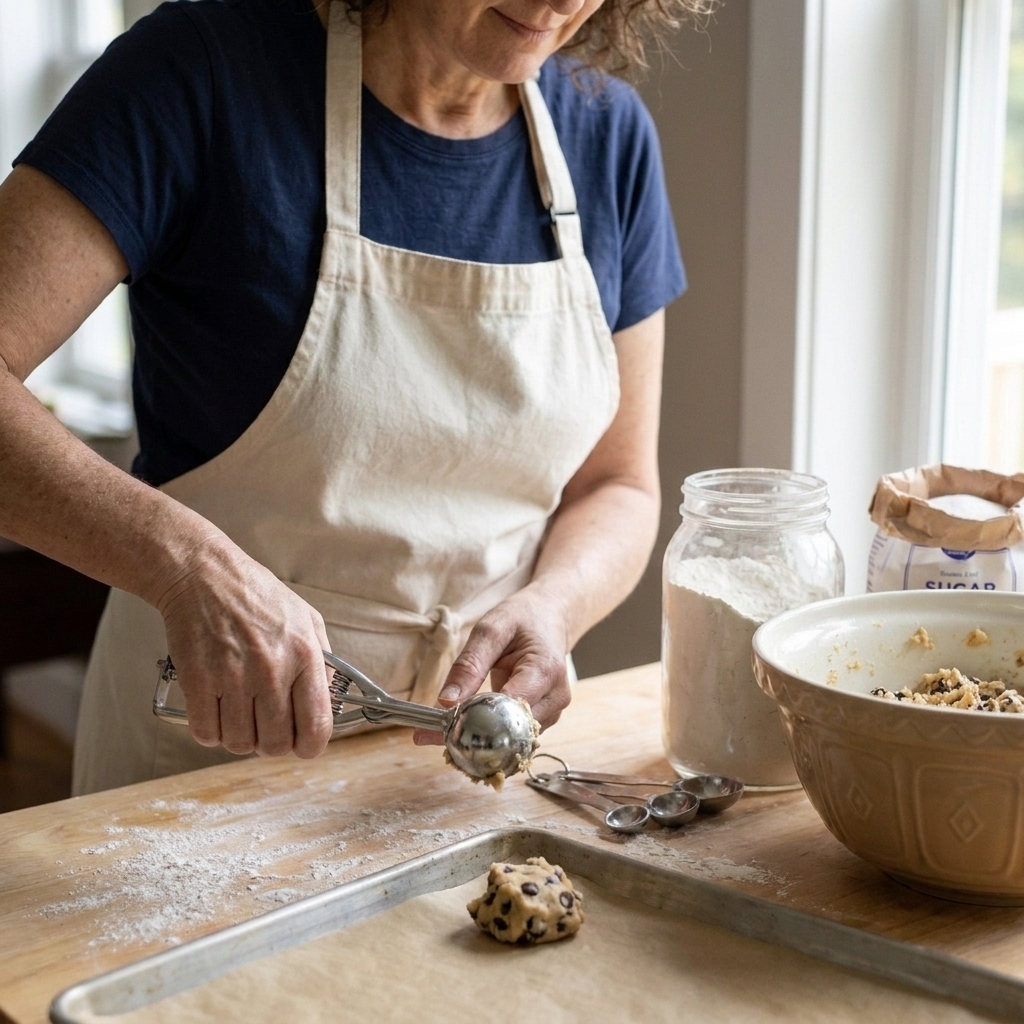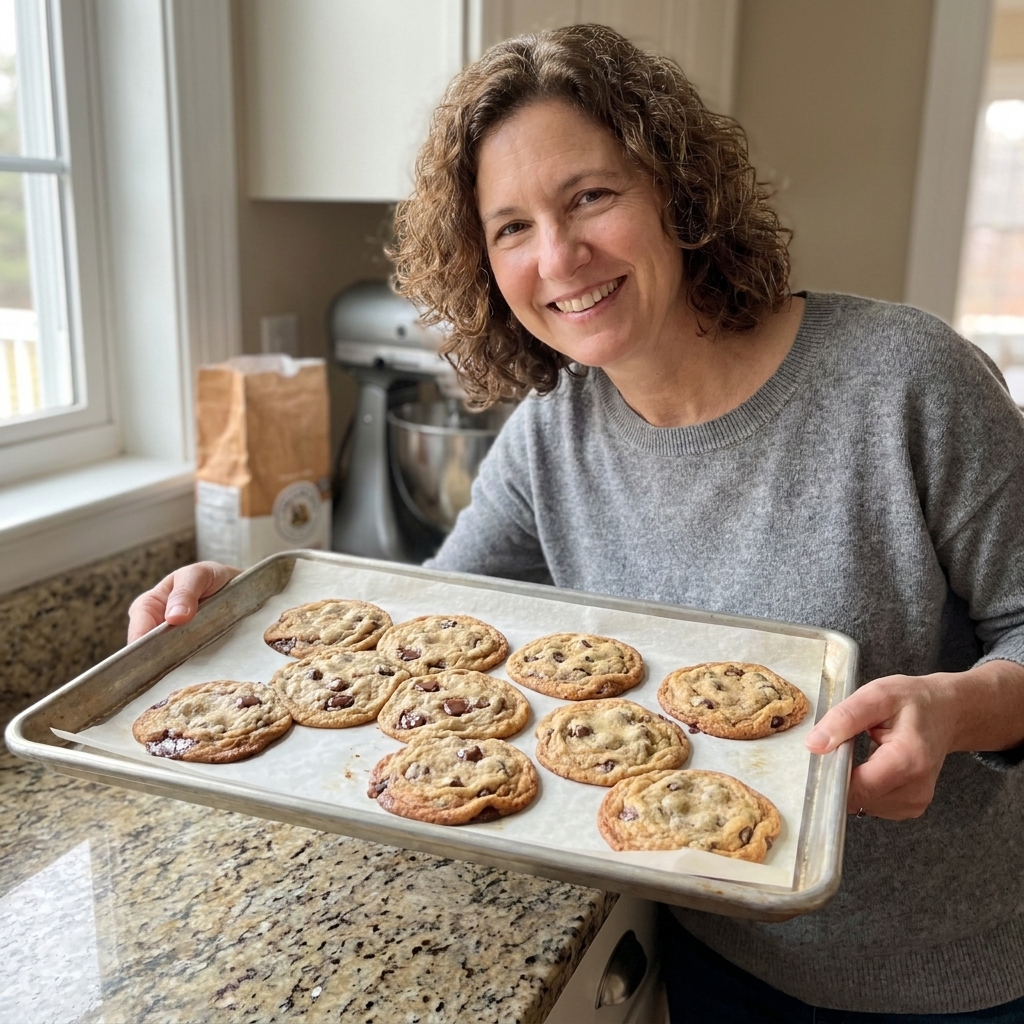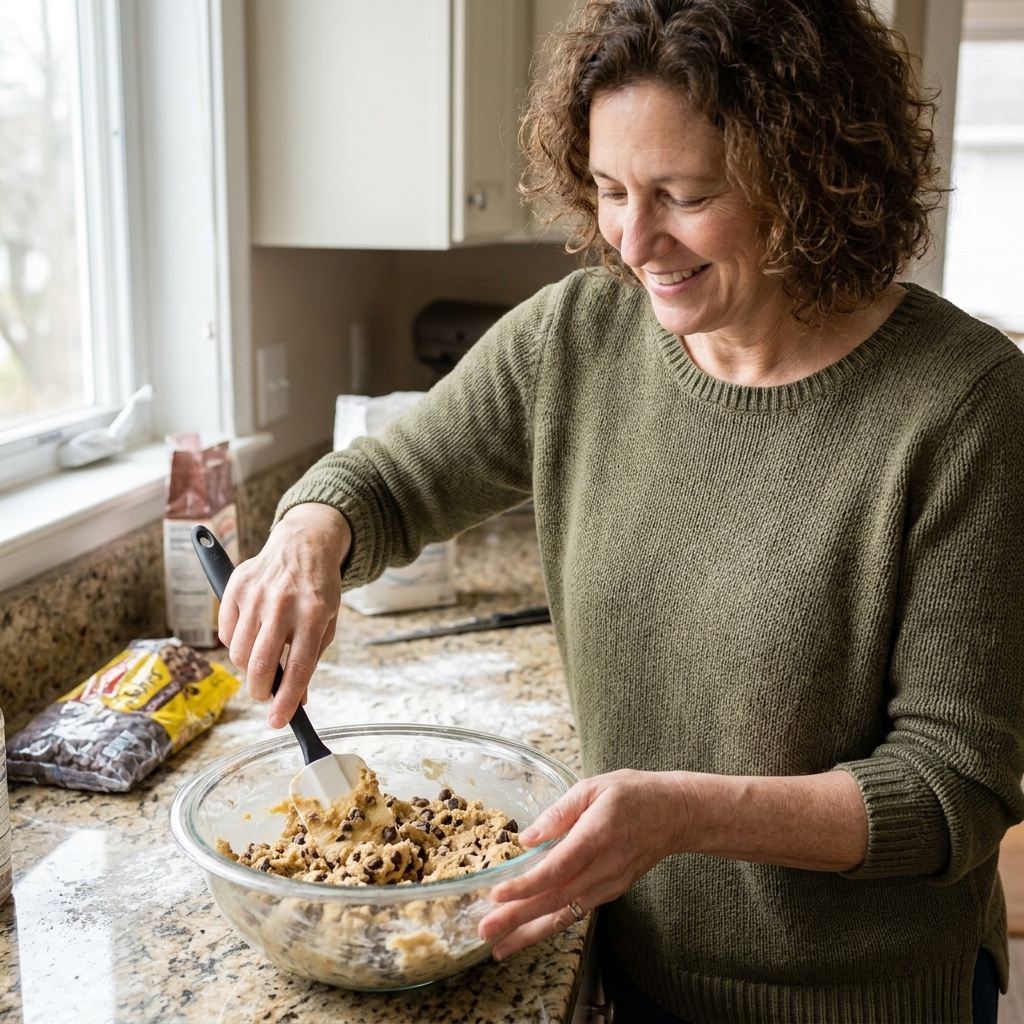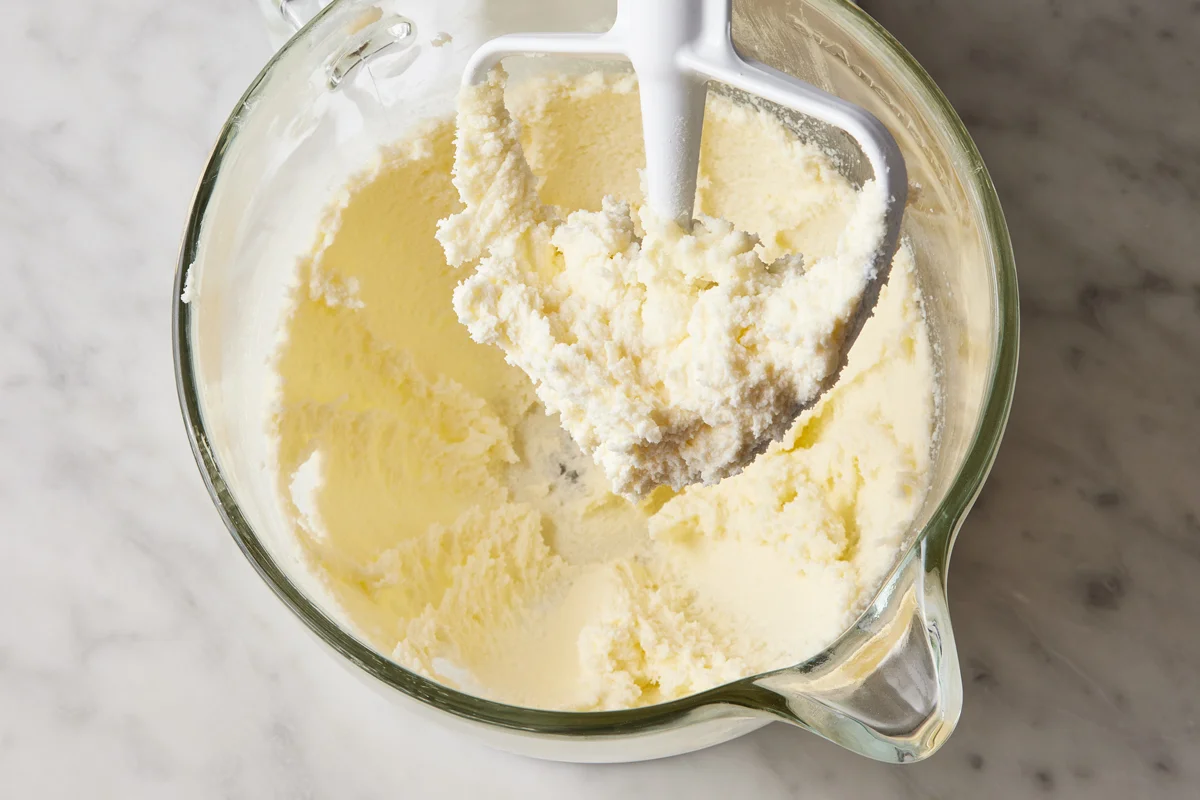
I have tested cookie dough with just about every fat option you can imagine, and I keep coming back to this truth: there is no single “best” fat for every cookie. Butter and shortening both make fantastic classic cookies, but they behave very differently in the bowl and in the oven. Once you know what each one does, you can choose on purpose instead of guessing and hoping.
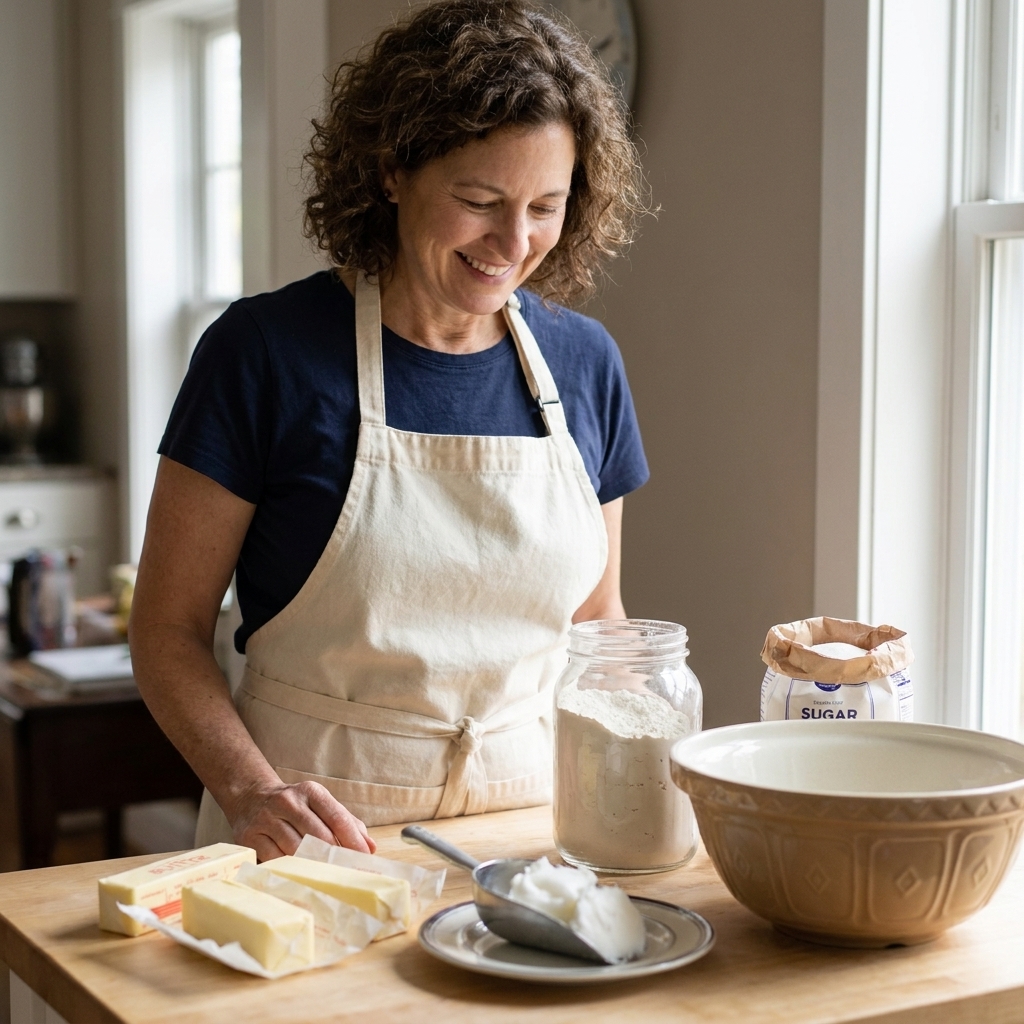
The quick answer
Choose butter when you want bold flavor, beautiful browning, and those crispy edges that taste like a bakery cookie.
Choose shortening when you want cookies that hold their shape, stay soft longer, and spread less.
Choose a blend (my common go-to) when you want butter flavor plus a little extra thickness and softness insurance.
What butter does
Butter is a water-in-fat emulsion, basically fat with a bit of water mixed in. Most grocery-store butter is about 80% fat, with the rest being water and milk solids. Those “extras” are exactly why butter cookies taste so good, and also why they can spread more.
Butter’s strengths
- Flavor: Buttery, rich, and slightly caramel-like once baked.
- Browning: The milk solids help cookies brown and develop deeper toasty notes.
- Texture range: Butter can make crisp edges, tender centers, and a slightly snappy bite depending on sugar ratio and bake time.
Butter’s quirks
- More spread risk: Butter typically melts at a lower temperature than shortening. If your dough is warm, your cookies can go flat fast.
- More sensitive to temperature: Slightly too-soft butter can turn “thick and chewy” into “thin and lacy.”
- Can bake up crisper: Great for some styles, not ideal if you want pillow-soft cookies for days.
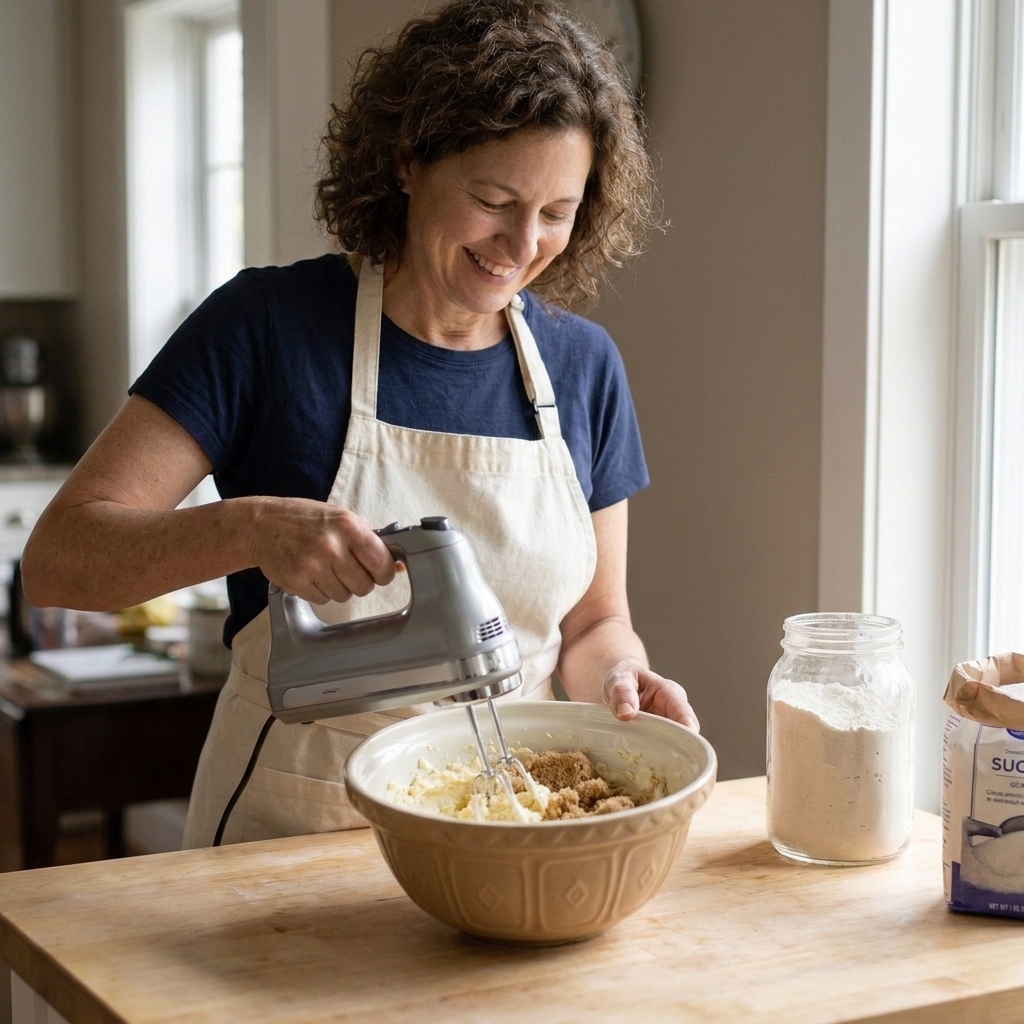
What shortening does
Vegetable shortening is essentially all fat and is solid at room temperature. Unlike butter, it has no milk solids and very little water. That sounds boring, but in cookie world it is actually a superpower for structure and softness.
Shortening’s strengths
- Less spread: Shortening holds its shape longer as the cookie sets, so dough balls stay taller.
- Softer texture: Because it is almost all fat and brings very little water, cookies often bake up softer and can stay that way longer. (Sugar choice, bake time, and storage matter here too.)
- Great for shapes: Cut-out cookies and piped cookies can keep edges cleaner when shortening is part of the fat.
Shortening’s quirks
- Milder flavor: Shortening is neutral. If you use all shortening, you will miss that “wow” buttery taste unless you boost vanilla, spices, or mix-ins.
- Less browning: With no milk solids, cookies can look paler unless you bake a little longer (which can dry them out) or use more brown sugar.
- Mouthfeel can read “waxy” if overdone: This is more likely when cookies are slightly underbaked and the fat is high.
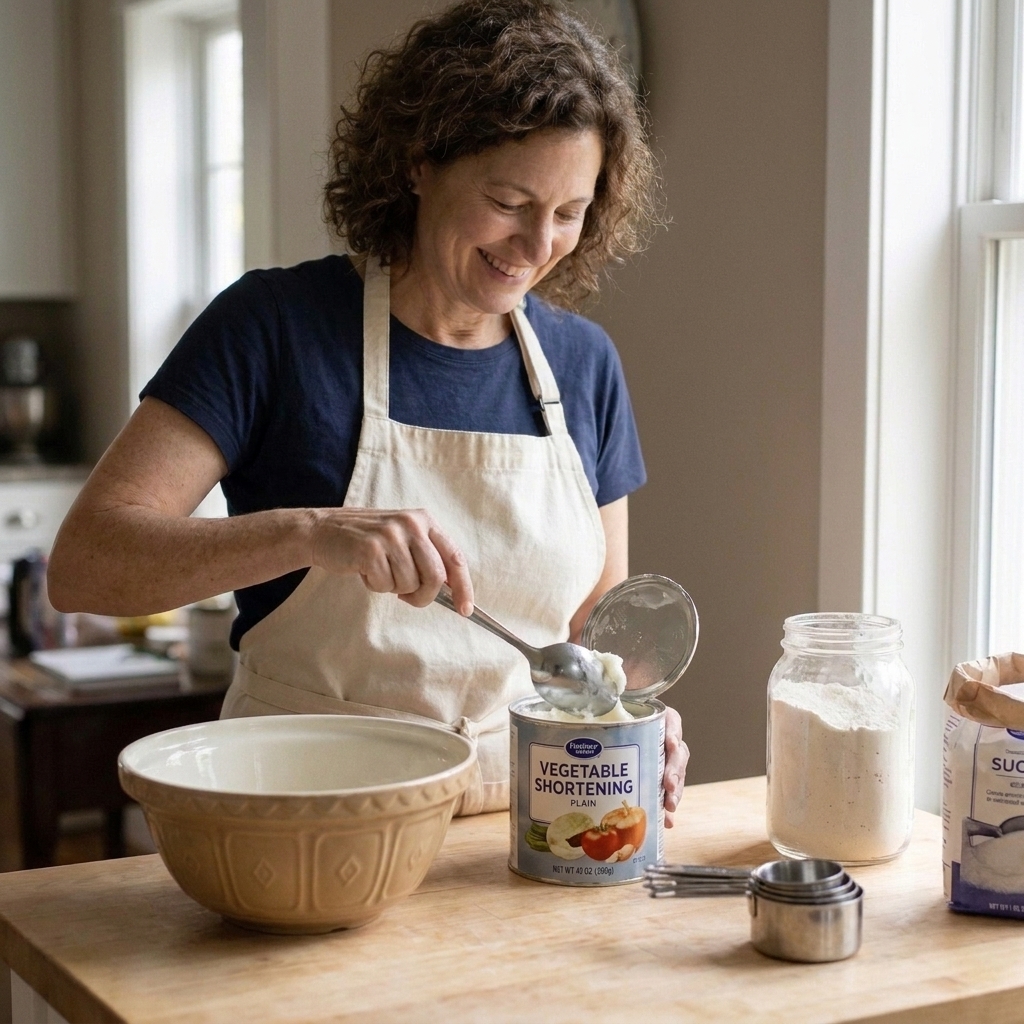
Butter vs. shortening
| Cookie trait | Butter | Shortening |
|---|---|---|
| Flavor | Rich, buttery, complex | Neutral, needs flavor help |
| Spread | More spread, especially if dough is warm | Less spread, more height |
| Edges | Crispier edges more likely | Softer edges more likely |
| Centers | Can be chewy-tender, depends on bake | Usually softer, more cake-leaning if flour is high |
| Browning | Browns more easily | Paler unless baked longer or adjusted |
| Keeping quality | May crisp up more by day 2 | Stays soft longer |
| Best for | Chocolate chip, toffee, crisp cookies, browned-butter styles | Soft cookies, cookies that need to hold shape, some holiday cut-outs |
Best picks by style
Chocolate chip cookies
If you love a classic cookie with real depth, all butter is the flavor winner. If you want them thicker and softer, do 75% butter + 25% shortening (for example, 6 tablespoons butter + 2 tablespoons shortening for a recipe that uses 8 tablespoons total fat).
Sugar cookies (drop)
For soft centers and minimal spread, I like a blend. All-butter drop sugar cookies can be dreamy, but they are more likely to puddle if your kitchen is warm.
Cut-out sugar cookies
Most cut-out recipes are built for butter because flavor matters and chilling does a lot of the heavy lifting. If your cut-outs routinely lose definition, swapping 1 to 2 tablespoons of the butter for shortening can help edges stay sharper without losing that classic taste.
Peanut butter cookies
Peanut butter already brings fat and flavor. You can go all butter for richness, or a blend for thicker cookies that stay soft. I rarely use all shortening here because it can mute the peanutty punch.
Snickerdoodles
For that soft, puffy center, shortening (or a blend) can be helpful. All-butter snickerdoodles are delicious, just expect a bit more spread unless you chill the dough.
Can you swap 1:1?
In many classic drop-cookie recipes, you can swap butter and shortening 1:1 by volume and still get a good cookie. You just will not get the exact same cookie.
Because butter is not 100% fat (it includes water and milk solids) and shortening is almost all fat, a full swap can shift spread and texture more than you expect. If you are swapping all of the fat in a recipe, you may need small tweaks, like a short chill, a tablespoon or two of flour, or a splash of liquid, depending on what you see.
- Swapping butter in for shortening: Expect more flavor and more spread. Chill the dough and consider reducing bake temperature slightly if your edges brown too fast.
- Swapping shortening in for butter: Expect less spread and a softer cookie with less browning. You may want a touch more salt or vanilla to keep flavor lively.
Important: Butter is commonly sold by tablespoons and sticks. Shortening is usually measured by tablespoons or by weight from a tub. If you have a kitchen scale, use it. It makes swaps cleaner and results more repeatable.
Temperature tips
Butter temperature
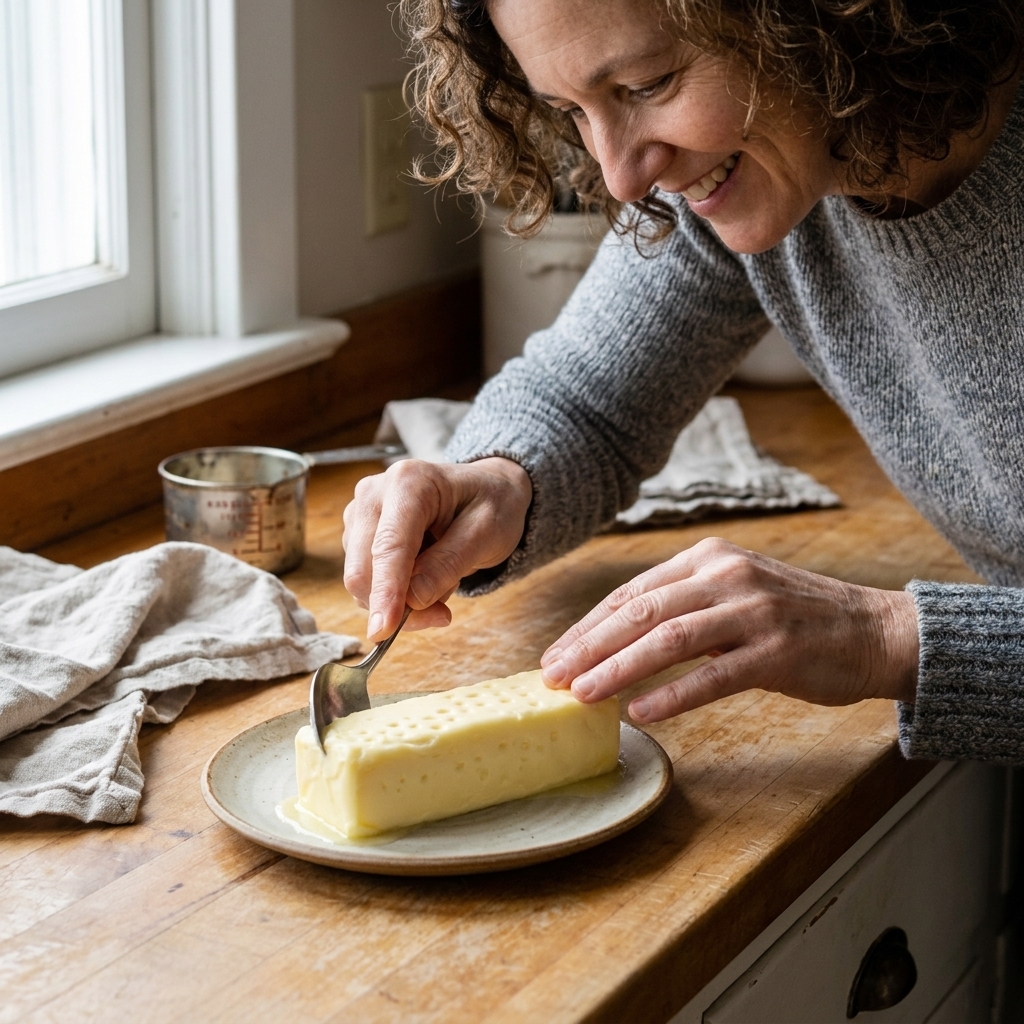
For most cookie recipes, you want butter that is softened but cool. If you press it with a finger, it should dent easily but not feel greasy or shiny. If it is melting around the edges, your dough will likely spread more than the recipe intends.
Shortening temperature
Shortening should be scoopable but still hold its shape. If it is overly warm and creamy, it can trap more air during creaming, and over-creaming can exaggerate cookies that puff up and then settle.
Dough chilling
If you are ever unsure, chill the dough. Even 30 to 60 minutes in the fridge can improve thickness and reduce spread, especially for butter-heavy doughs.

Other fats
Butter-flavored shortening
This can be a handy compromise for softness with a little extra aroma. I still prefer real butter for flavor, but butter-flavored shortening can help if you are baking for a crowd that loves super-soft cookies.
Margarine
Margarine varies widely in water content, and that makes cookie results unpredictable. Some brands can cause extra spread or a slightly oily texture. If you use margarine, choose stick-style (not tub) and expect to tweak chilling time.
Oil
Oil makes cookies tender, but it can lead to a denser, sometimes greasier cookie with less structure. Great in specific recipes designed for it, but I do not recommend swapping oil into a butter-based cookie without a tested formula.
Troubleshooting
If your cookies spread too much
- Chill dough 1 to 2 hours.
- Use cool baking sheets (do not scoop onto hot pans).
- Try swapping 2 tablespoons of butter for 2 tablespoons shortening.
- Check your butter temp. Too soft is the number one culprit.
If your cookies are too puffy or cakey
- Make sure you are not over-measuring flour.
- Consider using more butter and less shortening.
- Do not over-cream the fat and sugar for too long.
If your cookies taste bland
- Use butter or a butter-heavy blend.
- Increase salt slightly (even an extra 1/8 teaspoon can help).
- If you used salted butter, taste before you add extra salt. Salted butter varies by brand, so it can swing your final flavor more than you think.
- Add vanilla, brown sugar, or toasted mix-ins for depth.
If your cookies are pale
- Use more butter, or swap part of the sugar to brown sugar.
- Remember that brown sugar also helps cookies stay chewier and softer because it holds onto moisture.
- Bake a minute or two longer, but watch for drying.
- Make sure your oven is fully preheated and accurate.
My go-to blend
If a recipe calls for 1/2 cup fat (that is 8 tablespoons), my sweet spot for many classic cookies is:
- 6 tablespoons unsalted butter
- 2 tablespoons shortening
You get butter flavor and browning, plus a little extra lift and softness. It is not a magic trick for every cookie, but it is a reliable starting point when you are aiming for thick, chewy, not-too-spready classics.
FAQ
Does shortening make cookies softer?
Often, yes. Shortening tends to produce a softer bite and cookies that stay soft longer because it is almost all fat and brings very little water into the dough. Sugar type, bake time, and storage still play a big role.
Why do butter cookies spread more?
Butter melts quickly, and it contains water. As the cookie heats, butter liquefies sooner and the dough can relax and spread before the structure sets.
Is butter always better for flavor?
For classic “bakery cookie” flavor, butter is hard to beat. Shortening is neutral, so if you use it, you usually rely more on vanilla, spices, brown sugar, and mix-ins for personality.
Can I use half butter and half shortening?
Absolutely. A 50/50 blend makes thicker cookies than all-butter and tastes richer than all-shortening. If you want my default, start with 75% butter and 25% shortening.
What is best for decorating cut-out cookies?
Butter-based cut-outs that are well-chilled usually work beautifully. If your shapes keep spreading or edges look fuzzy, a small swap of butter for shortening can help hold definition.
The bottom line
Butter brings flavor and browning. Shortening brings structure and softness. If you are chasing crisp edges and that classic buttery bite, choose butter and manage temperature. If you need a thicker cookie that stays soft and holds its shape, choose shortening or a blend. And if you are feeling stuck, start with 75% butter and 25% shortening. That combo has saved more than one cookie exchange tray in my kitchen.