If you have ever pulled a tray of chocolate chip cookies from the oven and thought, “Why are these crisp, cakey, flat, or weirdly dry when I wanted chewy?”, you are in the right kitchen. Chewy cookies are not an accident. They are a very repeatable combo of moisture, sugar type, flour protein, mixing method, chilling time, and a smart bake that sets the edges while the centers stay a little underdone.
I have tested chocolate chip cookies more times than I can count, usually with flour on my sleeves and a very willing group of neighbors waiting for “the rejects.” What I have learned is that chewy cookies come from a few non-negotiables. Once you understand them, you can tweak your cookie to be more thick, more gooey, more crisp-edged, or more loaded with chocolate without sacrificing that bendy, soft chew.
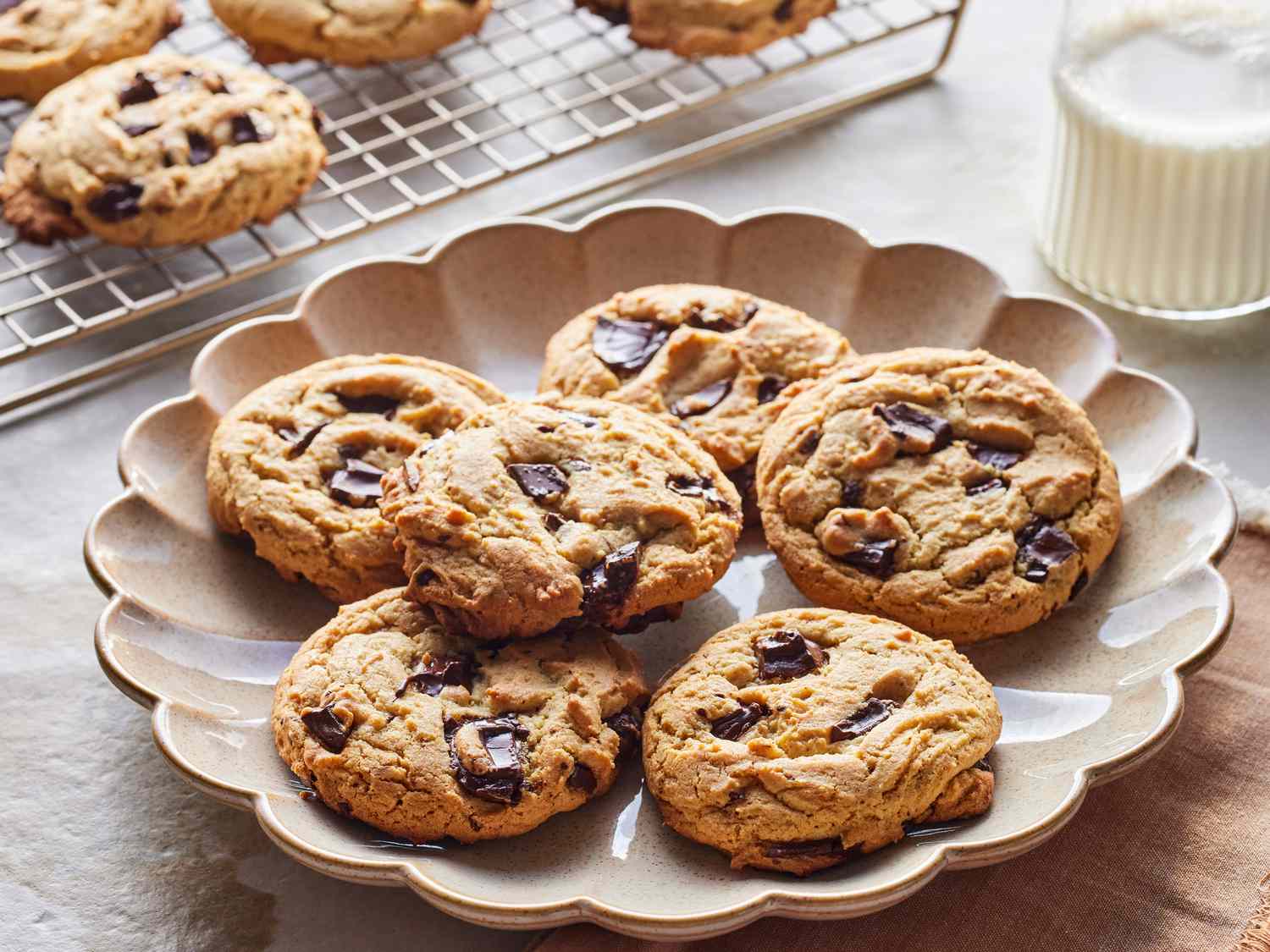
What “chewy” means
When bakers say “chewy,” we usually mean:
- Edges that are set and lightly crisp
- Centers that bend instead of snapping
- A moist interior that stays soft for days
- Not cakey, meaning no breadlike crumb
Chewiness comes from moisture retention and gluten structure in balance. Too little structure and the cookie spreads thin and fries into crisp. Too much structure and it turns bready.
The ingredient science
Let’s break down the big players. You do not need a chemistry degree, just a few reliable rules.
Butter: flavor, spread, and texture
Butter gives you that classic flavor, but it also controls spread. For chewy cookies, the sweet spot is usually room-temperature butter, not melted.
- Room-temperature butter traps air when creamed with sugar, giving lift and a tender chew.
- Melted butter almost always increases spread. It can also make cookies feel denser and fudgier, which some people read as “chewier,” but it is less consistent unless you chill the dough and measure flour carefully.
If you love extra chew and a hint of toffee flavor, you can use cooled browned butter, but it is less forgiving. If you want a more predictable dough, either weigh your butter before and after browning and replace the lost water, or use this practical guideline: for every 1/2 cup (113 g) butter you brown, add about 1 tablespoon water back once the butter has cooled to warm (not hot). It is not exact, but it gets you close.
Sugar: the chewy cookie MVP
If I could pick only one lever to pull for chewiness, it is sugar balance.
- Brown sugar contains molasses, which is hygroscopic, meaning it attracts and holds moisture. More brown sugar generally equals more chew.
- Granulated sugar helps cookies spread and crisp at the edges.
For a reliably chewy cookie, a great starting point is more brown sugar than white sugar, like a 2:1 ratio. Dark brown sugar will push the cookie even chewier and slightly deeper in flavor.
Eggs: moisture and structure
Eggs do two things: add water and protein. More protein can mean more structure, and more structure can mean more chew, up to a point.
- One whole egg is standard.
- An extra yolk boosts chewiness and richness because yolks add fat and emulsifiers with less water than egg whites.
If your cookies keep turning cakey, do not add extra whole eggs. Add a yolk instead.
Flour: protein level matters
Flour creates the framework.
- All-purpose flour is the go-to for chewy cookies.
- Bread flour has higher protein, which can add extra chew, but it can also make cookies a little tougher if overmixed.
A fun, very effective option is a blend: half all-purpose, half bread flour for a slightly sturdier chew without turning into a dinner roll.
Leavening: baking soda vs baking powder
- Baking soda encourages spread and browning. It also raises pH, which helps with that classic cookie flavor and color.
- Baking powder gives more lift and can push cookies toward cakey if used heavily.
For chewy chocolate chip cookies, baking soda is usually the main leavener. A tiny pinch of baking powder can be helpful if you want a touch more thickness, but it is not required.
Salt and vanilla: highly recommended
Salt makes chocolate taste more chocolatey, and it prevents “flat sweetness.” Vanilla rounds everything out. If your cookies taste “fine” but not amazing, it is often a salt issue, not a chocolate issue.
Chocolate: chips, chunks, and texture
Chocolate changes how a cookie eats, and it can nudge spread depending on how much you add and how big the pieces are. More chocolate can mean a slightly thicker, heavier dough, while large chopped pieces create molten pockets that read as softer.
- Chopped chocolate makes bigger melt pools and gooey pockets, which often feels extra chewy and soft.
- Chips hold their shape and can make the crumb feel a bit firmer.
My favorite chewy texture comes from using both: chips for structure and chunks for melt.
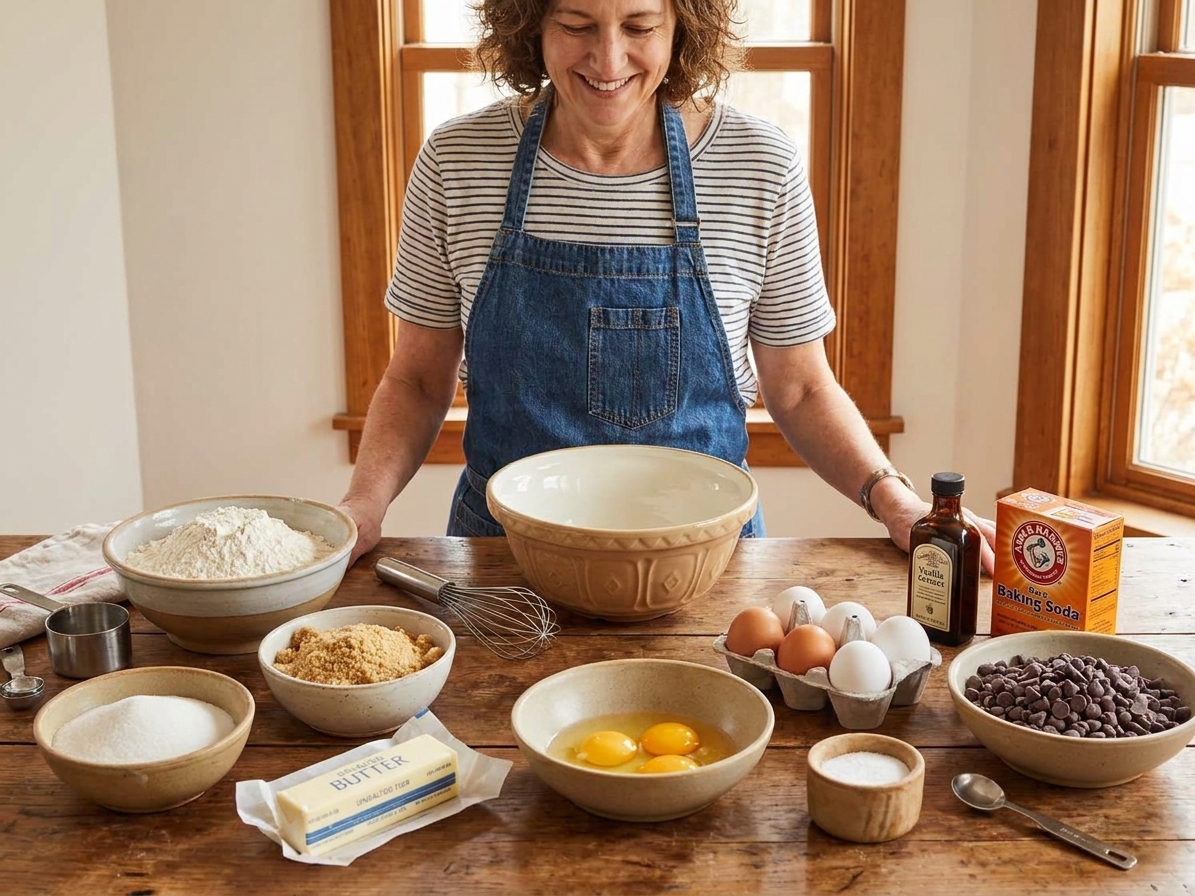
Ratio targets
Every recipe is a little different, but these targets will steer you toward chewiness without getting cakey or dry.
| Cookie goal | What to increase | What to watch |
|---|---|---|
| Chewier, softer centers | Brown sugar, extra yolk | Too much can make cookies look darker and spread more |
| Thicker chewy cookies | Chilling time, slightly more flour, taller scoops | Overmeasuring flour turns cookies dry and stiff |
| Less spread | Cooler dough, cooler baking sheets | Very cold dough plus a flour-heavy dough can limit spread and bake up thicker and drier |
| More crisp edges, still chewy | Granulated sugar, slightly higher bake temp | Too hot and you lose chew in the center |
One big tip from my own kitchen: weigh your flour if you can. A “cup” can vary wildly depending on how you scoop, and flour is often the difference between chewy and dry.
Mixing method
Chewy cookies love a gentle hand after the flour goes in. The goal is enough mixing to combine, not enough to build a ton of gluten.
Creaming butter and sugars
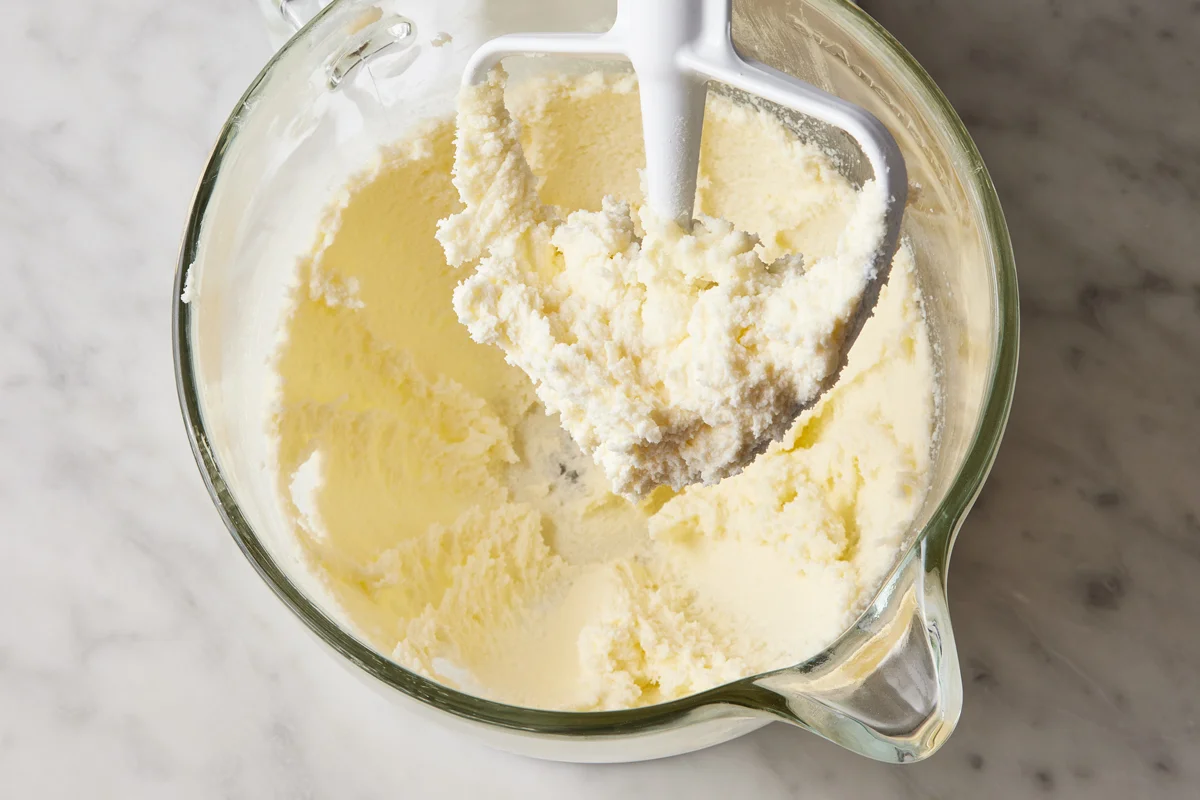
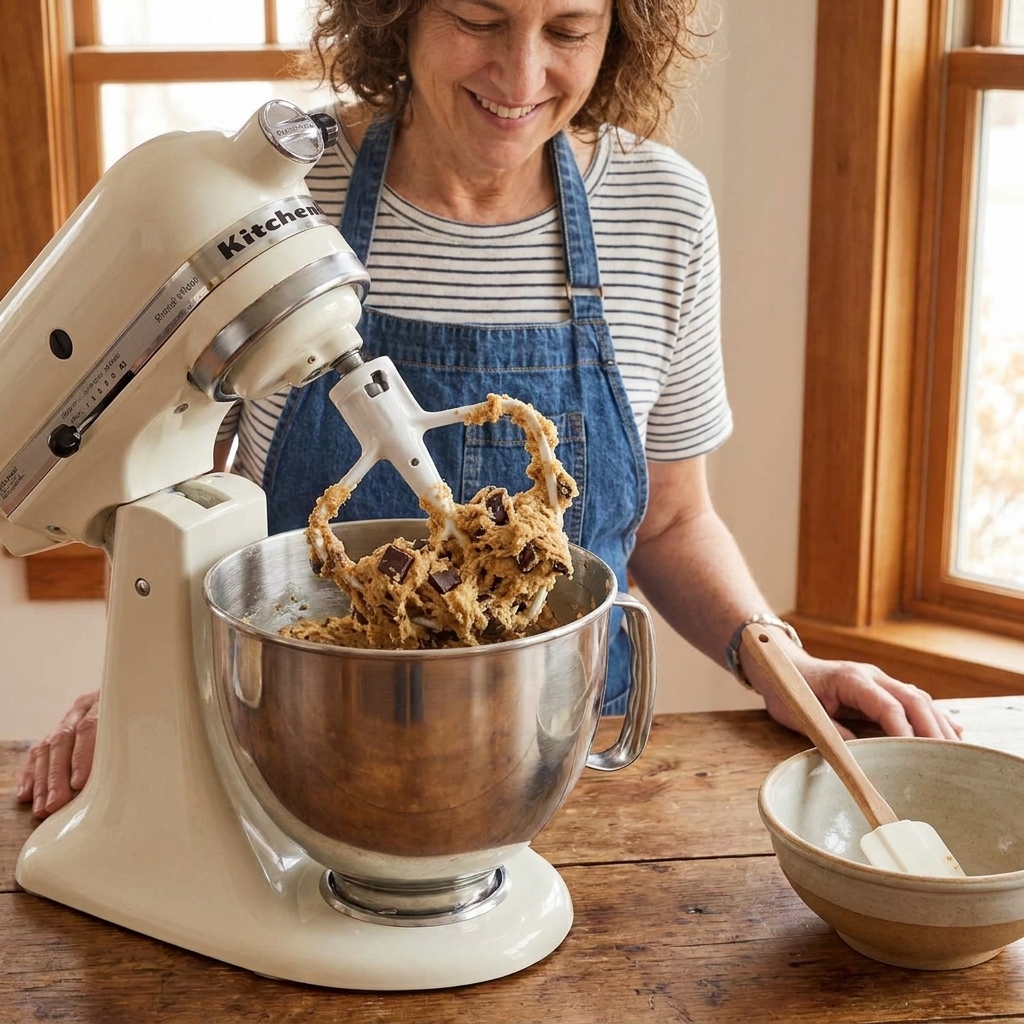
Creaming does two things: dissolves some sugar and traps air. For chewy cookies, cream until the mixture looks fluffy and slightly lighter, about 2 to 3 minutes with a mixer.
- If you undercream, cookies can spread and feel greasy.
- If you overcream, you can get too much lift and a puffier cookie that bakes up more cakey.
Adding eggs and vanilla
Add eggs one at a time and mix just until incorporated. Scrape your bowl. If you see streaks of butter, keep mixing a few seconds. If you mix for a full minute after the egg is in, you are just adding unnecessary aeration.
When flour goes in, slow down
Once you add flour, mix on low and stop the second you do not see dry pockets. Then fold in chocolate by hand if you can. This keeps the cookie tender and chewy.
Chilling dough
If you only change one habit, chill your dough. Chilling does three magical things:
- Solidifies the fat, slowing spread
- Hydrates the flour, improving texture and chew
- Deepens flavor as ingredients meld
Minimum: 1 hour. Best: 12 to 24 hours. If you have ever had a cookie that tasted “bakery-style,” long chill time is one big reason.
How to chill without a brick of dough
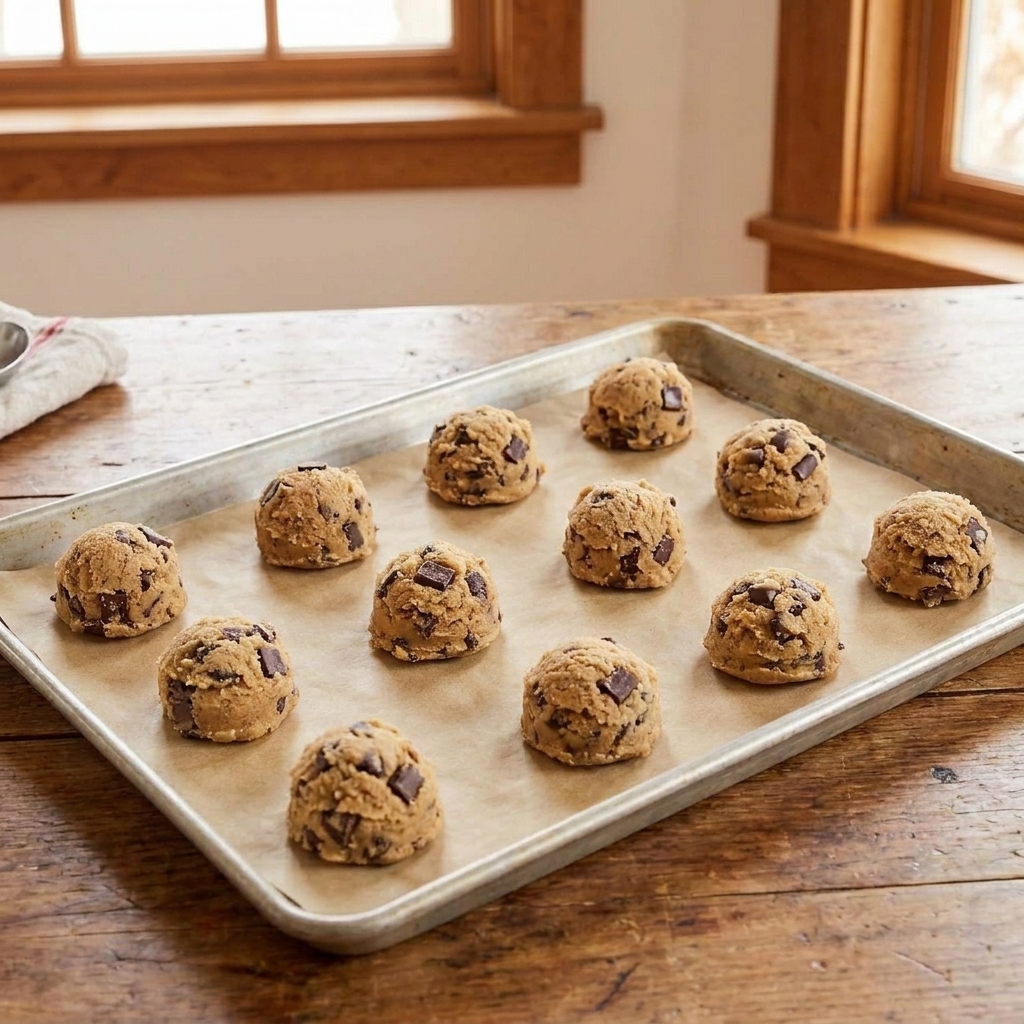
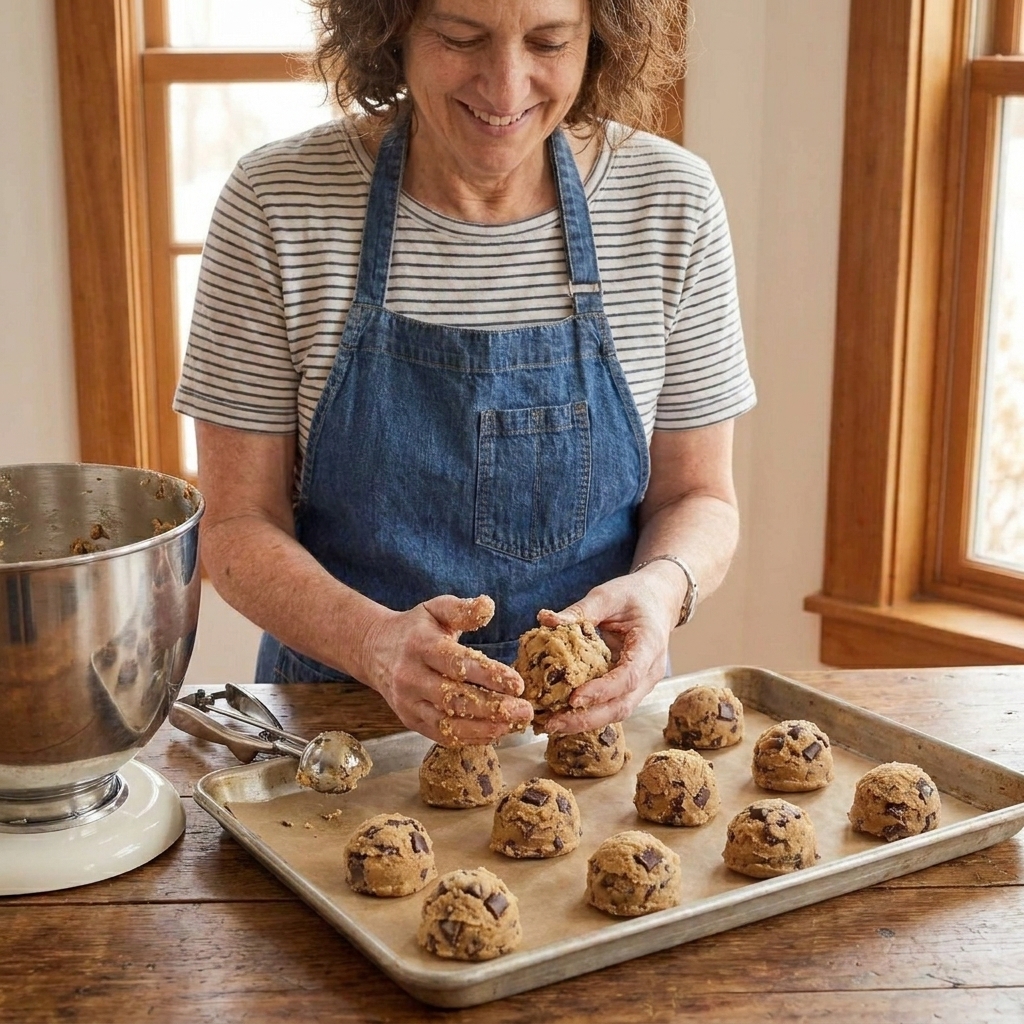
Scoop the dough into balls first, then chill on a parchment-lined tray. Once firm, transfer to a covered container or zip-top bag. This makes baking a few at a time easy, too.
If your dough has been chilled overnight and feels rock-hard, let the scooped portions sit at room temperature for 5 to 10 minutes while the oven preheats. You want cold dough, not un-scoopable dough.
Oven temp and timing
Chewy cookies need a bake that sets structure without drying the middle.
The temperature sweet spot
Most chewy chocolate chip cookies do beautifully at 350°F to 375°F (175°C to 190°C).
- 350°F gives a more even bake and slightly softer overall cookie.
- 375°F sets edges faster, helping keep the center thick and chewy, but timing is tighter.
If your cookies spread too much, try bumping up to 365°F to 375°F and make sure your dough is cold.
How to tell when cookies are done
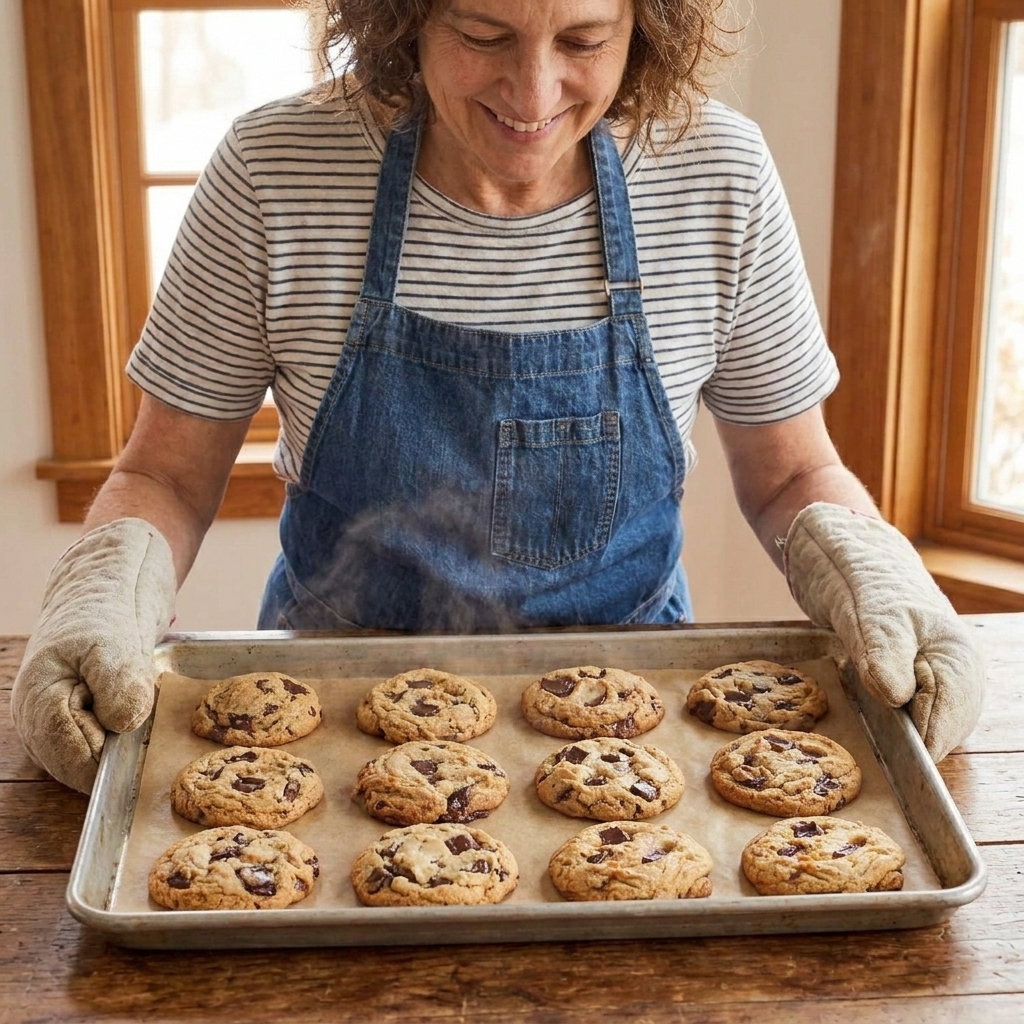
This is the moment most people overbake. For chewy cookies, pull them when:
- The edges look set and lightly golden
- The centers look slightly underdone and glossy
- The cookie still looks a little puffy
They will finish baking from carryover heat on the hot pan.
Use an oven thermometer
I know, I know. But if your oven runs hot by 25°F, you can turn a perfect chewy cookie into a crisp cookie in minutes. An inexpensive oven thermometer takes the guesswork out.
Size, scooping, and pans
Shape and setup matter more than people think.
Use a scoop for consistency
A medium cookie scoop (about 1.5 tablespoons) gives cookies that bake evenly. For bakery-style chewy cookies, go larger, like 3 tablespoons, and add 1 to 2 minutes to bake time.
Tall dough mounds bake thicker
Instead of rolling perfectly smooth balls, try making your dough portions a little taller than they are wide. That little “dome” encourages thickness and chew.
Cool your baking sheets
Putting dough on a warm pan equals instant spread. Rotate pans, or run the back of the pan under cool water and dry it before reusing.
Parchment vs silicone mats
- Parchment tends to brown more consistently and is my most reliable choice for chewy cookies with crisp edges.
- Silicone mats often insulate the dough, which can mean less browning. Spread can vary based on the mat and your pan, so if you switch to silicone and notice thicker or flatter cookies, adjust using a quick test batch.
If you are chasing a specific result, bake a few cookies on parchment and a few on your mat and compare. It is the fastest way to learn how your setup behaves.
Go-to chewy cookie blueprint
When I am testing a new variation, this is the general blueprint I start from, then adjust based on mix-ins and desired thickness:
- Butter: room-temperature
- Sugar: more brown than white
- Egg: 1 whole egg plus 1 yolk for extra chew
- Flour: all-purpose, or a blend with bread flour for extra chew
- Leavening: baking soda focused
- Chill: at least 1 hour, ideally overnight
- Bake: pull when centers still look slightly underdone
If you want a concrete starting point for a typical batch, here is a solid, chewy-leaning baseline to build from: about 2 1/4 cups (270 g) flour, 1 cup packed (200 g) brown sugar, 1/2 cup (100 g) granulated sugar, 1 egg plus 1 yolk, and 1 cup to 1 1/2 cups chocolate. From there, you can tweak thickness with chilling time and scoop shape.
If you love a super-gooey center, add more chopped chocolate and slightly underbake. If you love a thicker chewy cookie, chill longer and keep the dough tall.
Troubleshooting
Let’s fix the most common issues fast.
Problem: cookies spread too much
- Chill the dough longer
- Make sure butter was not melted or overly soft
- Check your baking soda amount and freshness
- Use a cool baking sheet
- Consider adding 1 to 3 tablespoons more flour, but measure carefully
Problem: cookies are cakey
- Use more brown sugar and less white sugar
- Skip baking powder or reduce it
- Do not overcream
- Do not add extra whole eggs, use an extra yolk instead
- Be careful with flour, especially if you are scooping from the bag
Problem: cookies are dry
- Reduce bake time by 1 to 2 minutes
- Confirm your oven temp with a thermometer
- Measure flour by weight if possible
- Use dark brown sugar for more moisture retention
Problem: cookies are greasy
- Butter may have been too warm
- Dough may need chilling
- Too little flour can cause greasy spread, re-check your measuring method
Problem: cookies are pale and bland
- Add a bit more salt or use flaky salt on top
- Try dark brown sugar
- Use an uncoated aluminum sheet pan for more even browning, or a darker pan if you want faster browning (watch the timing)
- Use real vanilla extract, not imitation, if you can
Chewy upgrades
Once your base cookie is reliably chewy, you can play.
For even chewier texture
- Add 1 extra egg yolk
- Swap some all-purpose flour for bread flour
- Use all dark brown sugar (expect deeper flavor and darker color)
For crispier edges without losing the chew
- Add 1 to 2 tablespoons more granulated sugar
- Bake at 365°F to 375°F and pull them early
- Use parchment on a light-colored aluminum pan for even browning
For thicker, bakery-style cookies
- Chill overnight
- Use larger scoops and keep dough portions tall
- Press a few chocolate pieces on top right before baking for that classic look
Storage and make-ahead
Chewy cookies are all about moisture. Store them in a way that protects it.
Storing baked cookies
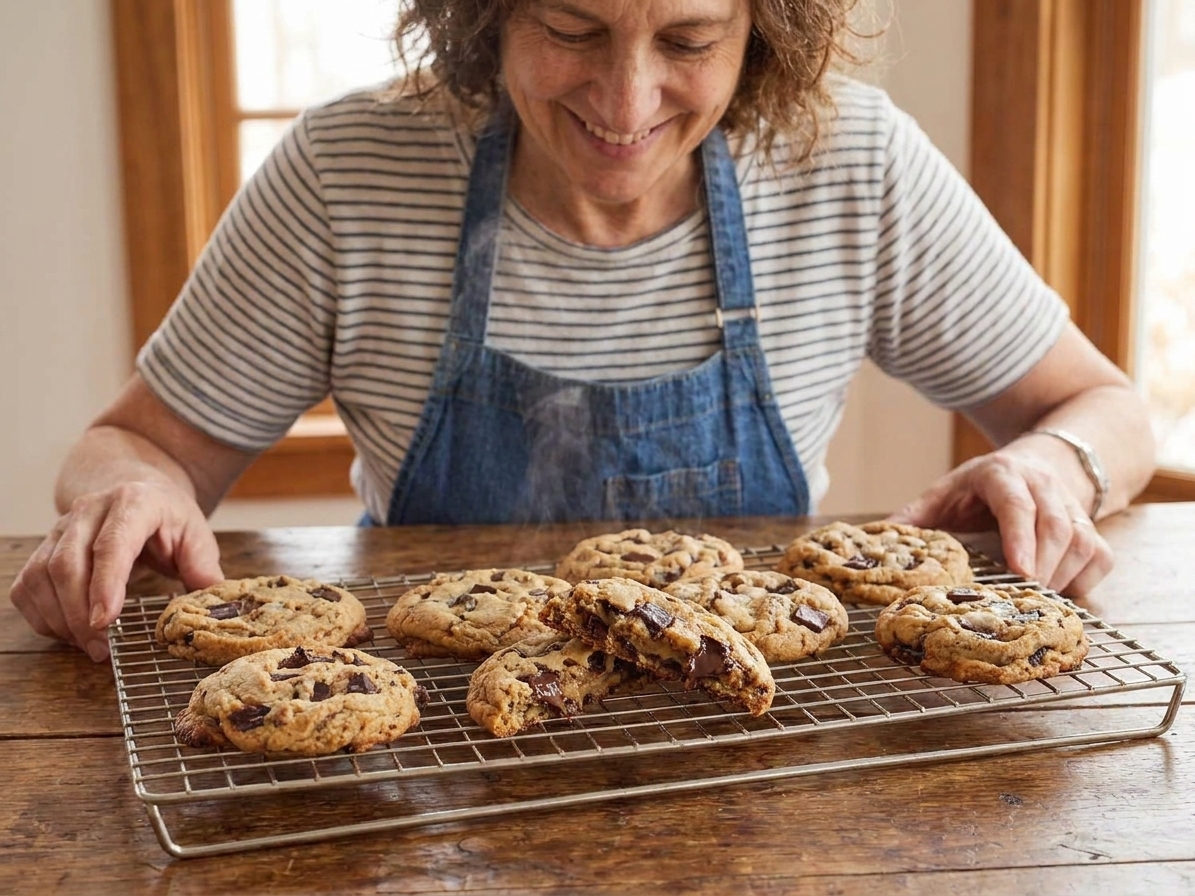
- Cool completely
- Store airtight at room temperature
- Add a small piece of sandwich bread to the container to help maintain softness for a few days
Freezing cookie dough
Scoop dough into balls, freeze on a baking sheet until firm, then store in a freezer bag. Bake from frozen by adding about 1 to 2 minutes to the bake time. This is my favorite way to have “fresh baked” chewy cookies on demand.
Freezing baked cookies
Freeze in an airtight container with parchment between layers. Thaw at room temperature. For that just-baked vibe, warm for a few minutes in a 300°F oven.
FAQ
What makes chocolate chip cookies chewy instead of crunchy?
Chewy cookies come from higher moisture retention (more brown sugar, often an extra yolk), enough structure to bend (flour protein), and pulling them from the oven when the centers are still slightly underdone.
Is it better to use melted butter for chewy cookies?
Melted butter will usually make cookies spread more and bake up flatter. It can also make the texture feel denser and fudgier, which some people love. For consistent chewy results, I recommend room-temperature butter plus chilling the dough.
Why did my cookies turn out cakey?
Common causes are too much flour, too much baking powder, overmixing, or using extra whole eggs. Shift your sugar balance toward brown sugar and try adding a yolk instead of another full egg.
How do I keep cookies chewy after baking?
Do not overbake, store airtight once fully cooled, and keep them at room temperature. If they start to dry out, a piece of bread in the container can help maintain softness.
What is the best oven temperature for chewy cookies?
Most chewy cookies bake well at 350°F. If you want thicker cookies with set edges and softer centers, 365°F to 375°F can be fantastic, as long as you watch them closely and pull them early.
My last little pep talk
If you want one takeaway from this guide, let it be this: chewy cookies are made by intention, not luck. Measure flour carefully, favor brown sugar, chill your dough, and pull the tray when the centers still look a little underdone. Do that, and you will get the kind of chocolate chip cookie that bends in half, stays soft for days, and disappears from the cooling rack faster than you can say “just one more.”