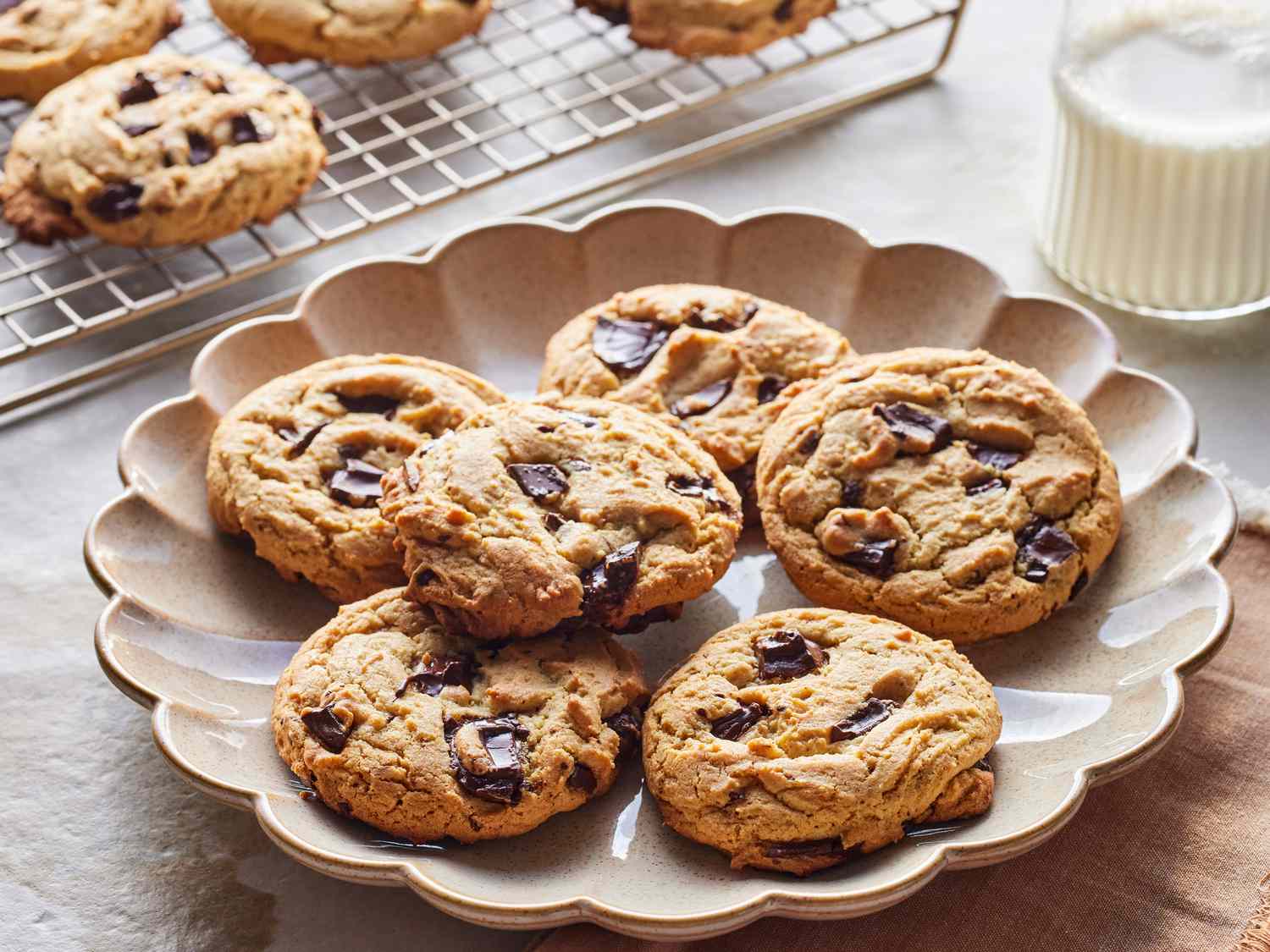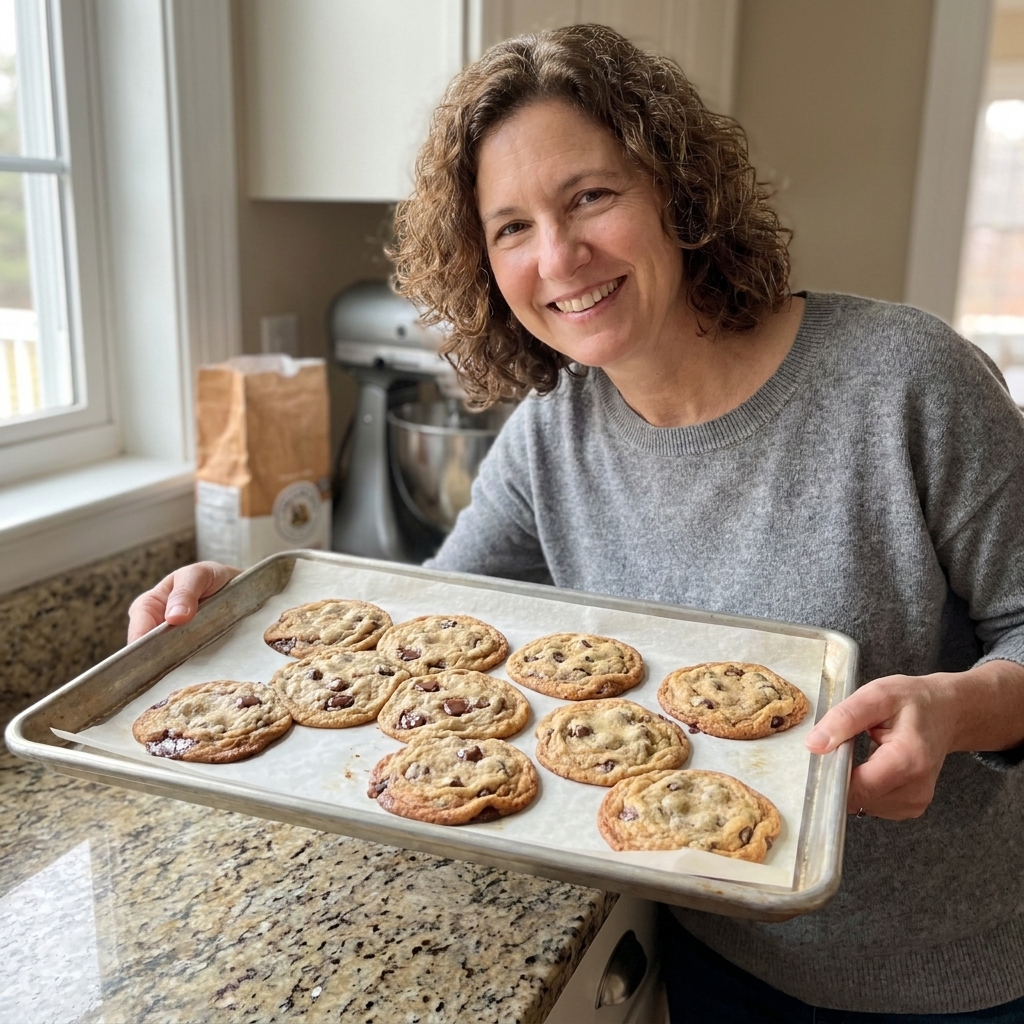
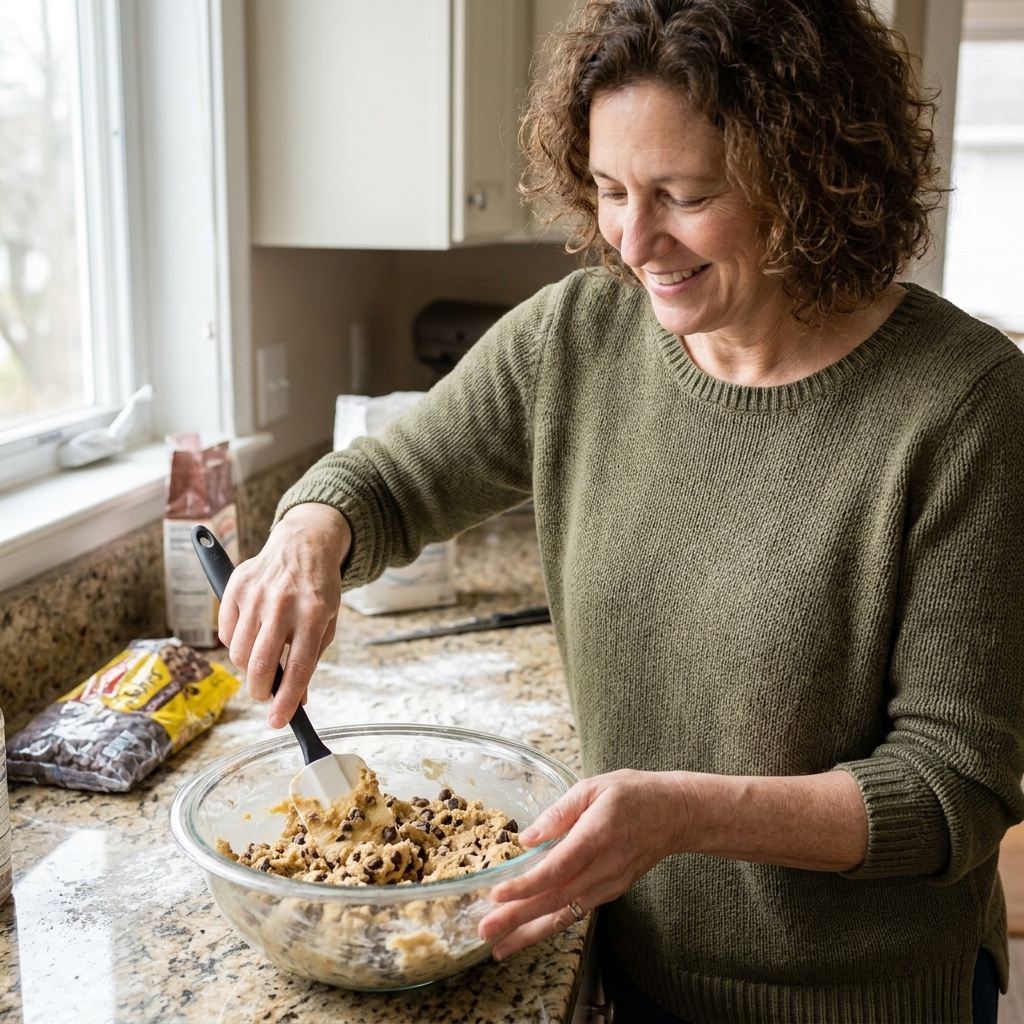
There are a few baking habits that feel almost too simple to matter, and chilling cookie dough is one of them. You mix, you cover, you wait. Yet that wait is doing real work for you. Not just “making it less sticky,” but improving flavor, shifting how the dough holds onto moisture, and setting you up for the texture you actually want: thicker cookies, chewier centers, crispier edges, and that bakery-style caramelized depth.
I started taking dough resting seriously after years of neighborhood cookie exchanges where I would bake the same dough two ways: half right away, half the next day. The difference was not subtle. The rested dough tasted rounder and more butterscotchy, browned more evenly, and baked up with better structure.
Let’s get into what is happening in your bowl and why rest times from 1 to 72 hours can change your final cookie or bar.
What “resting” means
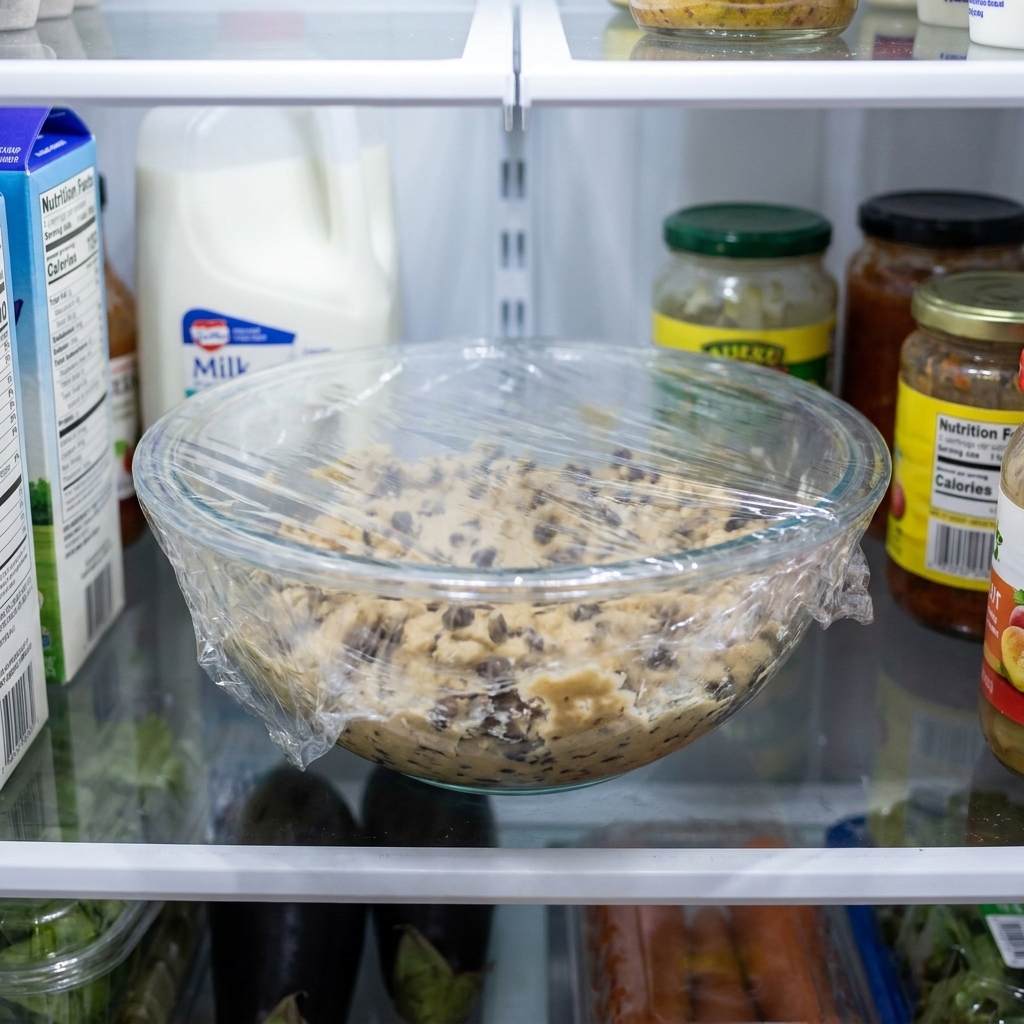
When we say “rest the dough,” we usually mean covered and chilled in the refrigerator. This matters because the cold slows a lot of activity, but it does not freeze your dough in time.
In cookie and bar doughs, resting is mainly about:
- Hydration: flour absorbing water and redistributing moisture
- Sugar dissolving: shifting spread, chew, and browning (depending on the recipe)
- Enzymes: flour enzymes that can create a small boost in browning and complexity over time
- Fat firming: butter re-solidifying for more controlled spread
Hydration
Flour does not fully hydrate the moment you stop mixing. Even in a dough that looks “done,” moisture is still moving and being absorbed.
How hydration changes texture
Over time, flour particles absorb moisture more evenly, which affects:
- Thickness: a better-hydrated dough often spreads less because it holds together more cohesively.
- Chew: hydrated flour helps create a texture that is chewy rather than sandy or crumbly.
- Crinkles: in some cookies and bars, more even hydration leads to a more predictable surface as the top sets in the oven.
This is one reason dough that felt sticky the night before can feel surprisingly manageable the next day. The flour has had time to drink up moisture that was previously “free” in the dough.
A practical tip from my kitchen
If your dough seems loose right after mixing, do not panic and dump in extra flour right away. Give it 30 to 60 minutes covered in the fridge first, then reassess. A lot of “too soft” dough fixes itself with a short rest.
Enzymes and flavor
Flour naturally contains enzymes, especially amylase, which can break some starch into smaller sugars over time. In plain English: a rested dough may become a little better at browning and tasting more complex.
A key nuance: in a typical cookie dough held cold, this effect is usually subtle and can vary a lot depending on flour type (including whether it is malted), dough pH, and how cold your fridge runs. In most kitchens, hydration and fat firming do the heavy lifting, and enzymes are the quiet background note.
What it can do in practice
- More depth: a gentle shift toward caramel, toffee, or “toasty” notes once baked.
- Better browning: more simple sugars available for browning reactions.
- Rounder sweetness: flavors can taste more blended instead of sharply “sugary.”
Sugar dissolving
Sugar does more than sweeten. During a rest, sugar continues to dissolve into the dough’s available water, which can change how the cookie bakes. The exact result depends on your formula: flour type, sugar ratios, and how much moisture is in play.
How it can show up in the bake
- Chew: more dissolved sugar can create a slightly more syrupy matrix as the cookie heats, which often reads as chewier.
- Spread: resting can reduce spread when the dough firms and hydrates, but in some recipes increased sugar dissolution can also encourage spread. It is a balancing act.
- Browning: dissolved sugars participate readily once heat hits, often helping color develop more evenly.
- Surface finish: many bakers notice a smoother, glossier look with rested dough, though this is also strongly tied to sugar type and overall sugar level.
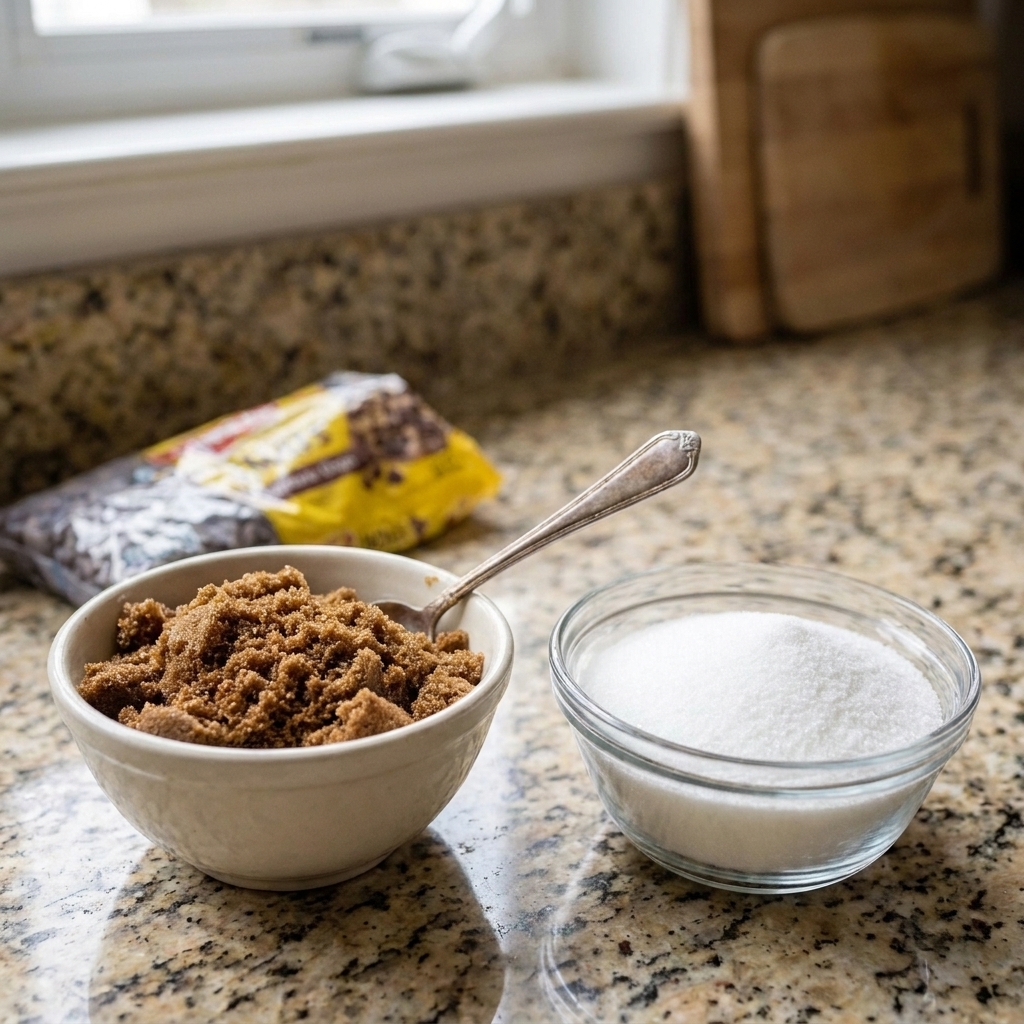
Important nuance: sugar type matters. Brown sugar is more hygroscopic than white sugar, so a dough heavy in brown sugar often shows a bigger “next day” shift.
Butter firming
This is the part most of us learn first: cold butter spreads more slowly in the oven. When dough goes in cold, the butter takes longer to melt, which gives the cookie time to set some structure before it pancakes outward.
What you get from firmer butter
- Thicker cookies with a better rise
- Defined edges instead of lacy, fragile spread
- More controlled baking for cut-out styles and slice-and-bake cookies
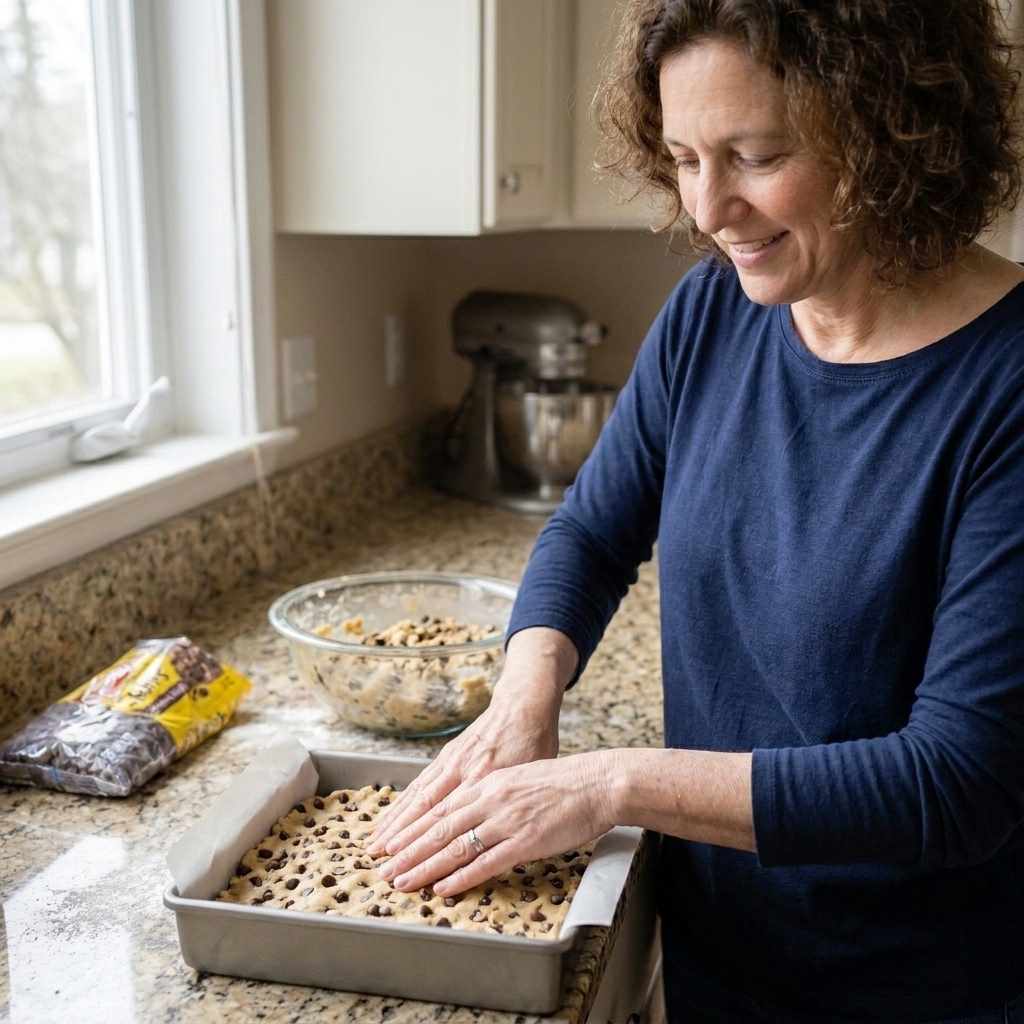
For bar cookies, chilling can also help you press dough evenly into the pan without it smearing or sticking everywhere.
Chill timeline
Not every dough needs a three-day vacation. Here is what you can realistically expect as time passes, with the reminder that results will vary by recipe (especially flour protein, brown sugar percentage, mix-ins, and starting butter temperature).
After 1 hour
- Dough firms up and becomes easier to scoop
- Butter is colder, so spread is often more controlled
- Early hydration starts, especially in wetter doughs
Best for: weeknight drop cookies when you want a quick improvement without planning ahead.
After 4 to 6 hours
- Hydration becomes more noticeable
- Flavor starts to round out
- Cookies often bake thicker and more evenly
Best for: most chocolate chip cookies, peanut butter cookies, and blondie-style cookie bars.
After 24 hours
- A clear flavor boost in many butter and brown sugar doughs
- Often better browning and a more caramelized finish
- Texture frequently shifts toward chewier centers with crisper edges
Best for: “bakery-style” cookies, oatmeal cookies, brown butter doughs, and anything you want to taste extra rich.
After 48 hours
- More flavor development for many classic drop-cookie doughs
- Dough is stable, easy to portion, and consistent to bake
Best for: big cookies, thick cookie bars, or doughs with lots of mix-ins that you want suspended evenly.
After 72 hours
- For many classic chocolate chip-style doughs, you are often near the upper end of flavor and browning development
- Some doughs darken slightly (normal with brown sugar)
- Texture can become more uniform and deeply chewy
Best for: sturdy drop cookies that you want extra depth.
A caution: 72 hours is not automatically “better” for every recipe. Extended holds can increase the risk of drying out, picking up fridge odors, or dulling leavener performance in some formulas. If you start to notice a stale edge to the flavor or cookies baking up too thick, scale back to 24 to 48 hours.
Bars and rest time
Bar cookies are a little different because they bake as one thick slab instead of individual portions. Resting still helps, but the benefits show up in slightly different ways.
What I notice most
- Cleaner layers: if you are doing a crust plus topping situation, chilled dough presses into the pan with less tearing.
- Less greasy edges: firmer fat melts more predictably, which can reduce that over-buttered rim.
- More even bake: hydrated flour and dissolved sugars can help the center bake up tender without the edges overcooking as quickly.
Chilling without drying
A long rest only works if the dough stays protected. Dough that dries on the surface can bake up with crusty bits, and dough that absorbs fridge smells can taste like last night’s garlic.
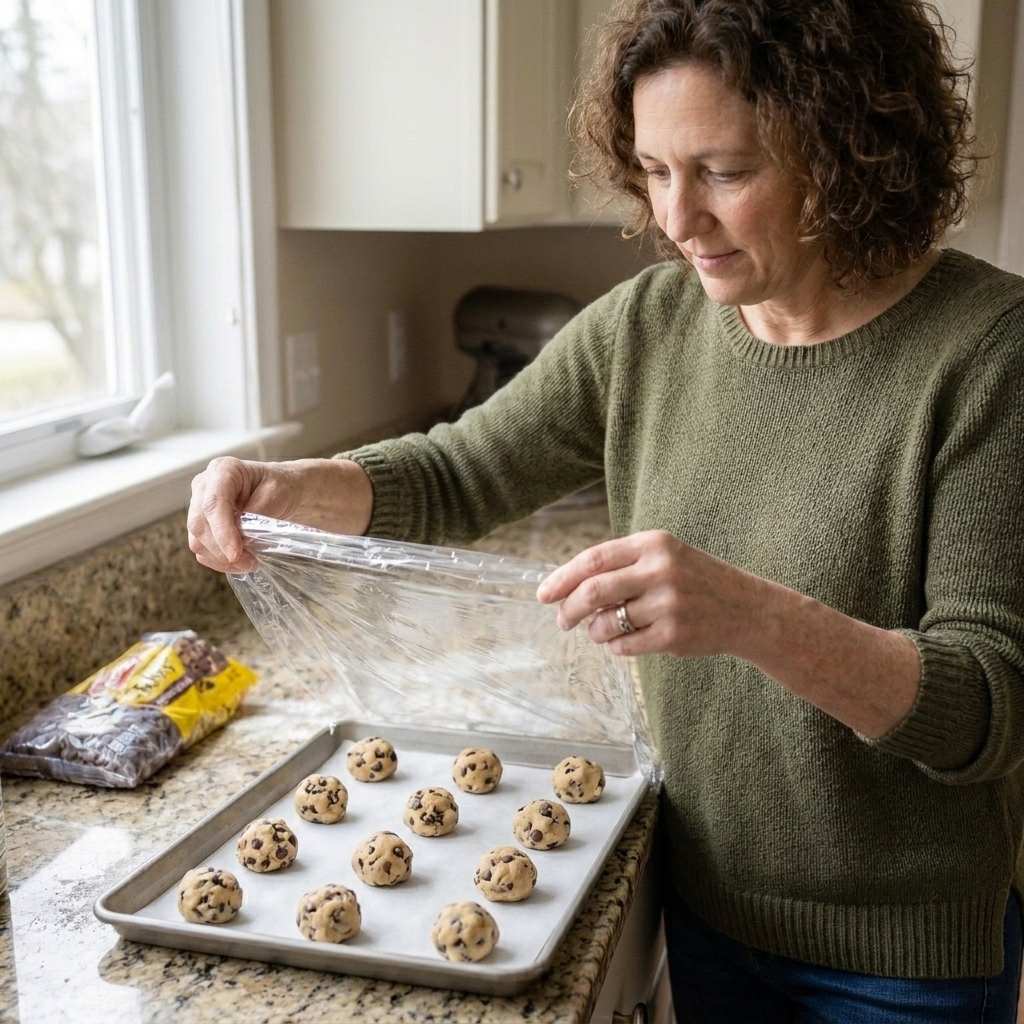
- Cover airtight: press plastic wrap directly onto the dough surface, then cover the bowl, or use an airtight container. For longer rests, I prefer a container (or wrap plus a container) for odor control.
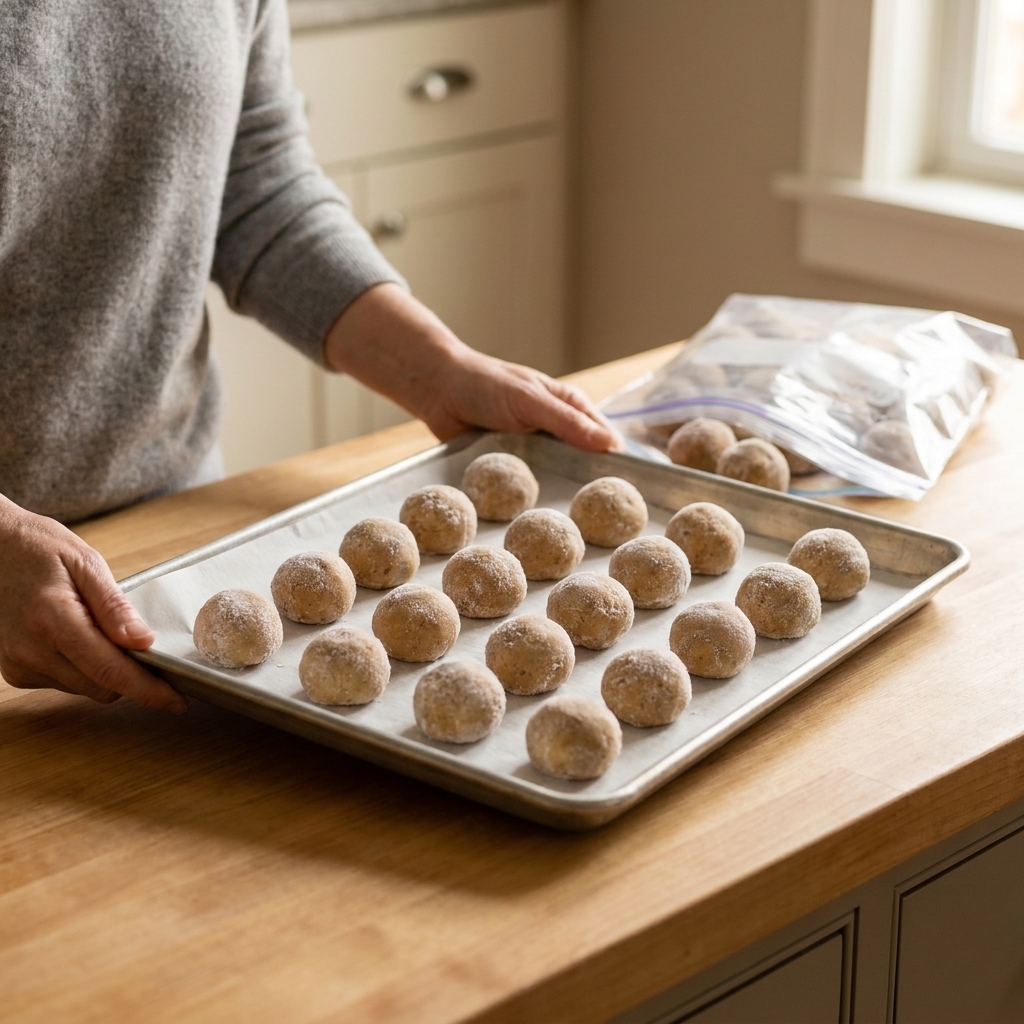
- Portion first if you can: scooping dough balls before chilling is my favorite move. They chill faster and bake more evenly.
- Label the container: date it so you know when you hit that sweet spot.
- Let it soften slightly: if the dough is rock hard after a long chill, let it sit at room temperature 10 to 20 minutes so you can scoop without a fight.
Storage and safety
For doughs with eggs and dairy, keep the refrigerator at 40°F/4°C or colder and store dough well-covered. As a general rule, plan to bake refrigerated dough within 2 to 3 days, or freeze it for longer storage.
If you want the best of both worlds, my go-to routine is: chill for flavor (12 to 24 hours), then freeze portioned dough balls.
Frozen dough balls keep well for about 2 to 3 months when sealed airtight. Bake from frozen or let them sit out briefly while the oven preheats, then add a minute or two to the bake time as needed.
Troubleshooting
“My cookies barely spread after chilling.”
Common causes: dough is very cold, too much flour, a high proportion of mix-ins, or a recipe designed to spread less.
- Let dough sit at room temperature 10 to 15 minutes before baking.
- Make sure your oven is fully preheated. A low oven can set cookies slowly and reduce spread.
- Next time, avoid adding extra flour before giving the dough at least a short rest.
“My chilled dough tastes better, but the cookies are drier.”
This usually points to bake time, not the chill itself.
- Pull cookies when edges are set and centers still look slightly underdone.
- Use a light-colored pan for more gentle baking.
- If you are baking bars, tent loosely with foil near the end if the top is browning too quickly.
“The dough got crusty in the fridge.”
That is air exposure.
- Press wrap directly onto the dough surface.
- Switch to an airtight container (especially for 24 hours or longer).
Pick your chill time
- Need cookies tonight? Chill 30 to 60 minutes for easier scooping and more controlled spread.
- Want thicker, chewier, more flavorful cookies? Chill 12 to 24 hours.
- Chasing that bakery depth and great browning? Chill 48 hours, and go longer only if your dough stays well-covered and bakes the way you like.
If you are unsure, 24 hours is my happy place for most cookie doughs. It delivers noticeable flavor and texture gains without requiring serious patience.
FAQ
Do I have to chill every cookie dough?
No. Some cookies are designed to bake right away, especially thinner, crispier styles where you want more spread. And some delicate styles are not great candidates for long holds, like very airy, egg-foam-driven batters. But for many drop cookies and bar bases, even a short chill improves consistency.
Can I rest dough at room temperature instead of the fridge?
I do not recommend it for typical cookie doughs with butter and eggs. You will get some hydration benefits, but food safety becomes a concern, and butter softens too much, which can lead to excess spread.
Can I freeze dough instead of chilling?
Freezing is great for storing, but it slows hydration and other time-based changes much more than refrigeration. My favorite routine is: chill 12 to 24 hours first for flavor, then freeze dough balls for later.
Is 72 hours always better than 24?
Not always. Many doughs peak somewhere between 24 and 48 hours. If you notice drying, off flavors, or cookies turning thicker than you want, stick to 24 hours and call it your sweet spot.
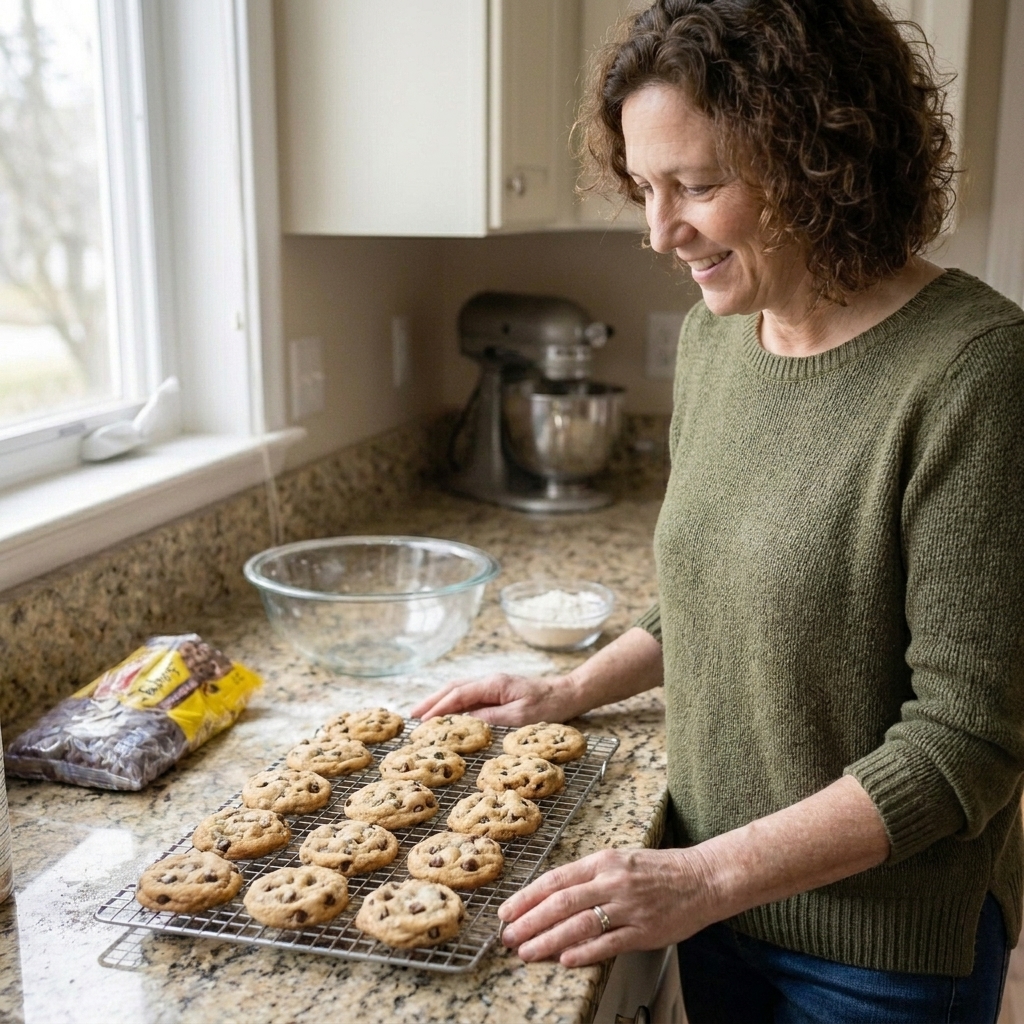
If you take one thing from all of this, let it be this: resting dough is not a fussy extra step. It is a low-effort way to let your ingredients finish becoming a team. Give the flour time to hydrate, let sugars dissolve, let butter firm up, and you will taste the payoff in every bite.