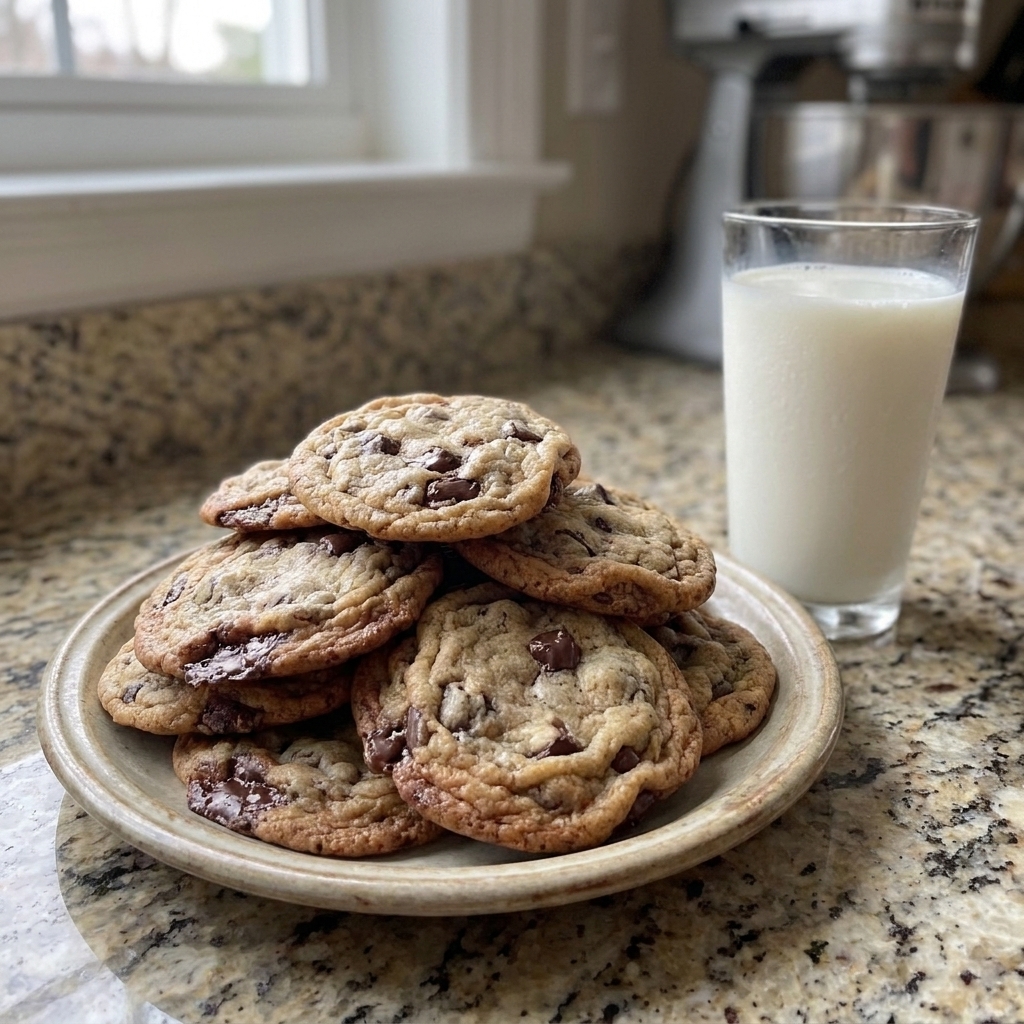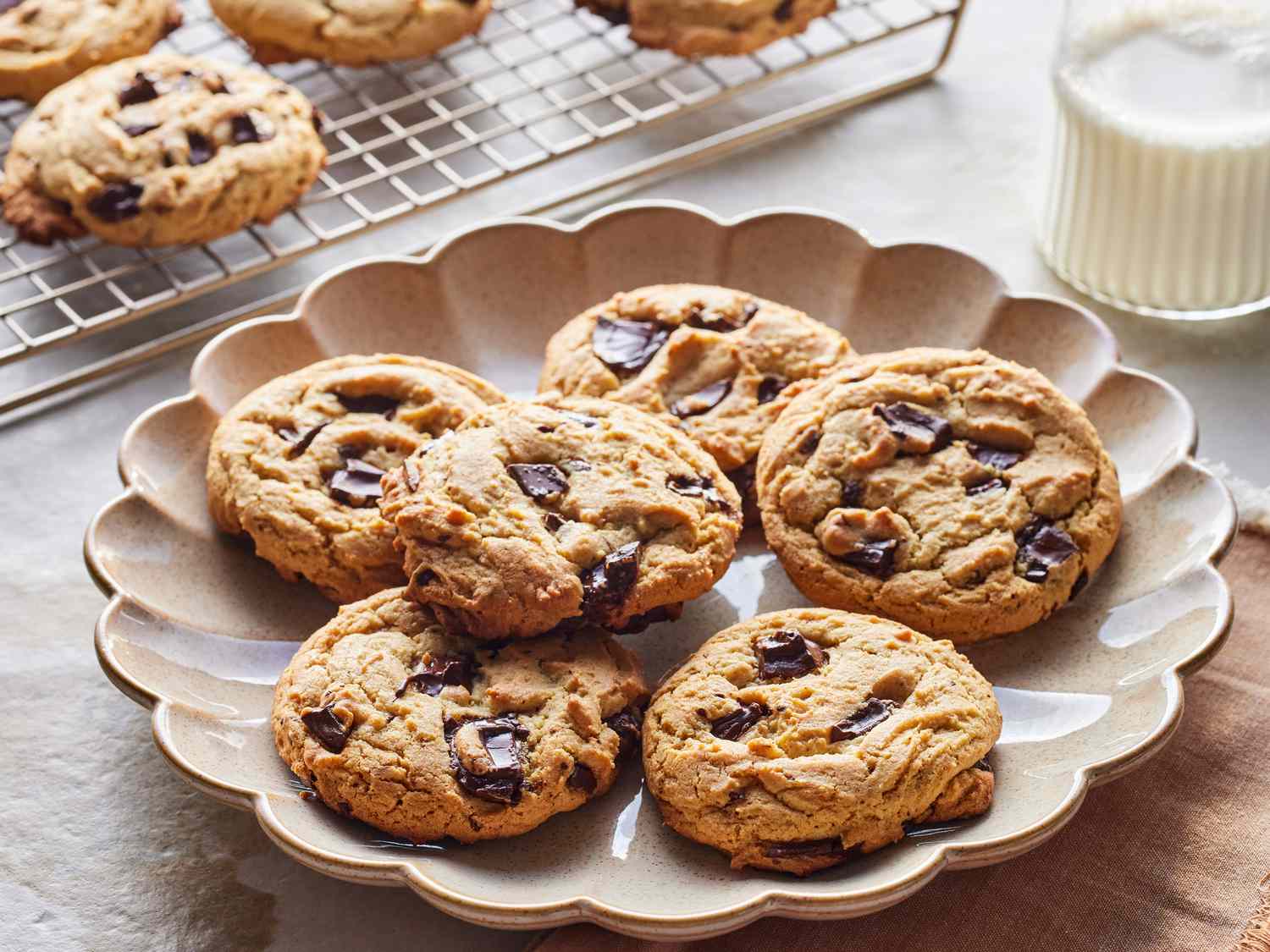
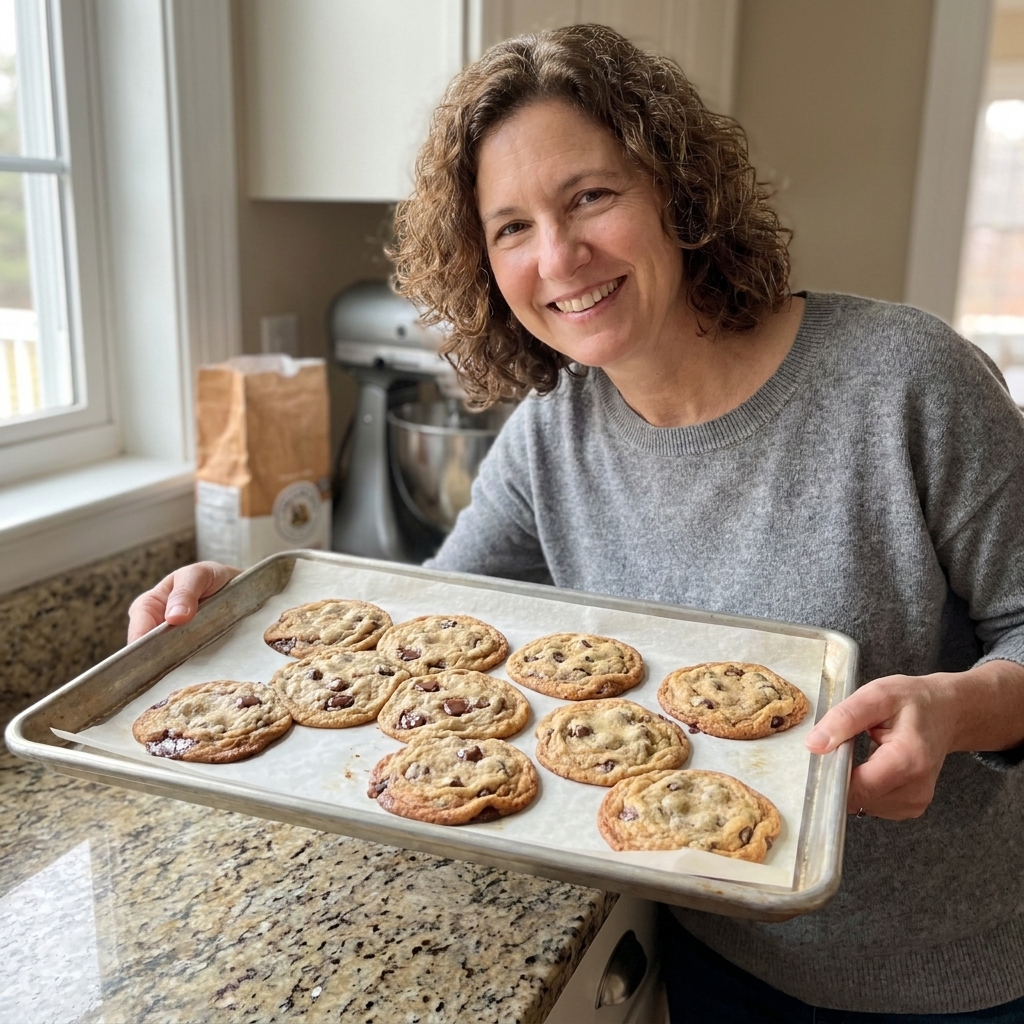
Nothing crushes the cookie mood faster than pulling out a tray of pancakes pretending to be cookies. If your cookies are spreading into thin, greasy rounds instead of holding a soft, chewy center, it usually comes down to a handful of fixable variables: temperature, measuring, and how the dough is built.
I have baked my way through plenty of flat-cookie phases (including one memorable neighborhood cookie exchange where every batch looked like lace). The good news: you can diagnose the cause quickly. Below are the seven most common mistakes that make cookies spread, plus the exact fixes I use in my own kitchen.
First, a quick diagnosis
Before you change the whole recipe, look at your cookies and match what you see to the likely culprit:
- Very shiny, greasy, and thin: butter too warm, too little flour, or an oven running cool.
- Even spread with pale, soft middles: dough went in too warm, oven temperature is off, or they were pulled early.
- Edges dark, centers flat: pan is too hot, dough is too warm, or the sugar and fat balance is pushing spread.
- Spread gets worse from batch 2 onward: baking on a hot pan or working in a warm kitchen.
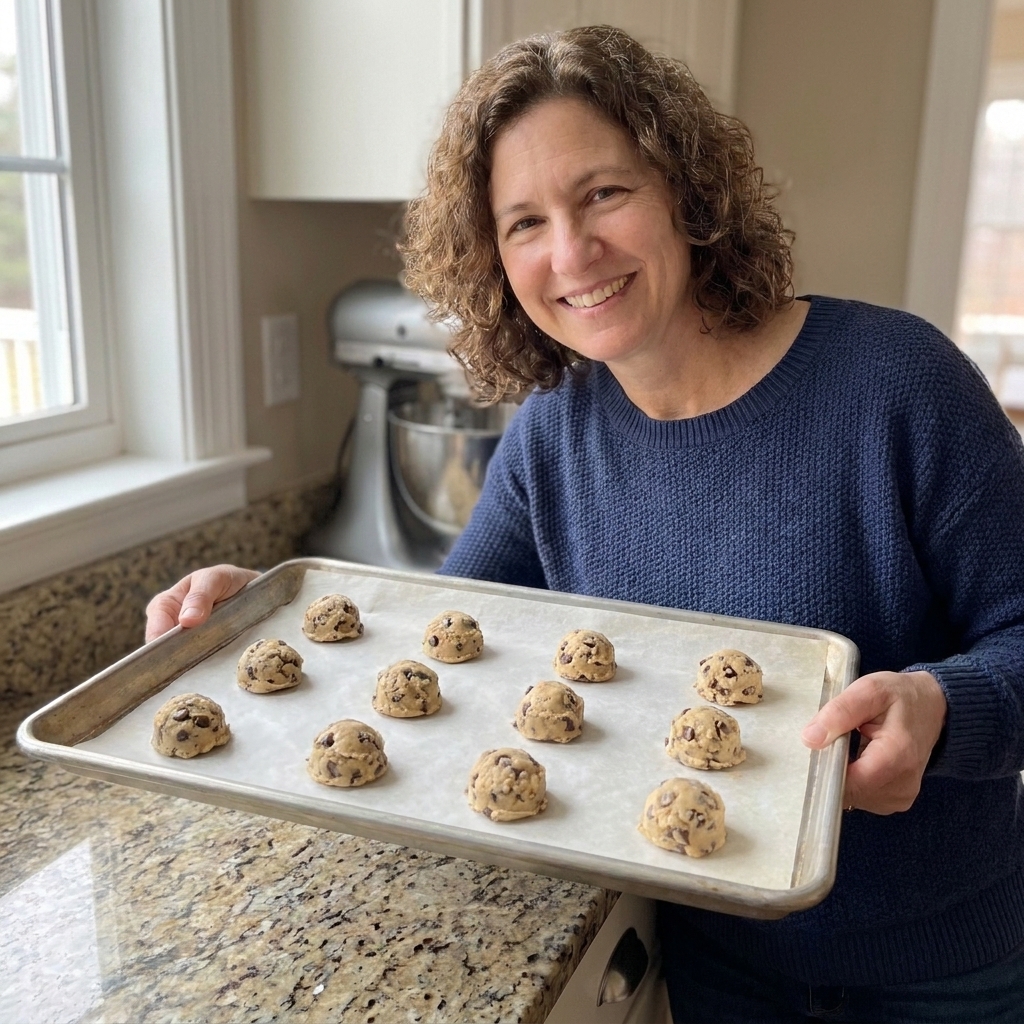
1) Butter is too warm (or melted)
This is the number one reason cookies go flat. When butter is too soft, the fat liquefies before the dough structure sets, so the cookies spread fast and wide.
How to tell
- Dough feels shiny, sticky, and slumps after scooping.
- You cannot hold a defined scoop shape for more than a minute or two.
- Cookies bake up thin with a slightly oily surface.
Fix it
- Use cool room-temperature butter: pliable but still holds its shape. When you press a finger in, it should leave an indent without sinking.
- Chill the dough: 45 to 60 minutes makes a huge difference. For very buttery doughs, chill 2 hours.
- If you already melted it: refrigerate the dough until it feels scoopable and firm, then bake a test cookie.
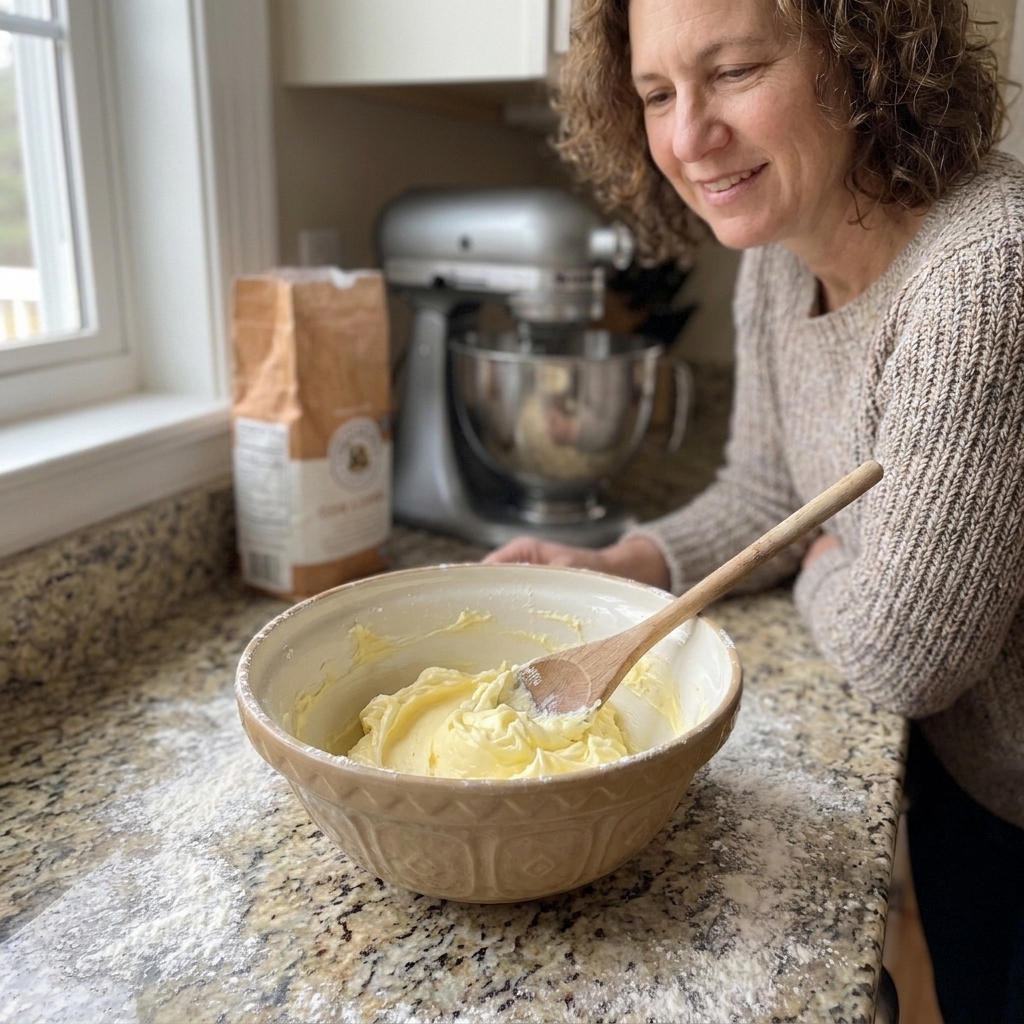
2) Leavening is expired or off
Leavening does more than make cookies rise. Baking soda and baking powder also affect spread and structure. If they are weak or missing, your cookies can spread before they set, leading to thin results.
Common slip-ups
- Expired baking soda or powder: especially if the box has been open for months.
- Swapping soda for powder: they are not interchangeable 1:1.
- Not enough acidity for baking soda: many cookie recipes get a little acidity from ingredients like brown sugar (slightly acidic because of molasses) or other mix-ins, and that is often enough.
Fix it
- Replace leavening regularly: I refresh every 6 to 12 months for consistent bakes.
- Use what the recipe calls for: if you must swap, use a trusted conversion (and expect texture changes).
- Measure precisely: too much baking soda can cause a quick puff, then an over-browned, slightly bitter cookie that collapses and spreads more as it bakes.
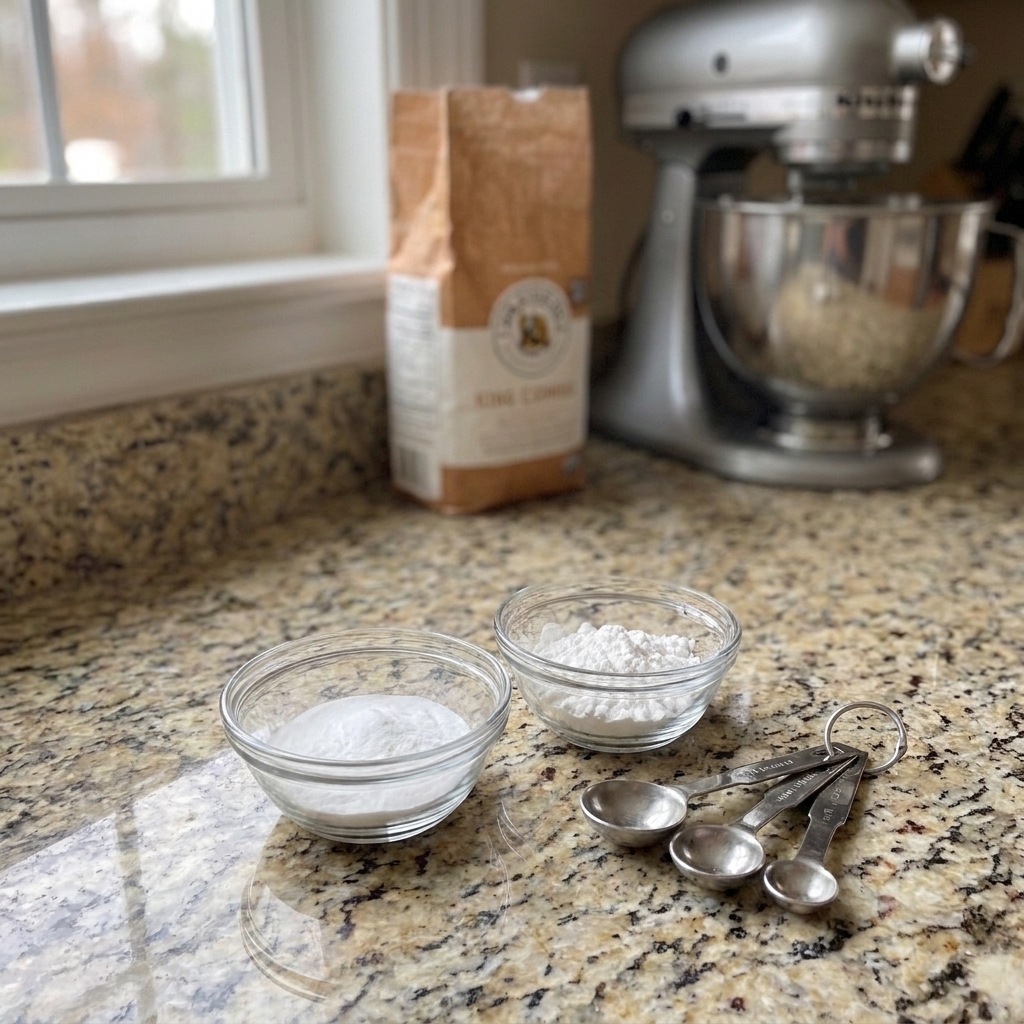
3) Flour was measured wrong
Flour is the backbone. Too little flour means not enough structure, and the butter and sugar will flow outward like they own the place.
How it happens
- Scooping the measuring cup directly into the flour bag compresses or aerates inconsistently.
- Using a different flour than the recipe was tested with.
- Eyeballing the last few spoonfuls.
Fix it
- Use a kitchen scale if you can: it is the most foolproof way to prevent flat cookies.
- If using cups: fluff the flour, spoon it into the cup, then level with a straight edge.
- Do a 1-cookie test bake: if it spreads too much, mix in 1 tablespoon flour, chill 20 minutes, and test again. Repeat once if needed.
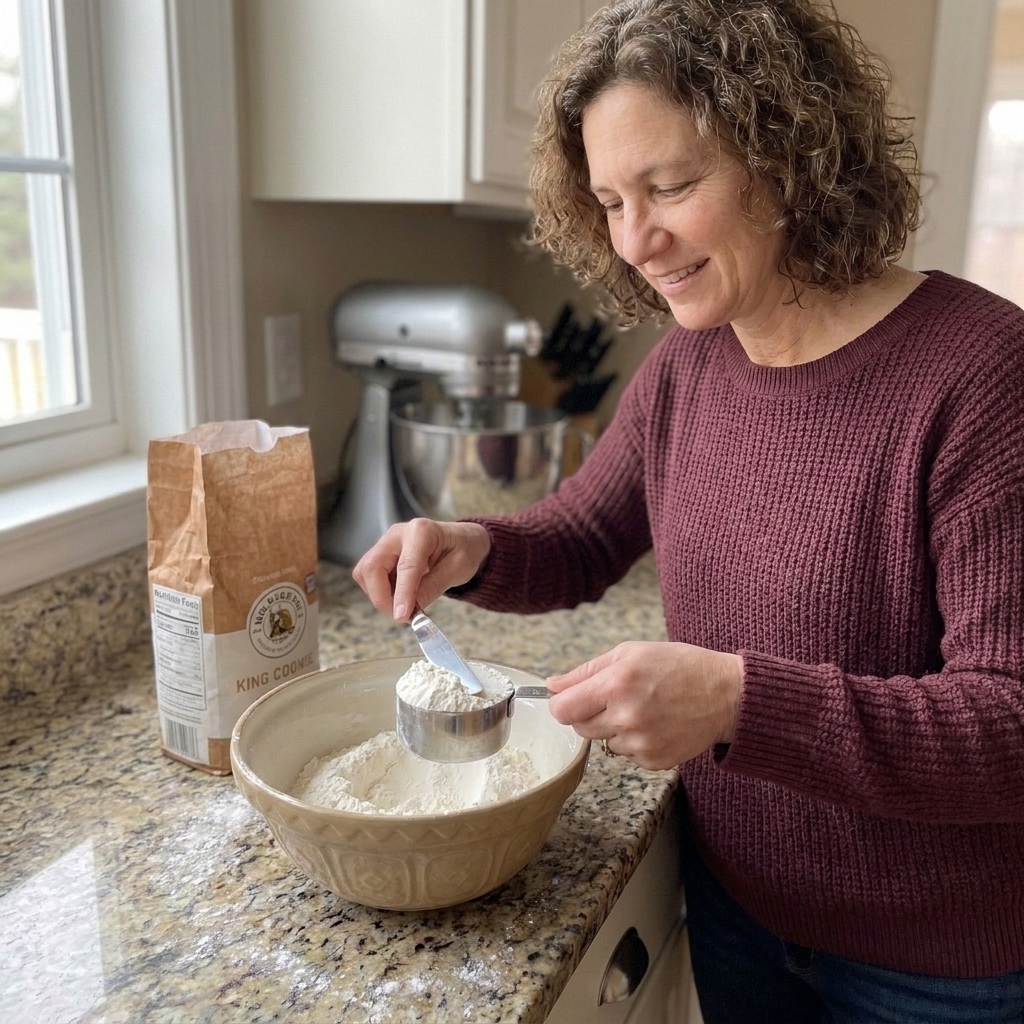
4) Dough is too warm
Warm dough bakes like a puddle. This can happen in a warm kitchen, from mixer friction, or from letting the bowl sit out too long between batches.
How to tell
- Dough feels tacky and glossy.
- Chocolate chips look slightly melty.
- Scoops spread out on the tray before they hit the oven.
Fix it
- Chill the bowl: 20 to 30 minutes is often enough.
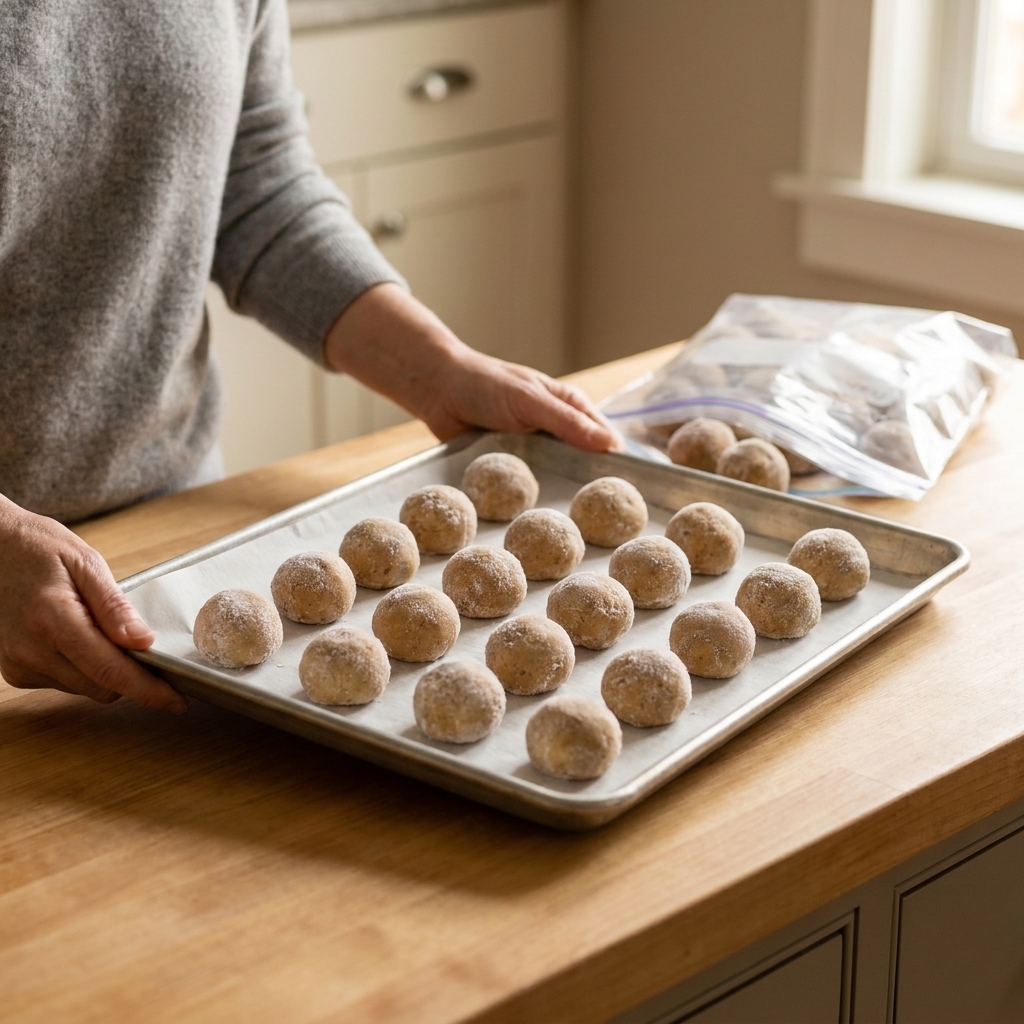
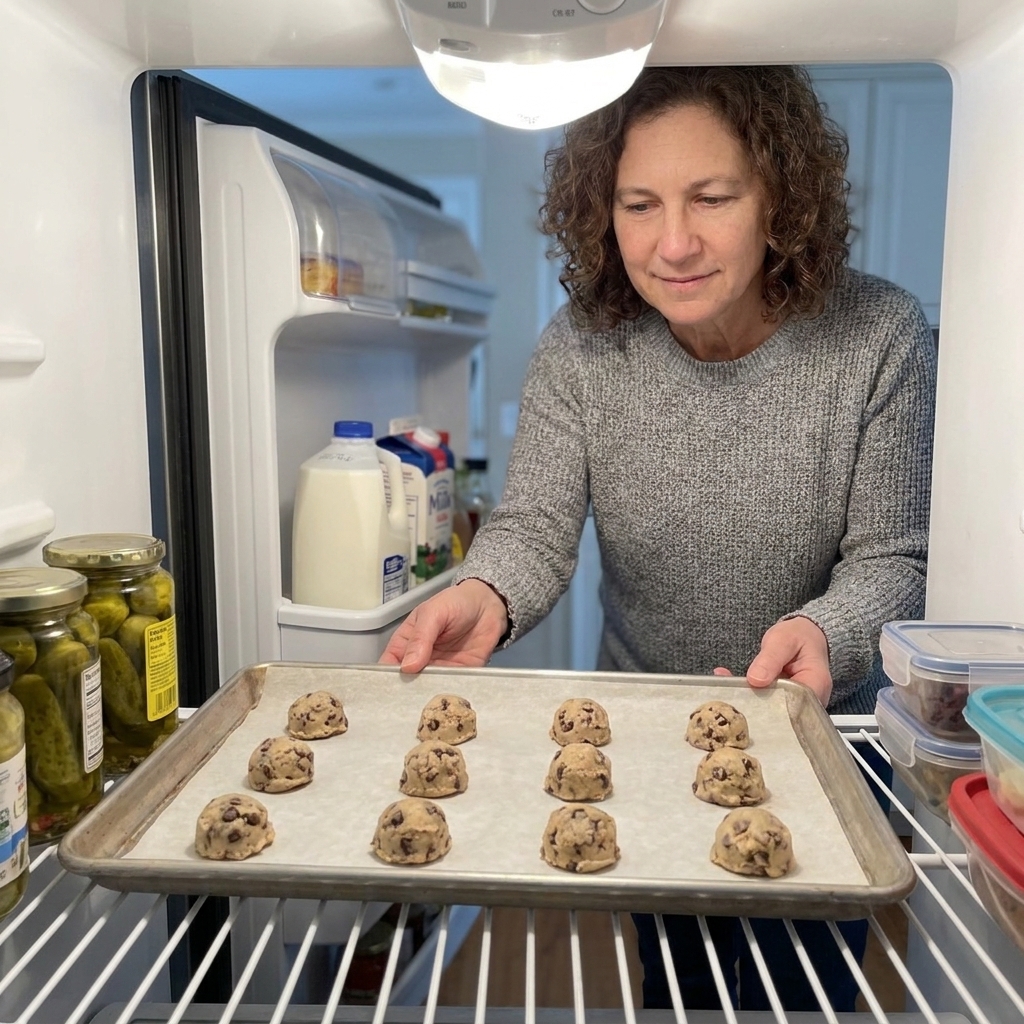
- Scoop then chill: portion dough onto a parchment-lined sheet pan, then refrigerate. It chills faster as individual scoops.
- Keep batches cold: bake one tray while the next tray waits in the fridge.
5) Oven runs too cool
If the oven runs cool, the butter melts and the cookies spread before the outside sets. By the time structure forms, it is too late and you are left with a thin cookie.
How to tell
- Cookies spread a lot and take longer than the recipe timing.
- They brown slowly and end up flatter than expected.
- Other baked goods seem to take forever.
Fix it
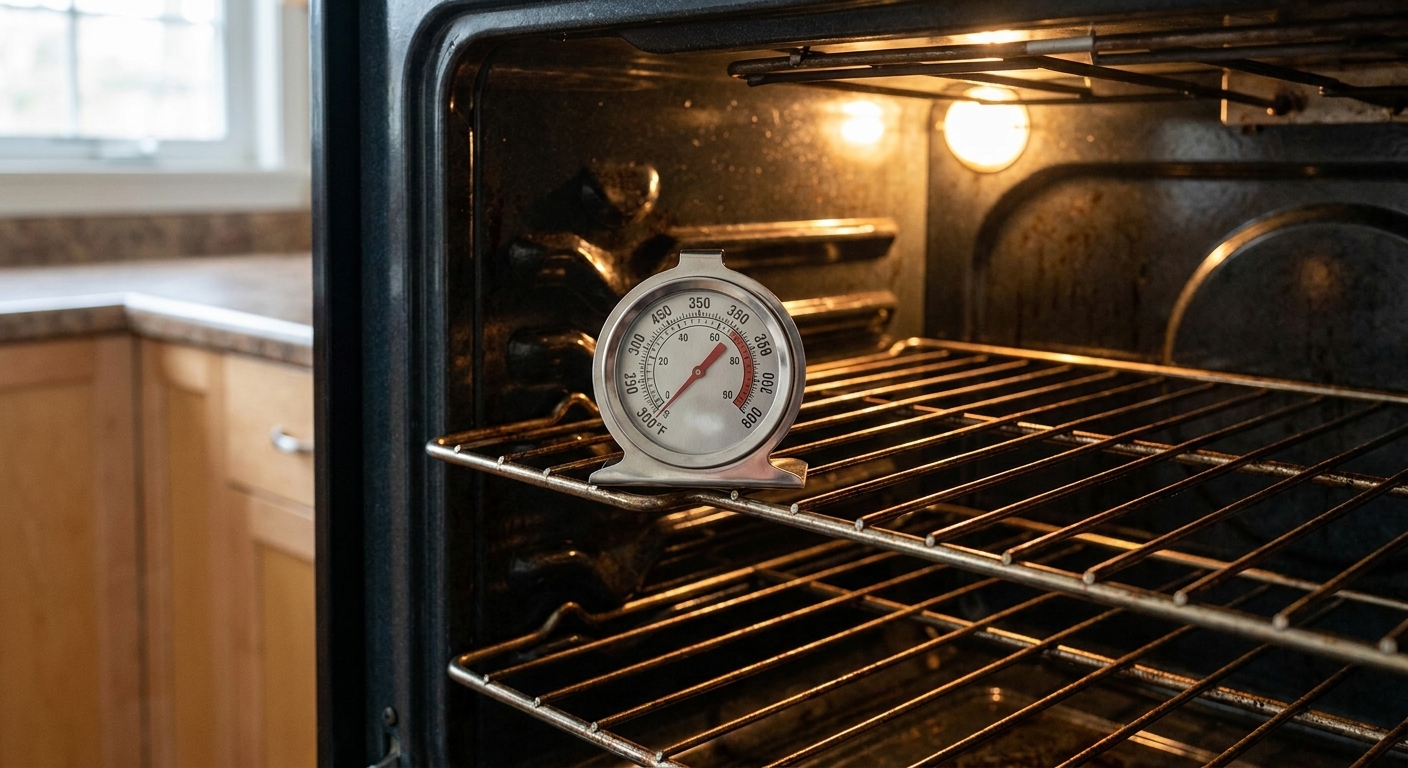
- Use an oven thermometer: it is the fastest way to solve mystery spreading.
- Preheat longer than you think: 20 minutes often helps, especially in older ovens or when you keep a baking stone or heavy sheet pan inside.
- Avoid the warm setting for holding trays: it can soften dough fast.
6) Baking sheet is hot
If the first tray looks okay but the second tray spreads into flat circles, the culprit is almost always a hot baking sheet. Dough starts melting on contact, so it spreads before it even reaches the oven’s heat.
Fix it
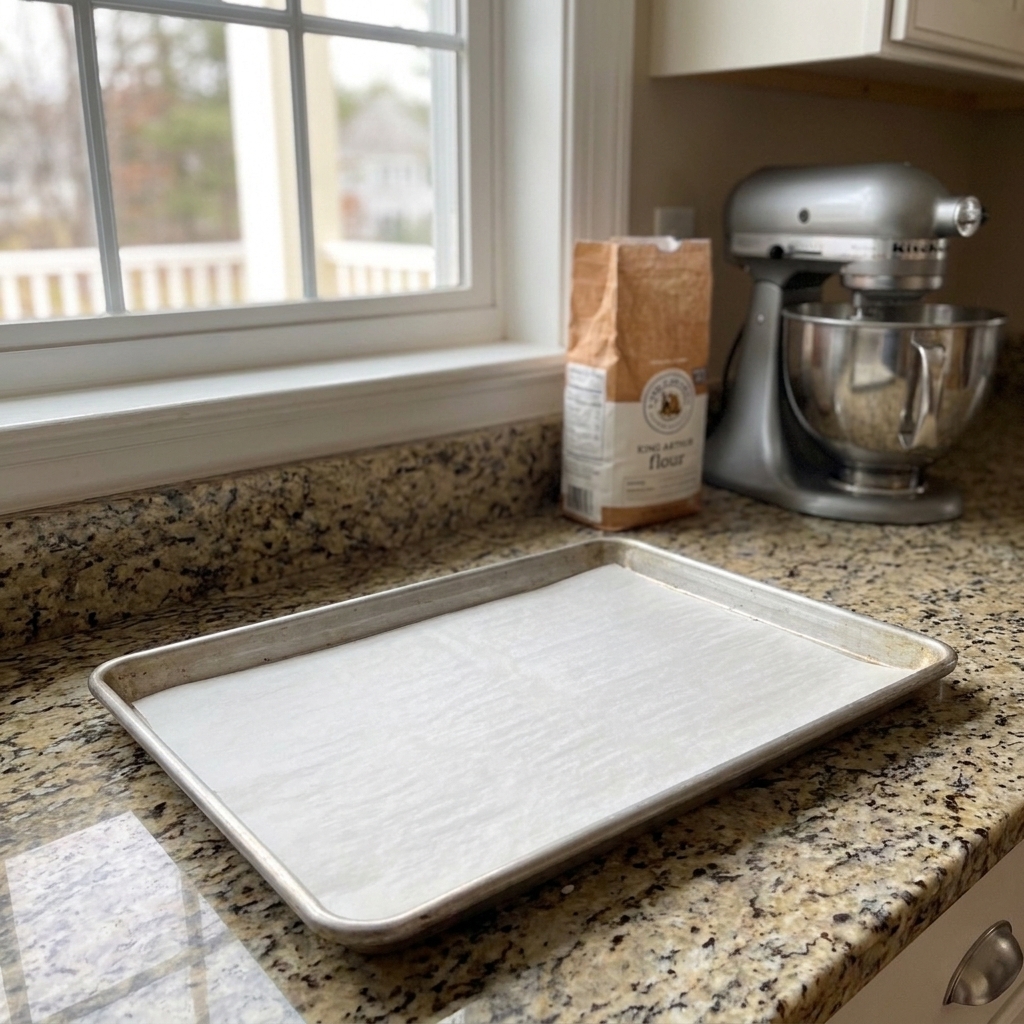
- Use two baking sheets: alternate so one can cool completely.
- Cool the pan fully: room temperature, not slightly warm.
- Use parchment: it helps with release and promotes more even baking. (It is not magic for spread, but it helps consistency.)
7) Sugar and fat ratio is off
Some cookie styles are meant to spread. But if your goal is thicker cookies and you are consistently getting flat ones, it can be a ratio issue.
What causes extra spread
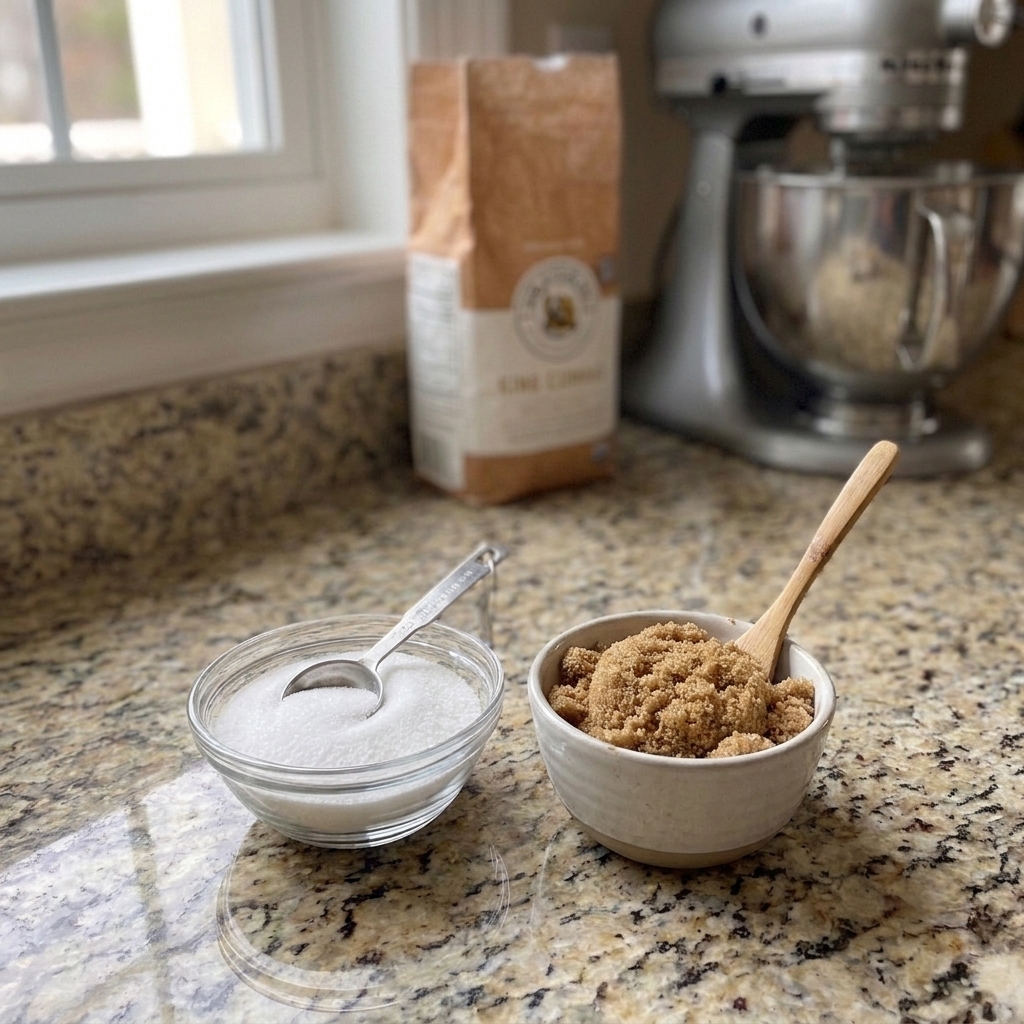
- Too much sugar: sugar melts and encourages spreading, especially white sugar.
- Too much butter for the flour amount: more liquid fat equals more spread.
- Recipe tweaks: reducing flour, swapping margarine, or using low-fat substitutions can throw structure off.
Fix it
- Stop making just one little change: bake the recipe as written at least once.
- Chill dough and bake from cold: this helps even with spread-prone formulas.
- For thicker cookies: look for recipes designed for thickness, often with a bit more flour or a higher share of brown sugar for chew.
My rescue plan
If you already mixed the dough and you are staring at a bowl of oh no, here is the order I troubleshoot in my kitchen:
- Chill the dough for 45 to 60 minutes.
- Bake one test cookie on a cool, parchment-lined sheet.
- If it still spreads too much, mix in flour 1 tablespoon at a time (this is for a standard single batch that makes about 2 to 3 dozen cookies), chill 20 minutes, and test again.
- Confirm oven temp with a thermometer if spreading continues.
FAQ
Why are my cookies flat but still soft?
Usually the dough was too warm or the oven ran a bit cool. The cookies spread early, then set later, so you get a soft but thin result. Chill the dough and confirm your oven temperature.
Will chilling cookie dough stop spreading?
It helps a lot. Chilling firms the fat and gives the flour time to hydrate, which encourages thicker cookies and better texture.
Does parchment paper cause cookies to spread?
Not typically. Parchment helps prevent sticking and promotes even browning. Spreading is more often butter temperature, flour measurement, or oven temperature.
Why do my cookies spread more on the second batch?
That is the classic hot-pan issue. Use a cooled baking sheet for each batch or alternate between two sheets.
Can I add more flour to fix flat cookies?
Yes, carefully. Add 1 tablespoon at a time, mix gently, chill, and bake a test cookie. Too much flour can make cookies dry, so small steps are key.
Cookie checklist
- Butter is cool room temperature, not shiny or melted.
- Flour is measured by weight or spoon-and-level.
- Leavening is fresh and measured correctly.
- Dough is chilled if your kitchen is warm or the dough feels soft.
- Oven is fully preheated and verified with a thermometer.
- Cookie dough goes on a cool baking sheet.
Still stuck? Share your recipe, your oven temperature, and how the dough felt (sticky, soft, stiff, oily) in the comments, and we will help you narrow down the most likely culprit.