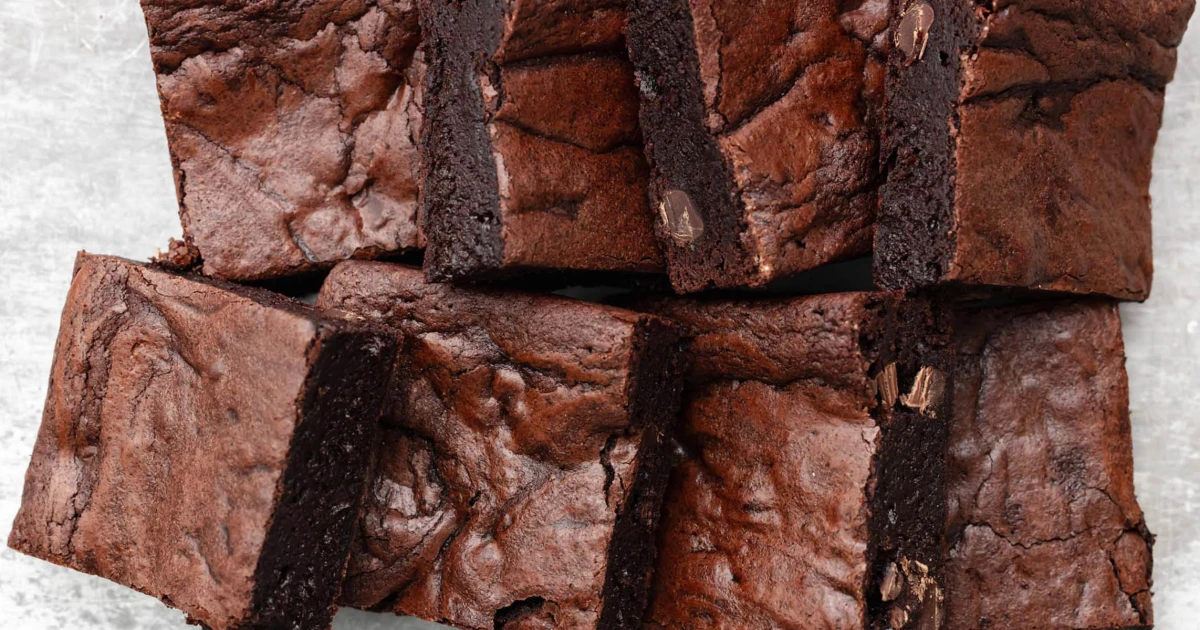
If you have ever baked the same cookie recipe twice and somehow ended up with two totally different textures, I will bet a wooden spoon it came down to one of these: your butter temperature, your flour measuring, or your sugar ratio. Today we are zooming in on the sugar part, specifically brown sugar vs. white sugar and what happens when you start nudging those ratios around.
Think of sugar as more than sweetness. In cookies and bars, sugar controls moisture, spread, color, and even whether the center stays chewy by day two. Once you understand what each sugar brings to the bowl, you can tweak a recipe on purpose instead of crossing your fingers at the oven door.
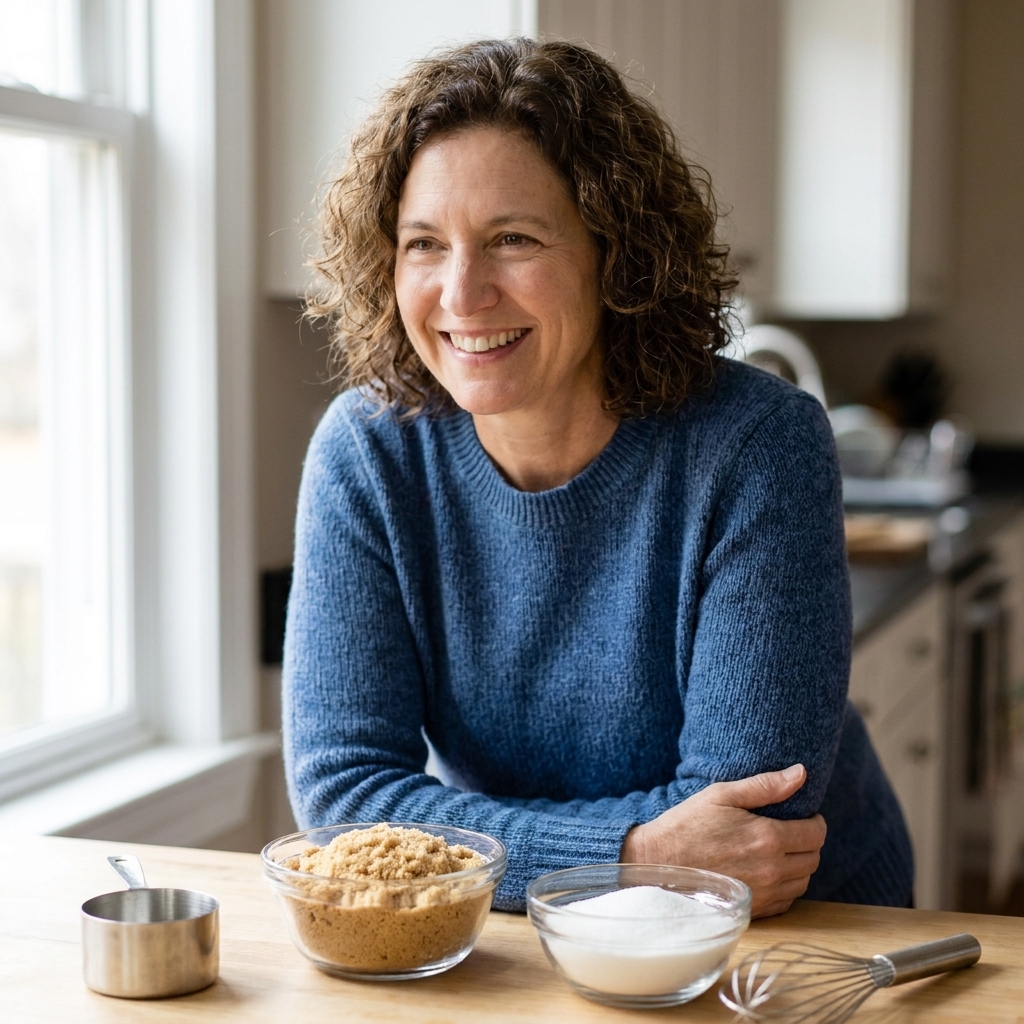
What makes brown sugar different from white sugar?
At the simplest level:
- White (granulated) sugar is mostly pure sucrose with dry, free-flowing crystals.
- Brown sugar is sucrose plus molasses. That molasses is what gives it the color, deeper flavor, and a bit more moisture.
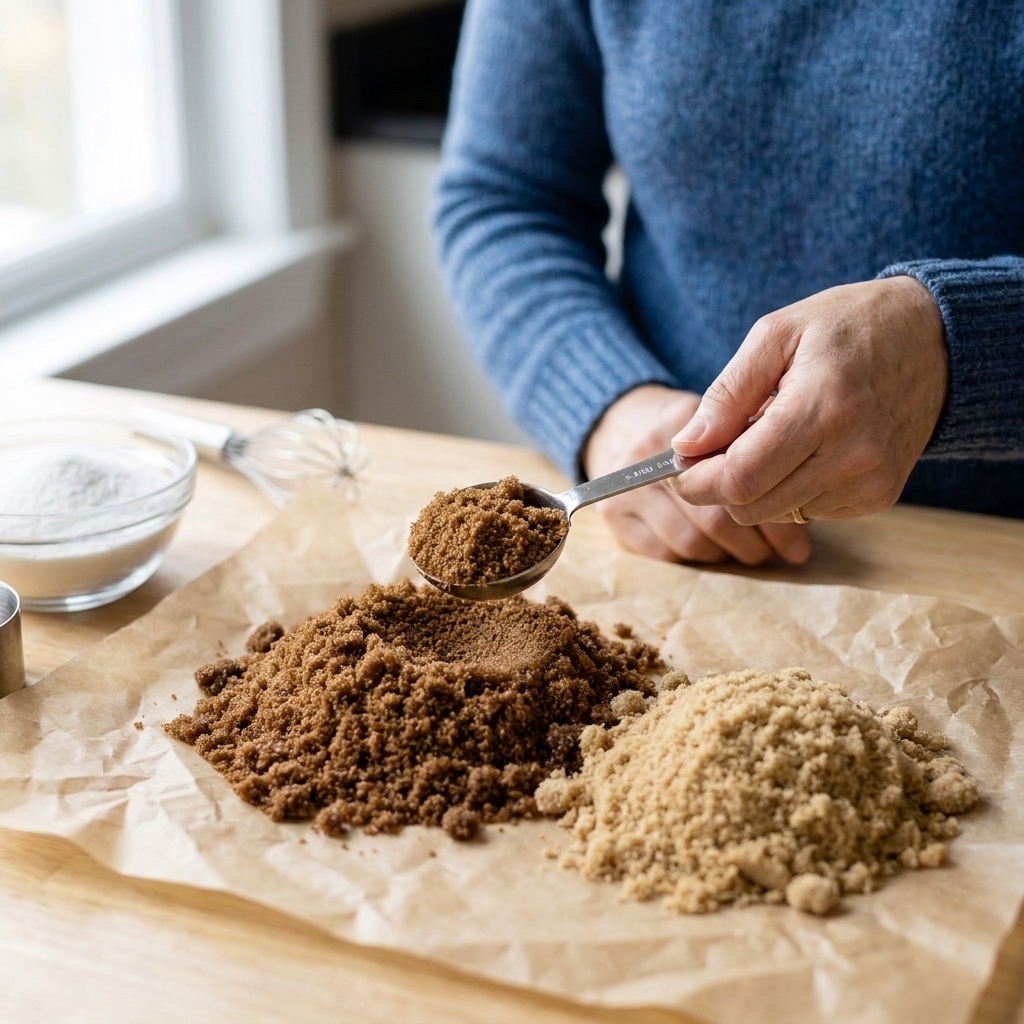
Most grocery store brown sugar is made by adding molasses back into refined white sugar. Typically, light brown sugar has less molasses than dark brown sugar, so dark brown sugar usually brings a deeper caramel-like flavor and a small bump in moisture and acidity. The exact difference can vary by brand, which is why one bag of “dark” can feel softer than another.
Cookie texture, minus the intimidation
When we talk about “chewy vs. crispy,” we are really talking about how much water stays in the cookie after baking, how the sugar melts and resets, and how quickly the dough structure firms up in the oven.
Brown sugar pushes cookies toward chewy
- More moisture: Molasses is hygroscopic, meaning it attracts and holds onto water. That helps cookies stay softer longer.
- A bit more acidity: Molasses is mildly acidic. In recipes that use baking soda, that acidity can contribute to browning and can help baking soda do its job, alongside other acids already in the dough.
- Fudge-like density: More moisture plus a little extra “stickiness” often means a thicker, bendier bite.
White sugar pushes cookies toward crisp
- Drier dough: Less moisture going in means the cookie can dry out and crisp more easily.
- Cleaner snap: As granulated sugar melts, it helps create a thinner, crisper set as the cookie cools.
- Often more spread: In many recipes, a higher share of white sugar can encourage more spread, which translates to thinner edges and crispness. (Butter temperature, flour, and chilling still matter a lot here.)
How the ratio changes spread and chew
Here is the part you can actually use when you are standing in your kitchen thinking, “Do I want these chewy, or do I want them snappy?”
More brown sugar (relative to white)
- Texture: Chewier center, softer overall bite
- Thickness: Often a little thicker, sometimes puffier depending on leavener
- Flavor: Caramel, toffee, warm molasses notes
- Color: Darker, more golden-brown
- Keeping quality: Stays soft longer
More white sugar (relative to brown)
- Texture: Crisper edges, snappier bite, less bend
- Thickness: Often thinner due to spread
- Flavor: Cleaner sweetness, less “caramel” depth
- Color: Paler golden tone
- Keeping quality: Can dry out faster over 1 to 2 days
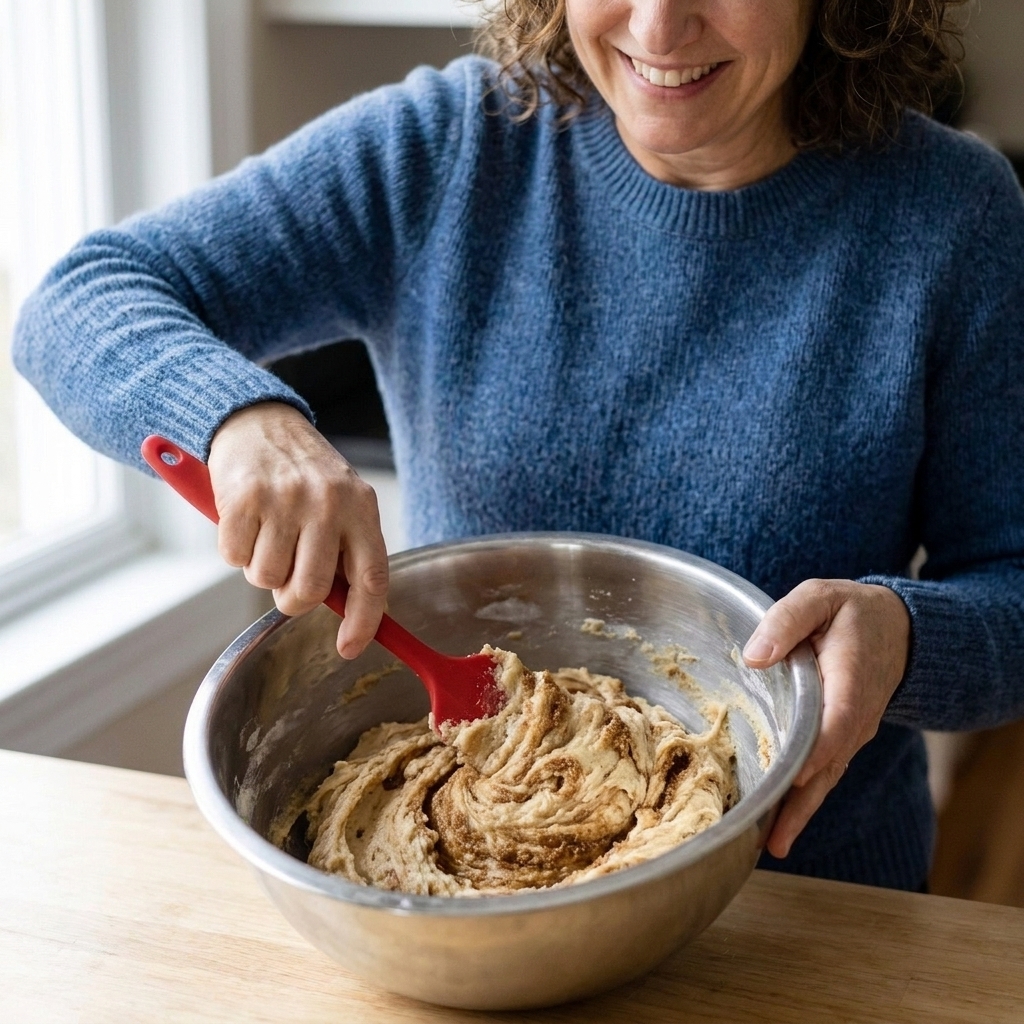
Molasses and moisture
Brown sugar’s superpower is moisture management. Molasses holds onto water, and that water does two big things in cookie dough:
- It slows down drying: The cookie stays tender and chewy instead of turning crunchy all the way through.
- It affects gluten and structure: In a typical cookie dough, a little more available moisture can change how proteins hydrate and how the cookie sets. You get that bendy chew instead of a brittle snap.
This is also why cookies made with mostly brown sugar taste fantastic on day two. If you are baking ahead for a party or cookie exchange, leaning brown sugar is your friend.
Browning and flavor
Cookie color is not just aesthetics. It is flavor. Two big browning paths show up in the oven:
- Caramelization: Sugar browns as it heats, creating toasty, caramel flavors.
- Maillard reactions: Proteins (from flour and eggs) react with sugars, creating deeper roasted notes and a richer golden-brown color.
Because brown sugar includes molasses (with trace compounds beyond plain sucrose), it often nudges cookies toward a deeper color and a more butterscotch-like flavor at the same bake time. You still want to use visual cues: set edges, lightly browned bottoms, and centers that look just matte, not wet.
Crystal size and creaming
There is another detail that matters: how sugar behaves when you cream it with butter.
- Granulated sugar has sharper crystals that cut into butter and help create tiny air pockets during creaming. That can contribute to a lighter texture and, in some recipes, can also encourage more spread.
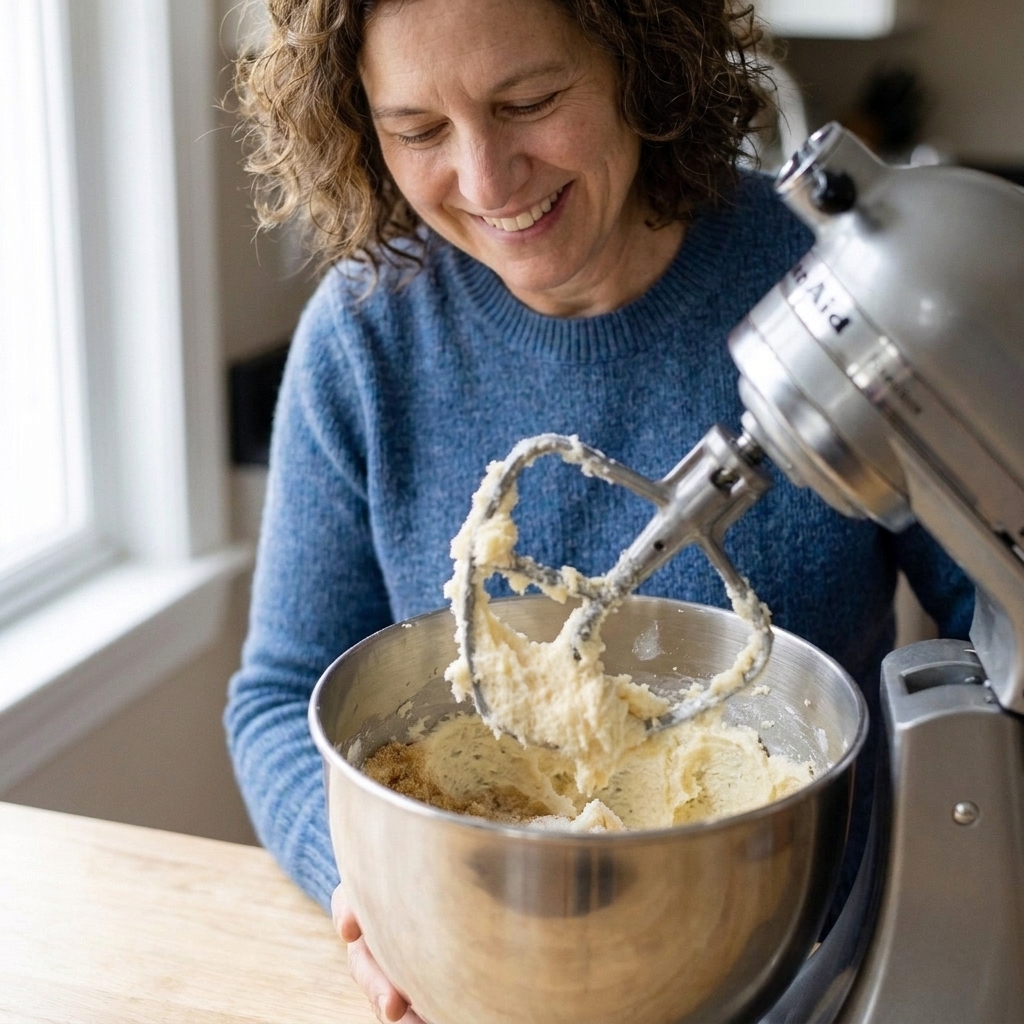
- Brown sugar is softer and clumpier, so it creams differently. You often get a slightly denser dough and a more compact crumb.
Practical takeaway: if you swap a big portion of white sugar to brown, do not be surprised if the dough feels softer and the baked cookie feels thicker and chewier.
Easy ratio targets
Every recipe is its own little ecosystem, but these are reliable starting points for classic drop cookies like chocolate chip, oatmeal, and brownie-like cookies.
For chewy cookies with soft centers
- Try: 60 to 80% brown sugar, 20 to 40% white sugar
- Best for: Chocolate chip cookies, oatmeal cookies, peanut butter cookies, blondie-style cookie bars
For balanced cookies (chewy center, crisp edges)
- Try: About 50% brown sugar, 50% white sugar
- Best for: Crowd-pleasers where you want a little of everything
For crispy, snappy cookies
- Try: 60 to 80% white sugar, 20 to 40% brown sugar
- Best for: Thin-and-crispy chocolate chip, lacey cookies, crunchier cutout-style cookies (when the recipe supports it)
My gentle warning: If a recipe uses only brown sugar and you switch most of it to white, you may get more spread than you expect. When you chase crisp, you usually want to chill the dough and watch bake time like a hawk.
Bars and brownies
Bars are a little different because they are thicker and bake as a slab, so moisture retention matters even more.
Blondies and cookie bars
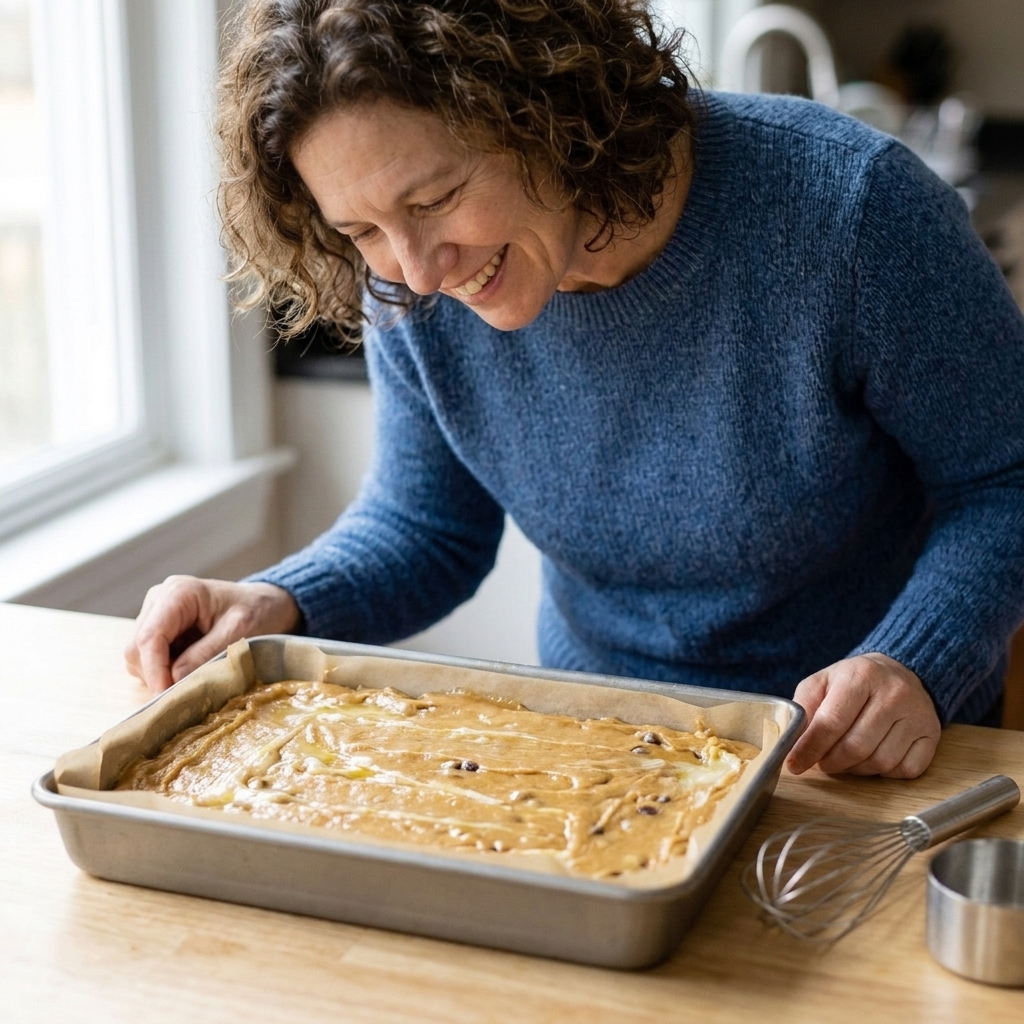
- More brown sugar: Gooier, chewier, butterscotch vibe, slightly denser crumb
- More white sugar: Sweeter, a bit cakier and drier, lighter color
Brownies
Traditional fudgy brownies often lean on granulated sugar for that glossy, crinkly top. The crackle happens when sugar dissolves well and combines with eggs (and fat, plus sometimes melted chocolate) to form a thin, shiny layer that bakes up like a delicate skin. Brown sugar can be amazing in brownies, but it usually nudges you toward a chewier bite, a slightly less crackly top, and a deeper caramel note.
If you swap sugars, what else changes?
Sometimes yes. If you are making small ratio changes, you can often swap without other adjustments. If you are making a big shift, these are the knobs to turn.
Spread-control toolkit
- Chill the dough: Even 30 to 60 minutes helps control spread, especially if your butter is very soft or melted.
- Check your oven temperature: An inexpensive oven thermometer is a game-changer. Running hot can set edges too fast, while running cool can cause extra spread before the cookie firms up.
- Watch bake cues, not just the clock: Pull cookies when edges are set and centers look just matte. They will finish setting as they cool.
When increasing brown sugar
- Expect longer-looking centers: Higher moisture cookies can look underdone longer even when they are actually baked through.
- Consider slightly reducing added liquid in bar recipes that already have lots of moisture (for example, a splash of milk). Small changes only, like 1 teaspoon at a time.
When increasing white sugar
- Be proactive about spread: Chilling helps, and so does starting with cooler dough on a cool sheet pan.
- Lower the oven slightly if edges burn first: A 15 to 25 degree F decrease can help, depending on the recipe.
- Add a little brown sugar back if the cookie loses that pleasant chew on day two.
Brown sugar types
If you only remember one thing: dark brown sugar is not just “stronger,” it is typically more molasses. That means deeper flavor and usually a touch more moisture.
- Light brown sugar: Great for classic chocolate chip cookies where you want balance.
- Dark brown sugar: Perfect for oatmeal, ginger cookies, spice-forward cookies, and super chewy cookie bars.
In most drop cookies, you can swap light and dark brown sugar 1:1. Expect darker color and a bit more chew with dark brown sugar.
Other sugars to know
Not all “brown sugar” is standardized everywhere. In some places, brown sugar can mean a less-refined, naturally brown sugar rather than white sugar with molasses added back. It can bake a little differently batch to batch, so trust the dough feel and bake cues.
If you want extra crunch (especially on edges), these are worth a look:
- Demerara or turbinado sugar: Larger crystals, more sparkle, and a crunchier bite. Great as a finishing roll on cookie dough balls.
- Muscovado sugar: Very moist, strong molasses flavor, and seriously chewy results. Use it when you want bold flavor, not when you want a subtle swap.
Troubleshooting
My cookies spread too much
- Too much white sugar can increase spread in many recipes. Add a bit more brown sugar next time.
- Chill the dough and make sure butter is not overly warm.
- Double-check flour measurement. A light hand with flour plus extra white sugar is the spreadiest combo.
- Verify oven temp with a thermometer, especially if you have repeat issues.
My cookies are puffy and cakey
- Too much flour is the usual culprit, but a high brown sugar ratio plus too much leavener can also puff.
- Try a slightly higher white sugar ratio and press dough balls down gently before baking.
My cookies are crisp the first day but stale the next
- Lean more on brown sugar for better moisture retention.
- Store airtight once fully cool. Warm cookies trapped in a container will go soft, then weirdly stale.
My cookies are too soft and never get crisp edges
- Increase the white sugar portion.
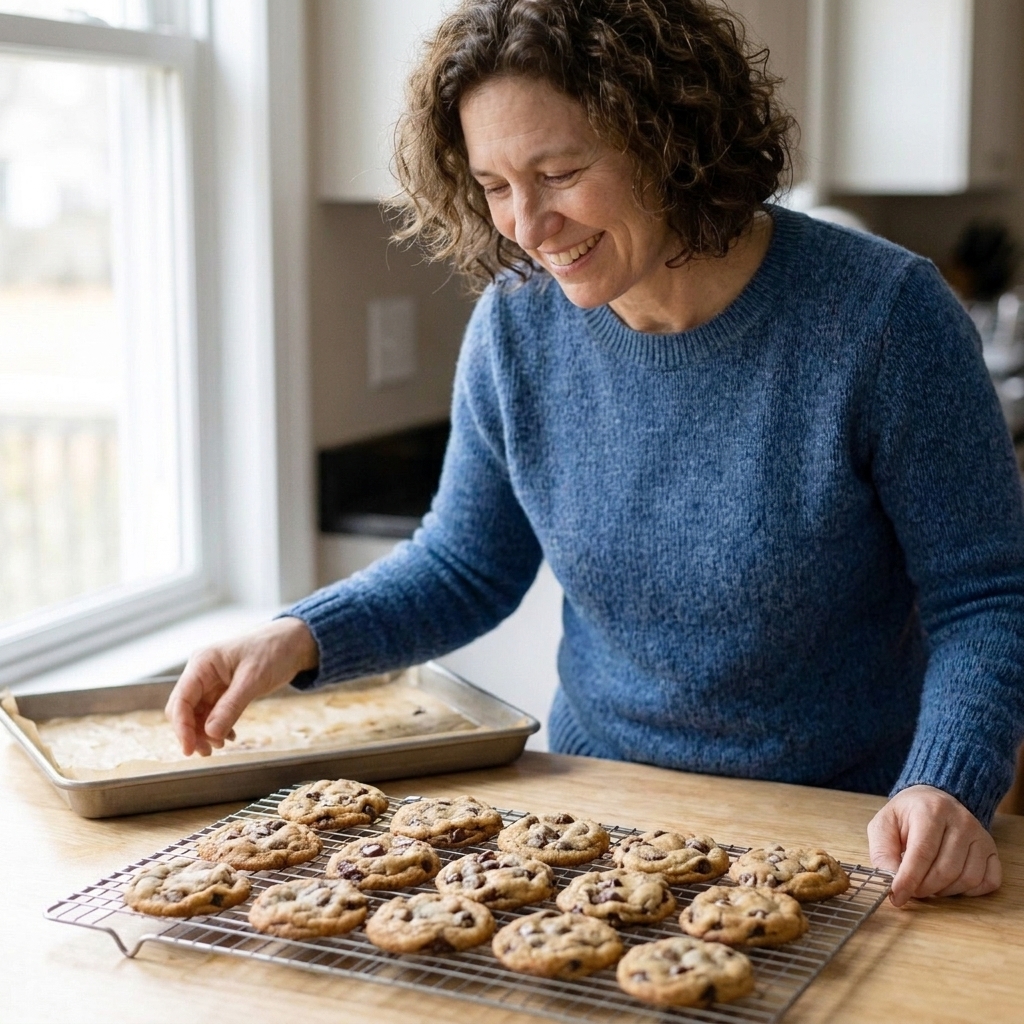
- Bake 1 to 2 minutes longer, focusing on edge color.
- Use a light-colored metal sheet pan for more even browning.
Quick FAQ
Can I swap brown sugar for white sugar 1:1?
Yes, but for the most predictable results, swap by weight. Measuring by cups gets tricky because brown sugar is usually packed and can weigh more per cup than granulated sugar. Texture will change too: more brown sugar usually means more chew and slightly less crispness. If you swap a large amount, plan to chill the dough and expect a deeper flavor.
Does packed vs. unpacked brown sugar matter?
It matters a lot when you measure by cups. Brown sugar should be packed unless a recipe says otherwise. If you do not pack it, you are using less sugar than intended, which can reduce spread and sweetness and throw off texture.
Why do some recipes use both sugars?
Because it is the easiest way to get the best of both worlds: the caramel chew from brown sugar and the crisp edge and clean sweetness from white sugar.
Is coconut sugar the same as brown sugar?
Not exactly. Coconut sugar behaves more like a drier brown sugar substitute with its own flavor. It can work, but it does not always deliver the same moisture and chew that molasses-based brown sugar does.
My go-to method
If you are experimenting, change one thing at a time. Here is the method I use when I am recipe testing in my own kitchen:
- Pick your goal: chewy, balanced, or crispy.
- Adjust sugar ratio by 10 to 15% at a time (not a total overhaul in one bake).
- Keep notes: spread, edge crispness, center chew, and how it tastes on day two.
- Lock in bake time once you like the texture. One extra minute can turn “perfectly chewy” into “dry,” especially with higher white sugar.
Once you start thinking of sugars as texture tools, your cookies become a lot more predictable, and honestly, a lot more fun.