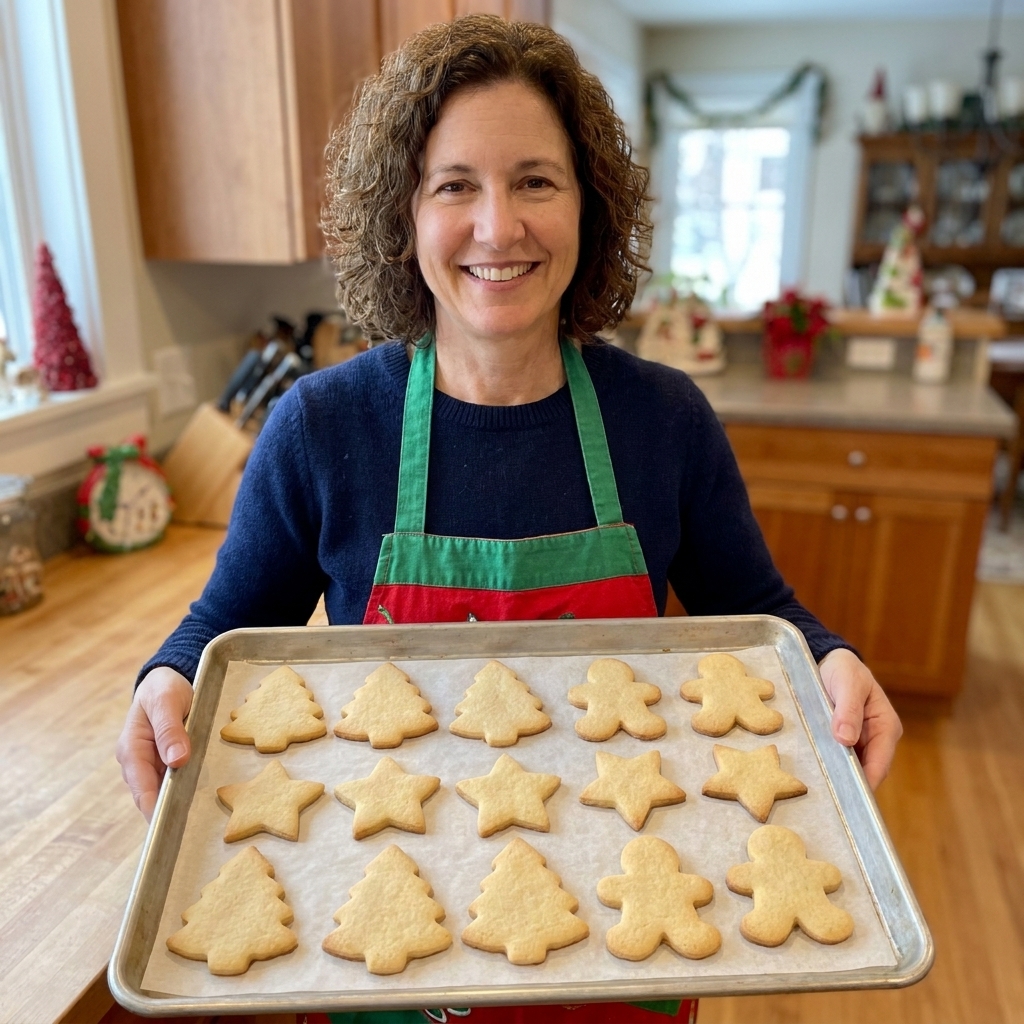
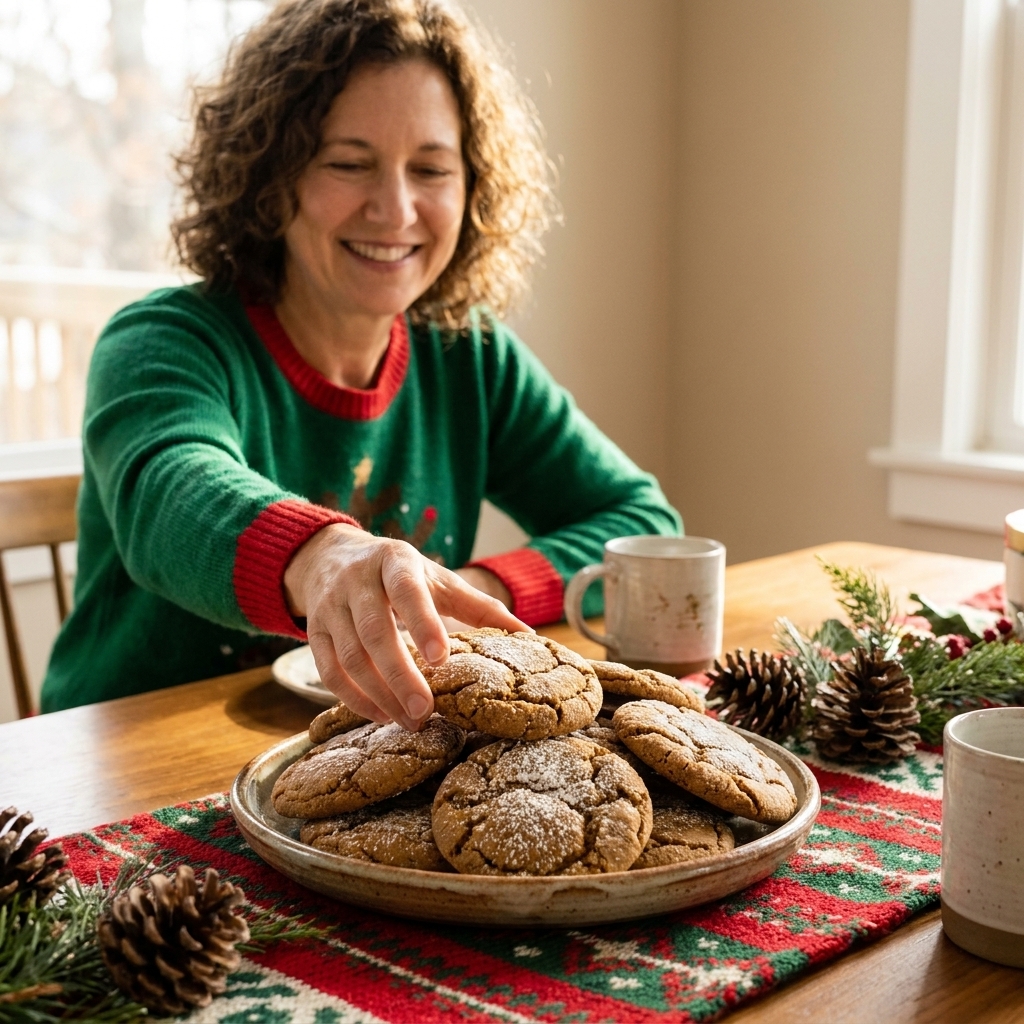
I fell in love with gingerbread on a wobbly step stool next to my grandma, pressing cookie cutters into spiced dough while the house smelled like molasses and cinnamon. Fast forward a lot of years and a lot of test batches, and I can tell you this with total confidence: gingerbread is not one cookie. It is a whole spectrum.
On one end: soft and pillowy, with a gentle chew and edges that stay tender for days. On the other: crisp, snappy cutouts that hold sharp details and can double as gingerbread house building blocks.
The good news is you do not need two completely different recipes. You need to understand the levers that control texture, then build your dough on purpose.
The gingerbread texture control panel
When you change texture, you are really changing how much moisture the dough holds onto, how quickly it sets in the oven, and how much the sugars crisp as the cookies cool. Here are the biggest knobs to turn.
- Molasses type and amount (moisture, acidity, flavor, browning)
- Sugar choice (water retention, spread, crisping)
- Fat type and level (tenderness, melt, spread)
- Flour and starch balance (structure vs tenderness)
- Leavening (puff vs sharp edges)
- Mixing and chilling (gluten and shape retention)
- Bake time and final moisture (soft center vs snap)
Keep reading and I will show you exactly how to tweak each one depending on your goal.
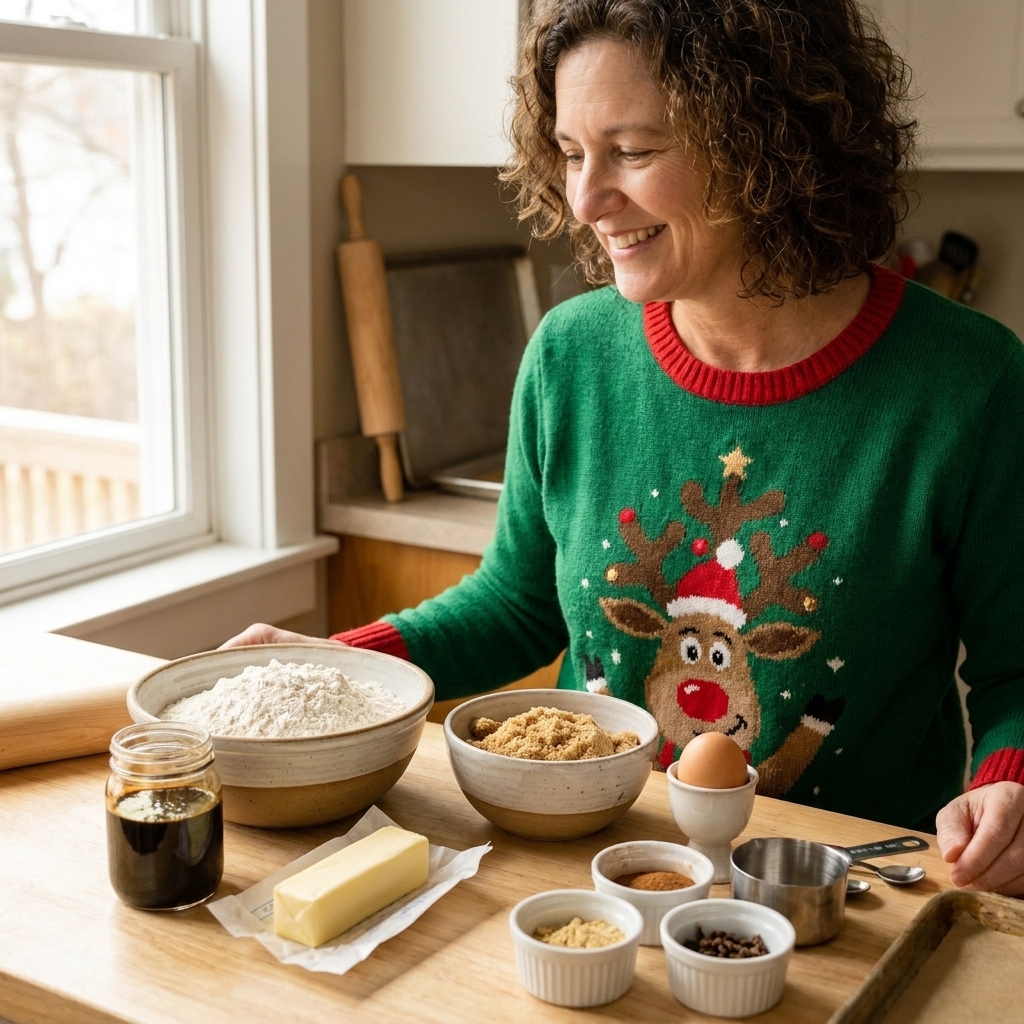
Molasses matters
Molasses is not just flavor. It is concentrated sugar with water and minerals, and many brands are naturally acidic. All of that affects softness, browning, and how your leavening behaves.
Choose the right molasses
- Unsulphured mild molasses: lightest flavor, lighter color. Great when you want gingerbread that tastes warmly spiced, not bitter.
- Robust (dark) molasses: deeper flavor and darker color. A classic choice for both soft and crisp styles.
- Blackstrap molasses: very dark, less sweet, more bitter and mineral-heavy. I do not recommend it for most gingerbread cookies unless you truly love that bite. It can read harsh in soft cookies and can taste a little scorched if you bake for deep color.
Molasses amount: soft vs crisp
For soft and chewy cookies, you can push molasses higher. It is hygroscopic, meaning it tends to attract and hold water, which helps cookies stay tender for longer.
For crisp cutouts, pull molasses back a bit so the dough bakes up drier and sets faster. You still want enough for that classic gingerbread flavor and color, just not so much that the cookie stays bendy.
Practical rule: Thick, eat-now cookies can handle more molasses. Thin cutouts and house pieces do better with a slightly drier dough and a longer bake.
Sugar choice
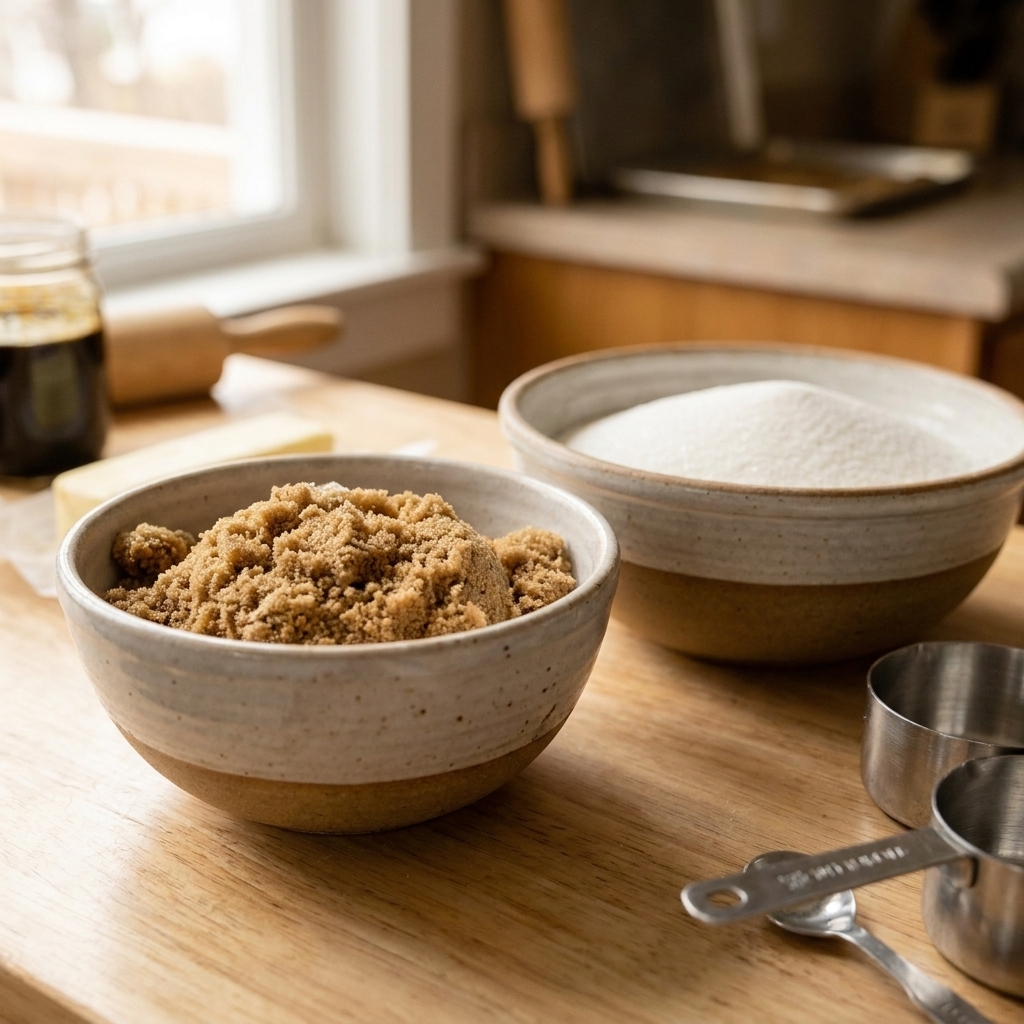
Sugar does more than sweeten. It affects spread, browning, and how much moisture your cookies hold onto after baking.
For soft and chewy
- Use mostly brown sugar. The extra molasses in brown sugar adds moisture and chew.
- Choose dark brown sugar if you want a deeper flavor and a slightly stickier chew.
For crisp and snappy
- Increase granulated sugar. White sugar tends to encourage a cleaner snap as the cookie cools and dries.
- Keep some brown sugar for flavor, but do not let it dominate if your goal is crisp.
If you have ever made two batches and wondered why one stayed softer even with the same bake time, sugar type is often the reason.
Fat: butter vs shortening
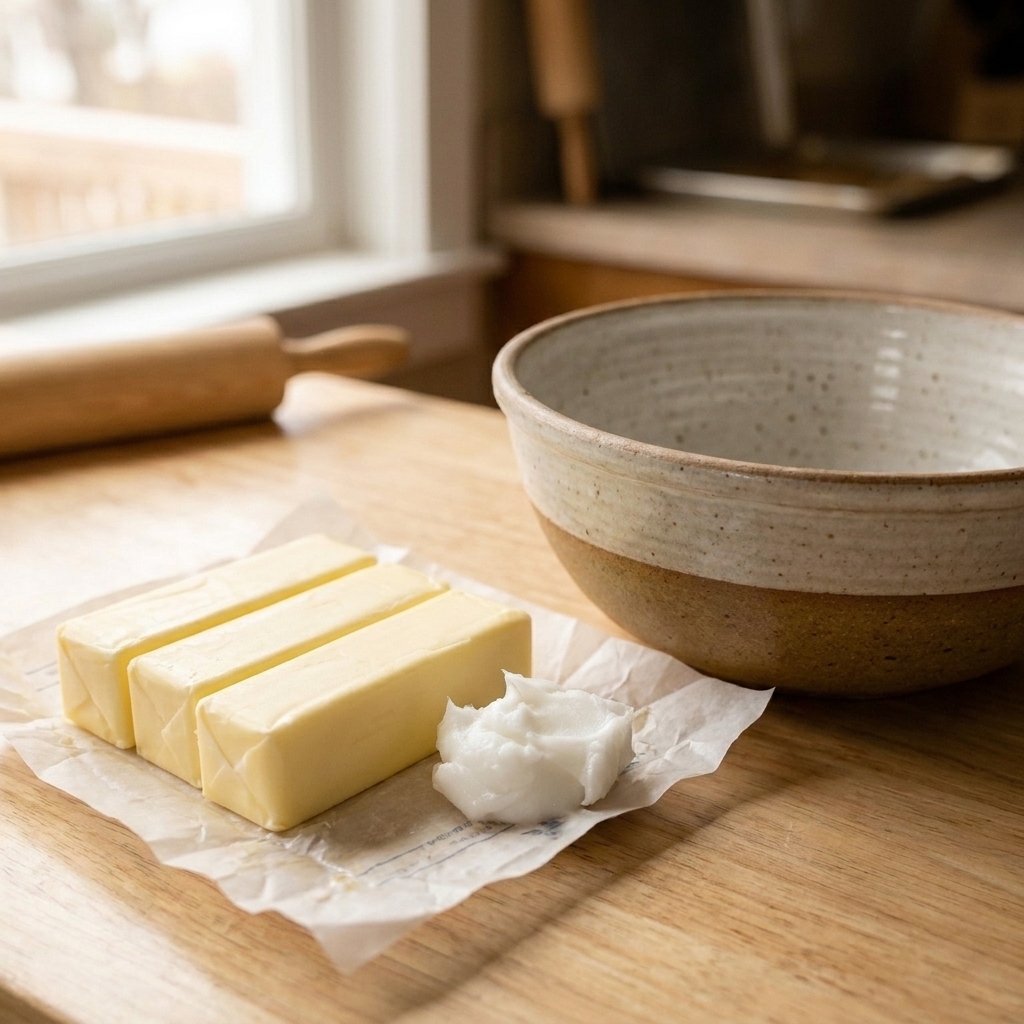
Fat coats flour proteins, limiting gluten development and making cookies tender. But different fats behave differently in the oven.
For soft and chewy
- Butter is your friend for flavor and a tender bite. It melts early, which can increase spread, but in a thicker dough with enough flour it bakes up plush.
- Consider an extra yolk (instead of an extra whole egg) if you want richer chew without adding as much water. Yolks bring fat and emulsifiers.
For crisp cutouts and gingerbread houses
- Use a bit less fat overall to reduce tenderness.
- Consider a partial swap to vegetable shortening if you are building houses. Shortening has a higher melting point, so edges stay sharper and pieces warp less.
- Go easy on eggs. Eggs add water and tenderness, which works against snap and long-term stability.
Translation: butter makes delicious cookies. Shortening makes dependable architecture.
Flour, starch, and thickness
This is where formulation gets really bake-science, in the best way.
Flour level
- More flour creates a stiffer dough, less spread, and a more structured bite. This helps crisp cutouts and house pieces hold their lines.
- Less flour (within reason) plus enough moisture and fat supports a softer cookie.
A quick word on cornstarch
Cornstarch can make cookies feel softer and more delicate by limiting gluten formation and giving a tender crumb. I love a small amount in soft gingerbread when I want that bakery-style, gentle chew.
For crisp house panels, skip it. You want strong, flour-based structure.
Thickness matters
If you want soft cookies, roll thicker. If you want snap, roll thinner. Even the same dough can bake up like two different recipes if thickness changes.
- Soft and chewy target: about 3/8 inch to 1/2 inch thick.
- Crisp cutouts target: about 1/8 inch to 1/4 inch thick.
- House pieces: about 1/4 inch for strength, baked longer for dryness.
Leavening
Leavening helps determine whether your gingerbread is pillowy and thick or flat and sharp-edged.
For soft and pillowy
- Baking soda reacts with acidic ingredients (often including molasses) for lift and browning, and it can also increase spread depending on the dough.
- A pinch of baking powder can add extra puff, especially in thicker rolled cookies.
For crisp and clean cutouts
- Use minimal leavening. Too much lift can round edges and blur details.
- Rely on a firm dough and thorough baking for structure instead of puff.
If your gingerbread people keep turning into gingerbread blobs, check your dough temperature first, then your leavening and fat level.
Spices and browning
Spice is where gingerbread gets its personality, but it is also where cookies can tip from cozy to bitter if you push the bake too hard.
- Ginger brings heat. More ginger reads spicier, not sweeter.
- Cinnamon reads warm and familiar, but it browns quickly on the edges.
- Clove and allspice are powerful. They add depth, but they can taste sharp if the cookie gets too dark.
If your cookies taste slightly burnt even when the timing seems right, try one or two small changes: bake on a light-colored pan, swap in mild or robust molasses instead of blackstrap, and pull the cookies when they are set but not deeply dark.
Mixing and chilling
I know chilling dough can feel like an annoying extra step, but gingerbread rewards patience.
For soft cookies
- Mix just until combined once flour goes in. Overmixing strengthens gluten and can make the bite tougher.
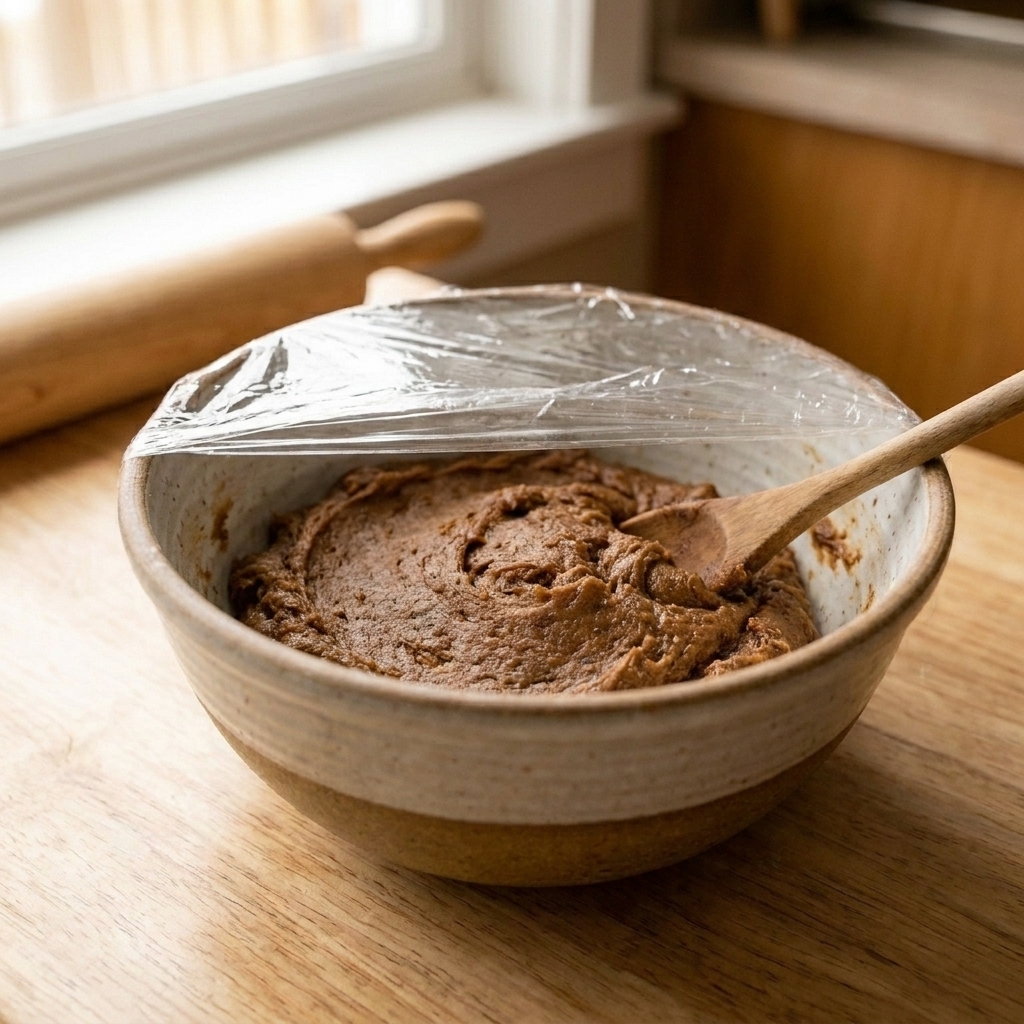
- Chill 1 to 2 hours so the dough is easy to roll and flavors can meld.
For crisp cutouts and houses
- Chill longer, 2 to 4 hours or overnight. Cold dough holds edges.
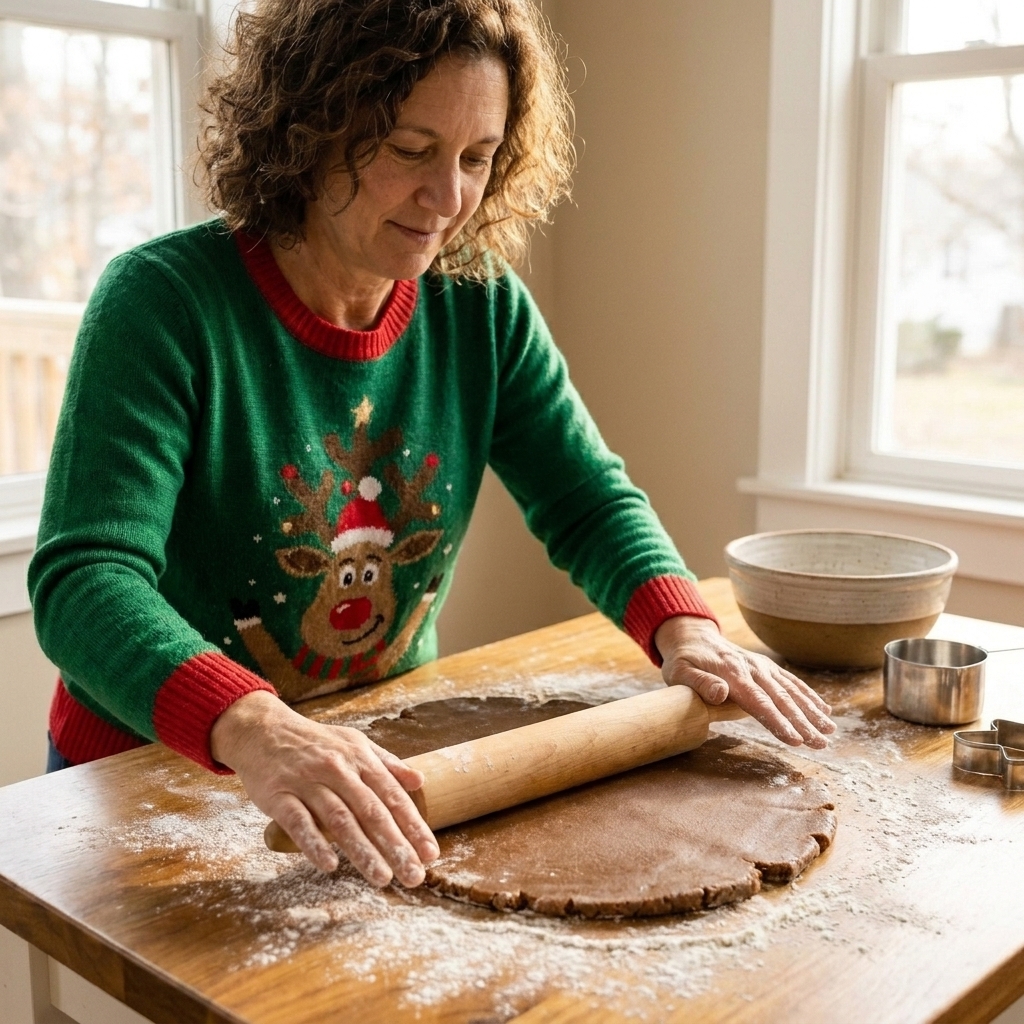
- Roll between parchment to reduce added flour. Too much bench flour can create dry streaks that bake up gritty.
- Cut shapes, then re-chill for 10 to 15 minutes before baking. This tiny step is my secret weapon for sharp details.
Baking time and temperature
You cannot get a chewy cookie if you bake all the moisture out of it. The endpoint matters.
For soft and chewy
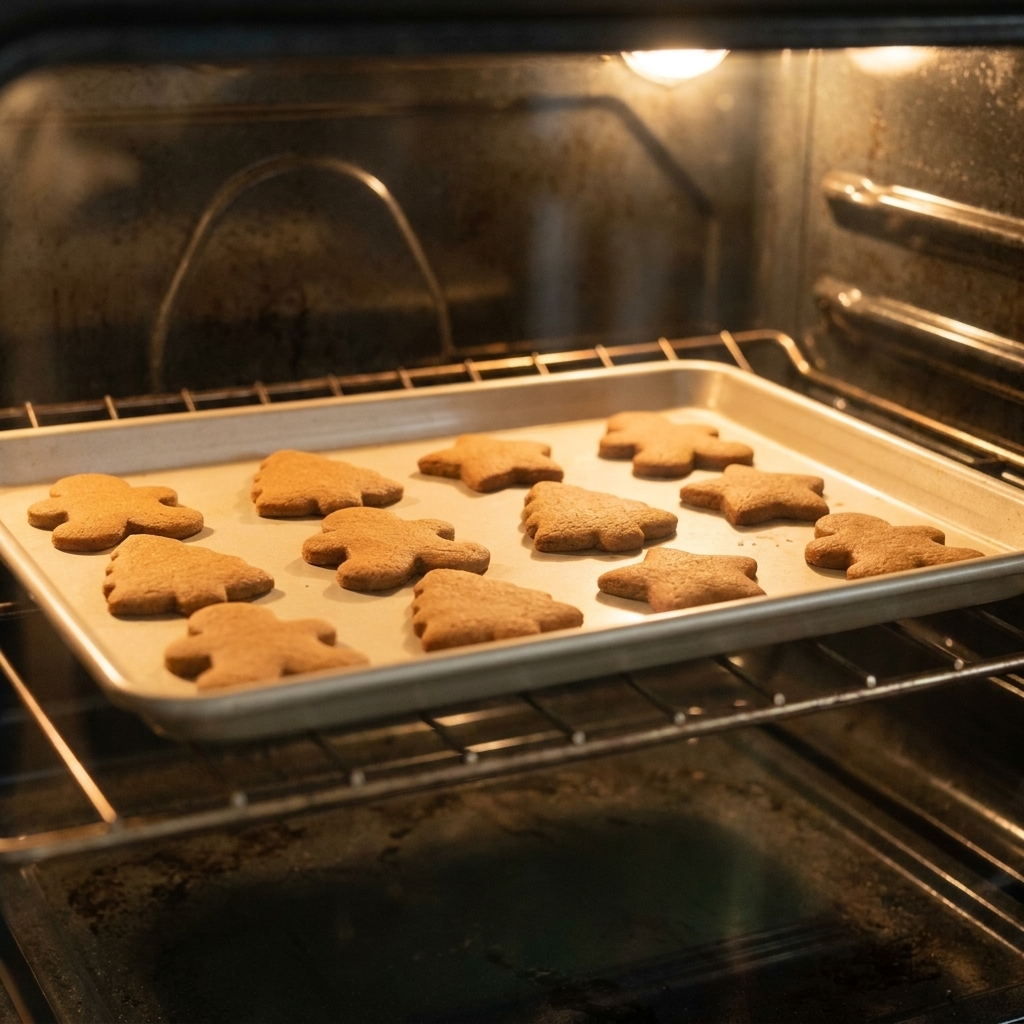
- Start around 350°F so the outside sets while the center stays tender. If your oven runs hot or your spices brown too quickly, drop the temperature slightly.
- Pull them when centers look just set. They may look a tiny bit underdone in the middle, but residual heat finishes the job.
- Cool on the sheet for 5 to 10 minutes so the structure firms without overbaking.
For crisp and snappy
- Start around 325°F and bake a bit longer to dry the cookie evenly without scorching the spices.
- Look for even bake-through. Crisp gingerbread should feel firm and dry across the whole surface, not just browned at the edges.
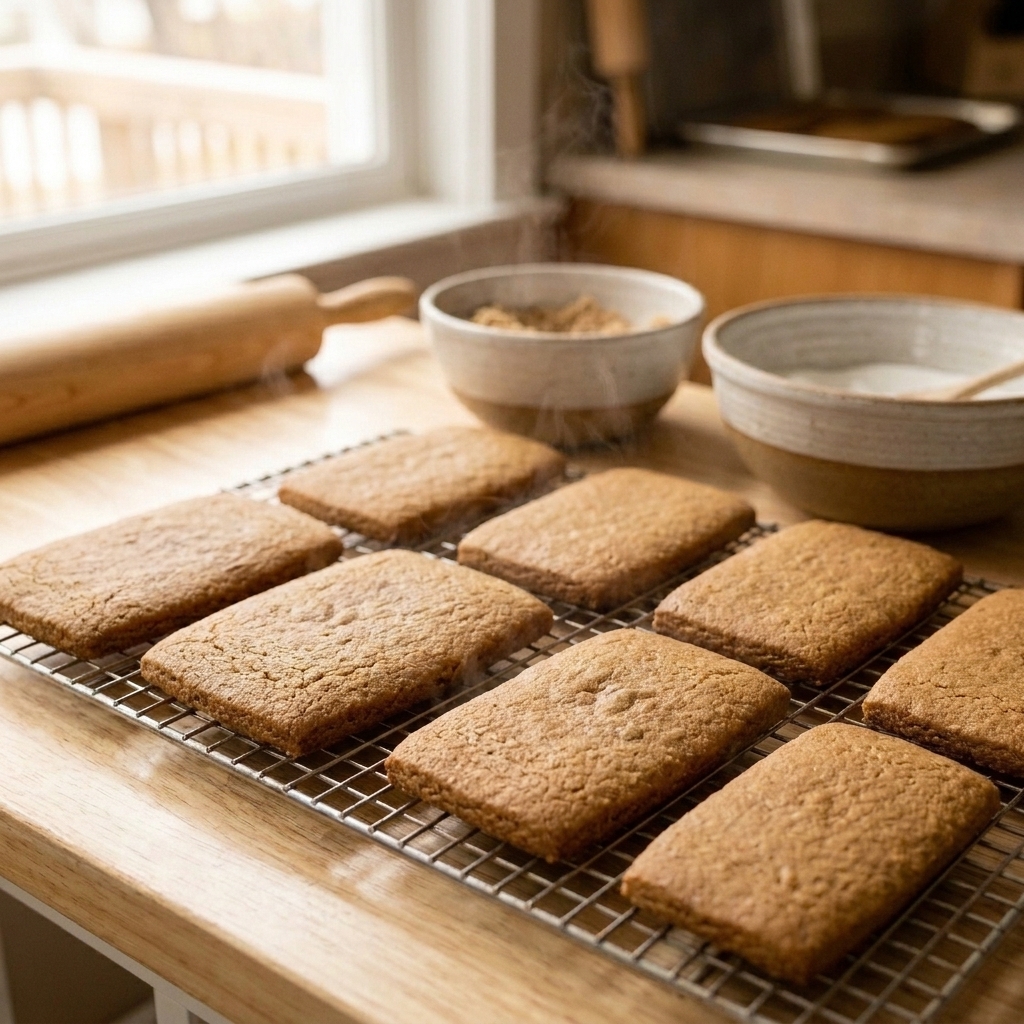
- Cool completely on a rack. Cookies crisp as they cool because steam escapes and sugars set.
Pan and lining tips: Dark pans brown faster, so switch to a light-colored sheet if edges get bitter before centers are done. Parchment generally gives clean bottoms and predictable spread. Silicone mats can reduce browning and sometimes encourage a touch more spread, so if you are chasing very sharp edges, parchment is usually the easier choice.
Quick formulation guide
If you like thinking in ratios instead of strict recipes, here is the way I mentally build gingerbread dough.
| Element | Soft and chewy gingerbread | Crisp cutouts or house pieces |
|---|---|---|
| Molasses | Higher for moisture and chew | Moderate for flavor, less overall moisture |
| Sugar | Mostly brown sugar | More granulated sugar for snap |
| Fat | Butter-forward, possibly extra yolk | Lower fat; consider partial shortening for structure |
| Flour | Enough to roll, but not dry | Higher for a stiffer dough and clean edges |
| Leavening | Normal baking soda, optional pinch baking powder | Minimal leavening for sharp definition |
| Thickness | 3/8 to 1/2 inch | 1/8 to 1/4 inch (house: 1/4 inch, baked longer) |
| Bake | Shorter bake, pull when just set | Longer bake to dry and crisp |
Two quick, low-risk tweaks
- To make a typical batch softer: Increase molasses by 1 to 2 tablespoons, swap some granulated sugar for brown sugar (about 2 tablespoons at a time), and bake 1 to 2 minutes less.
- To make a typical batch crisper: Reduce molasses by 1 tablespoon, swap some brown sugar for granulated (about 2 tablespoons at a time), roll thinner, and bake 2 to 4 minutes longer at a slightly lower temperature.
Those little moves are usually enough to feel a real difference without rewriting your whole recipe.
Troubleshooting
My gingerbread is cakey, not chewy.
- You may have too much flour or too much leavening.
- Try rolling thicker and pulling them earlier.
- Make sure you are not overmixing once flour is added.
My cutouts spread and lose their shape.
- Dough is likely too warm, too soft, or butter-heavy.
- Chill longer and re-chill cut shapes before baking.
- Reduce leavening slightly and avoid greasing the pan. Use parchment.
They are crisp at the edge but bendy in the middle.
- They need more time or thinner rolling for crisp style.
- Cool fully on a rack. Do not judge crispness hot.
My cookies are hard all the way through.
- They are likely overbaked or rolled too thin for a soft style.
- Next time, bump molasses or brown sugar slightly and pull them when centers are just set.
Two workflows
Soft, chewy gingerbread for eating
- Mix wet ingredients well so molasses fully dissolves into the fats and sugars.
- Add dry ingredients and mix just until no flour streaks remain.
- Chill 1 to 2 hours.
- Roll thick, cut, and bake until just set in the center.
- Cool on the pan briefly, then move to a rack.
Crisp gingerbread for building
- Mix to a firm, not-sticky dough.
- Chill overnight if possible.
- Roll evenly to about 1/4 inch between parchment.
- Cut pieces using templates, then re-chill cut pieces before baking.
- Bake longer at a slightly lower temperature until dry and evenly browned.
- Cool completely. If you need extra dryness before assembling, let pieces sit out in a low-humidity room for a few hours.
If you have ever had walls collapse, it is usually because the pieces were underbaked and still holding moisture, not because your icing was weak.
FAQ
Can I swap molasses for honey or maple syrup?
You can, but texture and flavor will change. Honey and maple syrup are sweeter and bring their own water content. For soft cookies, honey can work in a pinch. For crisp cutouts or houses, molasses is worth using for the classic gingerbread flavor, color, and the way it plays with sugar and leavening.
Why do my crisp gingerbread cookies soften after a day?
Moisture migration. If the cookies are not fully cooled before storage, they can trap residual steam and soften. Humidity also matters, and storing crisp cookies with softer cookies is a guaranteed way to lose snap.
For crisp cookies, cool completely, then store airtight once fully dry. If you live in a humid climate, adding a paper towel in the container and swapping it daily can help manage moisture. For gingerbread house pieces, many bakers intentionally let panels dry out uncovered for a few hours before assembling.
Does resting the dough actually help?
Yes. Resting lets flour hydrate, spices bloom, and the dough firm up. Even 1 to 2 hours makes rolling easier and improves flavor. Overnight is fantastic for crisp cutouts and house pieces.
What is the easiest way to get chewy gingerbread without it spreading?
Roll thicker, chill well, and keep enough flour structure. Chewy does not have to mean flat. Thickness plus proper chilling gets you that tender center with cleaner edges.