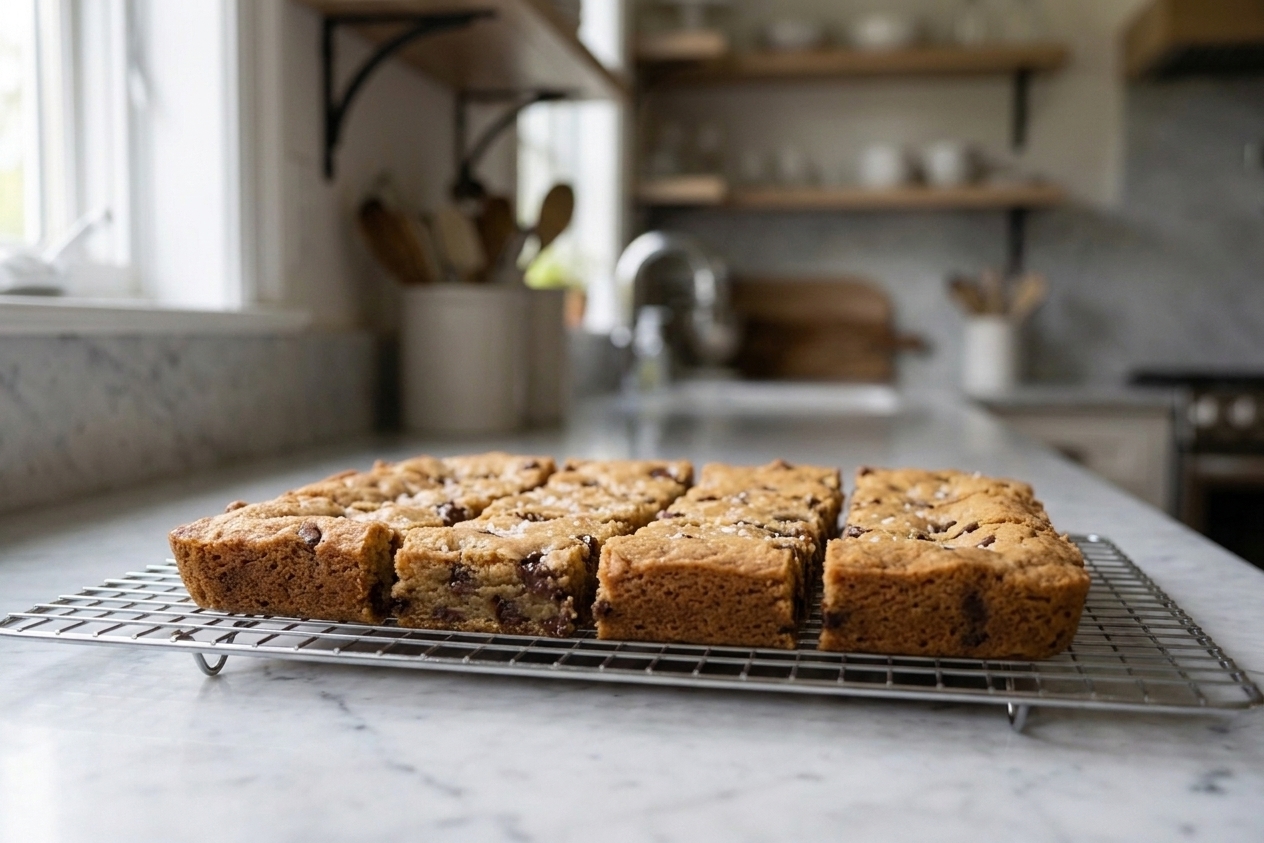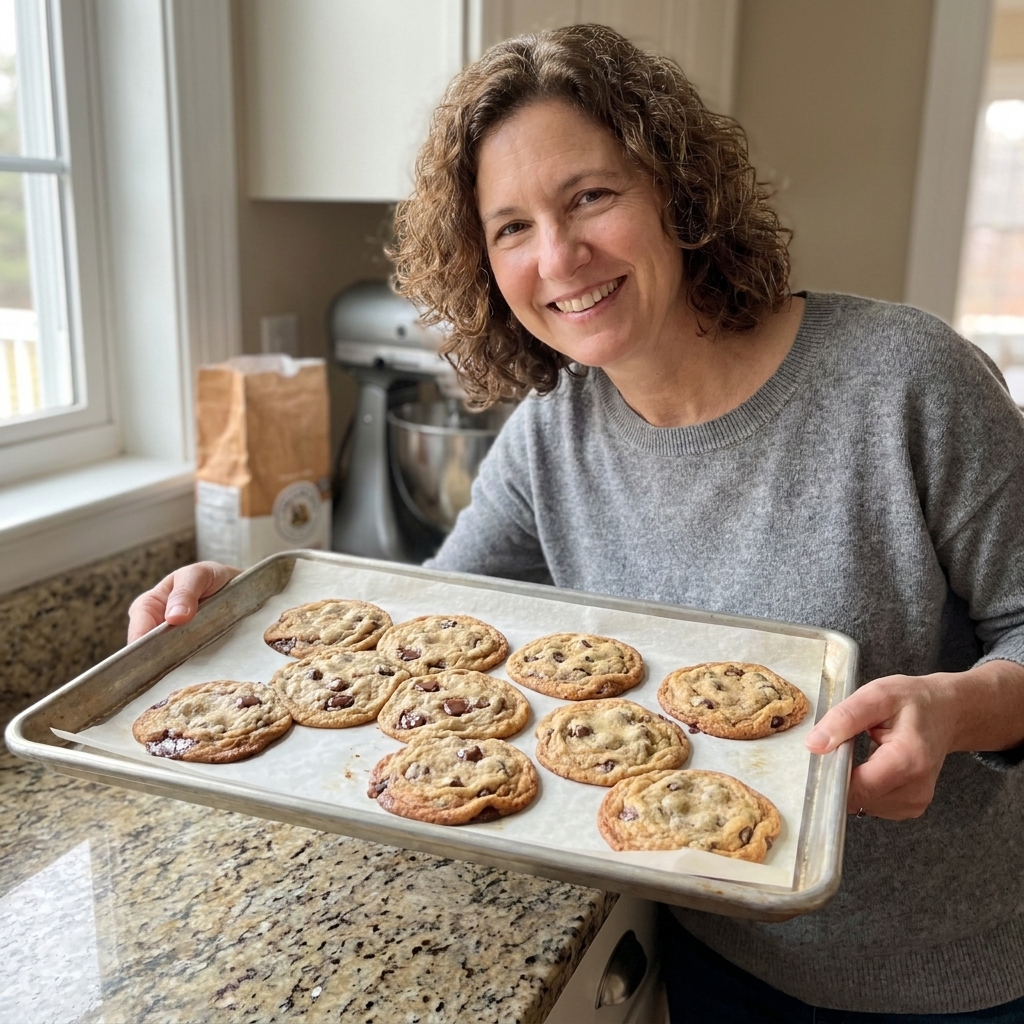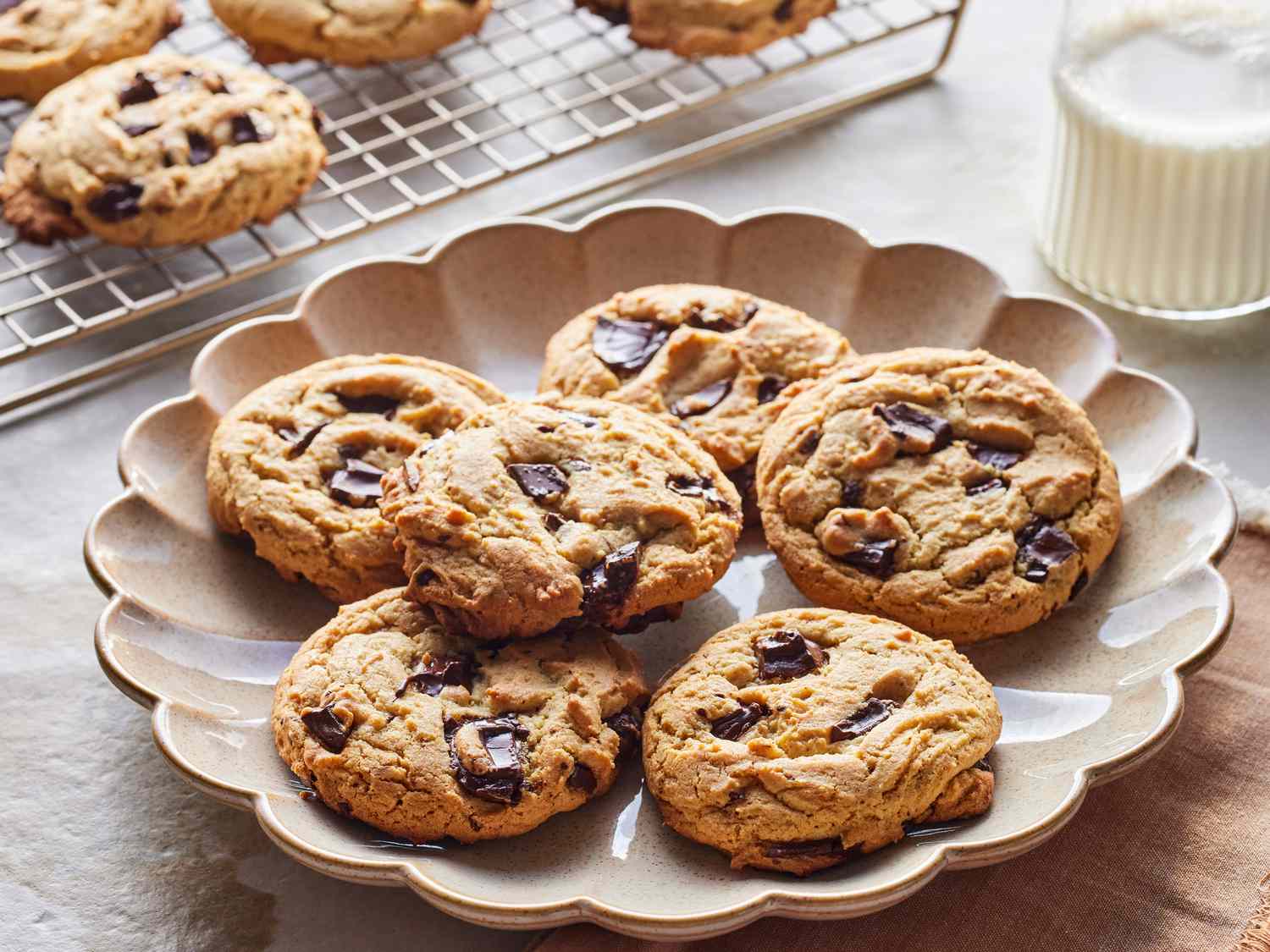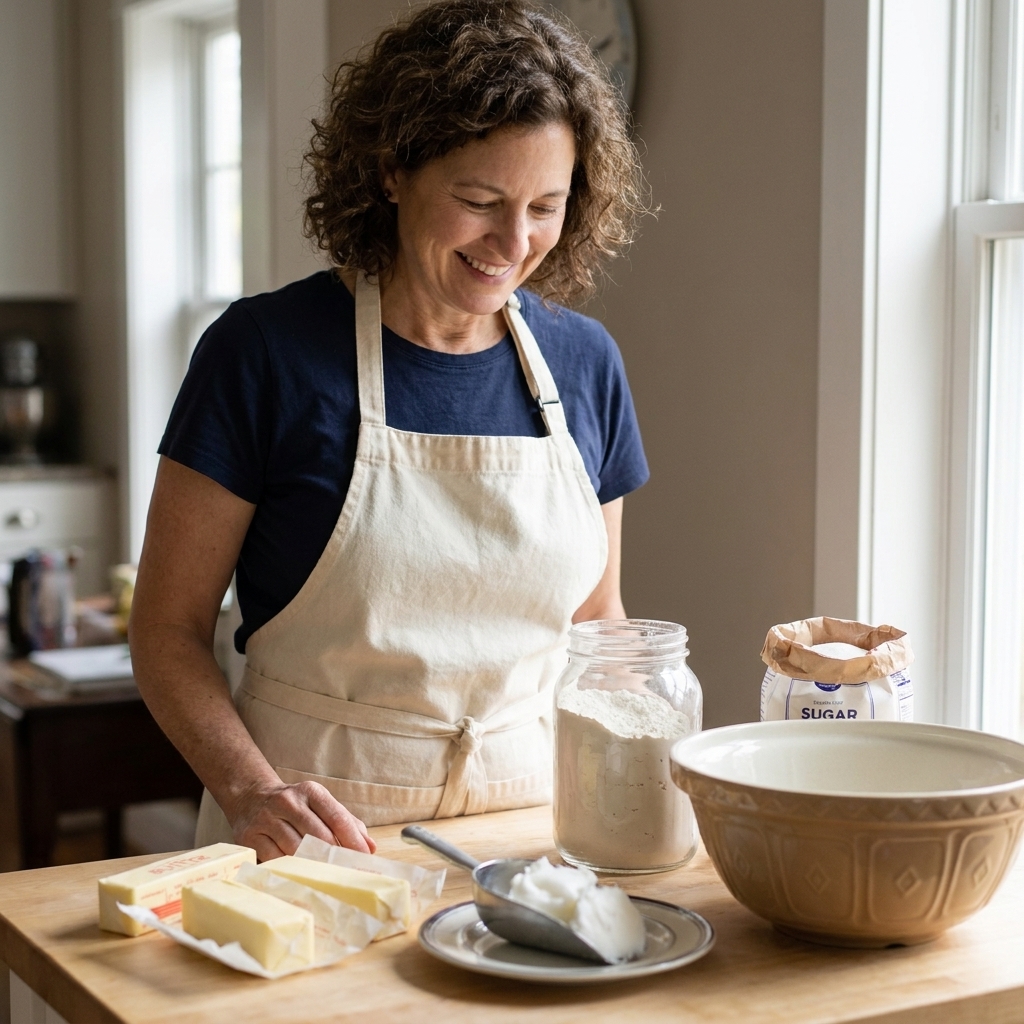
If you have ever wondered why one batch of chocolate chip cookies spreads very thin and lacy while another bakes up thick with chewy centers, I can almost guarantee the answer started in the mixing bowl. The creaming method is not just “mix butter and sugar.” It is the moment you build tiny air pockets that help cookies and blondies bake up lighter, more tender, and evenly textured.
Let’s walk through exactly how to cream butter and sugar until it is lightened and fluffy, what it should look like at each stage, and how to fix it if things go sideways.
What creaming does
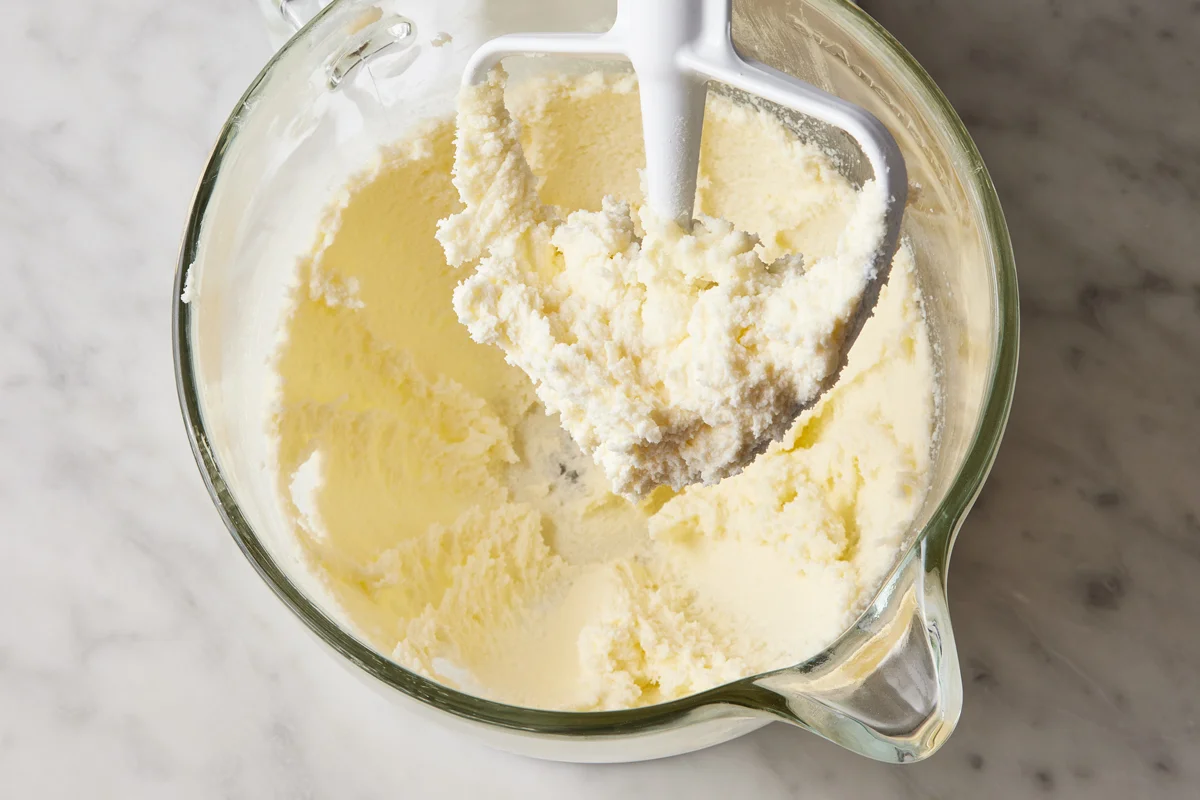
Creaming is mechanical leavening. When you beat butter with sugar, the sharp edges of the sugar crystals cut into the butter and create microscopic air pockets. Those pockets expand in the oven, giving your cookies lift and helping bar cookies bake up with a softer bite.
In cookie and bar recipes, creaming also:
- Sets texture: more aeration usually means a lighter, cakier result; less aeration leans denser and fudgier.
- Influences spread: how well the fat is aerated and the butter temperature both matter, but spread is also shaped by your flour and sugar ratios, dough hydration, leaveners, pan temperature, and oven heat.
- Improves consistency: the dough emulsifies more smoothly once eggs are added, which helps prevent greasy, separated batter.
Ingredients and temperature
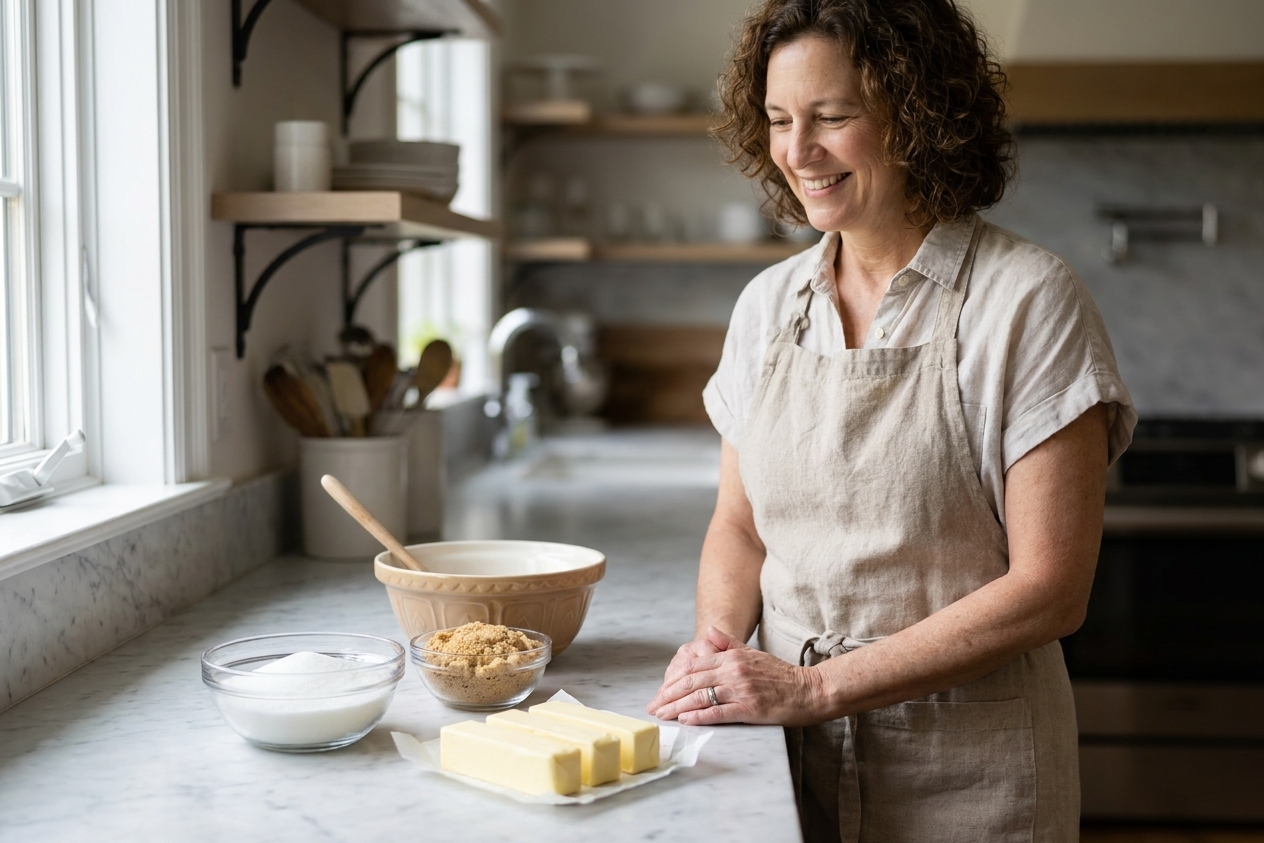
Butter: aim for cool room temp
For most cookie and blondie recipes, you want butter that is soft enough to indent when you press it, but it should not look shiny or greasy. If it slumps, it is too warm.
- Ideal feel: you can press a fingerprint into the stick, but it still holds its shape.
- If butter is too cold: it will clump and resist aeration, and you will be tempted to overmix later.
- If butter is too warm: it traps less air and can lead to extra spread and a greasier dough.
Salted vs unsalted butter
Either one will cream, but most baking recipes are written for unsalted butter so you can control the salt level. Using salted butter will not change the creaming mechanics, but it can nudge the final flavor saltier.
Sugar: white vs brown
Different sugars cream differently.
- Granulated sugar helps create more air pockets because of its crystal structure. Great for lift and crisp edges.
- Brown sugar is moist and slightly acidic, and it tends to cream into a thicker, more paste-like mixture. Great for chew.
- Powdered sugar contains starch and creams very smoothly, often producing a finer, more tender crumb (common in shortbread-style cookies).
Tools
- Stand mixer with paddle: easiest for consistent aeration and scraping.
- Hand mixer: works great, just plan to stop and scrape more often.
- Wooden spoon: possible, but it takes longer and you will not get as much aeration.
- Rubber spatula: non-negotiable for scraping down the bowl.
If you use a stand mixer, the paddle attachment is usually the best choice for cookie dough. A whisk can incorporate a lot of air quickly and may warm the butter faster, depending on your mixer and speed.
How to cream butter and sugar
1) Beat the butter first
Add the butter to the bowl and beat it for about 30 to 60 seconds on medium speed to loosen it. This quick step helps the sugar incorporate evenly.
2) Add sugar and start low
Add the sugar and mix on low just until it stops flying around. Then increase to medium.
3) Mix, then scrape
Cream on medium speed and stop at least once (usually twice) to scrape the bowl and paddle. This is where many people lose the benefits of creaming without realizing it. Butter left on the sides can later show up as streaks, uneven texture, or little soft pockets in the dough.
4) Keep going until you see the cues
Timing depends on your mixer and batch size, but for most cookie and blondie recipes, you are looking at 2 to 5 minutes total once sugar is added.
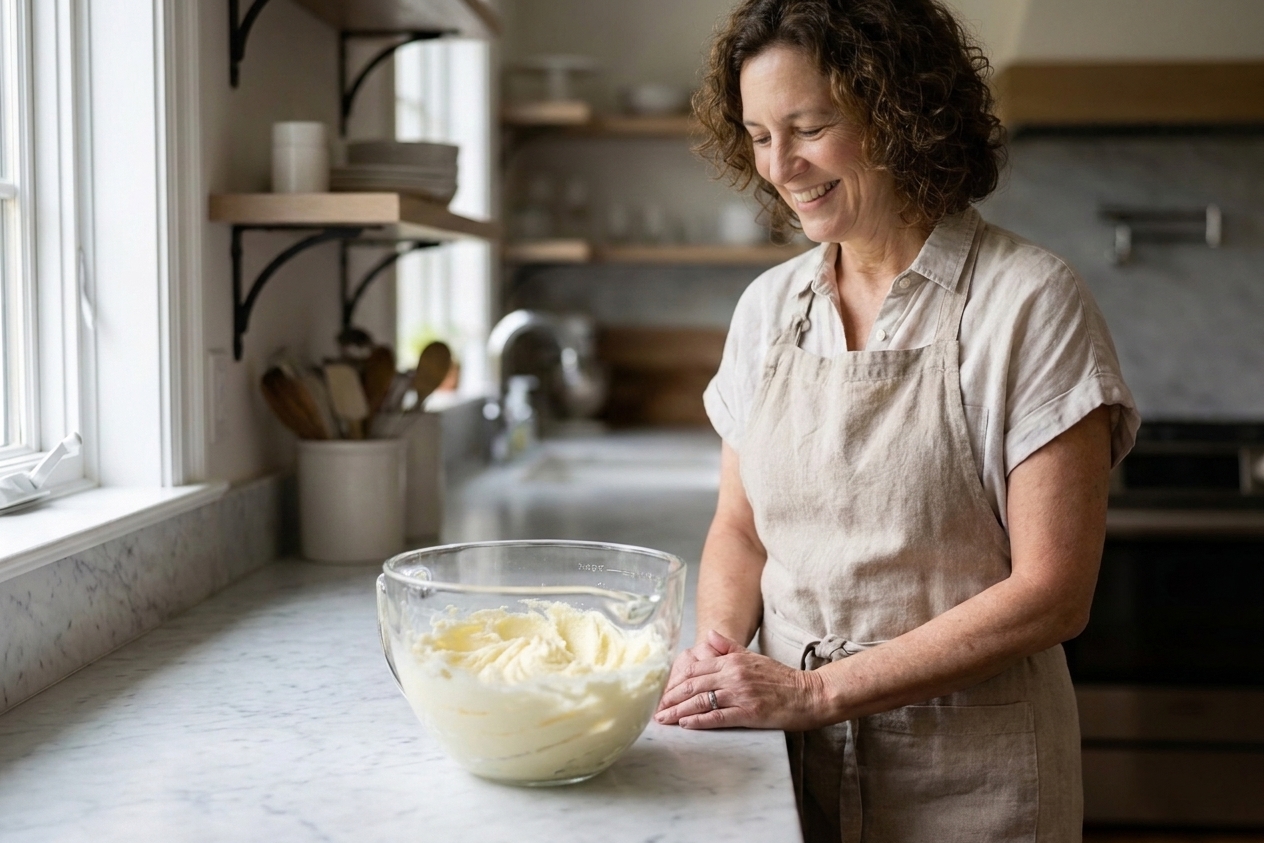
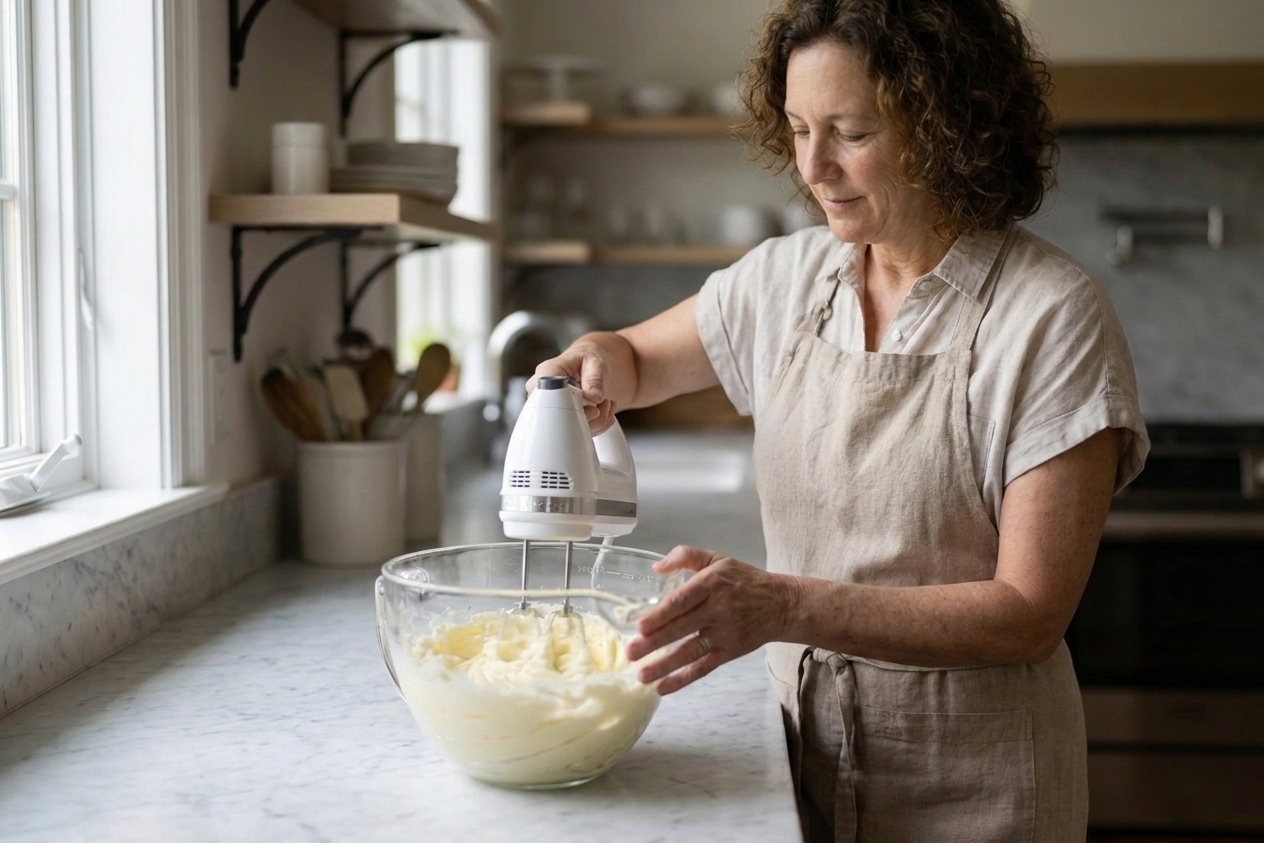
What “lightened and fluffy” looks like:
- The mixture is noticeably lighter in color than when you started.
- It looks increased in volume and slightly poofy.
- It clings to the paddle and looks creamy, not wet or oily.
- If you swipe a spatula through it, the ridge holds briefly before slowly softening.
How long to cream
Some recipes intentionally cream less (dense blondies, chewy brownies that use softened butter). Others cream more (cakier cookies, sugar cookies with lift).
- 1 to 2 minutes: lightly combined, thicker mixture, less air. Often used when you want chew or density.
- 2 to 4 minutes: my sweet spot for most drop cookies and cookie bars.
- 4 to 6 minutes: very aerated, lighter, and fluffier. Useful for cookies that should be a bit taller, as long as the butter is not overheating.
If your kitchen is warm, err on the shorter side and rely on good scraping and proper butter temperature.
Stand mixer vs hand mixer
Stand mixer
- Use medium speed most of the time. On many KitchenAid mixers, that is often around speed 4 to 6.
- Scrape at least twice.
- Watch for butter warming. If the bowl feels hot, pause for 2 minutes.
Hand mixer
- Expect slightly longer creaming because the beaters are smaller.
- Move the mixer around the bowl to avoid leaving butter uncreamed at the bottom edges.
- Scrape more often, usually every 60 to 90 seconds.
After creaming
Add eggs the right way
Add eggs one at a time, mixing just until each disappears. If you dump them in all at once, the mixture can look curdled and the dough can turn greasy.
Tip from my cookie exchange playbook: eggs mix in more smoothly when they are not ice cold. Room-temperature eggs help the butter mixture stay emulsified.
Add dry ingredients gently
Once flour goes in, overmixing develops gluten, which can make cookies tougher and bars more bready. Mix on low just until you stop seeing streaks of flour, then finish with a spatula.
Troubleshooting
My mixture looks greasy and shiny
Cause: butter is too warm or you creamed on too high a speed for too long, heating the fat.
Fix: pop the bowl in the fridge for 10 minutes, then continue on medium. If you are about to add eggs, chill first so the batter does not break.
It is clumpy and the sugar is not blending
Cause: butter is too cold.
Fix: let it sit at room temperature for 10 to 15 minutes, then beat the butter alone for a minute before adding sugar again.
It looks curdled after adding eggs
Cause: eggs were cold or added too quickly, so the mixture temporarily separated.
Fix: keep mixing on medium for 30 to 60 seconds. If it still looks broken, add 1 tablespoon of the measured flour (from your recipe) and mix briefly to bring it back together. Keep it to a small amount so you do not throw off the recipe’s texture.
My cookies spread too much even though I creamed correctly
Often this is not the creaming alone. Butter temperature and dough warmth are big factors, but ingredient ratios and oven variables matter too.
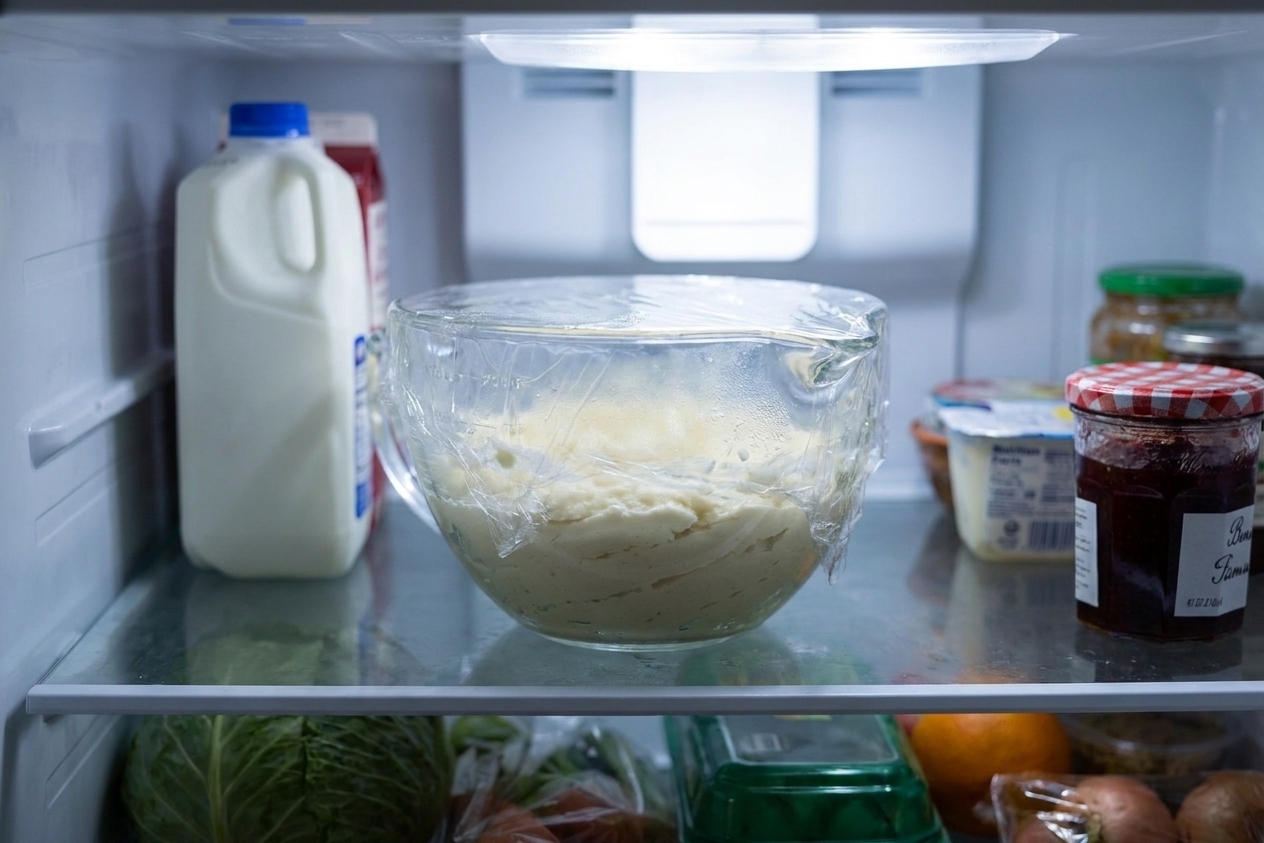
- If the dough feels soft and glossy, chill it for 30 to 60 minutes.
- Check your baking sheet. A warm pan from the previous batch can melt dough fast.
- Make sure your oven is fully preheated. A cool oven encourages spread before the edges set.
- If this keeps happening, double-check your flour measurement and consider flour protein differences between brands.
Quick checklist
- Butter temp: soft but not shiny, holds shape.
- Speed: low to start, then medium for most of the creaming.
- Time: typically 2 to 5 minutes after sugar is added.
- Scrape: at least twice, including the bottom of the bowl.
- End result: lighter in color, fluffy, creamy ridges.
FAQ
Can I cream butter and sugar by hand?
Yes, especially for smaller batches. It will take longer, and you may not get quite as much aeration, but you can still reach a lighter, creamier mixture if your butter is properly softened and you beat vigorously.
Do I cream brown sugar the same way as white sugar?
The method is the same, but the visual cue changes. Brown sugar mixtures will look more tan than pale, and they will be thick and fluffy rather than very light in color. Look for volume and a creamy, cohesive texture.
Should I cream until completely smooth with no grit?
Not necessarily. Granulated sugar does not fully dissolve during creaming, so a slight grain is normal. You are aiming for aeration and even blending, not a melted-sugar texture.
Does creaming longer always mean better cookies?
No. Too much creaming can warm the butter and push cookies toward a puffier, cakier texture. For chewy cookies and dense blondies, a moderate cream is usually perfect.
How to practice
If you want to get confident fast, practice with a half batch of a simple cookie dough and stop to look at the butter-sugar mixture at the 1-minute, 3-minute, and 5-minute marks. Once you recognize the look, you will never forget it. That little moment in the mixer bowl is one of the biggest secret weapons in cookie baking.