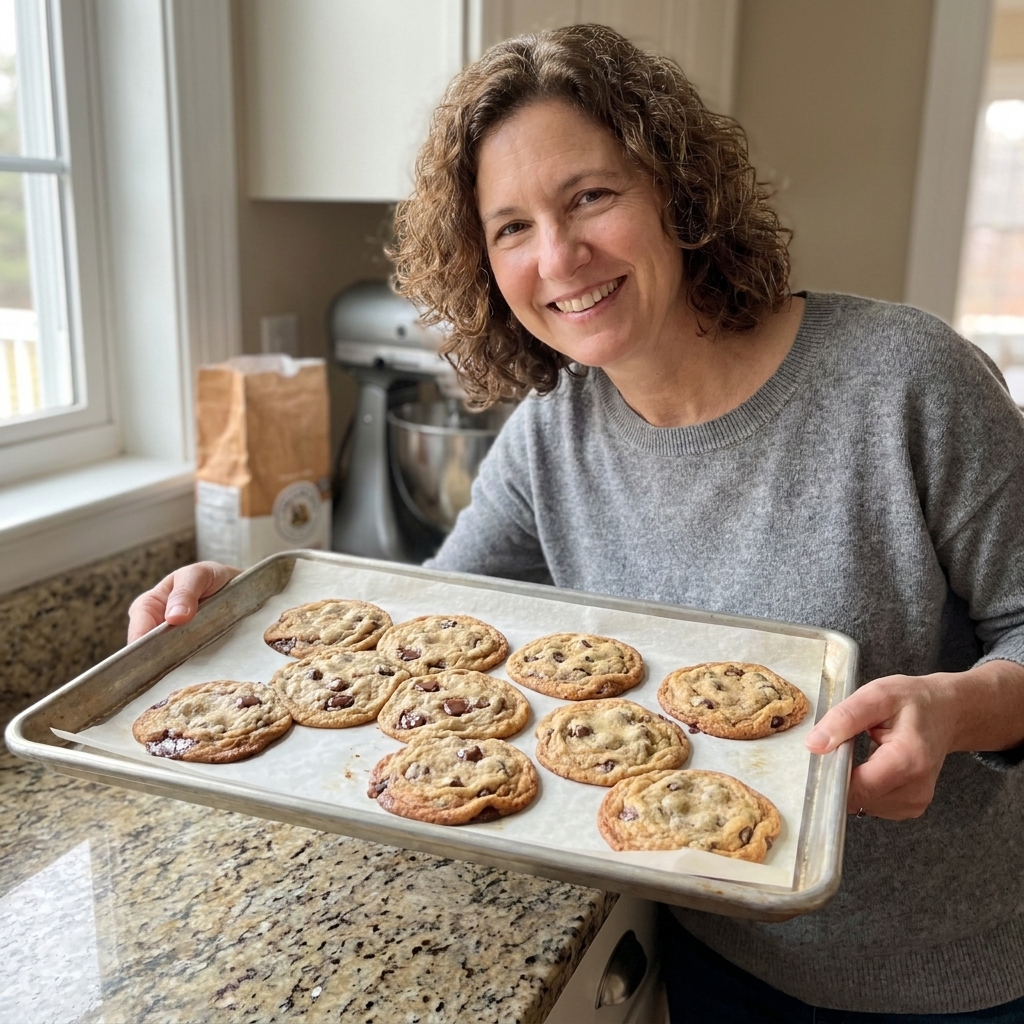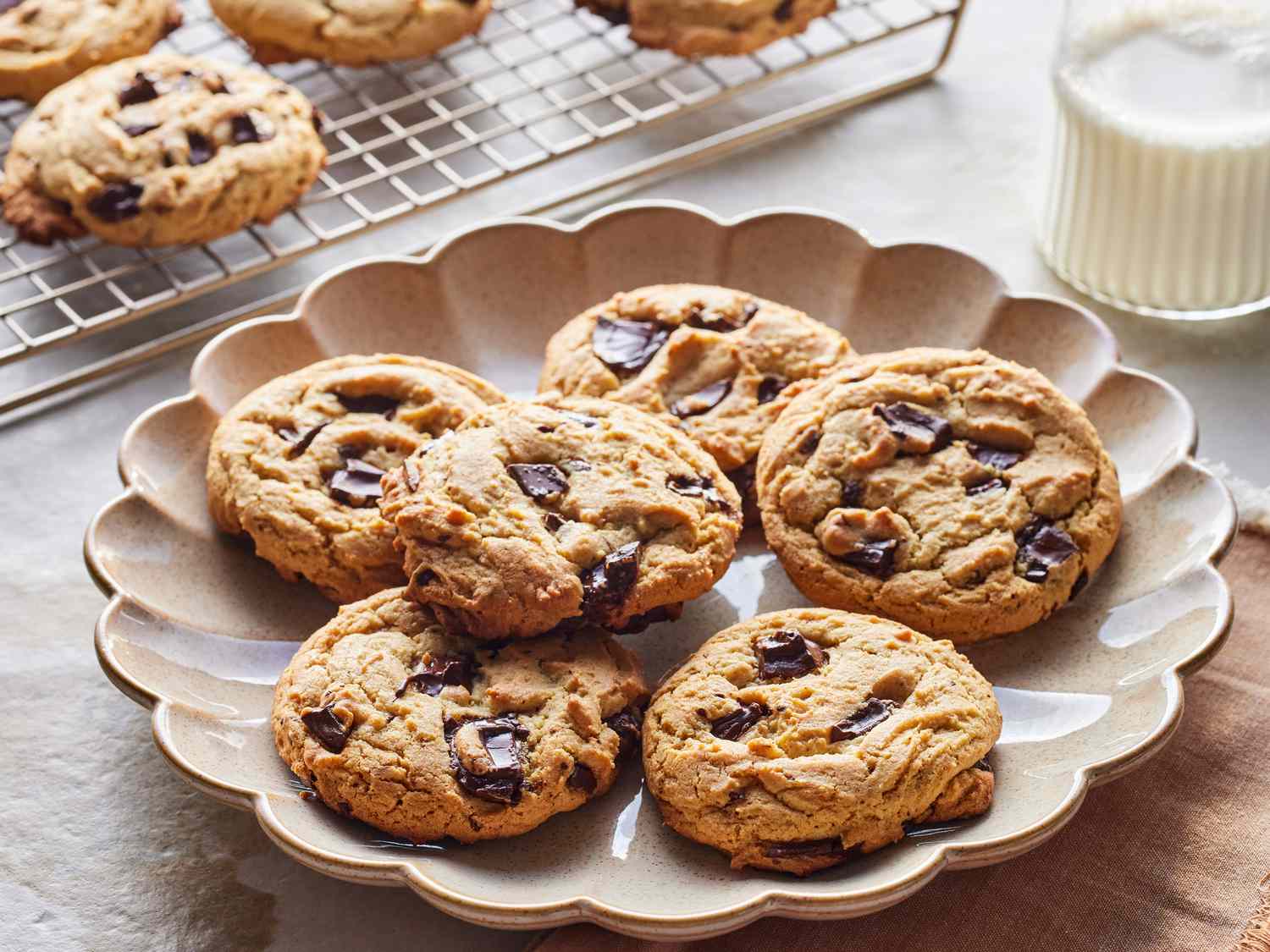
If you have ever baked one batch of cookies that spread into buttery puddles and another that stayed puffy and cakey, your leavener is often part of the reason. Baking soda and baking powder both create gas bubbles that lift dough, but they do it on different schedules and under different conditions. In cookie recipes, that timing affects everything: spread, thickness, chew, browning, and even flavor.
Let’s break it down in a way you can actually use at the mixing bowl, whether you are baking classic chocolate chip cookies, chewy snickerdoodles, or a thick pan of blondies.
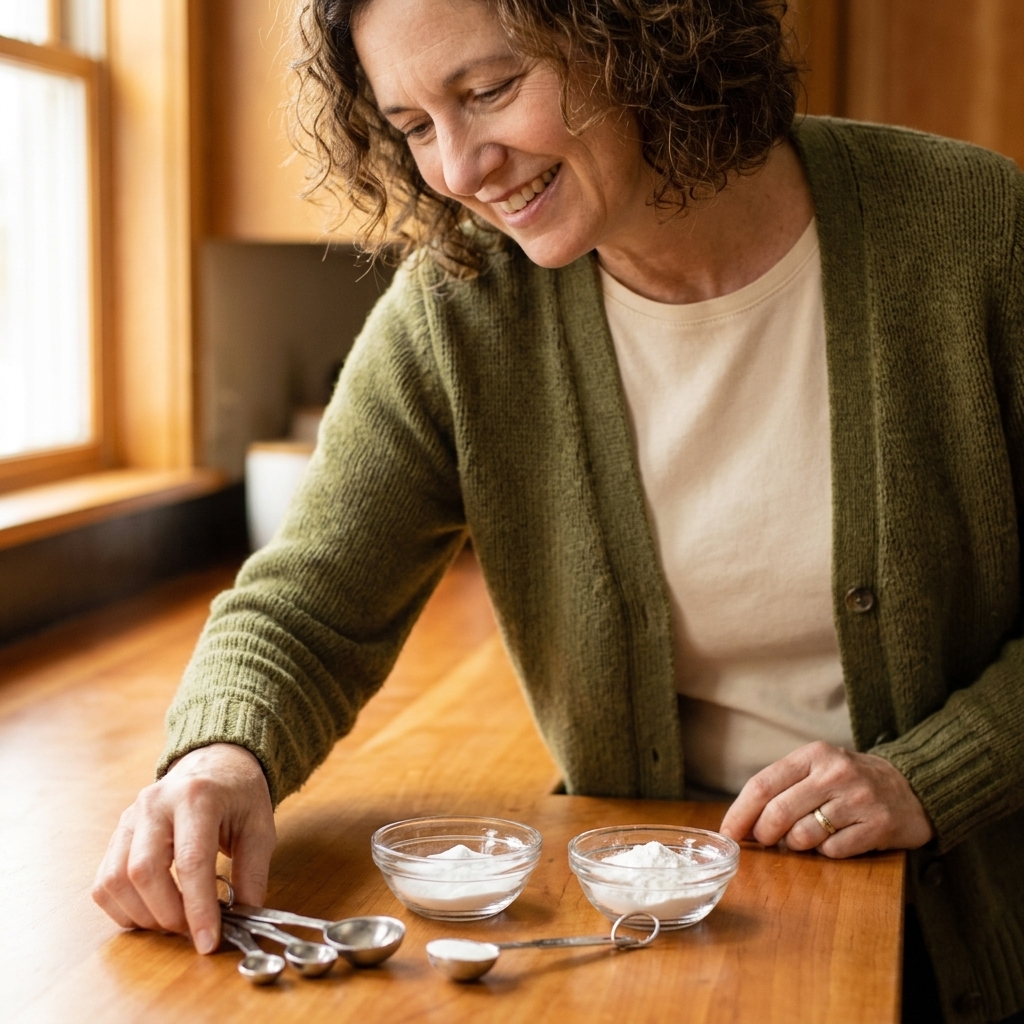
What leaveners do
Leaveners create carbon dioxide gas. Those tiny bubbles expand in the oven and help cookies rise and set with a lighter texture. In cookies and bars, leaveners also influence:
- Spread: how quickly the dough relaxes and flows before it sets
- Thickness: whether the center bakes up domed or stays low and chewy
- Browning: how deeply golden (or dark) the surface becomes
- Texture: chewy and dense vs. cakey and tender
- Flavor: a subtle tang, a clean sweetness, or a soapy aftertaste if misused
Think of leaveners as your cookie structure. A small change can turn the same base dough into a totally different cookie.
Baking soda basics
Baking soda is sodium bicarbonate. It needs acidity to fully react and release carbon dioxide. Some cookie ingredients can contribute acidity, but how much they neutralize baking soda depends on the formula and amounts. Many recipes also intentionally leave a little baking soda un-neutralized to encourage browning and that classic cookie flavor.
How soda behaves
- Reacts quickly: once it meets liquid and acid, it starts producing gas right away
- Can encourage spread: it raises the dough’s pH (more alkaline), which can weaken structure early, giving the dough a little more time to relax before it sets
- Boosts browning: a more alkaline dough browns more readily, giving you deeper golden edges
- Often supports chew: many chewy cookie styles rely on baking soda plus brown sugar for that bendy center
When soda is a good fit
- Chocolate chip cookies with a higher brown sugar ratio
- Ginger molasses cookies
- Snickerdoodles (paired with cream of tartar)
- Cookies and bars with molasses or natural cocoa
Common soda mistake: using more baking soda than the available acidity and structure can handle. That can lead to a soapy or “off” aftertaste, odd browning, or extra spread.
Baking powder basics
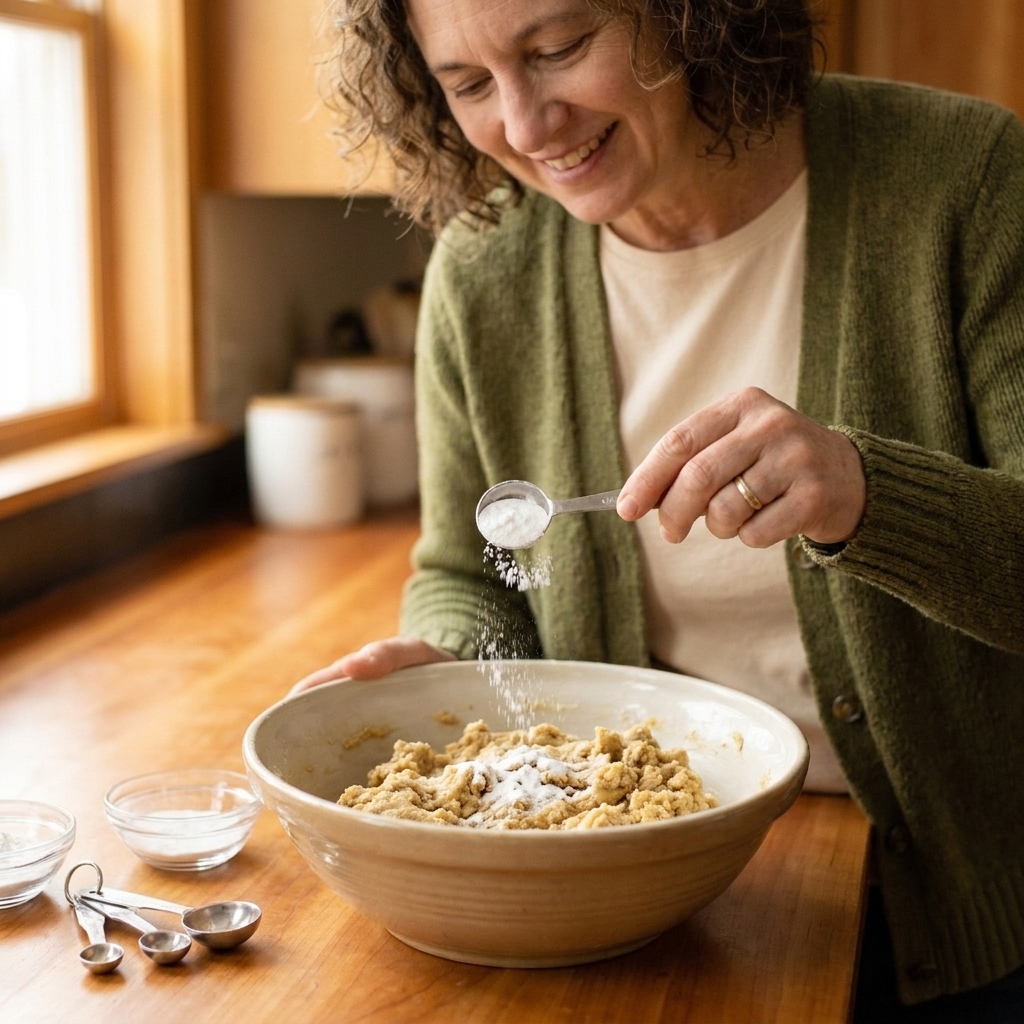
Baking powder is baking soda plus powdered acid(s) and starch. Most grocery-store baking powder is double-acting, meaning it releases some gas when it gets wet and more gas when it hits oven heat (exact timing varies by brand).
How powder behaves
- Works without added acid: because the acid is built in
- Steadier lift: helps cookies rise and hold a thicker shape
- Often less spread: dough tends to keep its mound better
- Tender texture: especially if used in larger amounts
When powder shines
- Sugar cookies that should keep their shape (especially cut-out styles)
- Soft frosted cookies
- Bar cookies where you want a little lift without lots of spread
- Recipes with mostly white sugar and not much natural acidity
Common powder mistake: too much baking powder can make cookies puff up and then collapse, leaving a dry, bready texture and a faint bitter note.
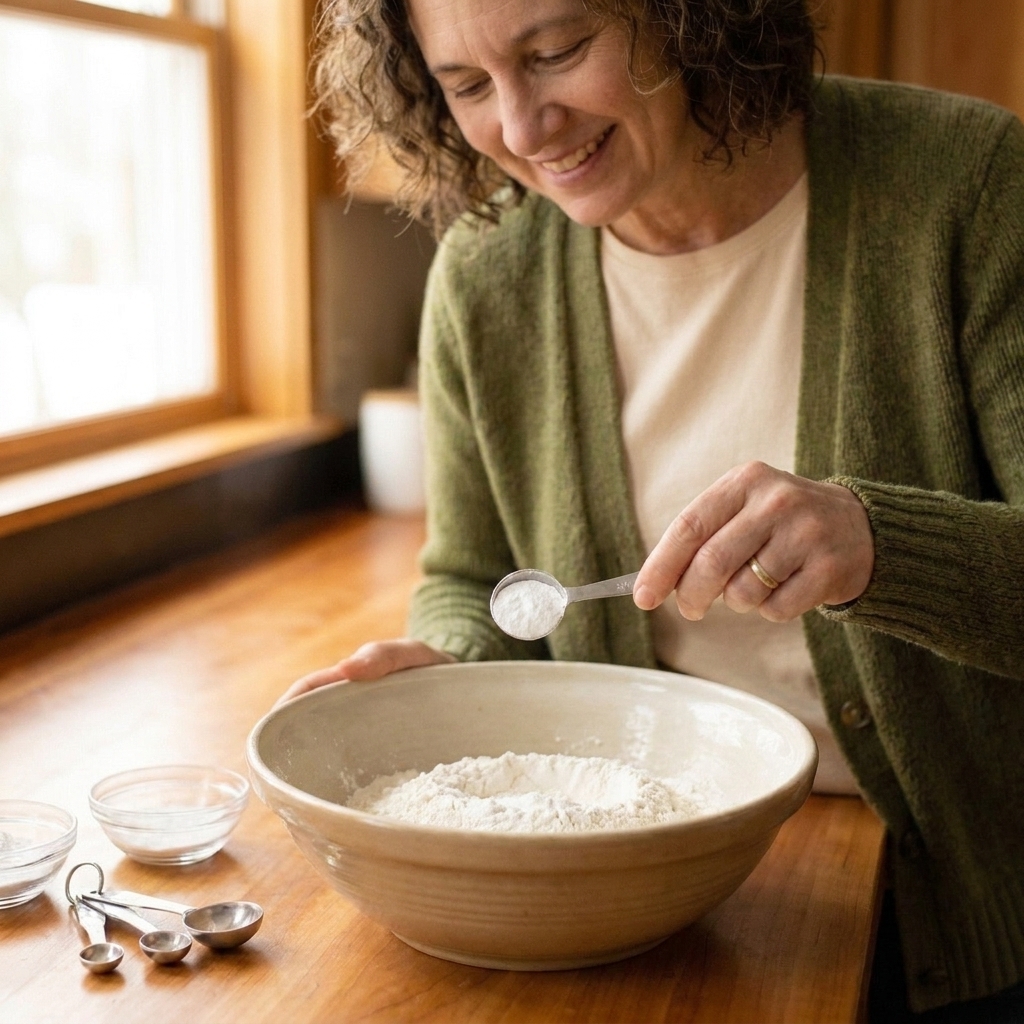
Spread, lift, browning
If you remember nothing else, remember this: baking soda usually spreads and browns more, and baking powder usually lifts and stays thicker.
| Goal | Usually choose | Why it helps |
|---|---|---|
| Chewy centers, crisp edges | Baking soda | Alkalinity supports browning, and early reaction can give more spread before the cookie sets |
| Thicker, puffier cookies | Baking powder | Double-acting lift supports a taller shape |
| Deep golden color | Baking soda | Higher pH helps the cookie brown faster |
| Shape-holding sugar cookies | Baking powder (or none) | Steadier rise with less tendency to spread |
| Dense, fudgy bars | Often little to none | Too much leavener can push bars into cakey territory |
Concrete example: If your chocolate chip cookie recipe leans heavily on brown sugar, baking soda often supports that chewy, caramel-browned profile. If it uses mostly white sugar and you want a thicker cookie, baking powder (or a blend) can help it hold its shape.
Why some recipes use both
Using both baking soda and baking powder is not redundant. It is a way to fine-tune the cookie:
- Baking soda can help with browning and spread, and it plays well with acidic ingredients in the dough.
- Baking powder can add extra lift and help the cookie stay thicker.
This combo is common in thick, bakery-style cookies and in dessert bars where you want a little rise without losing a soft, chewy bite.
What activates baking soda
Here are ingredients that can provide acidity for baking soda. Some are reliable; others are mild and depend on the amount used.
- Very reliable: buttermilk, yogurt, sour cream, cream of tartar, citrus juice or vinegar (in small amounts)
- Often helps: brown sugar (from molasses), molasses
- Can be mildly acidic: honey (acidity varies and the amount matters)
- Depends on the product: natural cocoa powder (acidic) vs. Dutch-processed cocoa (less acidic)
- Varies by brand: peanut butter (do not rely on it as your only acid)
If your recipe is mostly butter, white sugar, flour, eggs, and vanilla, it may not have much acidity. That is when baking powder (or a blend) often makes more sense.
Substitutions
You can substitute, but it is rarely a clean swap. Leaveners are not just “rise.” They change pH, spread, and flavor.
If you only have baking powder
A common rule of thumb is 1 teaspoon baking powder for 1/4 teaspoon baking soda. This is a rough conversion for gas power, not a promise of identical cookies. Expect a puffier, less browned cookie and potentially less chew. Also know that baking powder adds built-in acids and starch, so flavor and texture can shift.
If you only have baking soda
Replace baking powder with baking soda only if your dough has enough acidity. Otherwise, you may need to add an acid (like cream of tartar or a small amount of lemon juice), and even then the cookie may spread more than intended.
Real-world advice: If the recipe was tested with a specific leavener, follow it. If you must swap, start with a half batch and take notes.
Troubleshooting
Cookies spread too much
- Possible leavener angle: too much baking soda can increase spread by shifting pH and weakening structure early.
- Also check first: butter too warm, dough not chilled, baking sheet still hot, high sugar-to-flour ratio, too little flour.
- Fix next time: level your measuring spoon, reduce baking soda slightly (even 1/8 teaspoon matters), chill dough, weigh flour if you can.
Cookies are puffy and cakey
- Possible leavener angle: too much baking powder, or powder used where soda was intended.
- Also check: too much flour, overmixing after adding flour, too many eggs for the cookie style.
- Fix next time: reduce baking powder, or switch part of it to baking soda if the recipe includes reliable acidity.
Cookies taste bitter or off
- Possible leavener angle: excess baking soda (soapy) or old baking powder (stale, metallic).
- Fix next time: measure carefully with level spoons, replace leaveners regularly, do a quick freshness test.
Cookies brown too fast
- Possible leavener angle: higher baking soda can deepen browning.
- Also check: dark pans, oven running hot, rack too high, too much sugar.
- Fix next time: move rack to center, verify oven temp, consider a tiny soda reduction.
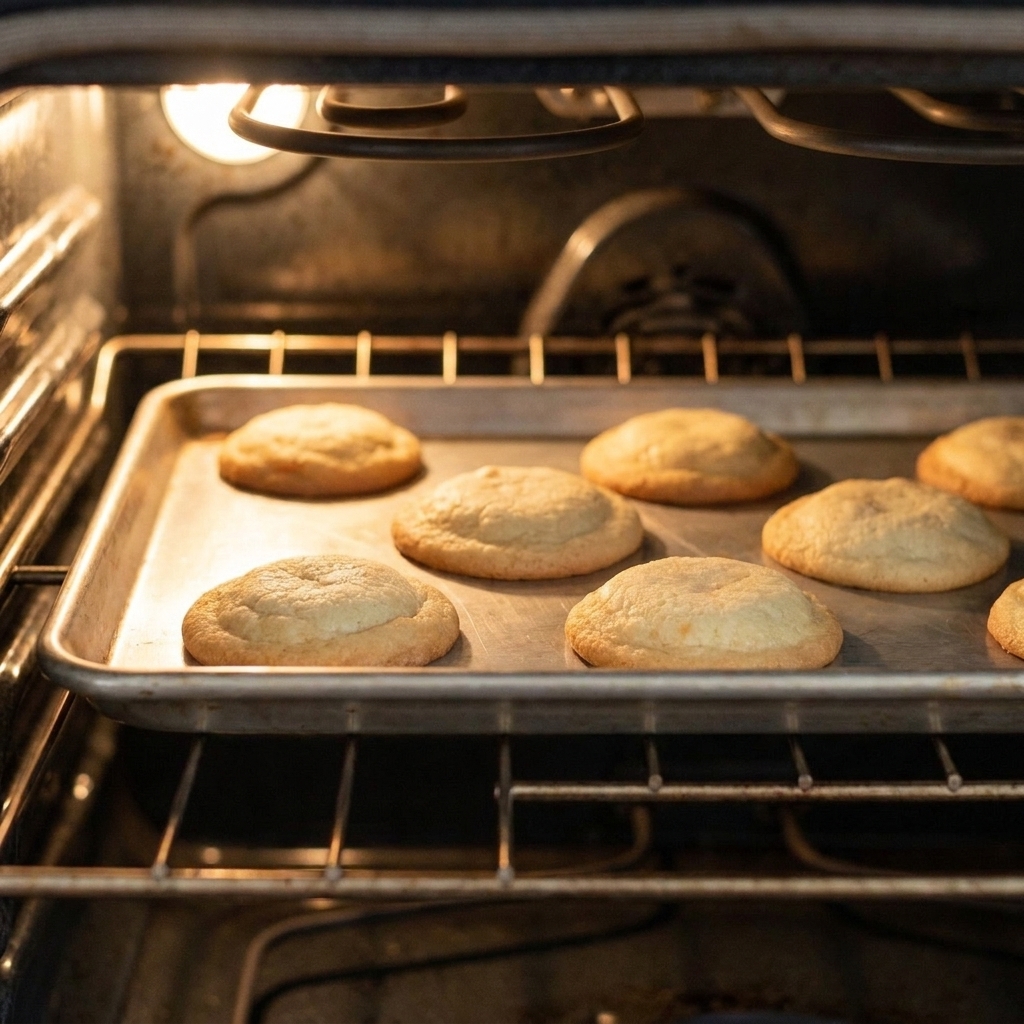
Freshness tests
Leaveners lose strength over time, especially when exposed to heat, steam, and humidity.
Test baking soda
Stir 1/4 teaspoon baking soda into a splash of vinegar or lemon juice. It should fizz immediately and vigorously.
Test baking powder
Stir 1/2 teaspoon baking powder into a few tablespoons of hot water. It should bubble strongly right away.
If the reaction is weak, your cookies will be flatter and denser no matter how perfect your technique is.
Bars and brownies
Bars are a little different because the batter is contained in a pan, so spread matters less than texture and lift. Here is the cheat sheet:
- Brownies: for fudgy brownies, you usually want little to no chemical leavener. Too much baking powder can push you into cakey territory.
- Blondies: a small amount of baking powder can prevent a brick-like center, but too much makes them bready.
- Cookie bars: baking soda often gives a chewier bar with deeper caramel notes. Baking powder tends to give a taller, softer bar.
If you are aiming for dense and gooey, go lighter on leaveners. If you want a lighter bite that slices cleanly, a touch of baking powder can help.
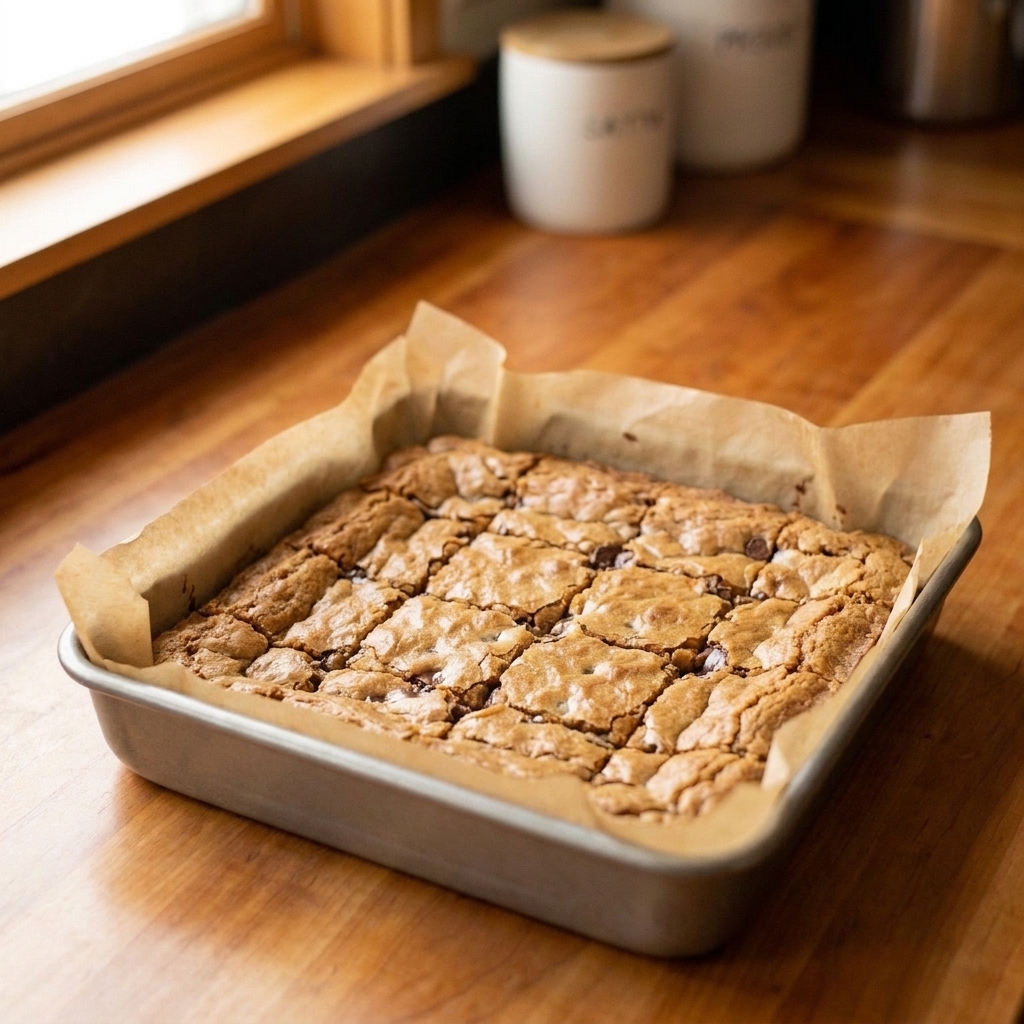
Quick checklist
- I want chewy, browned, classic cookie flavor: lean toward baking soda (with some acidity in the dough)
- I want thick, soft, and tender: lean toward baking powder
- I want thick but still chewy and golden: consider using both
- I want fudgy bars: keep leavener minimal
- I am troubleshooting spread: check dough temperature and sugar-to-flour ratio, then look at the baking soda amount
FAQ
Why do some chocolate chip cookie recipes use only baking soda?
Many chocolate chip cookie formulas include enough acidity (often from brown sugar and other ingredients) to make baking soda useful, and a little leftover alkalinity can help with browning and that classic flavor. It is one reason you get crisp edges and chewy centers.
Can I leave out baking soda or baking powder?
Sometimes, but expect changes. Without leavener, cookies tend to be denser and may spread differently. For bars, skipping can work if you want a fudgier texture, but do not skip it in a recipe designed for lift and softness.
Does baking soda make cookies spread more?
Often, yes. Baking soda can encourage spread by shifting pH and loosening structure early in baking. That said, butter temperature and the fat/sugar/flour ratio usually have the biggest impact on spread.
Is baking powder or baking soda better for cut-out sugar cookies?
Usually baking powder in a small amount, or sometimes no leavener depending on the style. The goal is clean edges and minimal puffing.
Does Dutch-processed cocoa affect leaveners?
Yes. Dutch-processed cocoa is less acidic than natural cocoa, so it does not activate baking soda the same way. Recipes using Dutch cocoa often rely more on baking powder, or they are tested with a specific balance of both.
What about self-rising flour?
Self-rising flour already contains baking powder and salt. If you use it in a cookie recipe written for all-purpose flour, you can accidentally double up on leavening and salt, which often leads to puffier, saltier cookies.
Baker-to-baker note
If you are tweaking a family recipe or experimenting with your own cookie obsession, change leaveners in tiny steps. In my kitchen, 1/8 teaspoon is enough to turn “perfectly chewy” into “why are these so puffy?” Make one change at a time, bake a small test batch, and write down what you did. Future-you will be thrilled.