If you have ever followed a cookie recipe perfectly and still ended up with bottoms that are a little too brown (or straight-up scorched), there is a good chance your baking pan is the real culprit. Pan color and material change how heat reaches your dough, and that can shift browning, spread, and bake time.
In cookie and bar land, that difference shows up fast: crisper edges, darker bottoms, and bake times that suddenly feel “wrong.” Let’s break down what is happening and exactly what to do about it.
Why pan color changes bake time
Ovens heat food in a few ways, but pan color mostly affects how much radiant heat (heat energy from the oven walls and heating elements) the pan absorbs. The other big player is conduction, which is the direct contact heat moving from the hot pan into the dough, and that is what browns the cookie bottom.
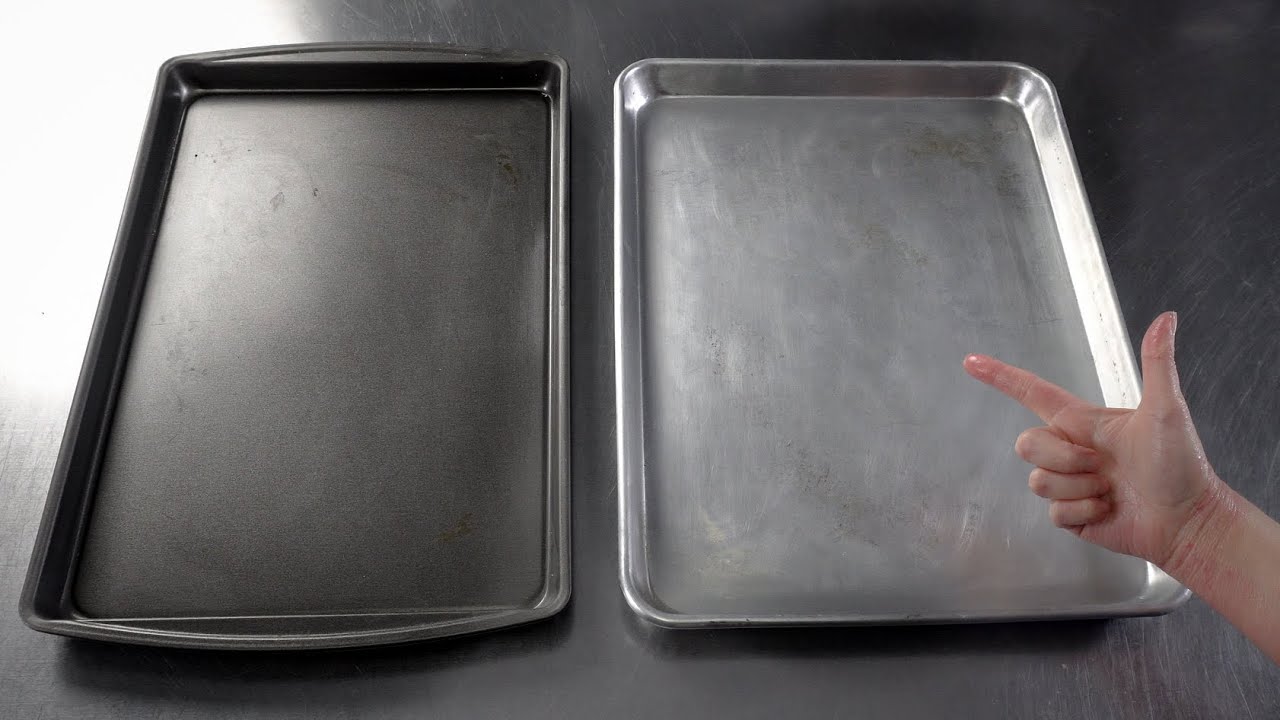
- Dark, matte pans absorb more radiant heat, so the pan surface often runs hotter.
- Light, shiny pans reflect more radiant heat, so they tend to heat a bit more gently.
When the pan surface runs hotter, the dough touching it sets and browns sooner. For cookies, that can mean the bottoms firm up before the centers finish spreading and baking. For bars, it can mean the edges dry out before the middle is set.
Dark vs. light pans
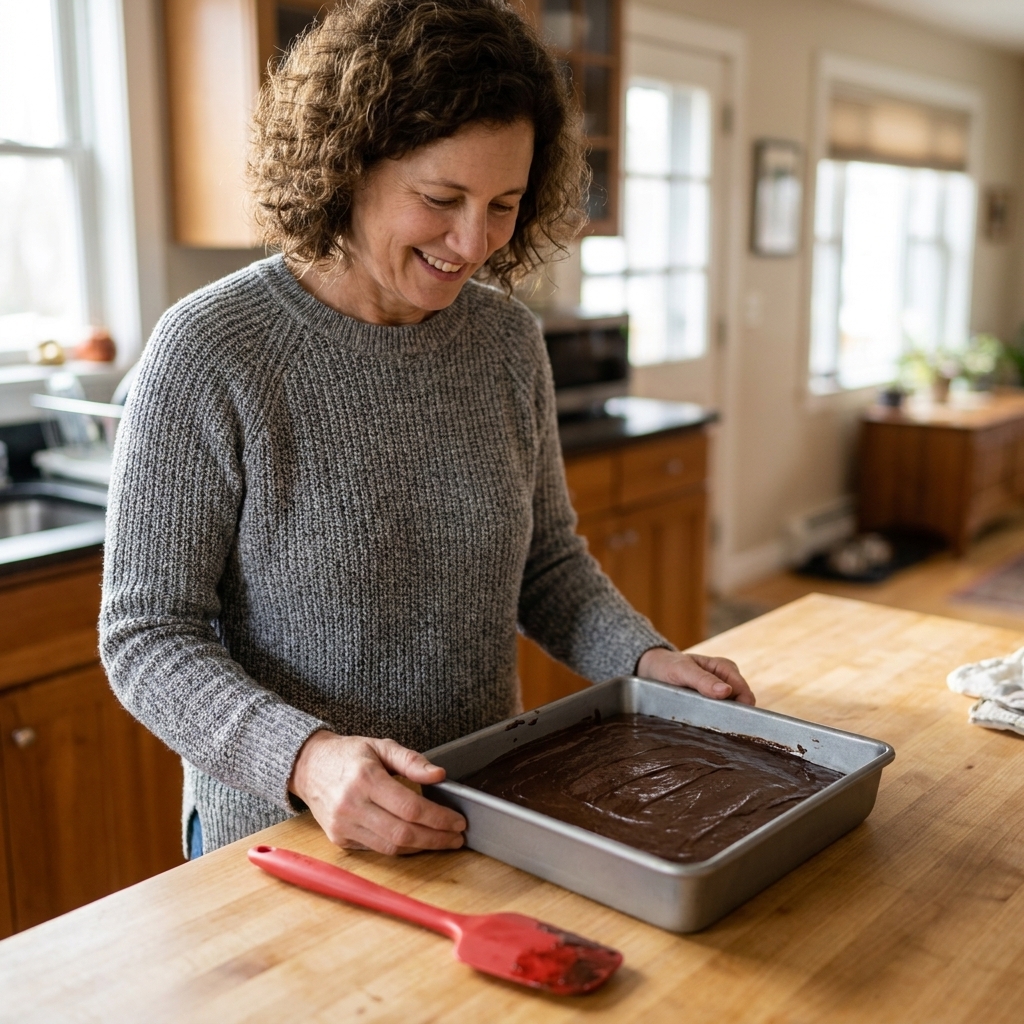
Dark pans (black, charcoal, dark gray, many nonstick pans)
- Faster browning, especially on the bottom and edges
- Shorter bake time in many ovens
- Crispier bottoms (sometimes great, sometimes not)
- Higher risk of burnt cookie bottoms if you bake to the same time as a light pan
Light pans (silver aluminum, shiny stainless, light aluminized steel)
- More predictable browning for most cookie recipes
- Truer bake time to what many recipes were tested on (often light aluminum)
- Chewier centers are easier to hit because the bottoms do not over-set as quickly
If you love a thick, chewy cookie with a soft center, light pans are usually your best friend. If you prefer extra crisp edges, a dark pan can be useful, but you will want to adjust.
One quick note: “nonstick” and “dark” often overlap, but they are not the same thing. The biggest issue is usually the dark, matte finish, not the coating itself.
Material matters too
Color is huge, but the metal itself and how the pan is built can make an equally big difference, especially for evenness. A thicker, heavier pan is usually more consistent than a thin, lightweight one.
Aluminum (my go-to for cookies)
Aluminum conducts heat efficiently and evenly, which helps prevent random hot spots. A light-colored, heavy-gauge aluminum sheet pan is the most forgiving choice for cookies and bar cookies. (Think thick, commercial-style sheet pans, not the flimsy, bendy ones.)
Aluminized steel
Common for rimmed baking sheets. It can bake beautifully, but thinner versions can warp and create uneven browning. Heavier is better.
Stainless steel
Does not conduct heat as evenly as aluminum. If your stainless pan is shiny and light, you may notice paler bottoms and a slightly longer bake time.
Glass (for bars and brownies)
Glass heats more slowly, but it holds heat once it gets going. Brownies and blondies in glass can overbake around the edges by the time the center sets. Many manufacturers recommend lowering the oven temperature when baking in glass, and in practice you often need both a slightly lower temp and a little extra patience.
Ceramic
Similar to glass: slower to heat, holds heat well, and can lead to overdone edges in bar recipes. It is pretty for serving, but you have to adjust.
Quick adjustment rules
These are my practical, in-the-kitchen fixes for the most common pan swaps. Consider them starting points, because every oven runs a little differently.
Recipe tested on a light pan, but you are using a dark pan
- Often lower the oven temperature by 25°F (about 15°C), especially for cookies and thin bars.
- Start checking 2 to 4 minutes early for cookies, and 5 to 10 minutes early for bars, depending on thickness.
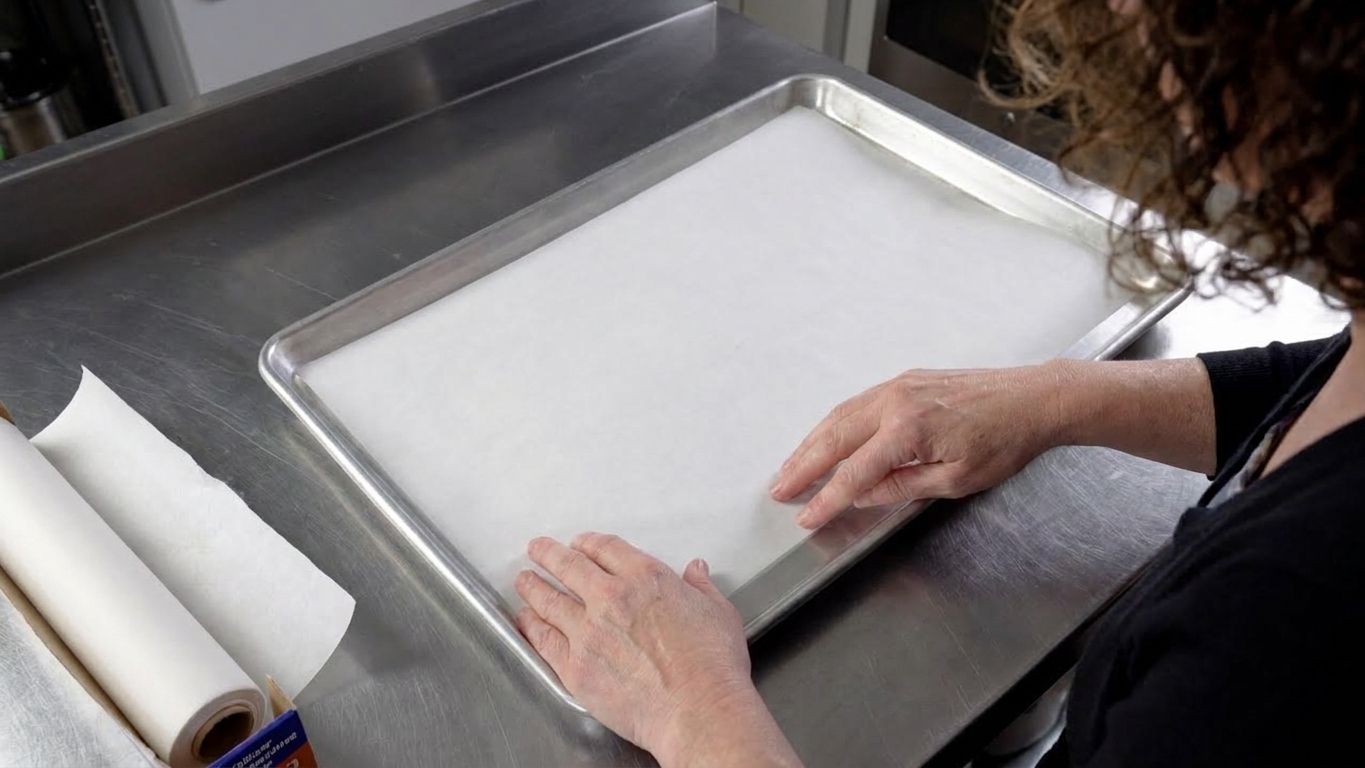
- Consider using parchment paper (it adds a small buffer and helps prevent over-browning).
- If bottoms are still getting too dark, try double-panning: set your cookie sheet on top of a second empty sheet to slow bottom browning.
Recipe tested on a dark pan, but you are using a light pan
- Keep temperature the same.
- Expect a slightly longer bake time, usually 1 to 3 minutes more for cookies.
- Do not chase color alone. Look for set edges and a matte top for cookies.
Switching between metal and glass for bars
- If using glass instead of metal: often lower temperature by 25°F (about 15°C). Start checking at the early end of the recipe’s bake-time range, but expect it may need the same or a little longer time overall.
- If using metal instead of glass: keep temp the same, but begin checking early because metal responds faster.
Convection vs. conventional
- If you bake with convection, you may see faster browning no matter what pan you use. Many ovens and recipes do best with 25°F (about 15°C) lower or an earlier check when convection is on.
Cookie doneness cues
Pan color can trick your eyes, so I like doneness cues that work on any sheet pan.
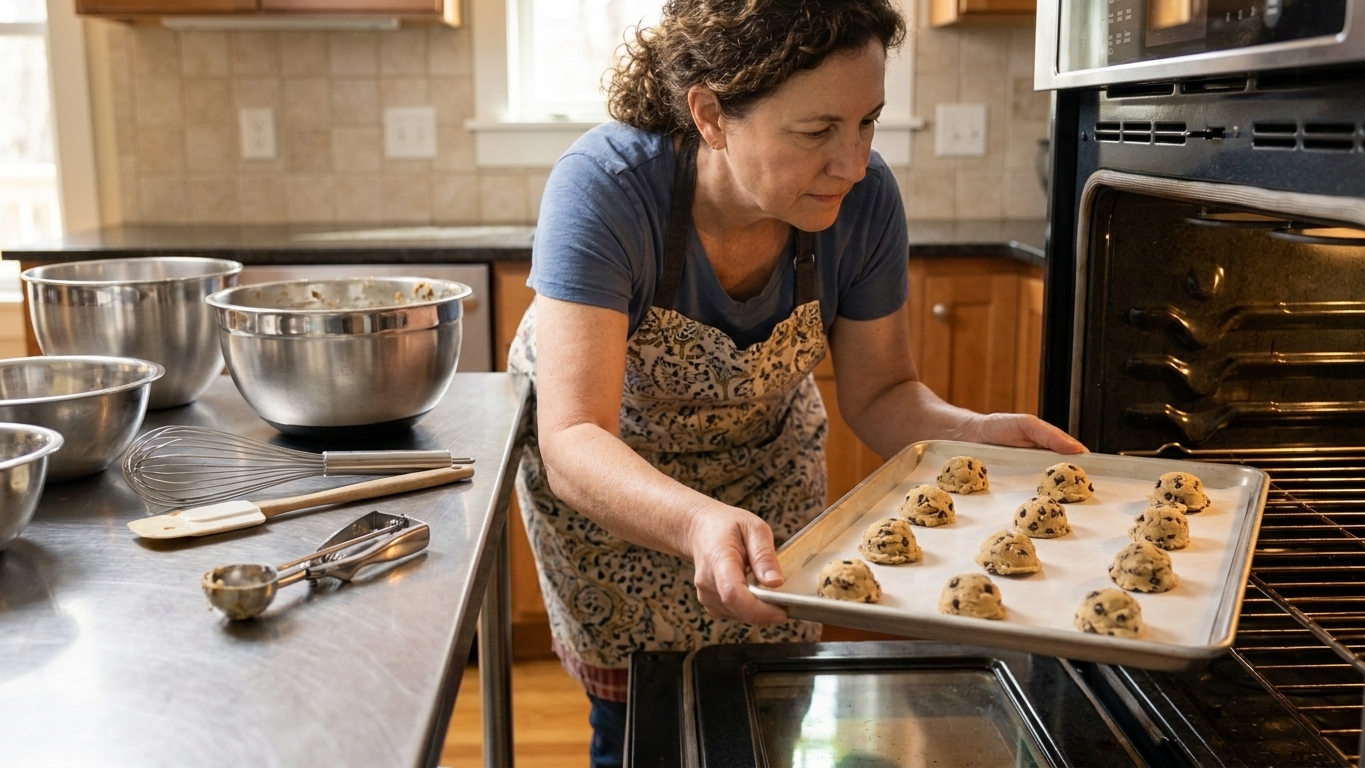
- Edges: set and slightly darker than the center
- Centers: look just barely underdone and no longer shiny-wet
- Shape: cookies stop spreading and look puffed, then begin to settle
- Carryover baking: cookies keep cooking on the hot pan for a couple minutes after you pull them out
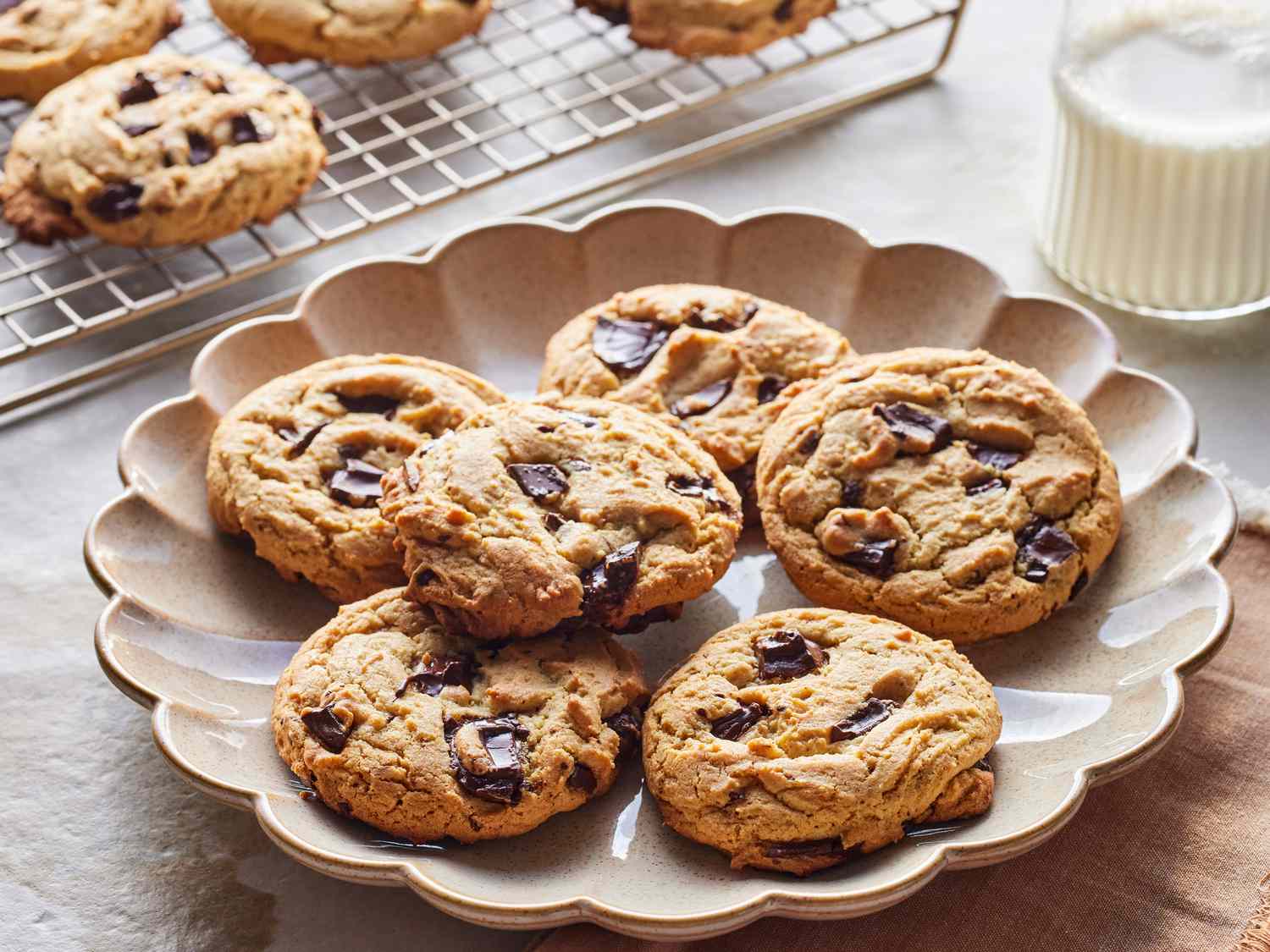
For chewy cookies, I almost always pull them when the centers still look a little soft. If you wait for the tops to fully brown on a dark pan, the bottoms can be long gone.
Best pans for common bakes
Chocolate chip and drop cookies
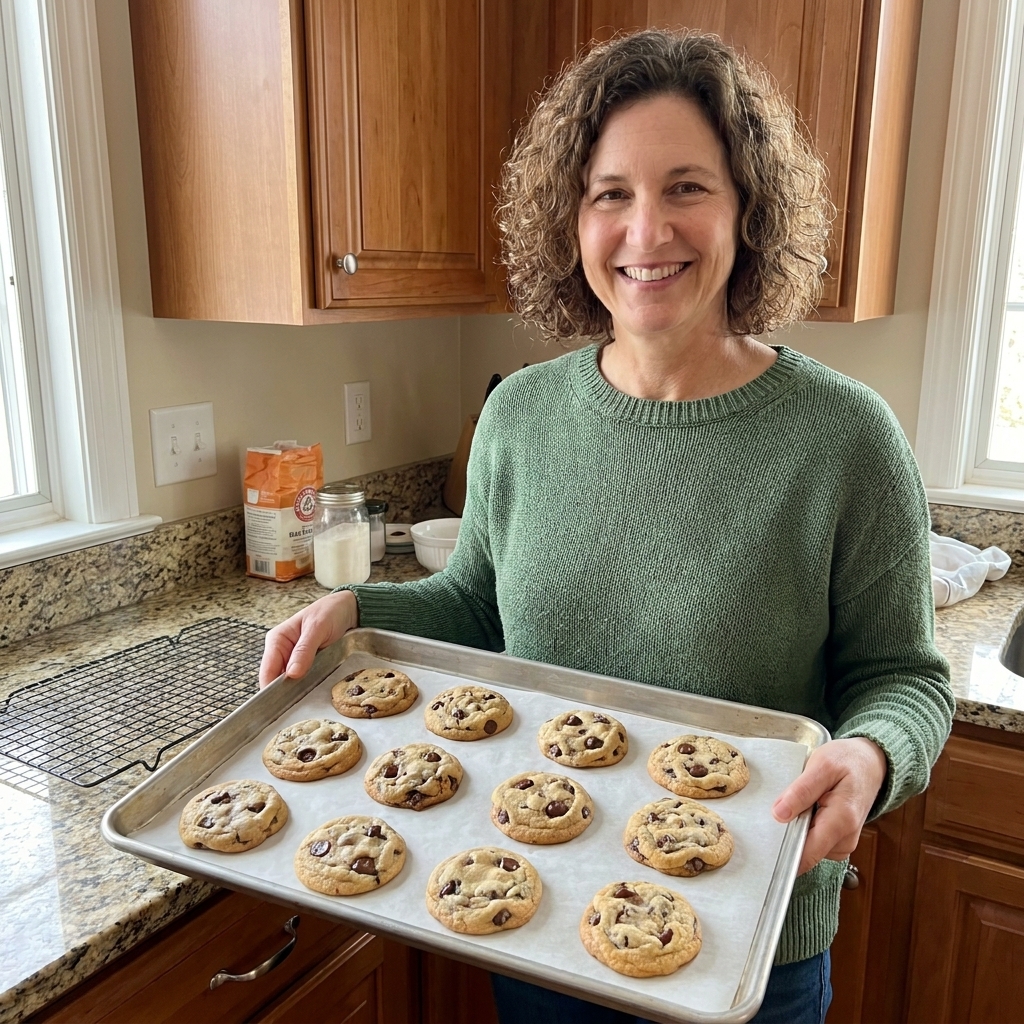
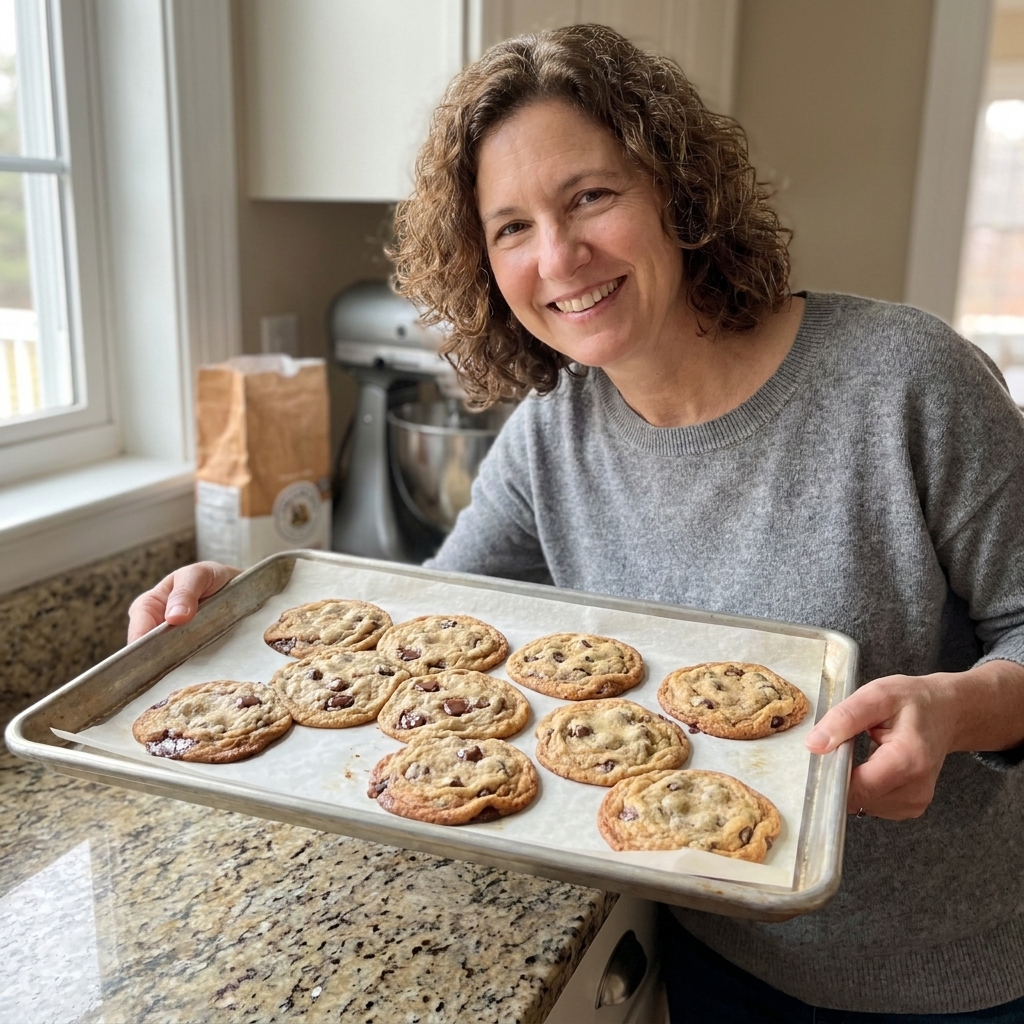
Pick a light-colored aluminum sheet pan. Pair it with parchment for easy release and more consistent spread.
Sugar cookies (rolled and cut-out)
A light pan helps keep the bottoms pale and the shapes clean. Dark pans can brown the underside before the centers set, which can lead to slight warping.
Brownies and blondies
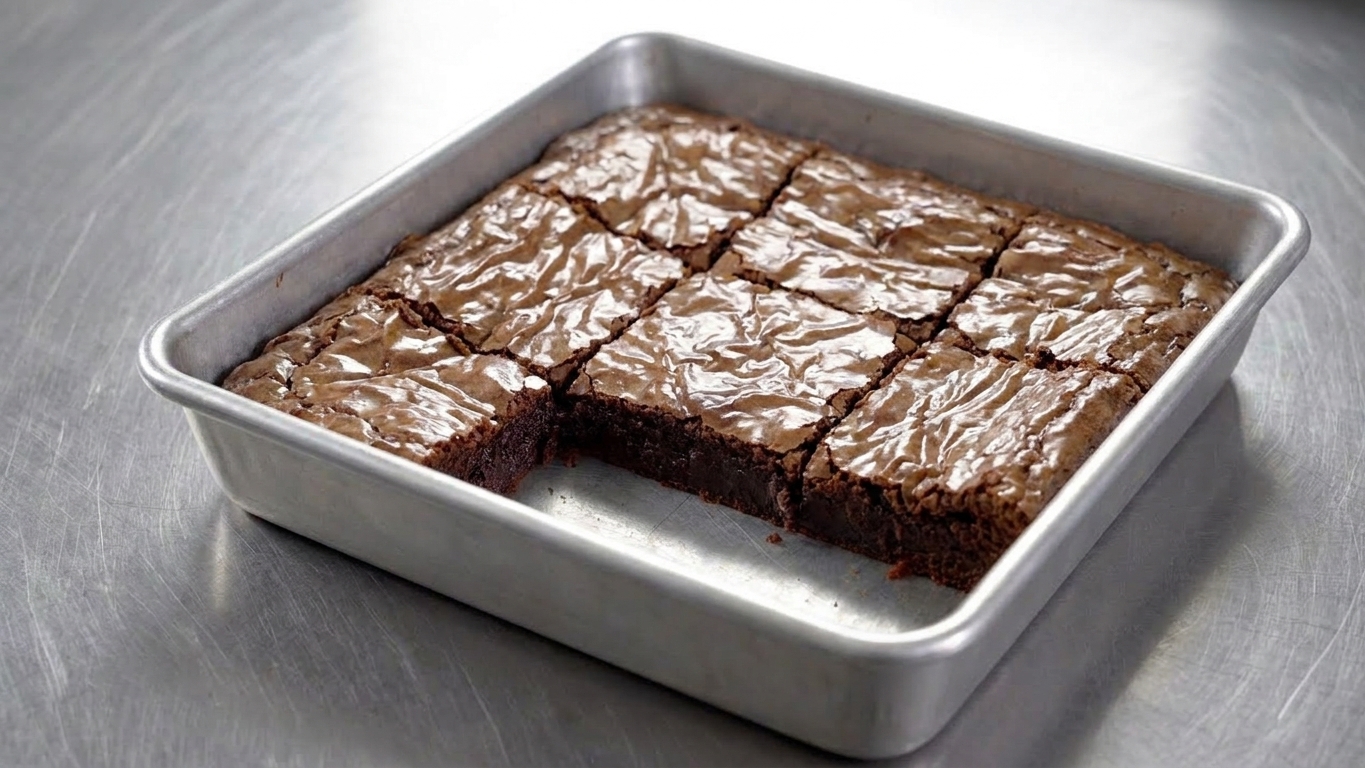
For that fudgy middle, I prefer a metal pan (light aluminum is great). If you only have glass, lower the temperature and watch the edges closely.
Bar cookies (cookie dough base, crumble tops, gooey fillings)
Metal gives you a more even bake. If you are chasing gooey centers, avoid very dark pans unless you are committed to lowering temp and checking early.
Common problems and fixes
Problem: burnt bottoms, pale tops
- Switch to a light pan or lower temp by 25°F (about 15°C) on a dark pan.
- Move the oven rack one level up (away from the bottom heating element).
- Use parchment, and avoid greasing the pan heavily (grease can promote frying and extra browning).
- Try double-panning if you are stuck with a dark sheet.
Problem: cookies spreading too much on a dark pan
- Chill dough longer.
- Make sure the pan is fully cool before loading the next batch.
- Try a light pan for a gentler set.
Problem: bars done on the edges, underbaked in the center
- Use a lighter metal pan instead of glass or ceramic.
- Lower temp by 25°F (about 15°C) and bake longer to let the center catch up.
My pan test
If you bake a lot of cookies, this little experiment will teach you more than a dozen internet tips.
- Make one batch of your favorite simple cookie dough.
- Scoop the dough evenly (use a cookie scoop if you have one).
- Bake one tray on a dark sheet and one tray on a light sheet, same rack position.
- Check both at the earliest suggested bake time.
- Rotate trays halfway only if you normally do so in your oven.
Take notes on when the bottoms brown and when the centers set. After that, you will know exactly how much you need to shave off bake time when you use your darker pan.
Quick FAQ
Are dark nonstick pans always bad for cookies?
Not bad, just faster. They can be great for extra-crisp cookies, but for classic chewy cookies they often brown the bottoms too aggressively unless you lower the temperature and check early.
Does parchment paper fix a dark pan?
It helps, but it is not magic. Parchment adds a buffer and promotes more even browning, but a dark pan can still run hot. If your cookies regularly burn underneath, adjust temperature and timing too.
What about silicone baking mats?
Silicone mats insulate more than parchment, so they often reduce bottom browning. Depending on the dough, they may also encourage a bit more spread and a softer bottom. If you want crisp edges and a chewy center, I reach for parchment most often.
Why do my cookies bake unevenly on one pan?
Often it is thin, warped metal causing hot spots. Heavy, sturdy sheet pans bake more consistently and stay flatter.
The bottom line
If your cookies are browning too fast on the bottom, do not blame your recipe first. Look at your pan. Dark, matte pans absorb more radiant heat and often run hotter at the surface, so cookie bottoms brown sooner. A light-colored, heavy-gauge aluminum pan is the most foolproof choice for consistent cookies and bar cookies.
And if you are sticking with your dark pans, you absolutely can. Just start with the two magic adjustments: often 25°F (about 15°C) lower and check early. Your future self will thank you when you flip over a cookie and see a perfectly golden bottom instead of a near-black surprise.