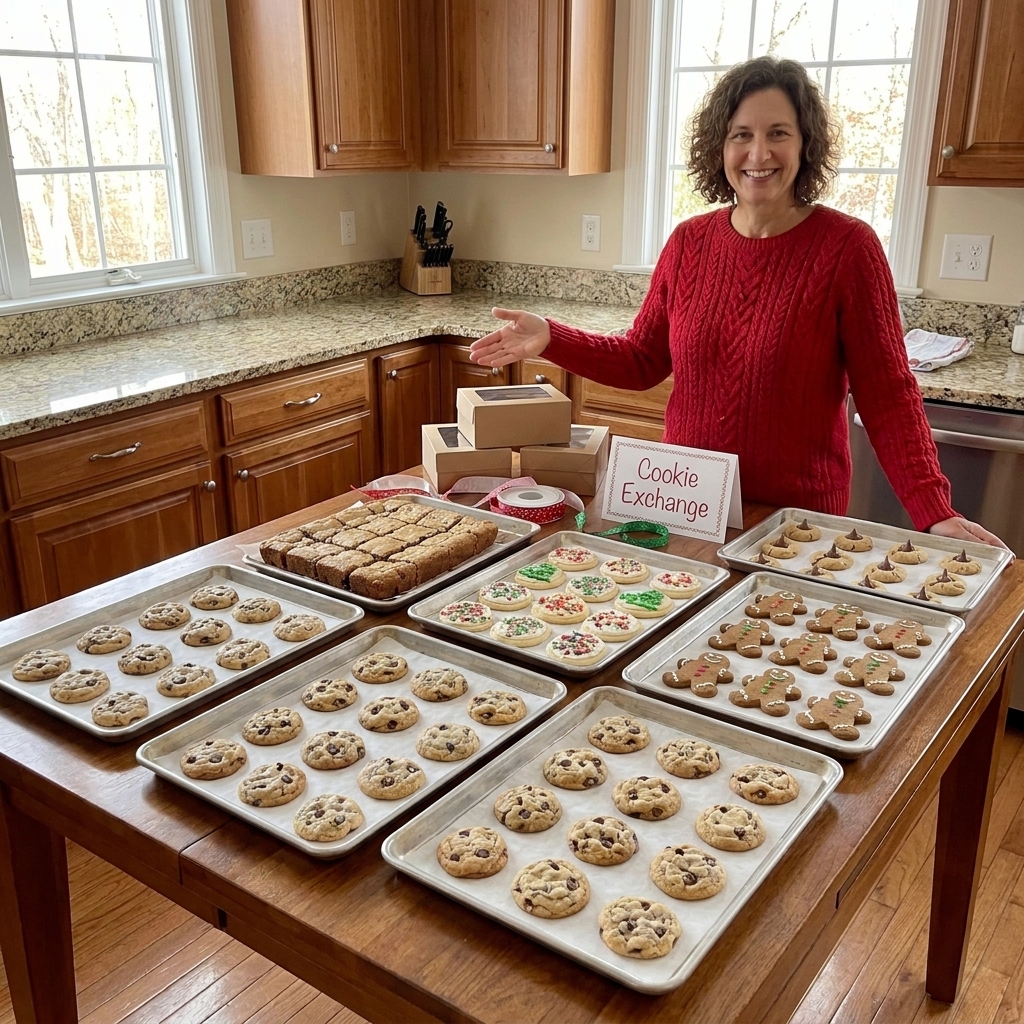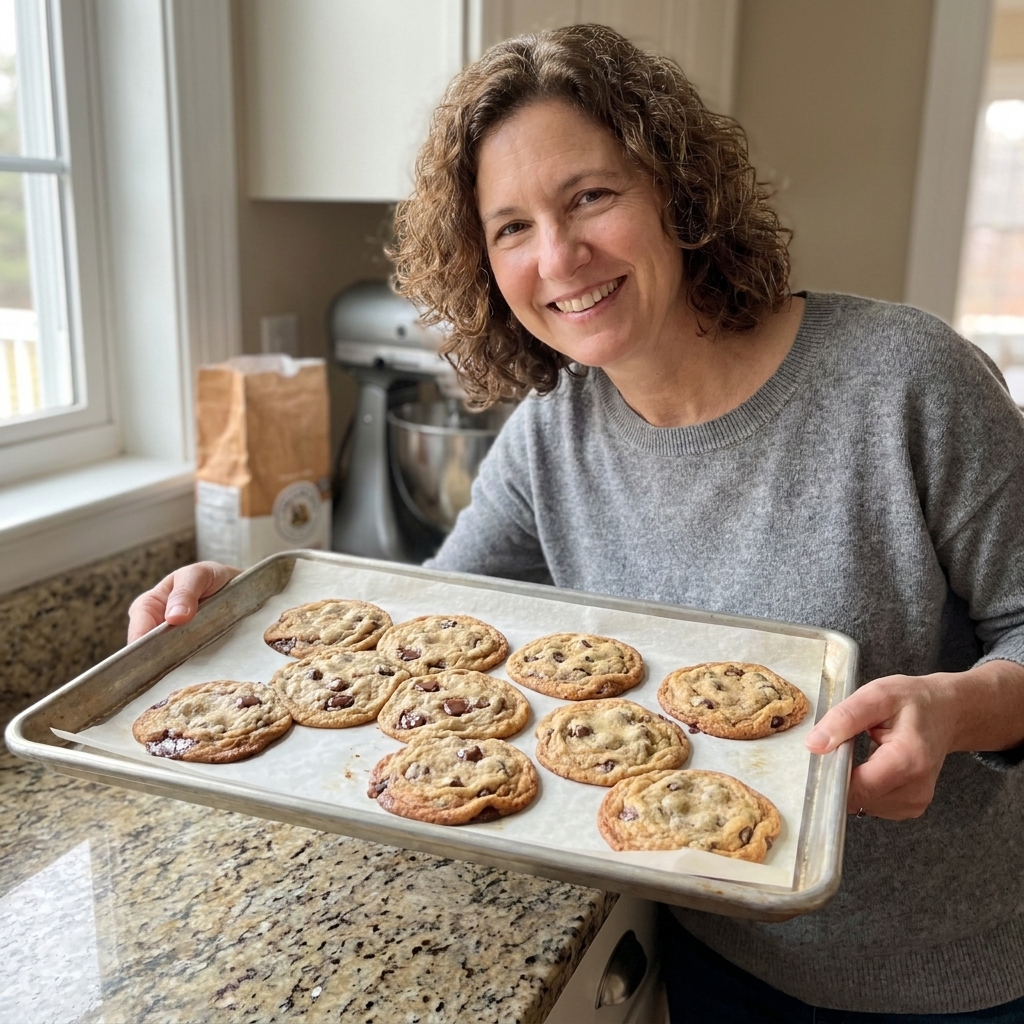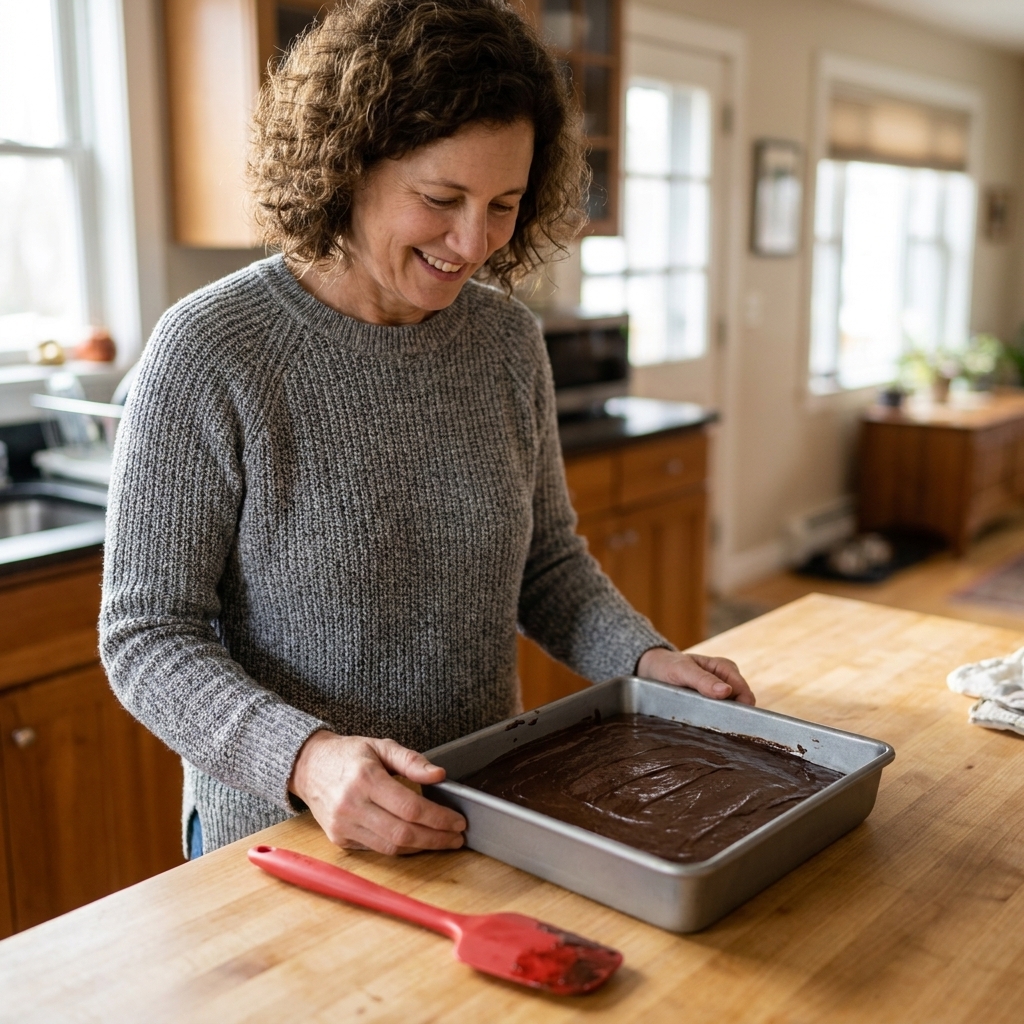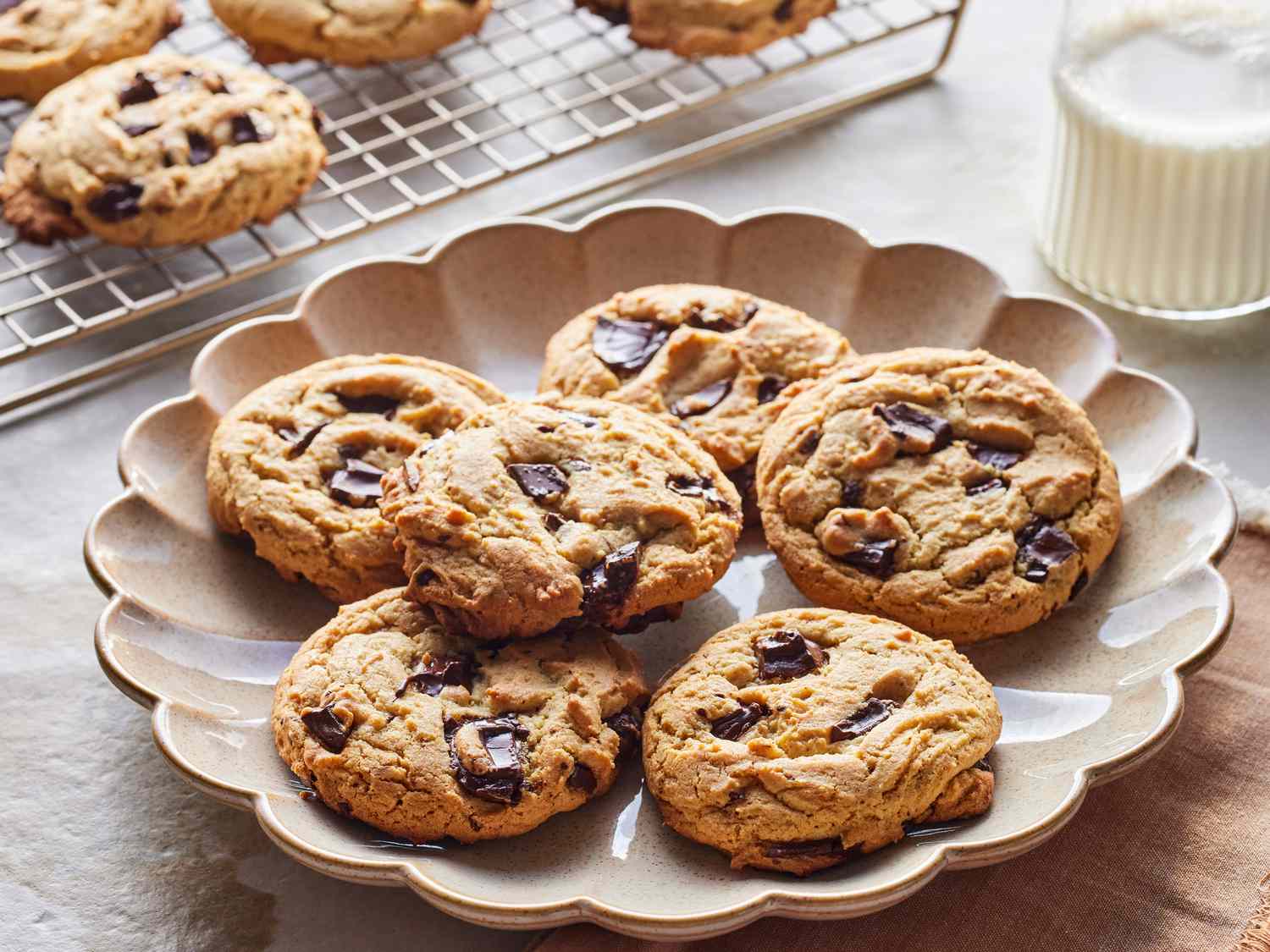
If you have ever baked the same cookie dough two different days and ended up with totally different bottoms, you are not imagining it. Your baking surface is doing more work than most people realize. Parchment paper and silicone baking mats both prevent sticking, but they behave differently in the oven, which means they can change spread, browning, and that all-important texture where cookie meets pan.
Let’s break it down like we are standing side by side at the counter, tray in hand.
The quick verdict
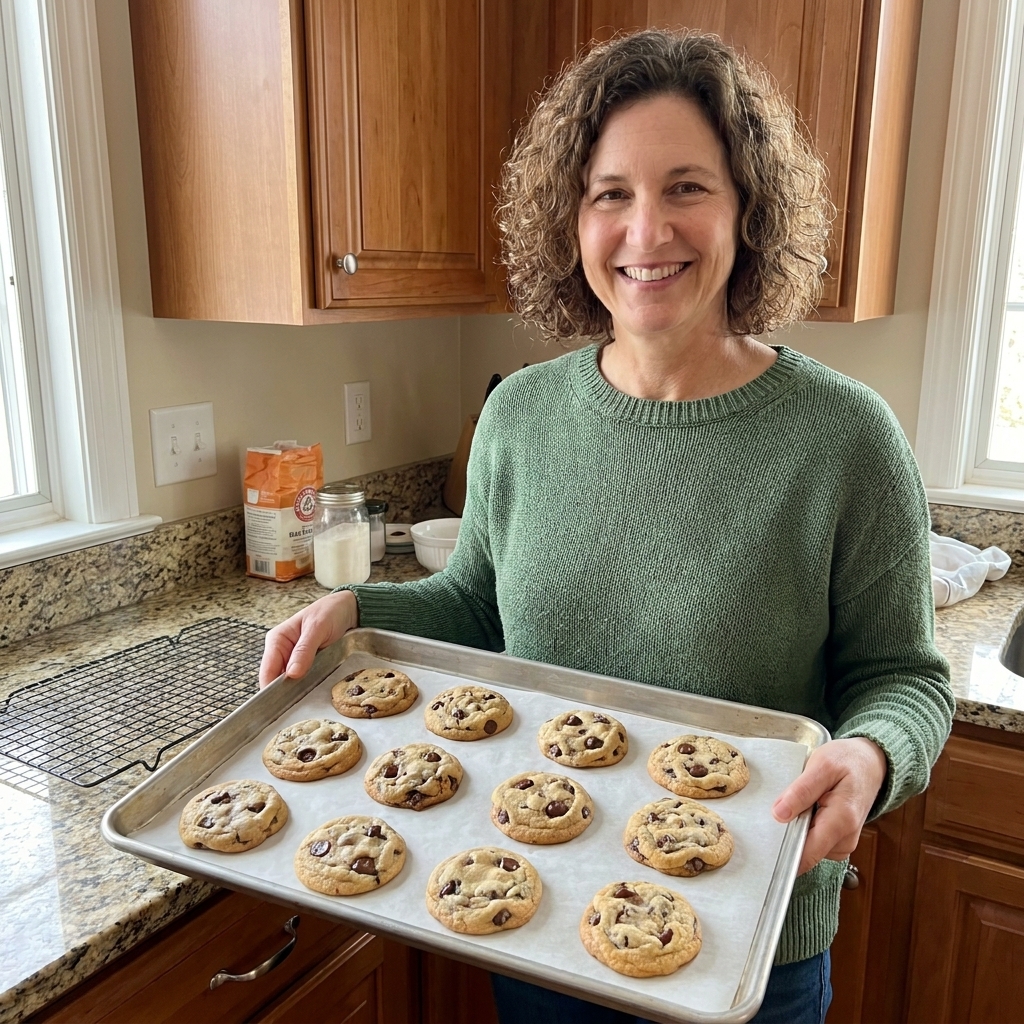
- For crisper, evenly browned cookie bottoms: I reach for parchment paper most of the time.
- For thicker cookies with a softer base and less spread: a silicone baking mat can be helpful, especially with very buttery doughs.
- For bars (brownies, blondies, cookie bars): parchment wins for clean release and neat edges, plus you can lift the whole slab out.
Now for the “why,” because that is where all the confidence comes from.
What each liner does
Parchment paper
Parchment is paper that is usually silicone-coated, which makes it nonstick and heat-resistant. The key baking detail is that it is thin. That thin layer sits between your dough and the hot metal sheet, so it still allows a good amount of heat to move into the cookie base.
In plain English: parchment tends to give you better browning and a cleaner, crisper bottom when the recipe is designed for it.
Silicone baking mats
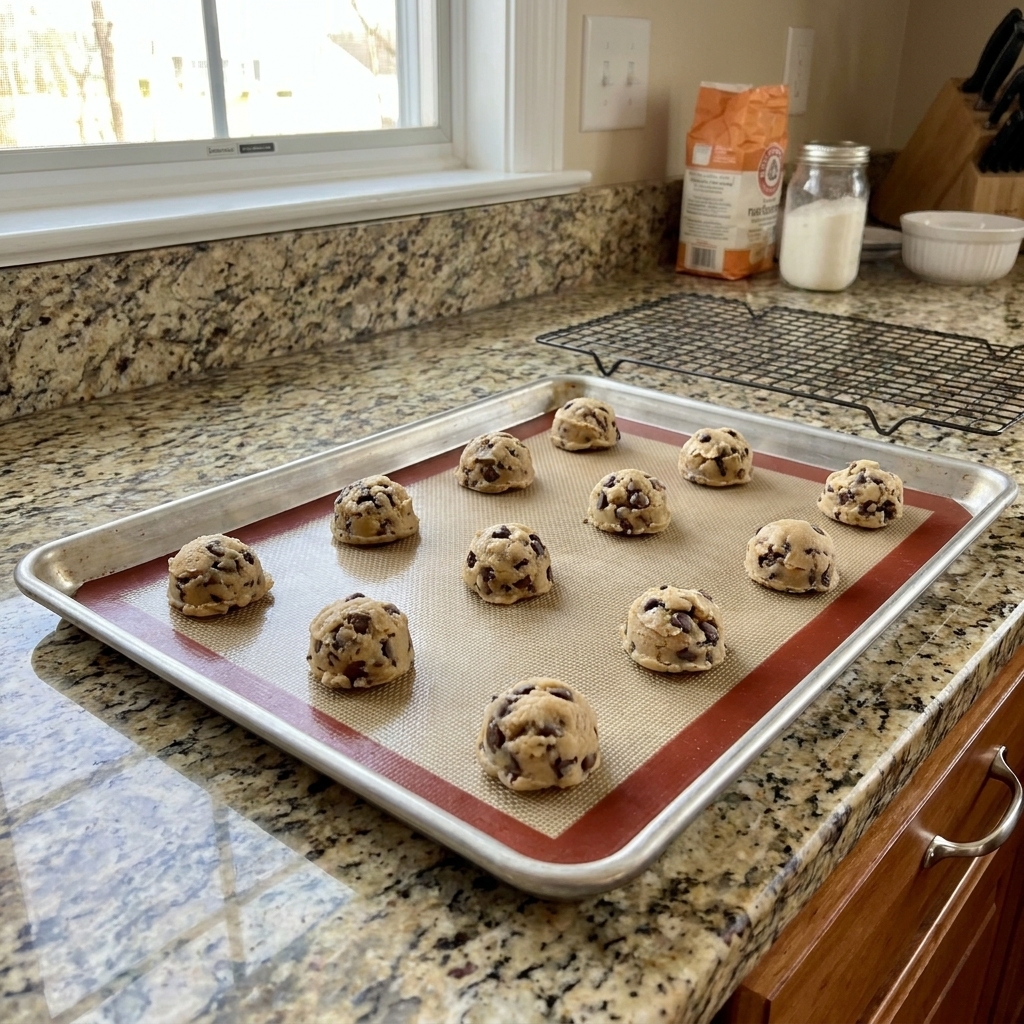
Silicone mats are thicker and act like a little insulating layer. They reduce direct heat transfer from the sheet into the dough. They are also “grippy,” and many bakers notice that cookies can spread a bit differently on them because the dough does not slide as readily during those first minutes when butter melts.
In plain English: silicone mats often lead to less browning on the bottom and slightly less spread, which can mean thicker cookies but also a softer base.
A quick reality check: brands vary. Mat thickness, reinforcement, and your baking sheet (material and color) can change the result, sometimes more than you would expect.
Heat and browning
Cookie bottoms brown when the sheet’s heat dries the surface and kicks off browning reactions (caramelization and Maillard browning). The liner you choose controls how efficiently that heat reaches the dough.
- Parchment: closer contact with the sheet’s heat, so cookie bottoms usually brown more readily and taste a bit toastier.
- Silicone: more insulation, so cookie bottoms usually brown more slowly and can stay pale even when the tops look finished.
If you love that bakery-style ring of golden crispness on the underside, parchment is your best friend.
Spread and shape
Spread depends on how quickly the fat melts and how fast the outer edges set. Since parchment lets more heat through, the butter can melt and flow early, then the cookie sets shortly after, giving a classic spread pattern.
With silicone, the base warms more slowly. That can mean the cookie holds its shape longer and ends up a little thicker. Sometimes that is a win. Sometimes it means the cookie takes longer to set and you get a softer bottom that feels slightly underdone, even if it is not.
My practical rule
- Want flatter, crisp-edged cookies? Parchment.
- Want thicker, softer cookies? Silicone, or parchment plus a chill.
Crispness vs. chew
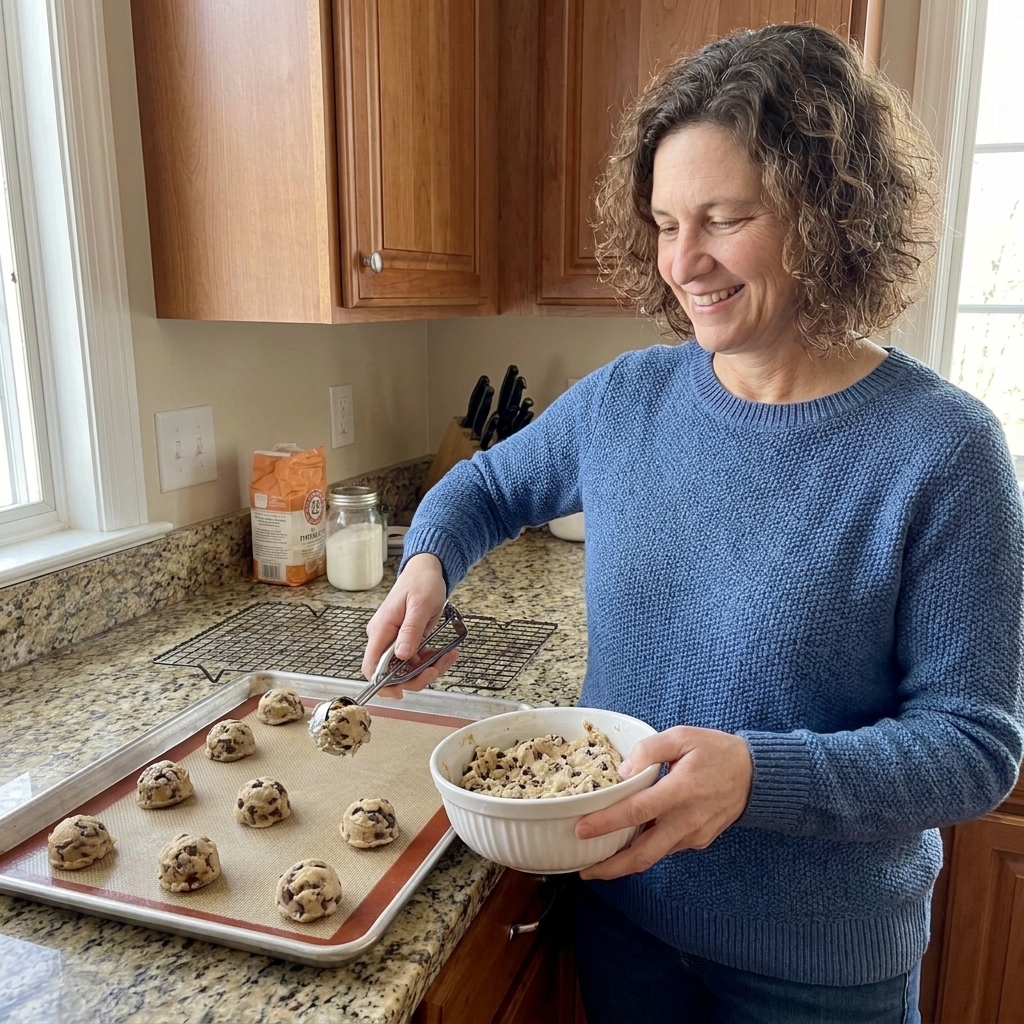
This is the part most people care about. The bottom texture affects the whole bite.
Parchment tends to give
- Crisper edges and a drier, sturdier bottom
- More consistent browning batch to batch
- Cleaner lift-off from the sheet with less greasy residue
Silicone mats tend to give
- A softer, sometimes slightly steamed bottom texture
- Less underside browning
- A thicker cookie when the dough is very buttery
If your goal is “chewy center, crisp edge,” parchment usually makes that easier to nail.
When I choose parchment
If you bake cookies and bars regularly, parchment is the workhorse. Here are the moments I do not even debate it.
- Chocolate chip cookies when I want golden bottoms and classic spread
- Sugar cookies that need clean, evenly baked bases
- Shortbread where you want to encourage gentle browning without sticking
- Brownies and blondies for easy removal and tidy slicing
- Anything sticky like caramel bits, marshmallows, or honey-heavy doughs
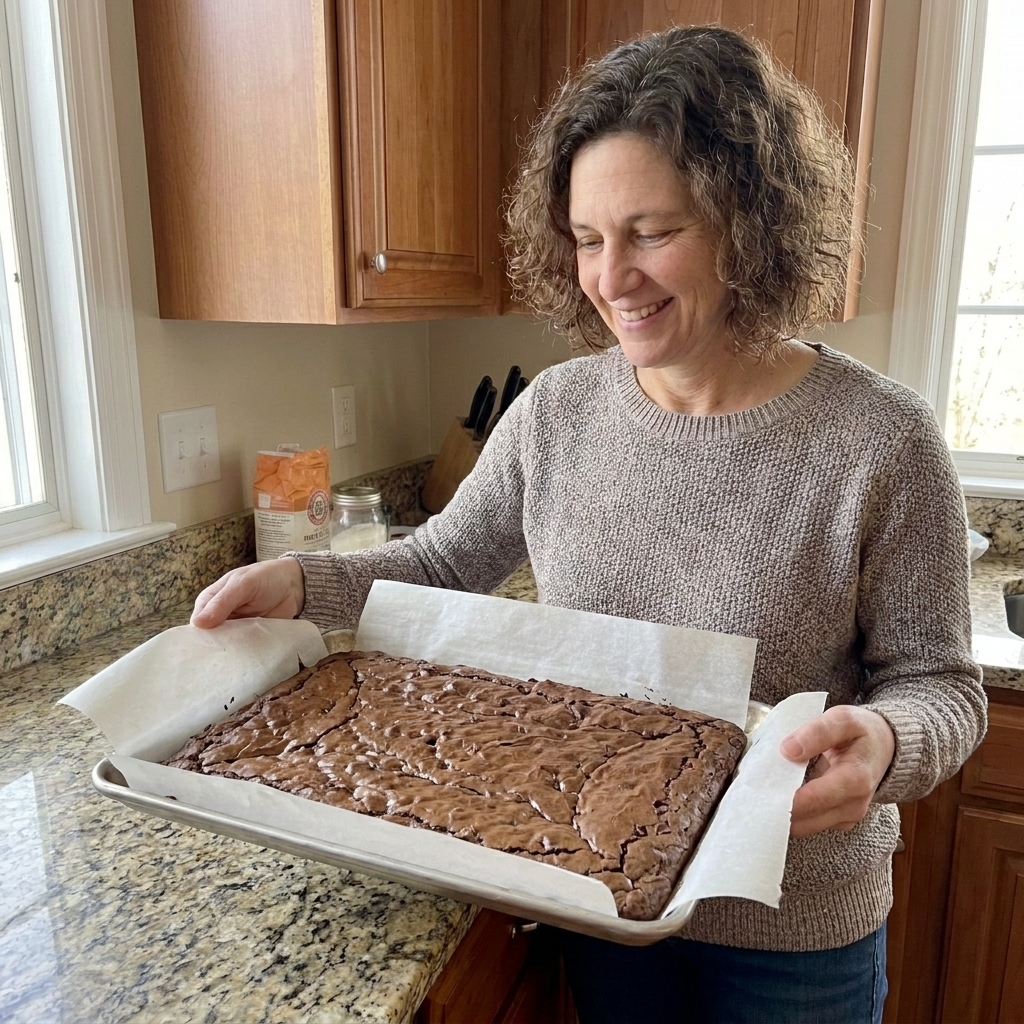
Bar baker note: For a 9x13 pan, I like to leave a little overhang of parchment on the long sides. That “handle” lets you lift the slab out without cracking the center.
When I choose silicone
Silicone mats absolutely have a place. I pull mine out when I want less spread, I am baking multiple batches back to back, or I am working with a dough that tends to over-brown underneath.
- Very buttery doughs that can spread too quickly
- Thin cookies that are prone to over-browning on the bottom before the centers finish
- Repeated baking sessions when I want a reusable, wipe-clean liner
- Candying nuts or making brittle-like toppings where super nonstick cleanup matters
One caution: Silicone mats can hold onto a thin film of grease over time. If your cookies start baking up a little greasier than usual, it is worth giving the mat a deep wash with hot water and a good degreasing dish soap, then drying completely. Also, skip aerosol cooking spray on silicone mats. Many manufacturers warn it can leave a stubborn, sticky buildup.
Pale bottoms on silicone
If you love your mat but hate pale cookie bottoms, try these adjustments before you blame your recipe.
- Extend bake time slightly (often 1 to 3 minutes) and watch the edges, not just the tops.
- Keep your baking sheet consistent from batch to batch. Switching between dark and light sheets can make silicone results feel unpredictable.
- Let cookies cool on the baking sheet for 3 to 5 minutes before moving. The residual heat helps set the base.
- Chill dough so the cookie sets with better structure and finishes more cleanly.
If the tops brown too fast before the bottoms catch up, move the rack one position higher in your oven.
Burnt bottoms on parchment
Parchment prevents sticking, but it does not stop your baking sheet from running hot. If you are getting dark bottoms on parchment:
- Double up sheets by nesting your baking sheet on top of another empty sheet.
- Move the rack up one level.
- Check your sheet color. Dark, nonstick sheets brown faster. That can be great for crisp cookies, but it is easy to overdo.
- Verify oven temperature with an oven thermometer. Many ovens run hot or cold by about 10 to 25 degrees.
Bars and brownies
For bar recipes, the winner is clearer.
Why parchment wins for bars
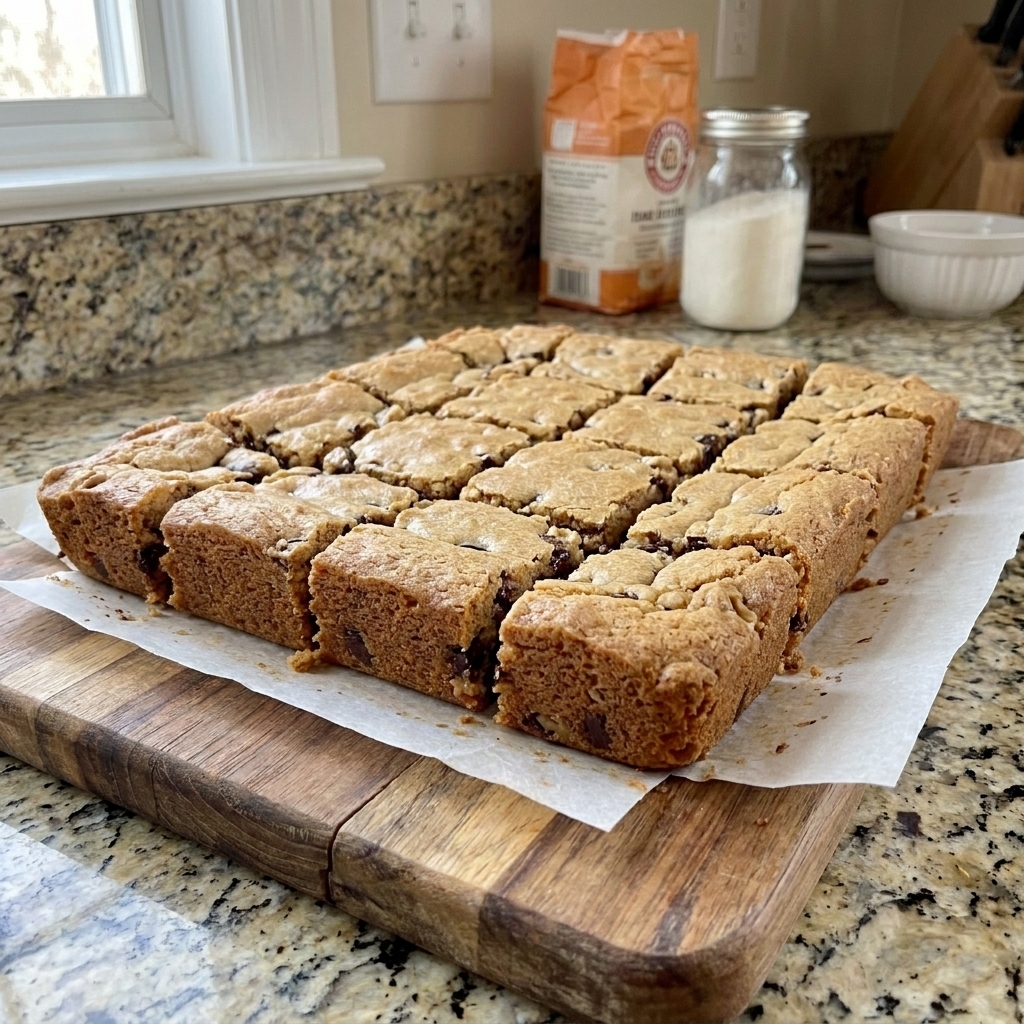
- You can lift the whole batch out for neat cuts
- Edges are usually cleaner, especially for gooey blondies
- Less risk of that shifting moment while you spread batter
When silicone can work for bars
Silicone pan liners are fine if your goal is easy release and you do not need perfect squared edges. For presentation-style cookie bars, parchment gives a sharper look.
Baking sheet matters
Two people can use parchment and still get different results if their baking sheets are different.
- Light aluminum sheets: steady, even baking and reliable browning cues.
- Dark nonstick sheets: faster browning, greater risk of overdone bottoms.
- Insulated sheets: slower browning, often softer bottoms.
If you are troubleshooting cookie bottoms, note your sheet type before changing your entire recipe.
Heat limits and safety
Before you crank the oven, check the max temperature on your specific liner.
- Silicone mats are often rated somewhere around 480 to 500 degrees, depending on brand.
- Parchment is commonly rated around 425 to 450 degrees, depending on brand.
Either way, do not use parchment under the broiler, and do not push silicone past its stated limit. If in doubt, follow what the packaging says.
Which makes the best bottoms?
If we define “best” as evenly baked, nicely browned, and pleasantly crisp without being hard, parchment paper is the most consistent choice for the widest range of cookie doughs.
If we define “best” as thicker cookies with a softer base and minimal spread, silicone mats can be the better tool, especially for very buttery doughs or bakers who prefer a paler underside.
My personal default: Parchment for cookies and almost always for bars. Silicone when I want a little insurance against over-browning or when I am doing batch after batch and want an easy reset.
One edge case worth knowing: Very high-sugar, lacy cookies (like tuiles or florentines) can be extra sensitive to liner choice and baking sheet type. If your results are wild, run a quick side-by-side test with your exact pan setup.
FAQs
Can I use parchment on top of a silicone mat?
You can, but I do not usually recommend it. It cancels out the mat’s reusability and can increase sliding. If you want parchment results, just use parchment on the baking sheet.
Does a silicone mat change bake time?
Often, yes. Many cookies need a couple extra minutes for the underside to brown and set. Keep an eye on the edges and bottoms, not just the tops.
Is parchment or silicone better for preventing sticking?
Both work well, but silicone is extremely nonstick for sugary melts. Parchment is still plenty nonstick for cookie dough and has the bonus of easy cleanup and easy bar removal.
Why do my cookies taste greasier on a silicone mat?
It can happen if the mat has a buildup of grease over time or if the cookie bottoms set more slowly, keeping melted fat at the base longer. Deep-clean the mat, avoid aerosol spray, and consider chilling your dough.
What about reusable parchment sheets?
“Reusable parchment” covers a few different products. If the sheet is thicker or fiberglass-reinforced, it often behaves more like a silicone mat than thin parchment, which can mean less browning and softer bottoms. Your best clue is thickness: thicker liners tend to insulate more.
A simple rule
- Parchment: best all-around for cookies and the clear favorite for bars.
- Silicone mat: best when you want less spread or a softer, paler bottom.
If you are still unsure, try this once: bake half a tray of your favorite dough on parchment and half on silicone, same oven rack, same time. The bottoms will tell you everything you need to know.