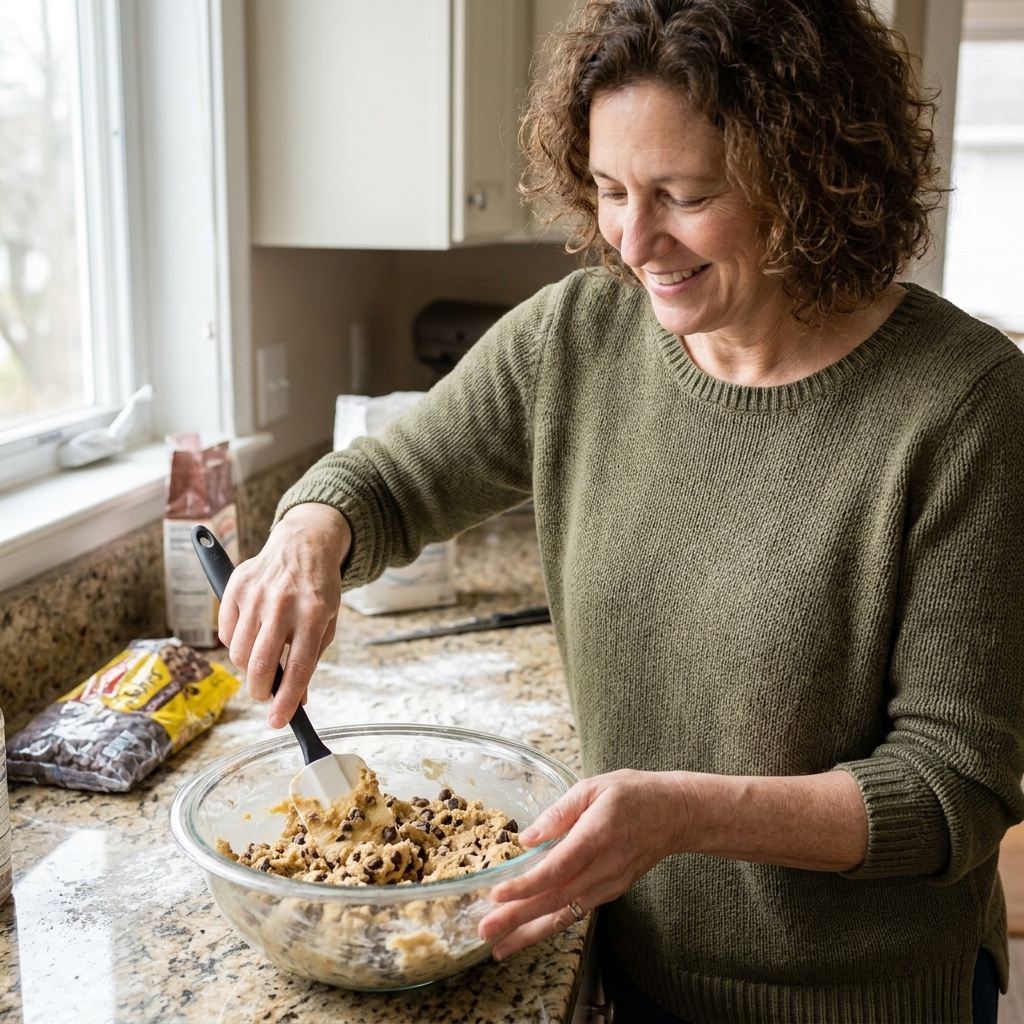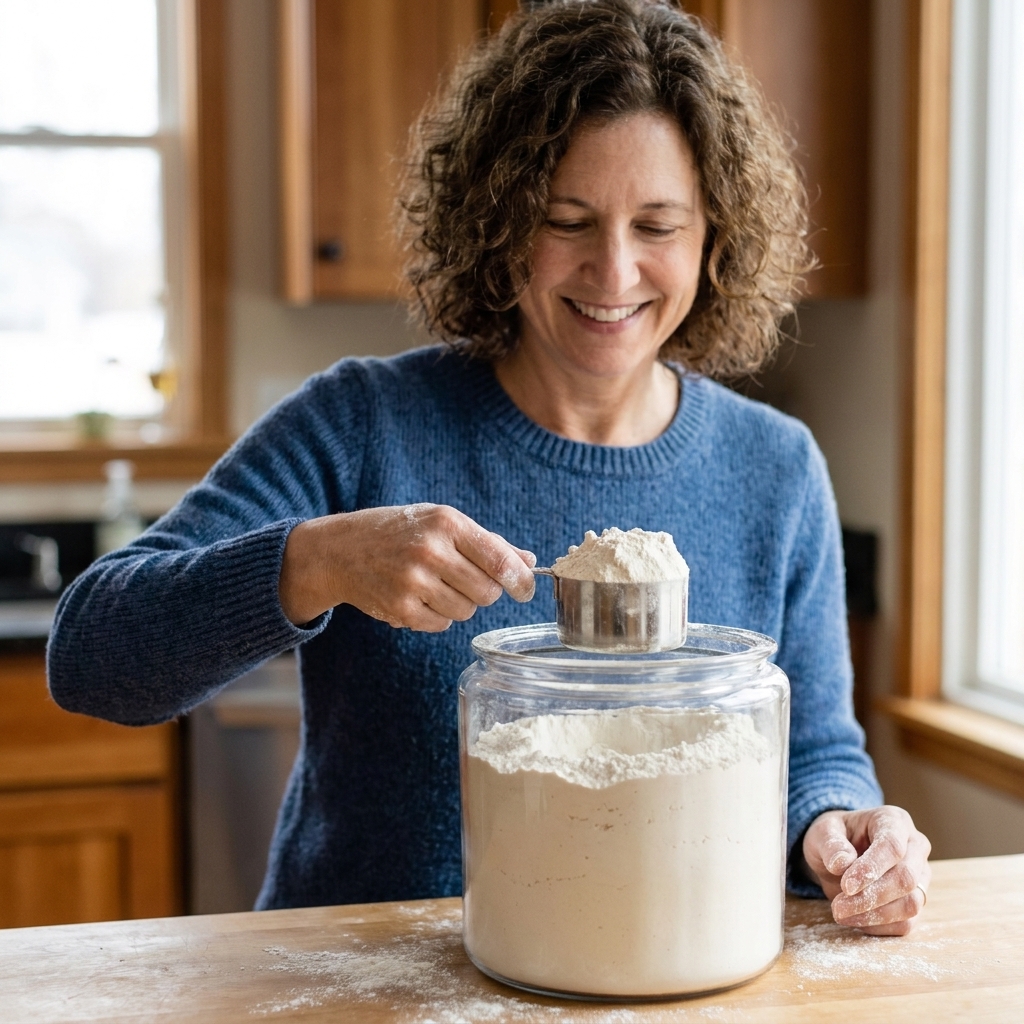
If you have ever started a batch of snickerdoodles only to realize you are out of cream of tartar, you are in good company. I have done it mid-preheat, flour on my shirt, cookie scoop in hand. The good news is you can still get a convincingly tangy snickerdoodle with a few smart swaps.
Cream of tartar does two big jobs in snickerdoodles: it brings that signature slight tang, and it reacts with baking soda to help the cookies puff, crackle, and stay tender. When you swap it, you are really replacing acid and keeping the leavening balance close to what the recipe intended.

What cream of tartar does
- Flavor: Adds a gentle, classic tang that makes snickerdoodles taste like snickerdoodles and not just cinnamon sugar cookies.
- Texture: Can contribute to a tender, slightly chewy bite by shifting dough pH and how the proteins set as the cookies bake.
- Lift and crinkles: It is an acid that activates baking soda, creating carbon dioxide for rise and that slightly domed, crackly look.
Rule of thumb: you either (1) replace the acid (and keep the baking soda), or (2) replace both with baking powder, which already contains an acid and a base.
Best substitutes (ranked)
These swaps are listed in the order I reach for them at home. I am assuming a standard snickerdoodle recipe that uses 1 teaspoon cream of tartar + 1/2 teaspoon baking soda per batch (about 24 cookies). If your recipe uses a different amount of cream of tartar, scale the swaps based on that amount.
Quick scaling examples: If your recipe uses 2 tsp cream of tartar, double each acid swap (for example, lemon juice becomes 2 to 4 tsp). If you use the baking powder method, use 4 tsp baking powder and omit the baking soda.
One more heads-up: liquid acids (like lemon juice, vinegar, yogurt, and sour cream) can loosen dough slightly and increase spread. A short chill is usually the easiest fix.
1) Baking powder (easiest, most reliable)
If you want the simplest solution with ingredients most people already have, use baking powder. Baking powder provides both the acid and the base, so it can replace both cream of tartar and baking soda.
- Swap: Replace 1 tsp cream of tartar + 1/2 tsp baking soda with 2 tsp baking powder.
- Why this amount: As a rough equivalency, 1 tsp baking powder is similar to about 1/4 tsp baking soda plus an acid. Since your original recipe has 1/2 tsp baking soda, 2 tsp baking powder is the closer match for lift. Baking powder formulas vary a bit, so treat this as an approximation and adjust next time if your cookies come out a touch puffier or flatter than you like.
- What changes: The cookies will usually be a bit less tangy than classic, but the shape and texture are very close.
- My tip: If you miss the tang, add 1/2 tsp lemon juice (or 1 tsp plain yogurt) to the dough. Keep it small so you do not soften the dough too much.
2) Citric acid (sour salt)
If you have citric acid (sometimes sold as “sour salt”), it is an excellent option because it adds tang without adding liquid. It is significantly more acidic by weight than cream of tartar and the flavor reads sharper, so go easy and adjust gradually.
- Swap: Start with 1/4 tsp citric acid powder in place of 1 tsp cream of tartar. If you want more tang next time, increase to 1/2 tsp.
- Keep: Keep the recipe’s baking soda.
- My note: If you overshoot, the cookies can taste loudly sour instead of pleasantly tangy.
3) Lemon juice (tangy, but mind the liquid)
Lemon juice is a true acid and brings a clean tang. Because it is liquid, I treat this as a “start here and adjust” swap.
- Swap: Use 1 to 2 tsp lemon juice in place of 1 tsp cream of tartar (I usually start at 1 1/2 tsp).
- Keep: Keep the baking soda the recipe calls for.
- Optional dough fix: If the dough feels softer than usual, add 1 to 2 tsp extra flour or chill the dough for 20 to 30 minutes.
4) White vinegar (solid emergency backup)
Vinegar is a strong acid like lemon juice. In small amounts it usually bakes off cleanly, though very sensitive tasters may notice the faintest edge.
- Swap: Use 1 to 2 tsp distilled white vinegar in place of 1 tsp cream of tartar.
- Keep: Keep the recipe’s baking soda.
- Texture note: Similar spread and lift to classic, especially if you chill the dough when it feels soft.
5) Yogurt or sour cream (last resort, changes texture)
These bring acidity plus richness, but they also add moisture. They can push your cookies softer and more cake-leaning, so I treat this as a “use what you have” option.
- Swap: Start with 1 Tbsp plain yogurt or sour cream in place of 1 tsp cream of tartar.
- Keep: Keep the recipe’s baking soda.
- Adjust: If the dough gets sticky, add 1 Tbsp flour and chill before baking for best shape.
6) Buttermilk (only if the recipe already uses milk)
Snickerdoodle dough usually does not include milk, so adding buttermilk can throw off the dough. But if you are working from a softer, cake-style snickerdoodle recipe that already includes milk, swapping to buttermilk can bring back some tang.
- Swap: Replace the recipe’s milk with buttermilk 1:1.
- Then: If the original recipe relied on cream of tartar plus baking soda for lift, consider switching to a baking-powder-forward approach (and use the baking powder swap above as your guide).

Quick swap table
| If you are out of cream of tartar… | Use this instead | What to change |
|---|---|---|
| Best overall shortcut | 2 tsp baking powder | Replace both cream of tartar and baking soda (approximate; formulas vary) |
| Want tang without extra liquid | 1/4 tsp citric acid (up to 1/2 tsp) | Keep baking soda; increase gradually |
| Want a bright tang | 1 to 2 tsp lemon juice | Keep baking soda; chill if dough softens |
| No citrus on hand | 1 to 2 tsp white vinegar | Keep baking soda; flavor usually bakes off |
| Only dairy acids available | 1 Tbsp yogurt or sour cream | Keep baking soda; expect a softer cookie |
Keep them tasting authentic
Do not skip the acid
If you simply leave out cream of tartar and keep baking soda, you lose tang and the cookies can taste flat or even a little soapy. Pair baking soda with some acid, even if it is just a splash of lemon juice or vinegar.
Chill the dough if you add liquid
Lemon juice, vinegar, yogurt, and sour cream can loosen dough a bit. A short chill helps prevent over-spreading and keeps the centers thick and chewy.
Go big on the cinnamon sugar
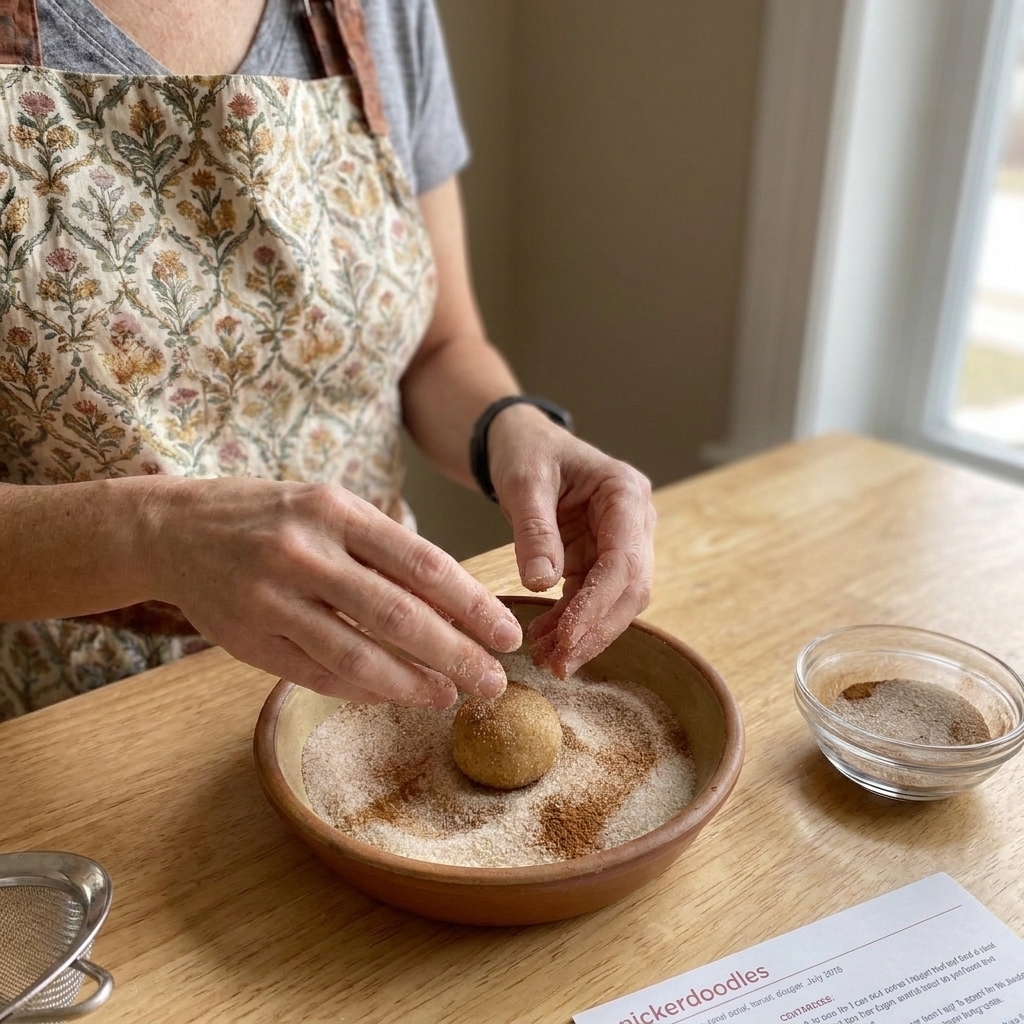
The outside is part of the snickerdoodle identity. Roll generously, and feel free to bump the cinnamon a touch if your swap gives you a milder tang.
Skip self-rising flour as a fix
Self-rising flour adds baking powder and salt in amounts that can throw off the whole batch. Unless you are adjusting the entire recipe, it is not a clean substitute for cream of tartar here.
Troubleshooting
My cookies spread too much
- Chill the dough 30 to 60 minutes.
- Make sure your butter is cool room temperature, not melted or glossy-soft.
- If you used yogurt or sour cream, reduce the amount next time or add 1 tablespoon flour.
My cookies did not crackle on top
- Make sure your leavener is fresh. Baking powder and baking soda lose strength over time.
- Try a slightly hotter oven by 10 to 15°F, and bake a minute less. The quicker rise can encourage cracks.
- Roll the dough balls well in cinnamon sugar. A dry coating helps show those cracks as the cookie expands.
They taste like plain cinnamon sugar cookies
- If you used baking powder only, add a small tang booster next time: 1/2 tsp lemon juice or 1 tsp yogurt.
- Use a pinch more salt. Salt makes tang and cinnamon pop.
There is a weird aftertaste
- This usually happens when there is too much baking soda and not enough acid to balance it. Double-check your measurements and do not round up on baking soda.
FAQ
Can I make snickerdoodles with no cream of tartar and no substitute?
You can, but they will be closer to a cinnamon sugar butter cookie. If you keep baking soda without an acid, the flavor can taste off. In a typical snickerdoodle dough with no other acidic ingredients, switch to baking powder and omit the baking soda.
Is cream of tartar the same as tartar sauce?
No. Cream of tartar is a powdery baking ingredient (potassium bitartrate). Tartar sauce is a condiment. Please do not put tartar sauce in cookies. I say this with love and experience from being asked at a neighborhood cookie exchange.
Does cream of tartar affect chewiness?
Yes, indirectly. It can help keep snickerdoodles tasting less sugary-sweet and encourages a tender bite. If you swap in yogurt or sour cream, you may get extra softness from the added moisture, while baking powder tends to give a slightly puffier, softer cookie.
What if my recipe already uses baking powder or both leaveners?
Go by what you are missing: if your recipe already has baking powder and also calls for cream of tartar, you can usually replace the cream of tartar plus baking soda portion with the 2 tsp baking powder swap, then keep any additional baking powder the recipe calls for as written. When in doubt, err on the side of slightly less leavener rather than more, since too much can cause puffy cookies that collapse.
Do baking powder brands vary?
A little. Most modern baking powders are double-acting and fairly consistent, but freshness matters more than brand. If yours has been open forever, it is worth replacing for best rise.
How do I store cream of tartar so I actually have it next time?
Keep it tightly sealed in a cool, dry pantry. It lasts a long time, but it clumps if it absorbs moisture. If it is rock-hard and stubbornly lumpy, it is time to replace it.

My go-to pick
If you want the most dependable swap with the least thinking, use baking powder: replace the cream of tartar and baking soda with 2 teaspoons baking powder. If you are chasing that classic tang, citric acid (no liquid) is the cleanest option, and lemon juice or vinegar plus baking soda gets you close too, just plan on a short chill.
And if you bake snickerdoodles often, cream of tartar is absolutely worth grabbing next time you are at the store. It is one of those tiny pantry items that makes a big difference.