If you have ever baked brownies that were almost what you wanted, welcome to the club. I have personally eaten my way through more “why are these so fluffy?” and “why are these so dense?” pans than I can count. The good news is this: brownie texture is not mysterious. It is mostly ratios, a little chemistry, and a lot of technique.
Once you understand which ingredients create fudge and which ones create lift, you can take one favorite base recipe and steer it toward either end of the spectrum: dense, gooey, and almost truffle-like, or light, tall, and cake-adjacent.
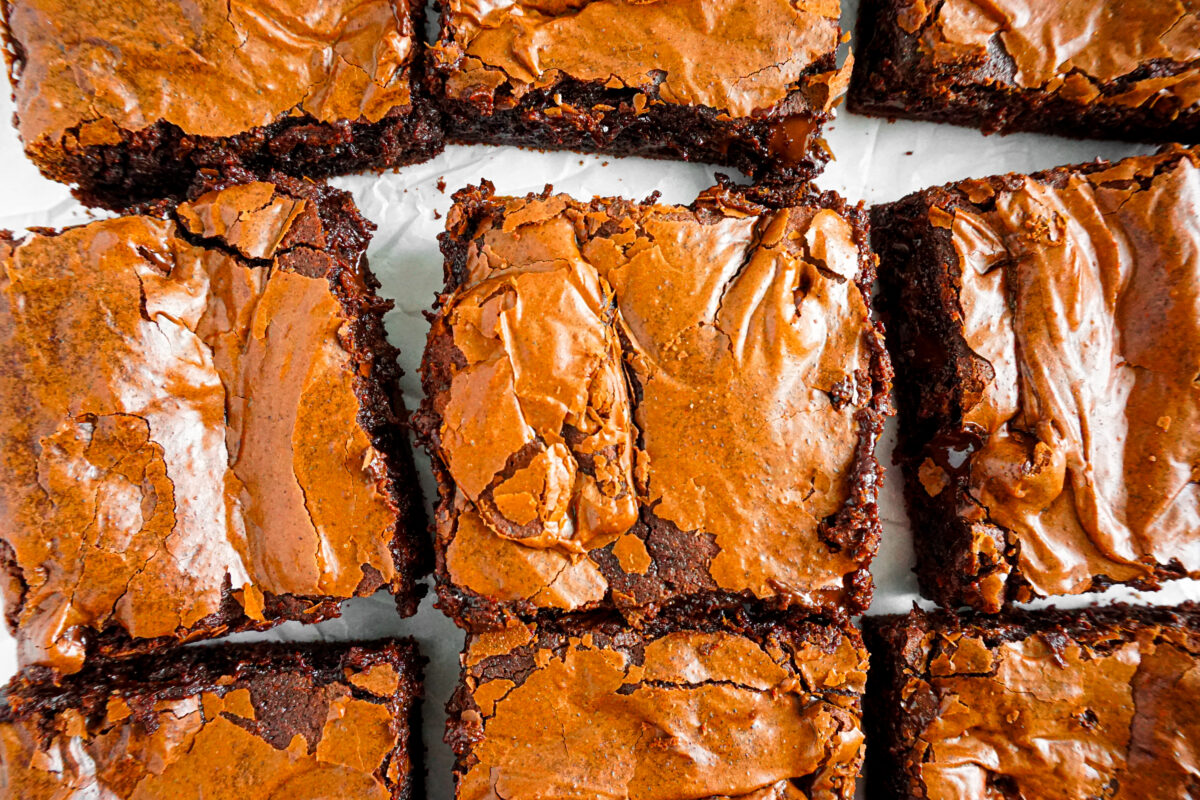
What makes a brownie fudgy or cakey?
Think of brownies as living in the space between cookies and cake. The texture comes down to a few levers:
- Fat vs. flour: More fat (butter, oil, chocolate) and less flour equals fudgier. More flour and less fat equals cakier.
- Egg structure and air: More egg whites and more aeration (whipping) gives lift and a cakier crumb. More yolk tends to read richer and denser.
- Leavening: Baking powder or baking soda pushes brownies toward cakey.
- Sugar behavior: Sugar contributes to a shiny top, moisture retention, and chew. How it is dissolved and beaten matters.
- Bake time: Slightly underbaked equals fudgy. Fully set equals cakier and drier.
Quick texture cheat sheet
If you just want the “tell me what to do” version, save this mental shortcut:
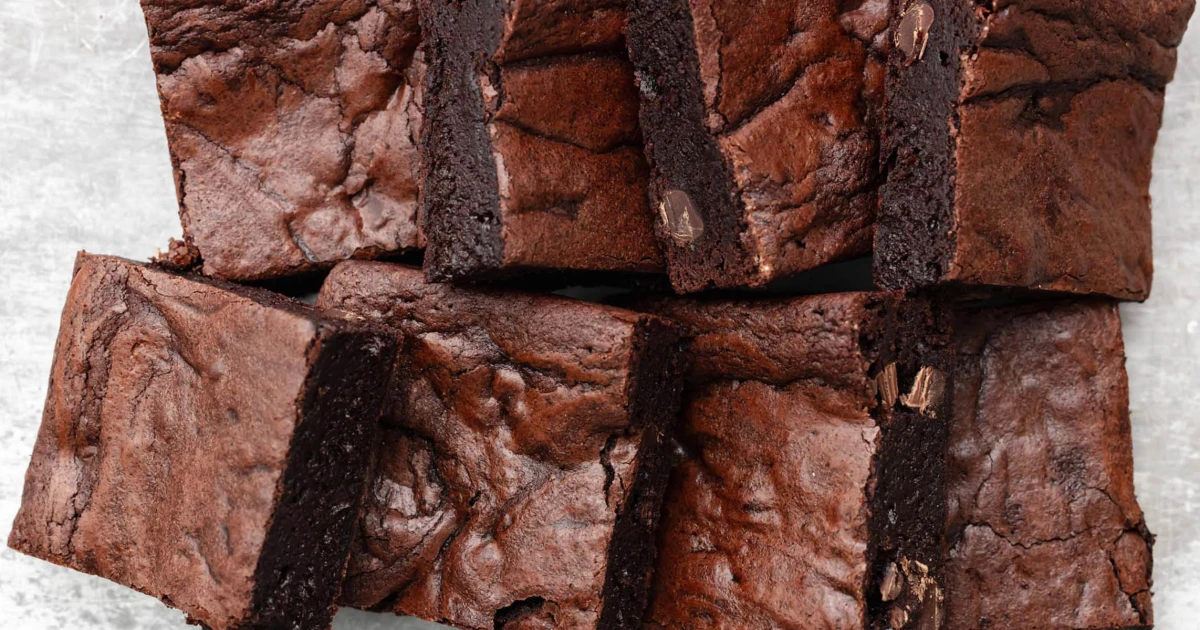
- Fudgy brownie formula: Higher fat + melted chocolate or extra cocoa + fewer dry ingredients + minimal mixing + slightly underbake.
- Cakey brownie formula: More flour + more eggs (especially whipped eggs) + a touch of leavening + longer bake + slightly higher oven temp.
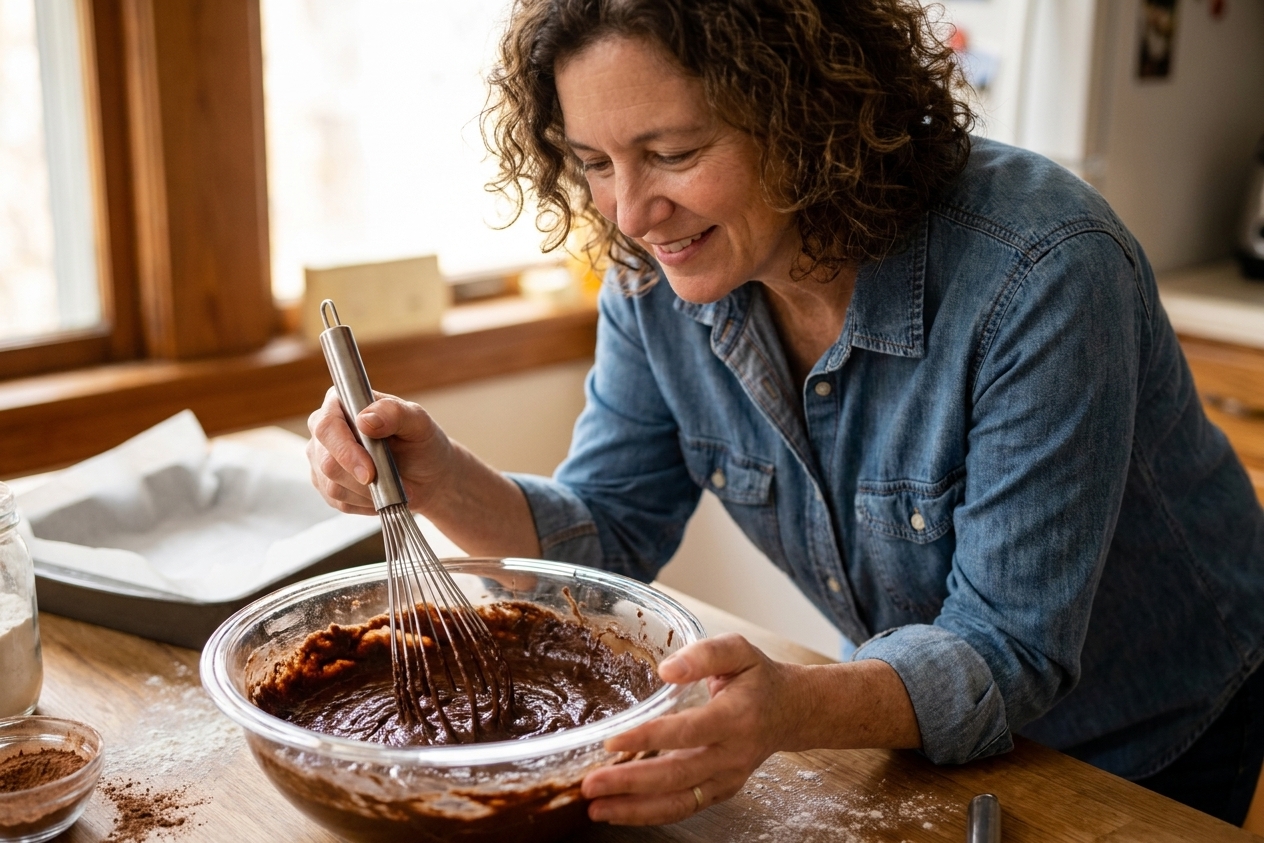
The ratios that control brownie texture
You do not need a brand new recipe. You need to nudge the ratios. Below is a practical way to think about common 8-inch pan brownie recipes (about 16 brownies).
Fat (butter, oil, chocolate)
Fudgy: Increase fat slightly, usually 1 to 2 tablespoons (14 to 28 g) of butter or oil, or swap part of the butter for oil (oil stays liquid, so brownies stay softer and denser). Using melted chocolate also pushes fudgy because it adds cocoa butter plus cocoa solids.
Cakey: Reduce fat a bit, stick with butter rather than oil, and avoid adding extra melted chocolate beyond what the recipe calls for.
Flour
Fudgy: Less flour means less structure, which gives that dense, creamy bite.
Cakey: More flour gives a stronger network and a drier, more cake-like crumb.
Eggs
Fudgy: Fewer eggs and less aeration. Use whole eggs but do not whip them to ribbons. If you want richer, denser brownies, an extra yolk can help more than an extra whole egg.
Cakey: More eggs and more air. Beating eggs and sugar until pale and thick is one of the fastest ways to increase lift. If you are tweaking a recipe, adding a whole egg tends to push cakier more than adding a yolk.
Sugar
Fudgy: Sugar helps retain moisture and creates chew. Keeping sugar relatively high supports fudgy texture, especially when paired with enough fat.
Cakey: You can slightly reduce sugar if the recipe is very sweet, but most “cakey brownie” texture comes more from flour, eggs, and leavening than from slashing sugar.
Leavening (baking powder or baking soda)
Fudgy: Usually none, or a tiny pinch.
Cakey: Many 8-inch pan recipes use about 1/2 teaspoon baking powder. For very cake-like brownies, you may see up to 1 teaspoon, especially in thicker batters.
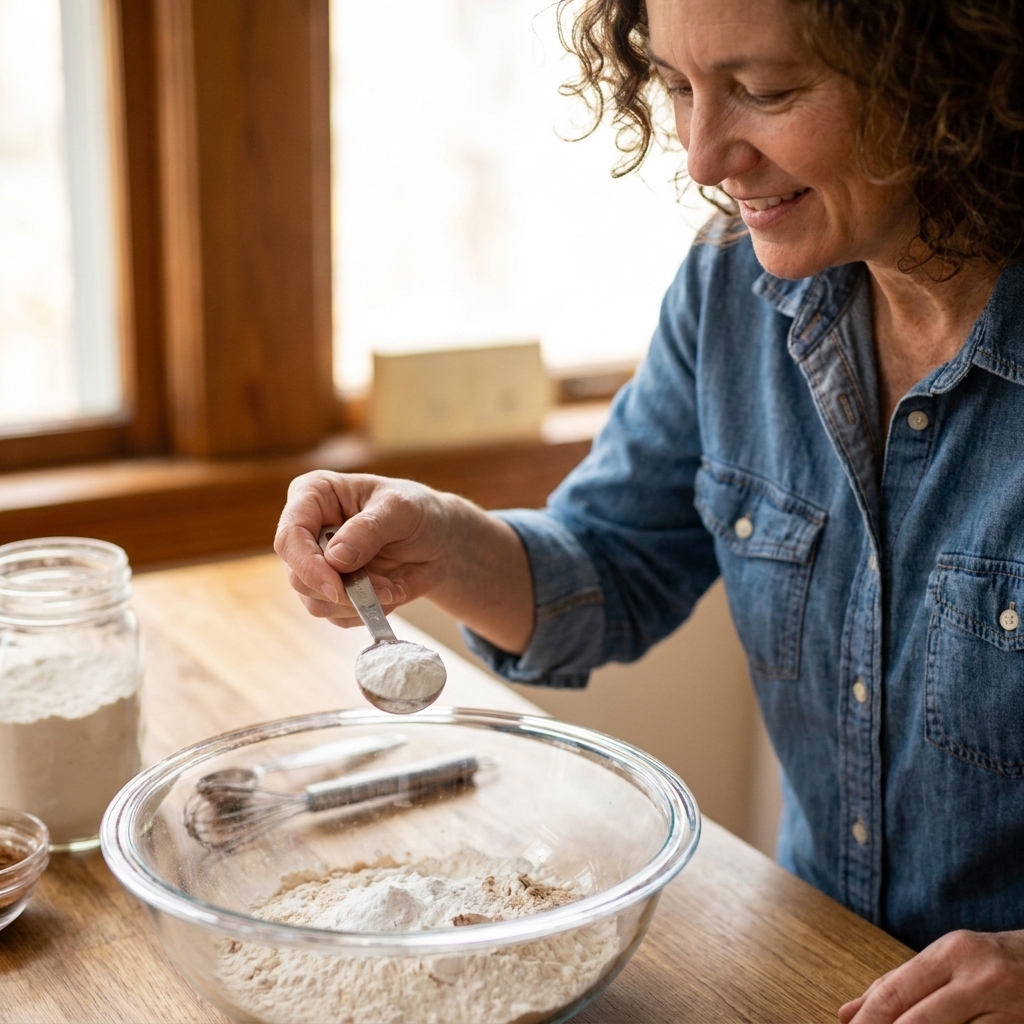
How to turn a fudgy brownie recipe into a cakey one
If you have a favorite fudgy recipe and want it taller and lighter, make two or three of these changes at once. One tiny tweak rarely transforms texture.
1) Add a little flour
For a typical 8-inch pan batch, add 2 to 4 tablespoons (15 to 30 g) flour. Start with 2 tablespoons if you are nervous. (Weights are more reliable. Tablespoon estimates assume flour is spooned into the measuring spoon, not packed.)
2) Add an extra egg, or whip the eggs you already have
- Option A: Add 1 large egg (best for making brownies more cake-like without changing flavor much).
- Option B: Beat the eggs and sugar together for 2 to 3 minutes until lighter in color and a bit thickened, then fold in the remaining ingredients.
3) Add a small amount of baking powder
Add 1/2 teaspoon baking powder for an 8-inch pan recipe. If your batter is already on the thick side, you can go up to 3/4 teaspoon for a more obvious lift.
4) Mix a bit more, but do not go wild
Cakey brownies can handle a touch more mixing because you want a little more structure. Still, stop as soon as the flour disappears to avoid toughness.
5) Bake a little longer
For cakier brownies, you want the center to be set. A toothpick should come out with just a few moist crumbs, not wet batter. As a starting point, try baking 3 to 5 minutes longer than you would for the fudgy version of the same recipe, then adjust from there.
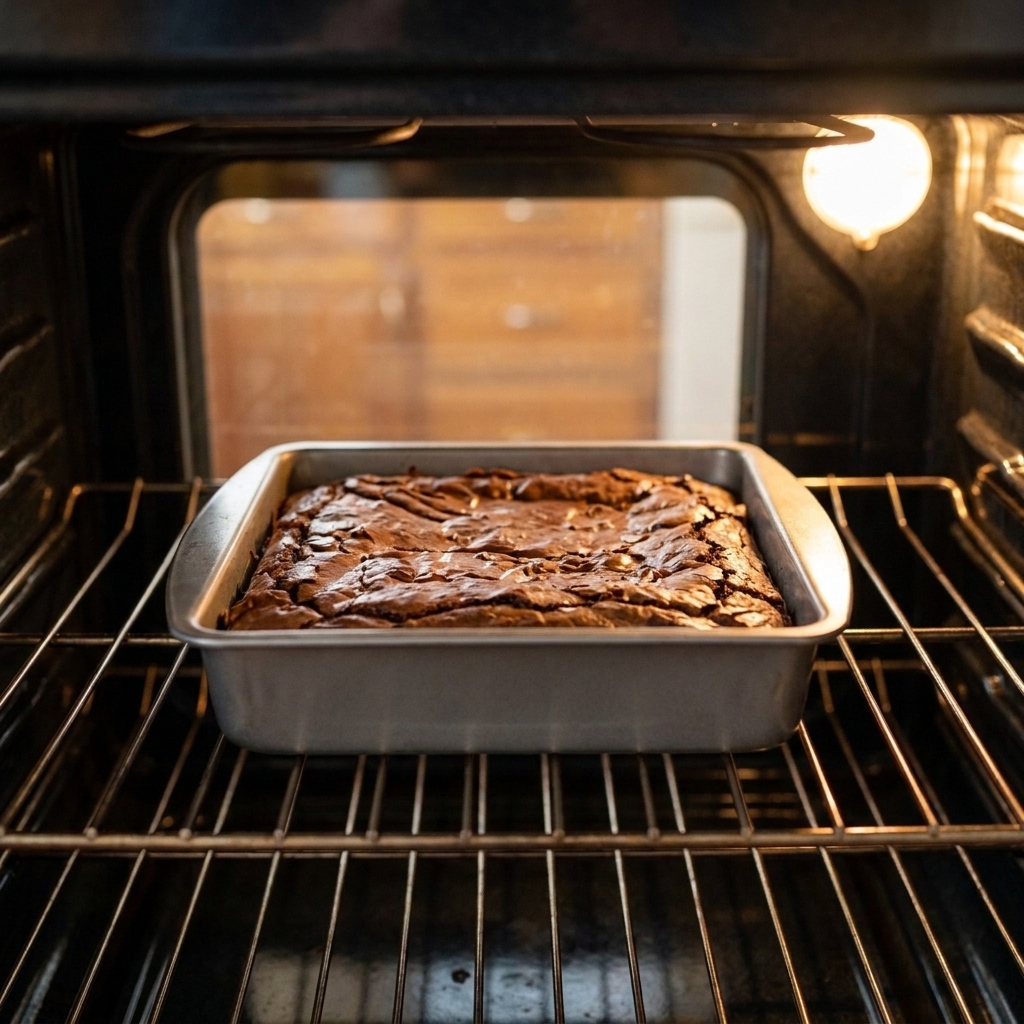
How to turn a cakey brownie recipe into a fudgy one
If your brownies keep coming out dry, fluffy, or bready, here is how I pull them back toward dense and fudgy. Again, pick two or three changes for a real shift.
1) Reduce flour
For an 8-inch pan recipe, reduce flour by 2 to 4 tablespoons (15 to 30 g). (Weights are more reliable. Tablespoon estimates assume spooned flour, not packed.)
2) Increase fat or switch part of the fat to oil
- Add 1 to 2 tablespoons melted butter or oil.
- Or replace 2 tablespoons of butter with 2 tablespoons neutral oil.
3) Add melted chocolate (if the recipe is cocoa-only)
If your recipe relies only on cocoa powder, adding 2 to 4 ounces melted semisweet chocolate can deepen chocolate flavor and create a fudgier bite. To keep the balance close, you can start by reducing butter by roughly about 1 tablespoon per ounce of added chocolate, then adjust next time if needed. (Chocolate formulas vary, so treat this as a starting point, not a law.)
4) Skip the baking powder
If the recipe calls for baking powder and you want fudgy, reduce it to 1/4 teaspoon or omit it entirely. Brownies do not need a big rise to be delicious.
5) Mix less and bake less
Stir just until combined, then pull the pan when the edges are set but the center is still slightly soft. Residual heat finishes the job while keeping that dense middle. If your recipe timing is dialed in but your brownies are still too cakey, start by checking 3 to 5 minutes earlier next time.
Mixing matters
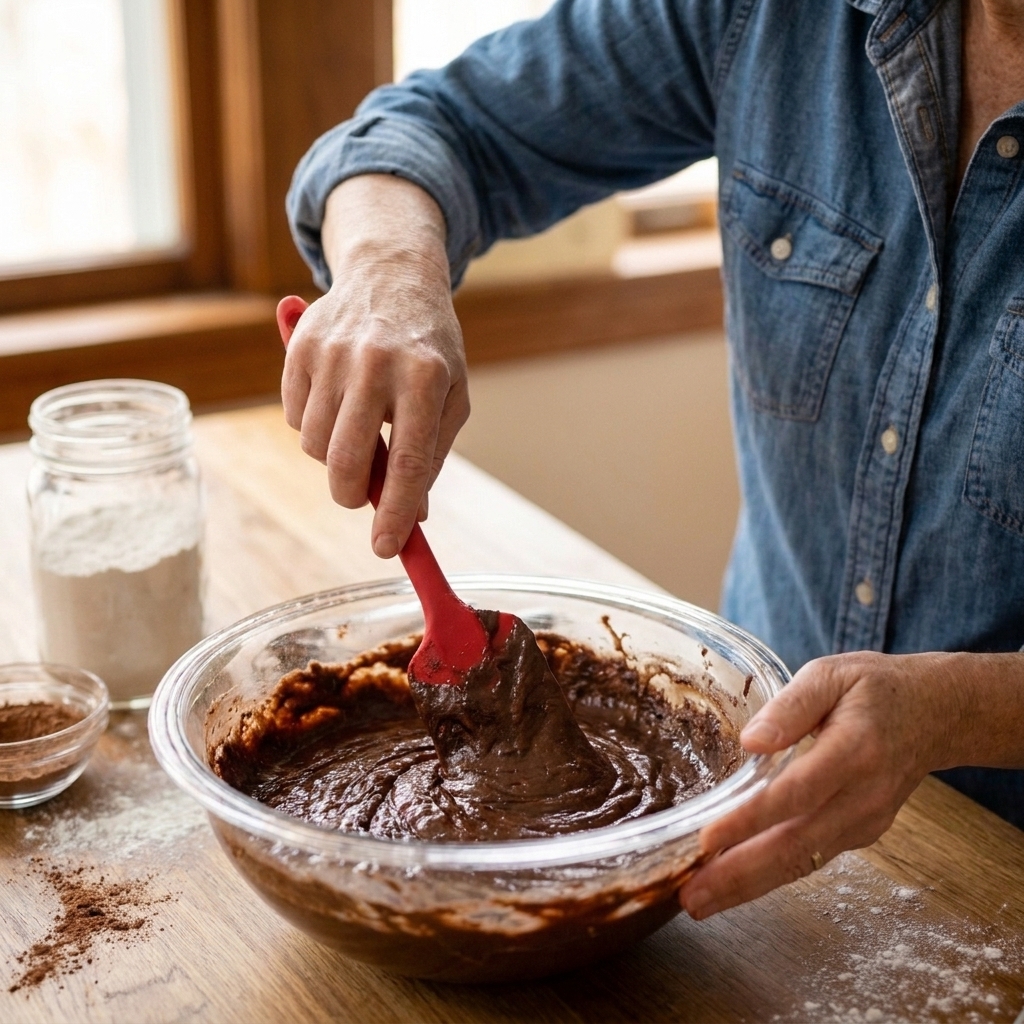
Two brownie batters can have the same ingredients and still bake up differently based on how you mix them.
For fudgy brownies
- Melt butter and chocolate (or bloom cocoa in hot butter) for a smoother, denser base.
- Stir sugar in well, but do not whip lots of air into the eggs.
- Fold flour in gently and stop.
For cakey brownies
- Beat eggs and sugar longer to trap air.
- Sift dry ingredients if your cocoa is lumpy.
- Mix until batter is smooth, not streaky, but stop before it becomes elastic.
Oven temp and pan choices
I know we all want a one-number answer, but oven and pan choices nudge texture, too.
Temperature
- Fudgy: 325°F often helps brownies bake gently and stay dense.
- Cakey: 350°F helps set the structure a bit faster and can encourage more lift.
Pan material
- Metal pan: Best for brownies overall. It conducts heat well and sets edges cleanly.
- Glass pan: Slower to heat and holds heat longer. It often helps to lower the oven temperature by about 25°F and start checking a few minutes early, but let your doneness cues be the final judge.
Pan size
If you bake the same batter in a larger pan, the brownies are thinner and will bake faster, which often pushes them drier and more cake-like. A smaller pan makes thicker brownies that stay fudgier. Always adjust bake time when changing pan size.
How to read doneness
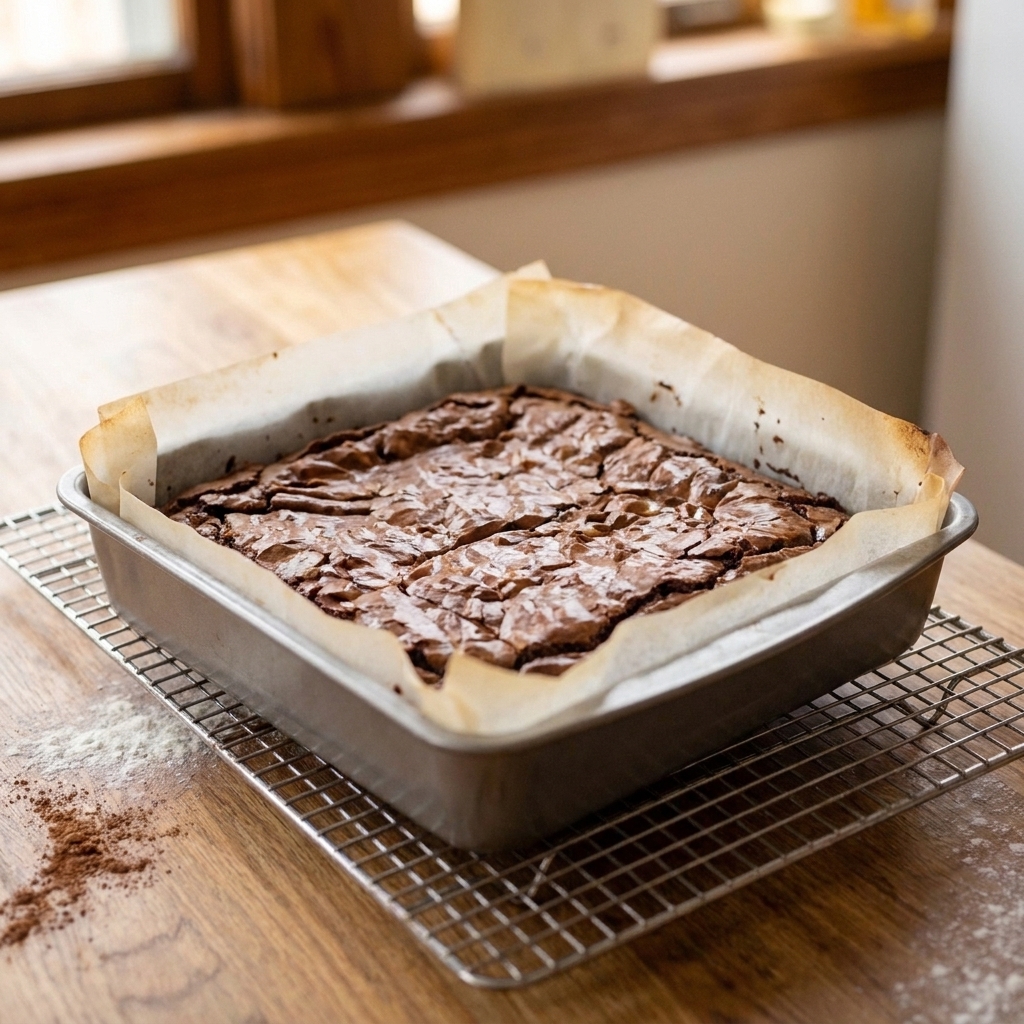
This is my favorite “secret” because it is free and it works with any recipe.
Fudgy doneness cues
- Edges look set and slightly pulled from the pan.
- Center is no longer shiny-wet but still soft.
- Toothpick comes out with thick, damp crumbs or a smear of batter (not raw liquid, but not clean).
Cakey doneness cues
- Top feels set when lightly tapped.
- Center springs back a bit.
- Toothpick comes out with a few moist crumbs, not batter.
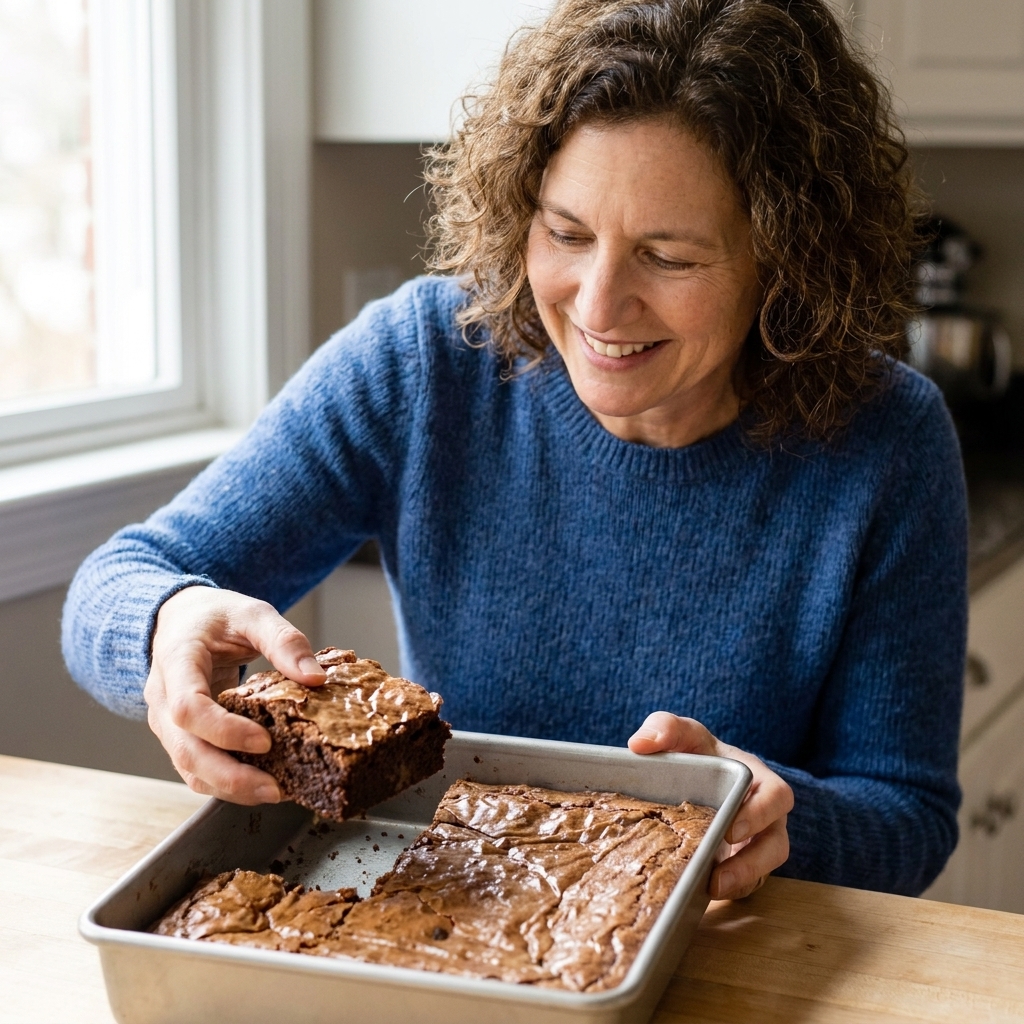
My biggest brownie tip: cool completely before judging texture. Warm brownies can trick you into thinking they are underbaked, especially the fudgy ones. If you love a dense, clean slice, chilling the pan for 30 to 60 minutes firms everything up and makes cutting easier.
Troubleshooting
My brownies are dry
- They are likely overbaked. Pull them earlier next time.
- Measure flour by weight if possible, or spoon and level it.
- Reduce flour by 2 tablespoons or add 1 tablespoon oil.
My brownies are too gooey and never set
- They may be underbaked, or your pan is larger than the recipe intended.
- Let them cool fully, then chill 1 hour to see the true set.
- Next time, add 2 tablespoons flour or bake 3 to 6 minutes longer.
My brownies are puffy like cake
- Check for baking powder. Reduce or omit.
- Do not over-whip the eggs.
- Add 1 tablespoon oil and reduce flour slightly.
Why did my brownies sink?
- Usually underbaked center, or too much air whipped into the batter followed by collapse.
- For fudgy brownies, a little sink is normal and honestly delicious.
- For cakey brownies, bake until the center is set and cool on a rack.
My go-to tweak combos
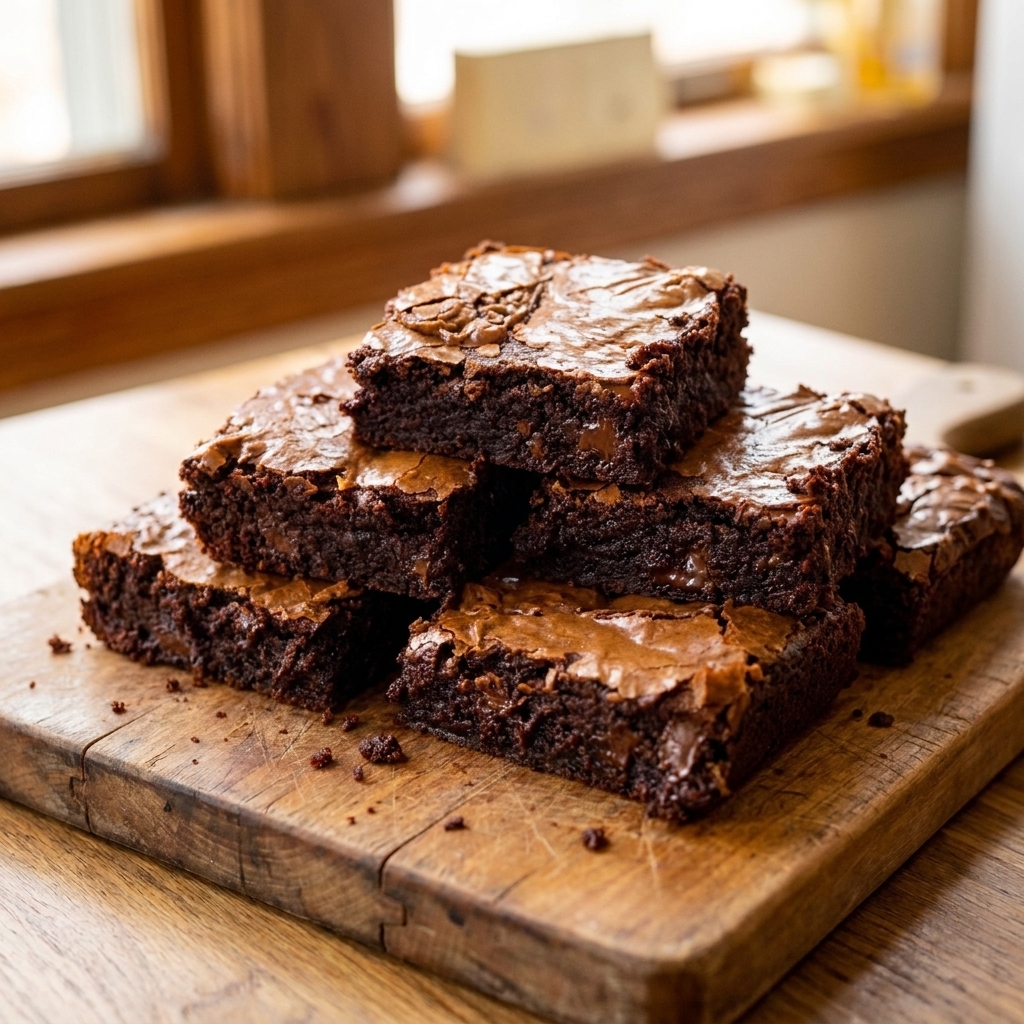
If you want a simple starting point, these combos work beautifully for most standard recipes.
To make brownies fudgier
- Reduce flour by 2 tablespoons
- Add 1 tablespoon oil
- Remove baking powder
- Underbake slightly
To make brownies cakier
- Add 3 tablespoons flour
- Add 1 extra egg (or whip eggs and sugar for 2 to 3 minutes)
- Add 1/2 teaspoon baking powder
- Bake until toothpick shows moist crumbs
FAQ
Can I make brownies fudgy without melted chocolate?
Yes. Use cocoa powder plus enough fat, and consider adding 1 tablespoon oil. Also, do not overbake. Cocoa-only brownies can be incredibly fudgy when the flour is kept in check.
What ingredient makes brownies more cakey the fastest?
Eggs, especially when beaten with sugar to add air, plus a small amount of baking powder. Flour helps too, but eggs plus aeration is the quickest texture shift.
Does using brown sugar change texture?
Brown sugar adds moisture and chew because of the molasses. It can make brownies feel fudgier and softer. If you swap some white sugar for brown, expect a slightly denser bite and a deeper flavor.
Why do some brownies get that shiny, crackly top?
That crackly top comes from sugar dissolving and forming a delicate meringue-like layer on top, often helped by whisking eggs and sugar well and using enough sugar and fat. You can get crackle on both fudgy and cakey brownies, but it is most common in recipes with a higher sugar-to-flour ratio.
Does cocoa type matter?
A little. Natural cocoa is more acidic and can taste sharper, while Dutch-process cocoa is smoother and darker. If your recipe uses baking soda, it is usually written with natural cocoa (or another acid) in mind. If it uses baking powder, either cocoa type typically works. Texture differences are usually subtle, but flavor differences are real.
Pick your brownie personality
If you take nothing else from this, take this: flour builds structure, fat builds fudge, eggs build lift, and time dries things out. When you know which dial to turn, you can bake the brownie you actually crave, not just the one your recipe happens to produce.
Use your current recipe as your baseline and try the smallest tweak first. Once you like the direction, stack two or three changes and you will land exactly where you want to be.