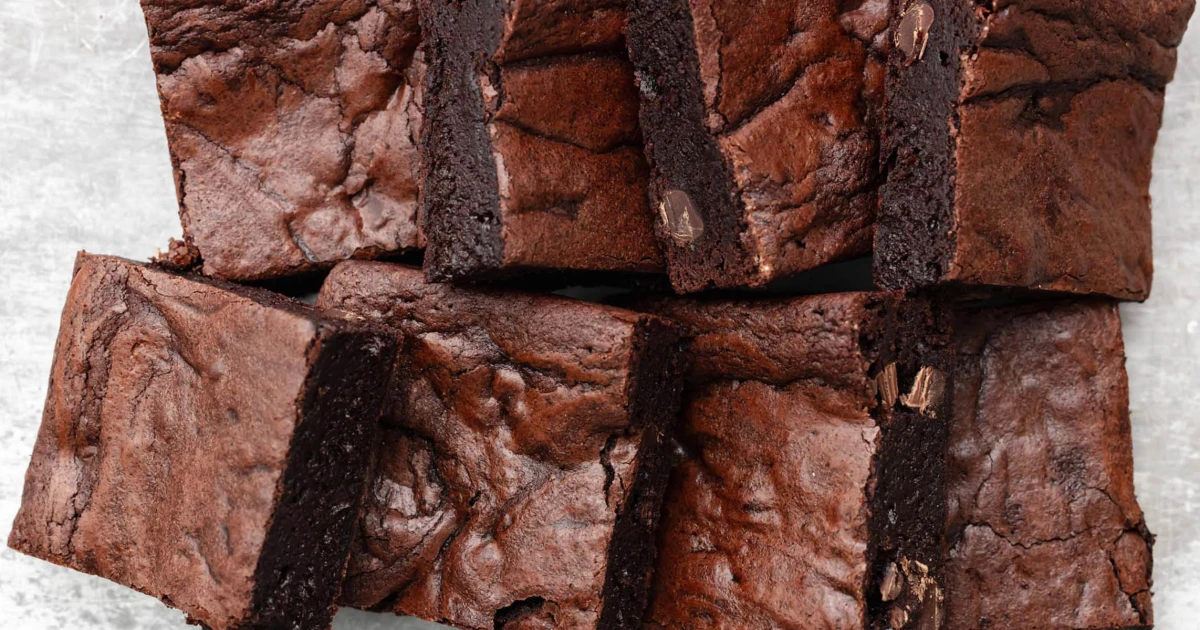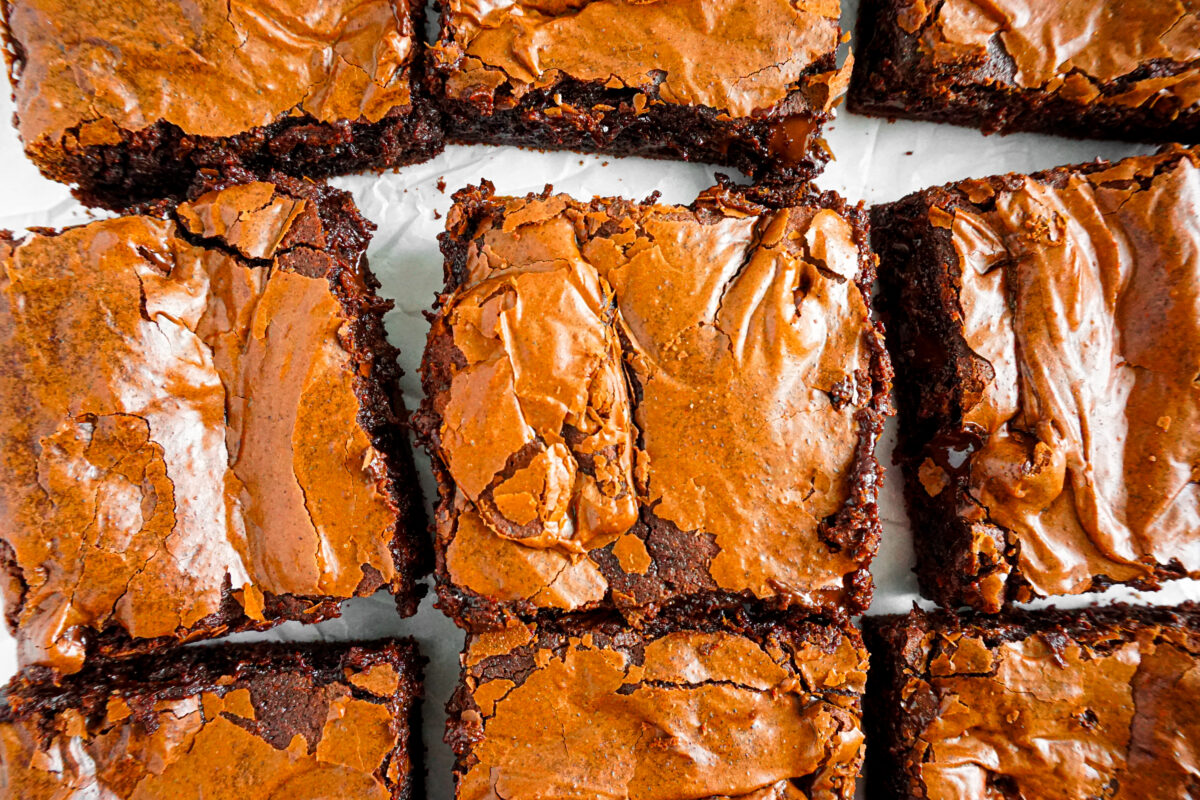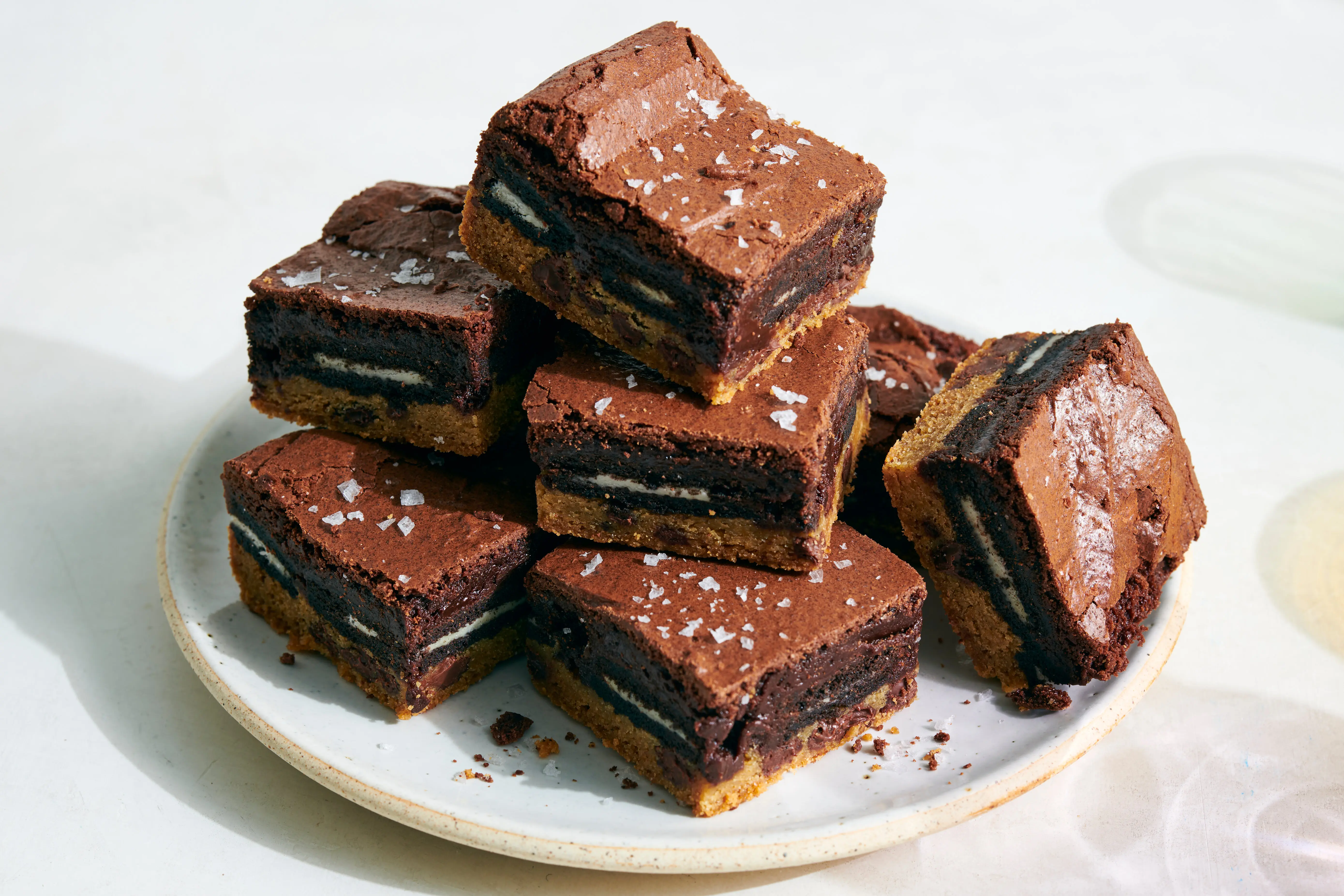
If your brownies look gorgeous around the edges but dip in the center like a little crater, you are not alone. I have done it, too, usually right after I convinced myself they were done because the top looked shiny and perfect. The good news is that sunken brownies are almost always a process issue, not a you issue. Let’s walk through the most common culprits and the easy fixes that give you that dreamy fudgy middle without the collapse.
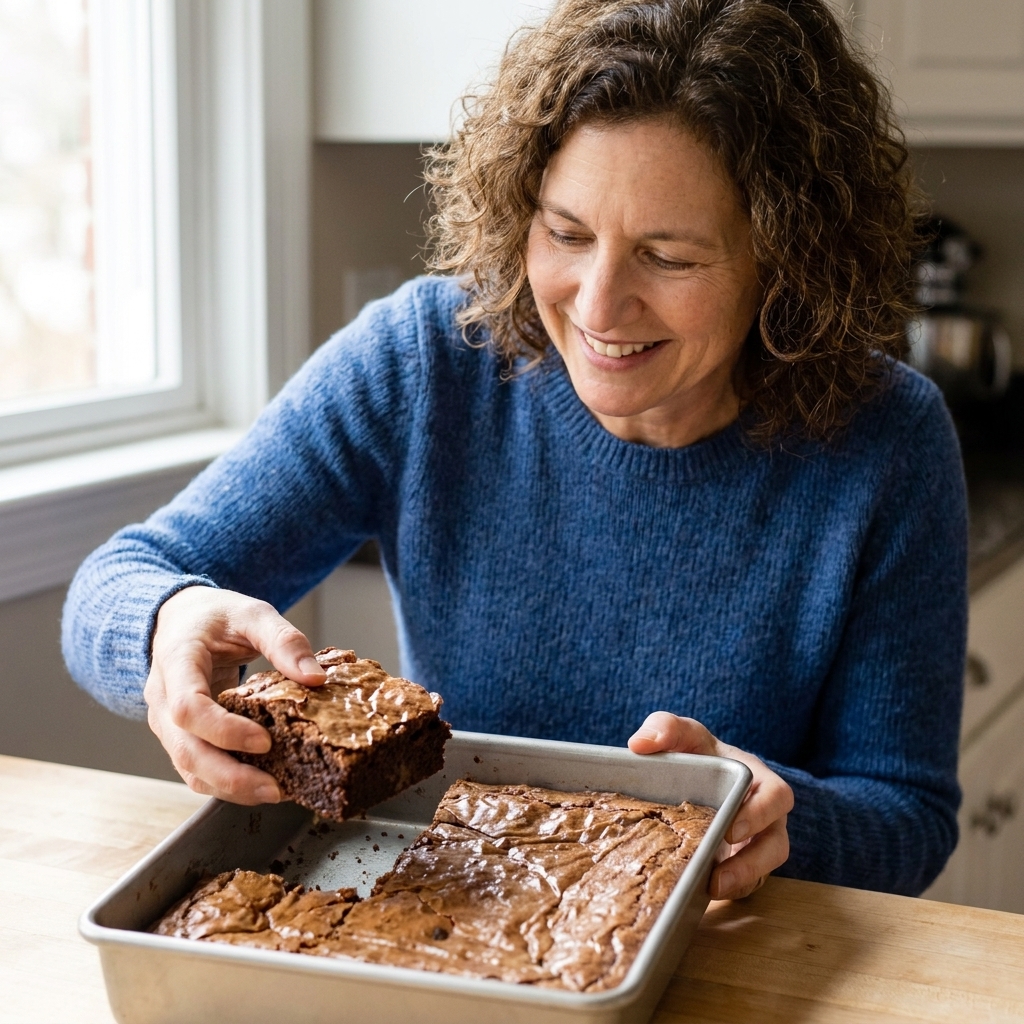
The short answer: why brownies sink
Brownies sink when the center has not set enough to support the structure as it cools. That can happen for a few different reasons, but they all boil down to one thing: the middle did not bake and stabilize at the same pace as the edges.
- Underbaked center (most common)
- Oven temperature is off (too hot or too cool)
- Too much air in the batter from overmixing or lots of whipping
- Pan size or material changes bake time and heat flow
- Too much moisture (extra liquid, too many add-ins, or ingredient swaps)
- Cooling too fast or drastic temperature changes
- Too much leavening in cakier recipes or box mixes
Culprit #1: Underbaking
Brownies keep cooking a bit after they come out of the oven, but they cannot magically set a raw middle. If the center is still batter-soft, it will rise in the oven, then sink as steam escapes and the structure collapses.
How to tell if brownies are truly done
- The jiggle test: Gently shake the pan. The center should not slosh. A slight, thick wobble like set pudding is fine for fudgy brownies.
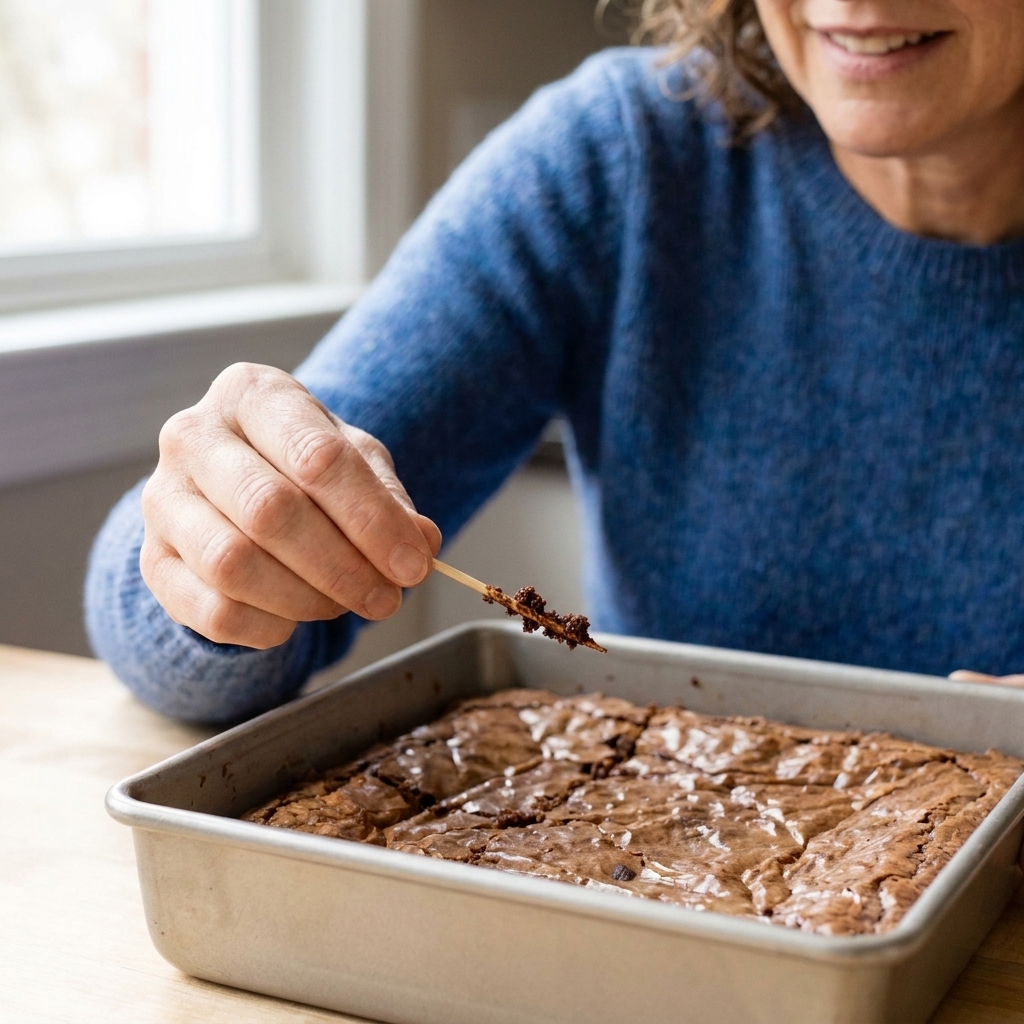
- The toothpick test, brownie edition: Insert a toothpick in the center (or about 2 inches from the edge if you prefer to avoid the most molten spot). For fudgy brownies, you want moist crumbs, not wet batter. A clean toothpick usually means cakier brownies.
- Look at the edges: The edges should be set and may pull slightly away from the pan. If the edges look glossy and soft, it is early.
- Check the top: A shiny, crackly top is a good sign, but it is not a doneness guarantee. Plenty of underbaked brownies have gorgeous tops.
- Optional, more precise: If you like numbers, an instant-read thermometer can help. Many brownies land roughly in the 180°F to 210°F range depending on how fudgy or cakey the recipe is. Use it as a guide, not a rule, and defer to your recipe if it gives a temperature target.
Fix it next time
- Add time in small increments: 3 to 5 minutes makes a huge difference at the end.
- Move the pan to the middle rack: Too low can overcook the bottom before the center sets.
- Use a metal pan for more predictable results: Metal heats and responds quickly, which usually helps the center bake through without overdoing the edges.
Culprit #2: Oven temperature problems
If your oven runs hot, the edges set too fast while the center stays underdone. The brownies rise dramatically, the top sets, and then the middle falls when it cannot support itself. If your oven runs cool, you may pull them too early because the bake time feels long, leaving the center underbaked.
Signs your oven temp is off
- Brownies are done on the edges but raw in the middle at the stated bake time.
- The top is very domed early on, then collapses hard.
- You consistently have issues with multiple recipes, not just brownies.
Fix it next time
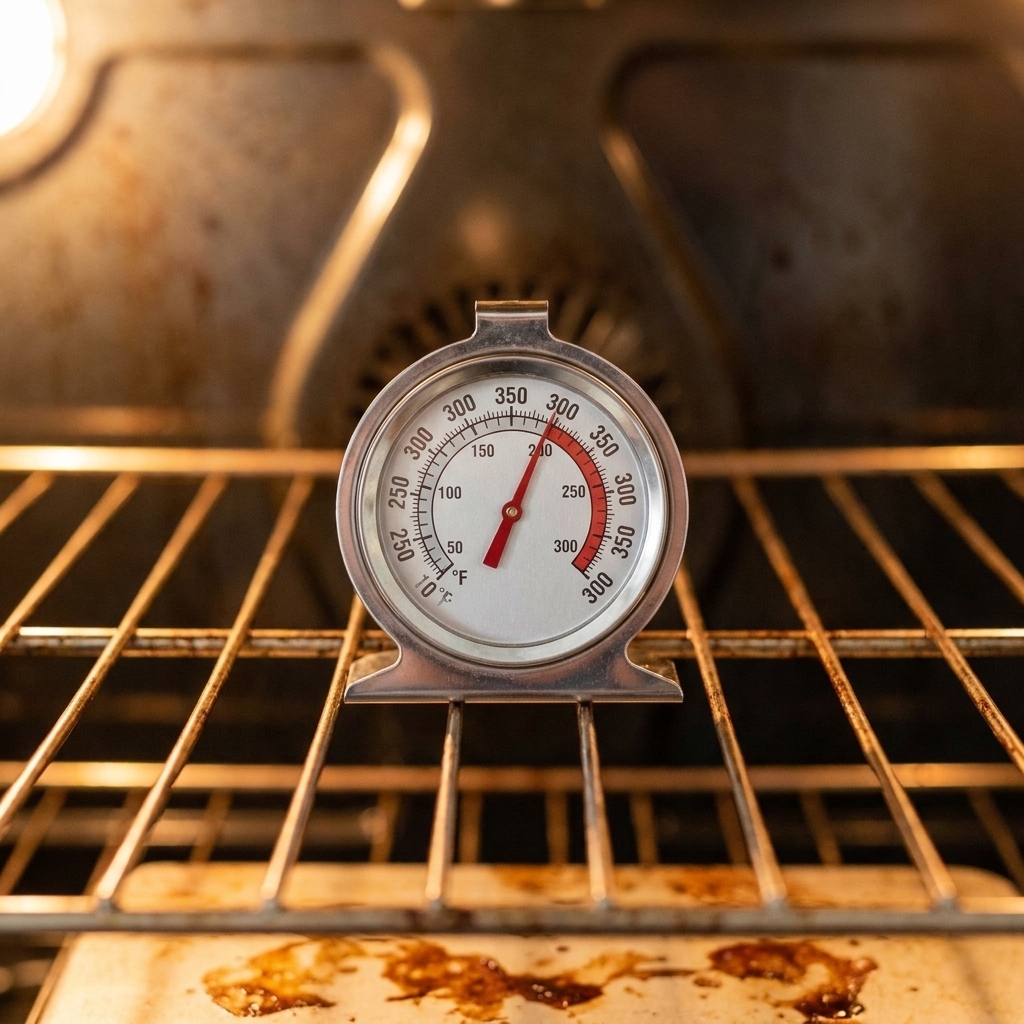
- Use an oven thermometer: This is my number one recommendation for brownie bakers.
- Preheat fully: Give it at least 15 to 20 minutes after the beep, especially if you keep a baking stone, steel, or heavy sheet in the oven.
- Avoid convection unless the recipe says so: Convection can set edges faster and dry the top. If you must use it, lower the temperature about 25°F and start checking early.
Culprit #3: Overmixing
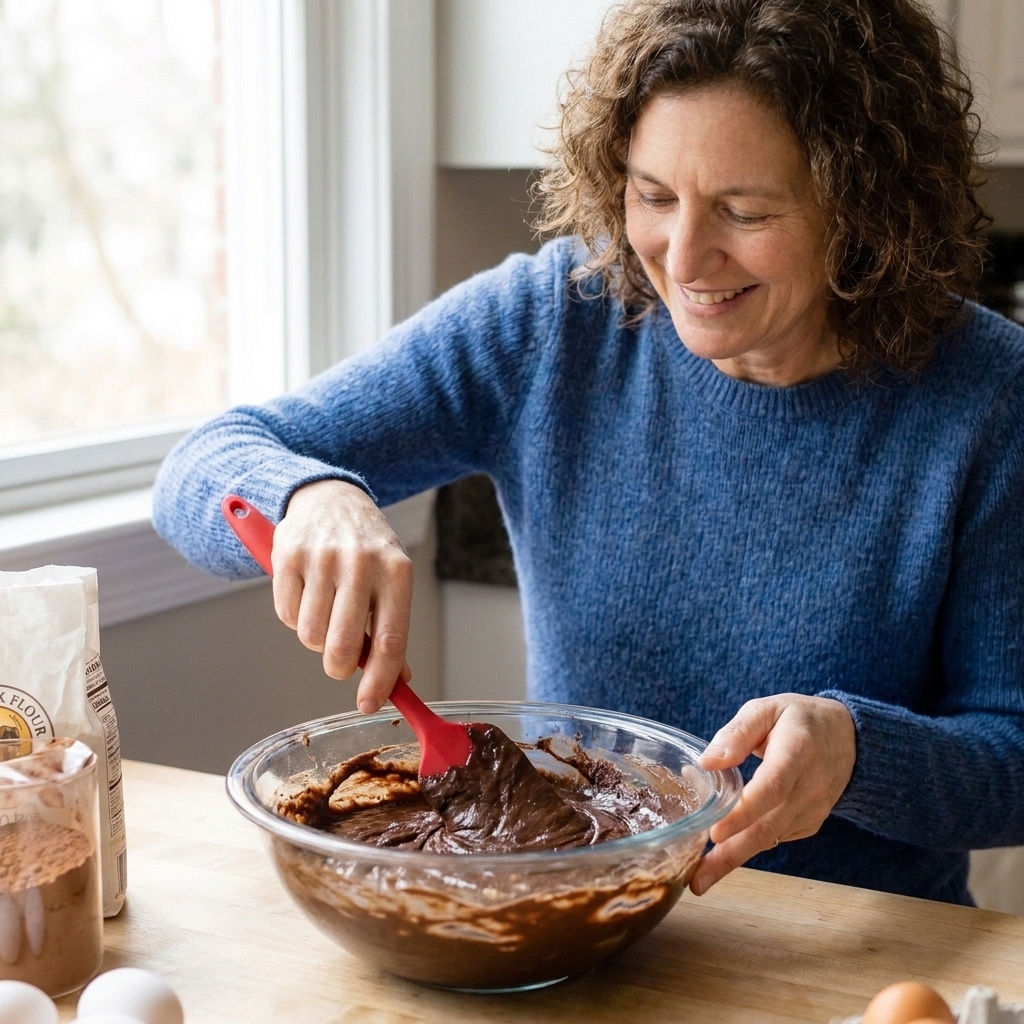
Brownies are not cake. When you mix vigorously for a long time after adding flour, you develop more gluten and trap extra air. In the oven that air expands, your brownies puff up, and when they cool they fall. Sometimes the texture also turns a bit tough around the edges.
Where overmixing happens
- After flour is added: This is the big one. Stir just until the flour disappears.
- With a mixer: A stand mixer makes it very easy to overdo it. Brownies love a whisk and a spatula.
- Over-beating eggs and sugar: Some shiny-top methods intentionally whip eggs and sugar, but overdoing it can create a souffle effect that later deflates.
Fix it next time
- Mix by hand: Whisk wet ingredients until combined, then fold in dry.
- Stop early: When you still see a faint streak of flour, switch to gentle folding. It finishes mixing as you fold.
Culprit #4: Pan size or material
This one sneaks up on people because the recipe still “fits” in the pan. But a different pan changes thickness, heat flow, and bake time, which can leave the center underbaked even when the edges look perfect.
Common pan issues that lead to sinking
- Using a larger pan: Batter is thinner, edges set fast, brownies can overbake and dry, and you may pull early because the top looks done.
- Using a smaller pan: Batter is thicker, center takes longer, and underbaking is very easy.
- Glass pans: Glass heats more slowly but holds heat longer. The center often needs more time, and edges can get overdone if you are not watching closely.
- Dark nonstick pans: Dark pans brown edges faster, sometimes before the center is set.
Fix it next time
- Use the pan size called for: If you change it, expect bake time changes.
- Learn your pan: With glass, start checking a few minutes later, and be ready to tent with foil if edges are getting too dark.
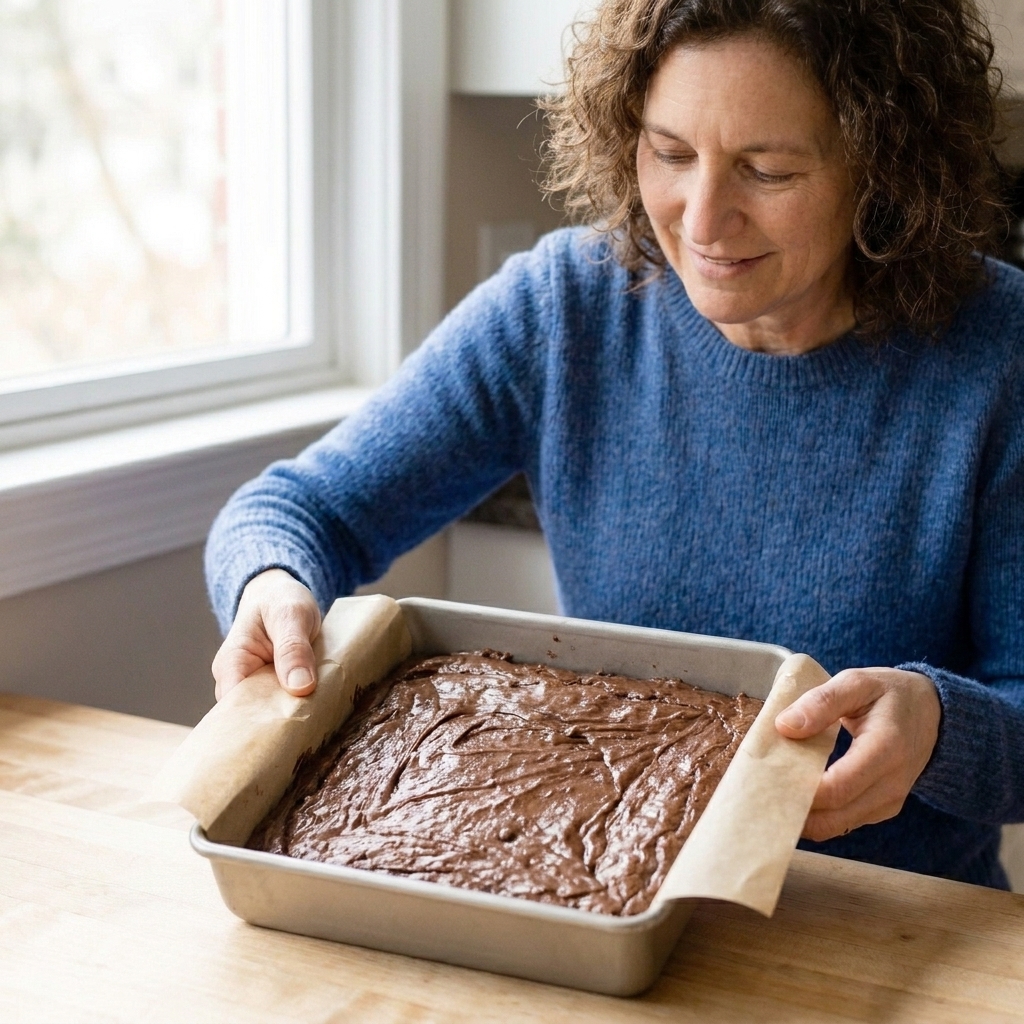
- Line with parchment: It helps with even lift-out and reduces overbrowning on the bottom.
Culprit #5: Too much moisture or too many add-ins
Brownies can handle mix-ins, but certain add-ins release water or change how the center sets. The result can be a gooey middle that never quite bakes through, followed by sinking as it cools.
Common moisture culprits
- Extra liquid from swaps: Using melted butter plus extra milk, reducing sugar, or changing fats can throw off structure.
- Watery mix-ins: Fresh berries, juicy cherries, or very wet peanut butter swirls can keep the center soft.
- Too many chocolate chips: A lot of chips can make the center meltier and slow down setting. They do not just sit there. They also warm, melt, and add fat, which can make brownies look underbaked even when they are close.
Fix it next time
- Pat dry wet fruit: If you add berries, blot them well and toss lightly with a teaspoon of flour or cocoa.
- Keep mix-ins reasonable: A good rule is about 3/4 to 1 cup total mix-ins for an 8-inch pan recipe unless the recipe is designed for more.
- Do not reduce sugar dramatically: Sugar is not just sweetness. It affects moisture, structure, and that classic shiny top.
Culprit #6: Opening the oven too early
Brownies are more forgiving than souffles, but the center still needs steady heat to set. If you open the oven repeatedly early in baking, the temperature drops and the bake can become uneven. That can leave the middle lagging behind the edges, which makes sinking more likely when they cool.
Fix it next time
- Do not open the door before the minimum bake time: Set a timer and trust it.
- Use the oven light: Peek through the window if you have one.
Culprit #7: Cooling mistakes
Even properly baked brownies settle a little as they cool. But rapid temperature changes can make that settling look dramatic.
What to avoid
- Moving the pan to a cold surface: Placing a hot pan on a cold stone counter can cool the bottom too fast.
- Cutting while piping hot: The center is still setting. Cutting early can make it look raw and unstable.
Fix it next time
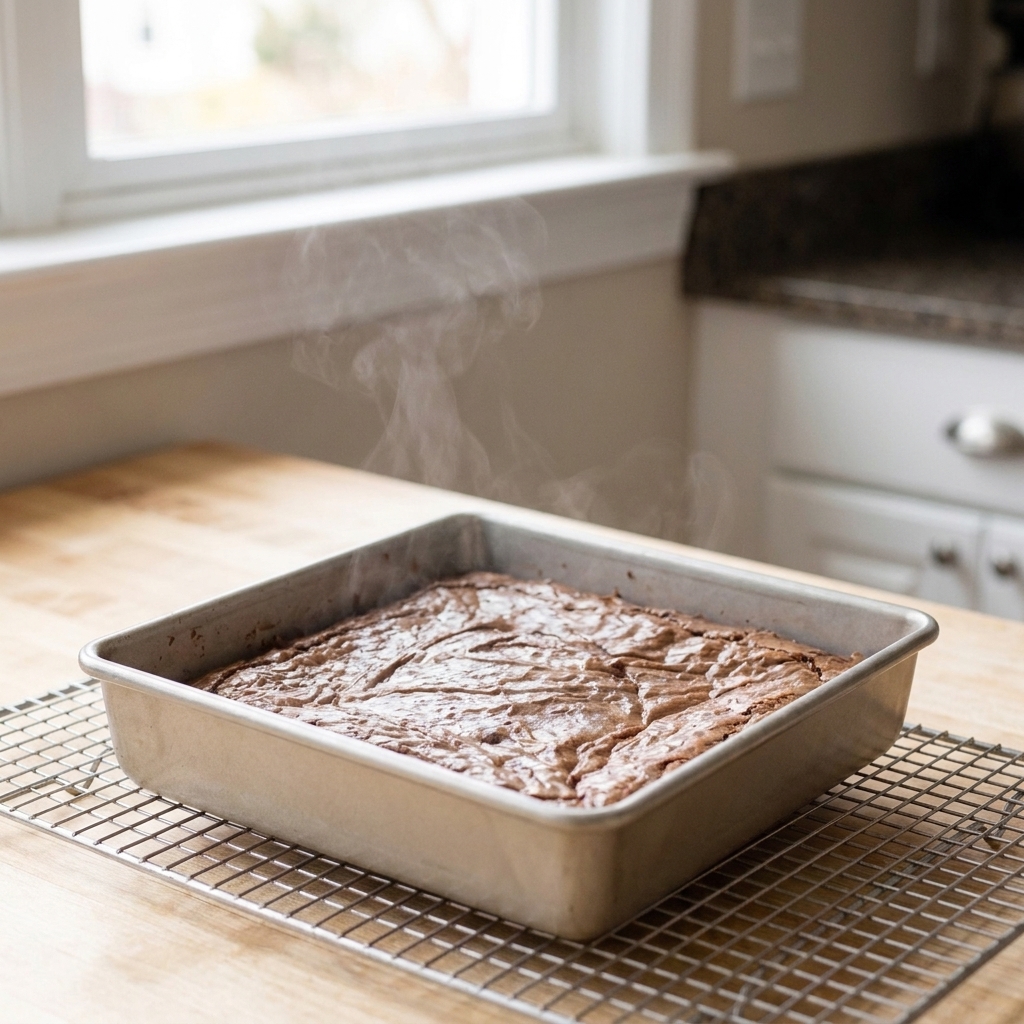
- Cool on a wire rack: Airflow helps the pan cool evenly.
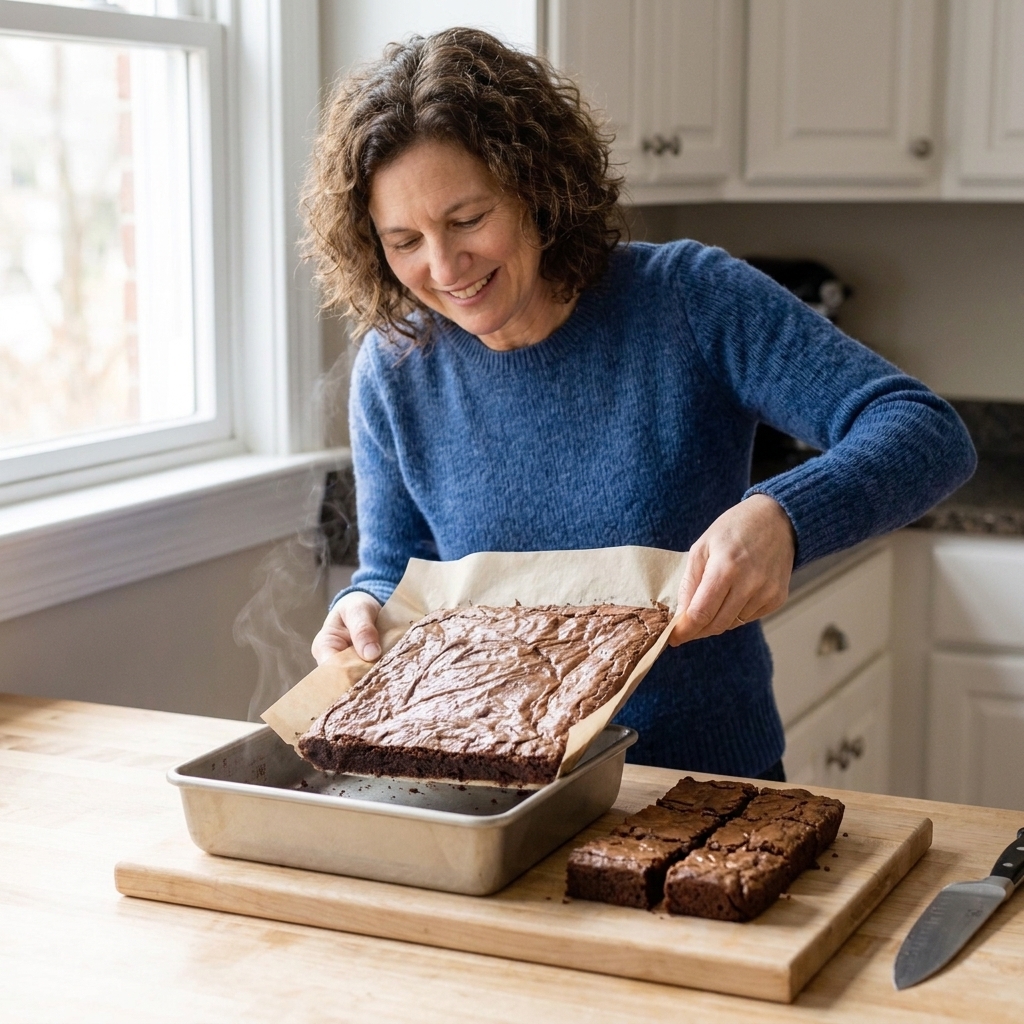
- Wait to cut: Give brownies at least 1 hour, and for ultra clean slices, chill 30 to 60 minutes before cutting.
Culprit #8: Too much leavening
Not every brownie recipe uses baking powder or baking soda, but box mixes and cakier styles often do. If there is too much leavening, brownies can puff up fast, set on the outside, and then fall as they cool. The result is a rise-and-fall crater even when you baked them close to the right time.
Fix it next time
- Measure carefully: Level off baking powder and baking soda, and do not “round up.”
- Do not add extra leavening: If a recipe calls for none, that is on purpose.
- Bake promptly: Once the leavening is mixed in, get the batter into the oven so it rises in the oven, not in the bowl.
Quick rescue: what to do if your brownies already sank
First, breathe. Sunken brownies are often still delicious. Here is how to salvage them.
If the center is raw
- Put them back in the oven: Cover loosely with foil and bake at the original temperature for 5 to 10 minutes, then re-test. This works best if you catch it within 10 to 15 minutes of taking them out.
- Let them cool fully before judging: A warm center can seem underbaked even when it is just fudgy.
If they are baked but collapsed
- Lean into it: Call it a brownie well and fill with whipped cream, ice cream, or warm ganache.
- Turn them into a trifle: Layer chunks with pudding and berries in cups. No one complains.
My foolproof brownie checklist
- Read the recipe and use the correct pan size.
- Preheat longer than you think and bake on the middle rack.
- Use an oven thermometer if brownies are regularly giving you trouble.
- Mix gently after adding flour.
- Start checking at the earliest bake time and look for moist crumbs, not wet batter.
- Cool on a rack and wait to cut.
FAQ
Are sunken brownies always underbaked?
Not always, but it is the most common reason. Overmixing, oven temperature issues, and even too much leavening can also cause a rise-and-fall situation even if the center is technically cooked through.
Why are my brownies raw in the middle but done on the edges?
This usually points to oven temperature or pan issues. A too-hot oven or dark pan sets the edges fast while the center lags behind. An inaccurate oven temperature is a frequent culprit.
Do fudgy brownies sink more than cakey brownies?
They can. Fudgy brownies have less flour and a softer set, so a small amount of settling is normal. The goal is a gentle settle, not a crater with a gummy center.
Should I use a metal or glass pan for brownies?
I prefer metal for the most predictable bake. Glass can work, but you will often need a longer bake and careful watching so the edges do not overdo it.