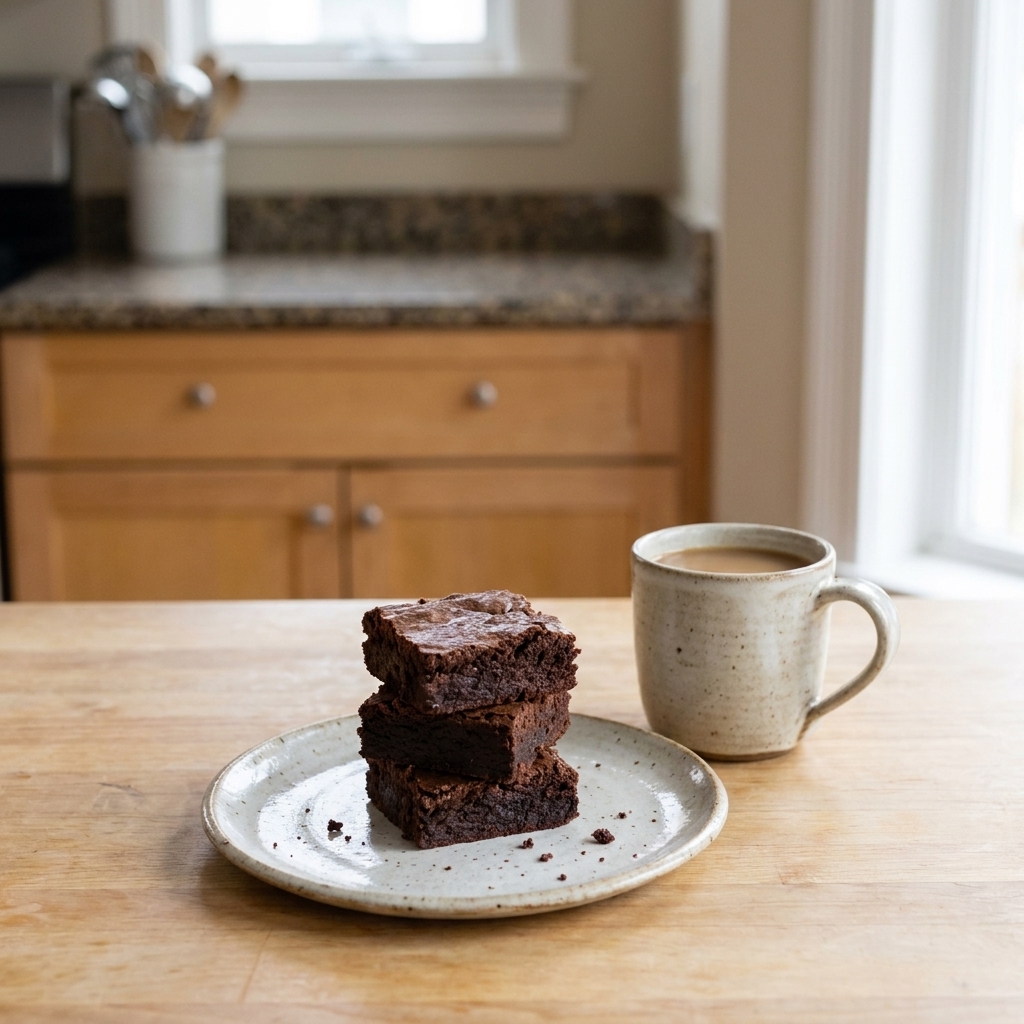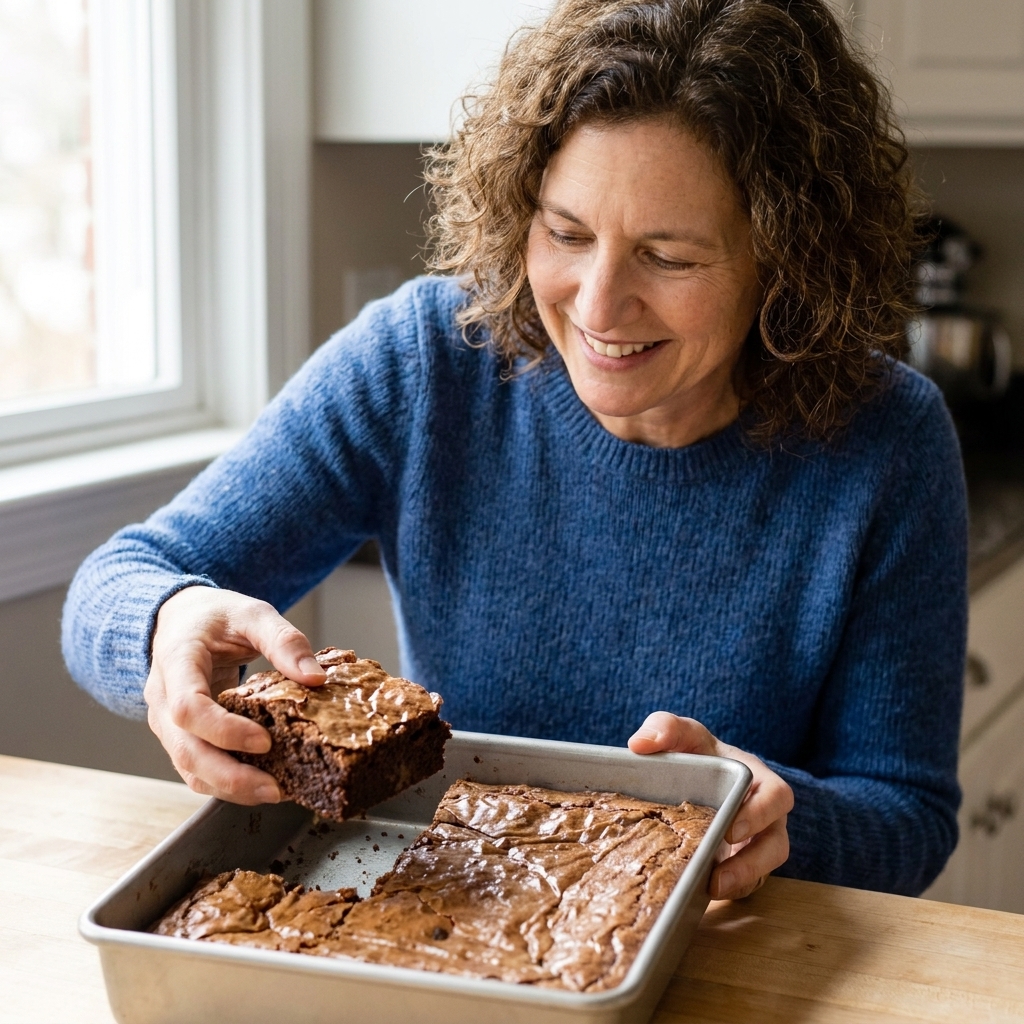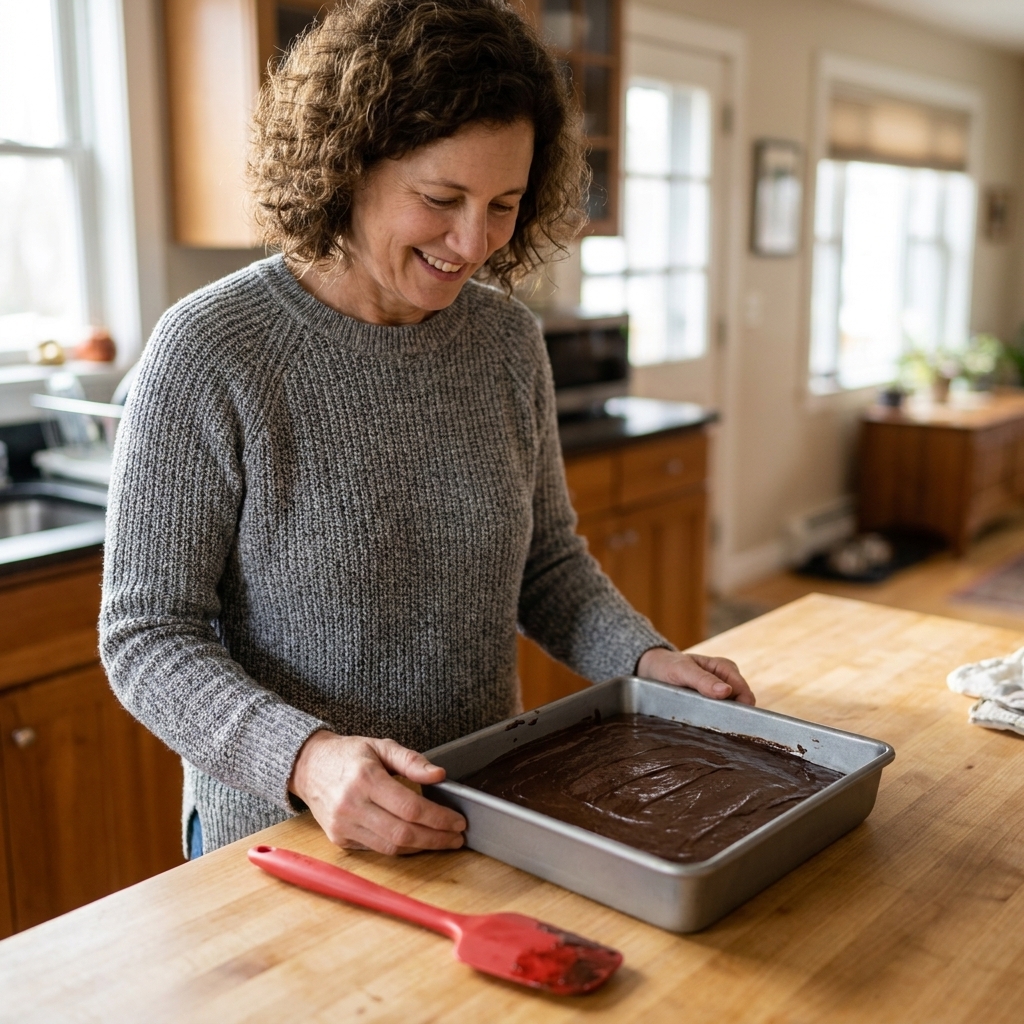
If you have ever baked two pans of brownies that looked similar but tasted completely different, there is a good chance the chocolate base was the reason. Cocoa powder brownies tend to bake up with a bold, dark chocolate hit and a slightly drier, chewier bite. Melted chocolate brownies lean richer, softer, and more fudgy because you are bringing extra cocoa butter along for the ride.
I love both styles, and I keep both options in my baking pantry at all times. The trick is choosing the right base for the texture you want, and knowing what you are really changing when you swap one for the other.
What you add to the batter
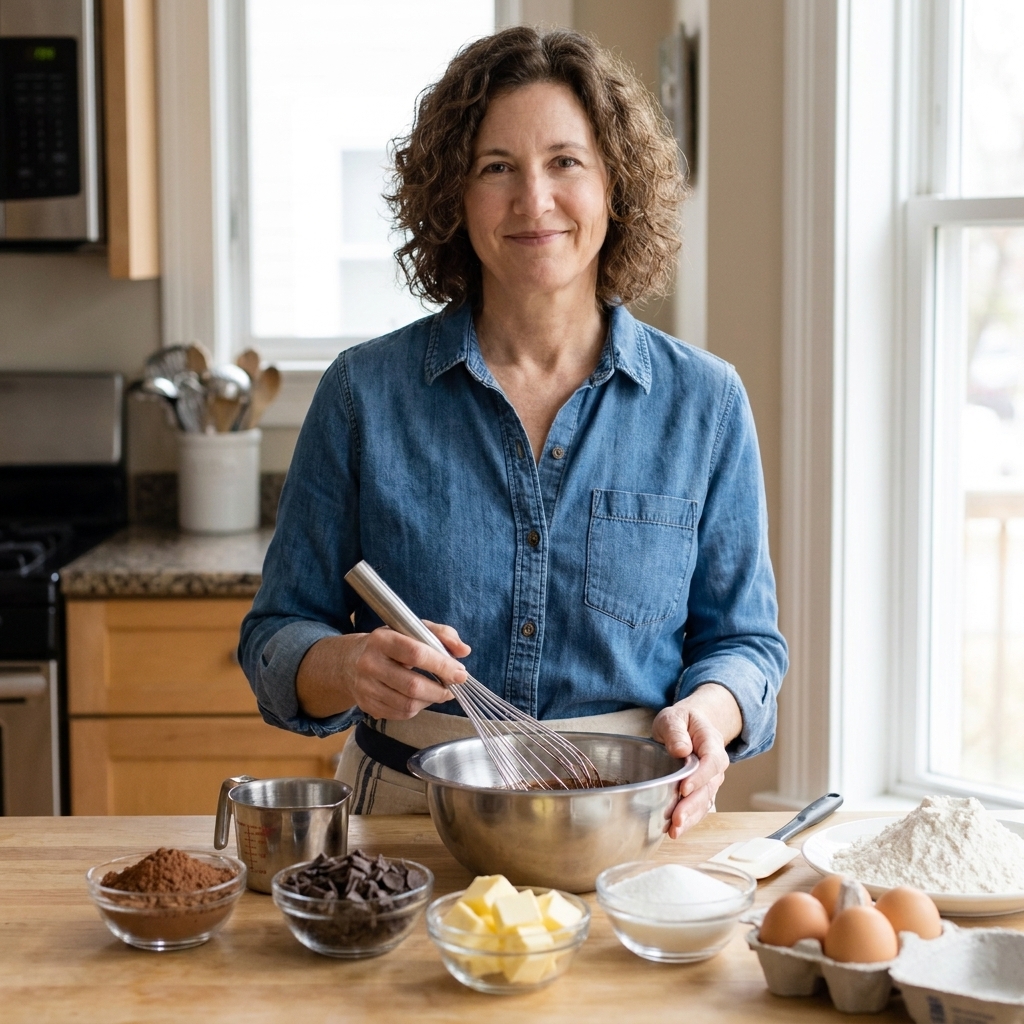
Let’s zoom in on what each ingredient contributes, because brownies are basically a balancing act between cocoa solids, fat, sugar, eggs, and just enough flour to hold it all together.
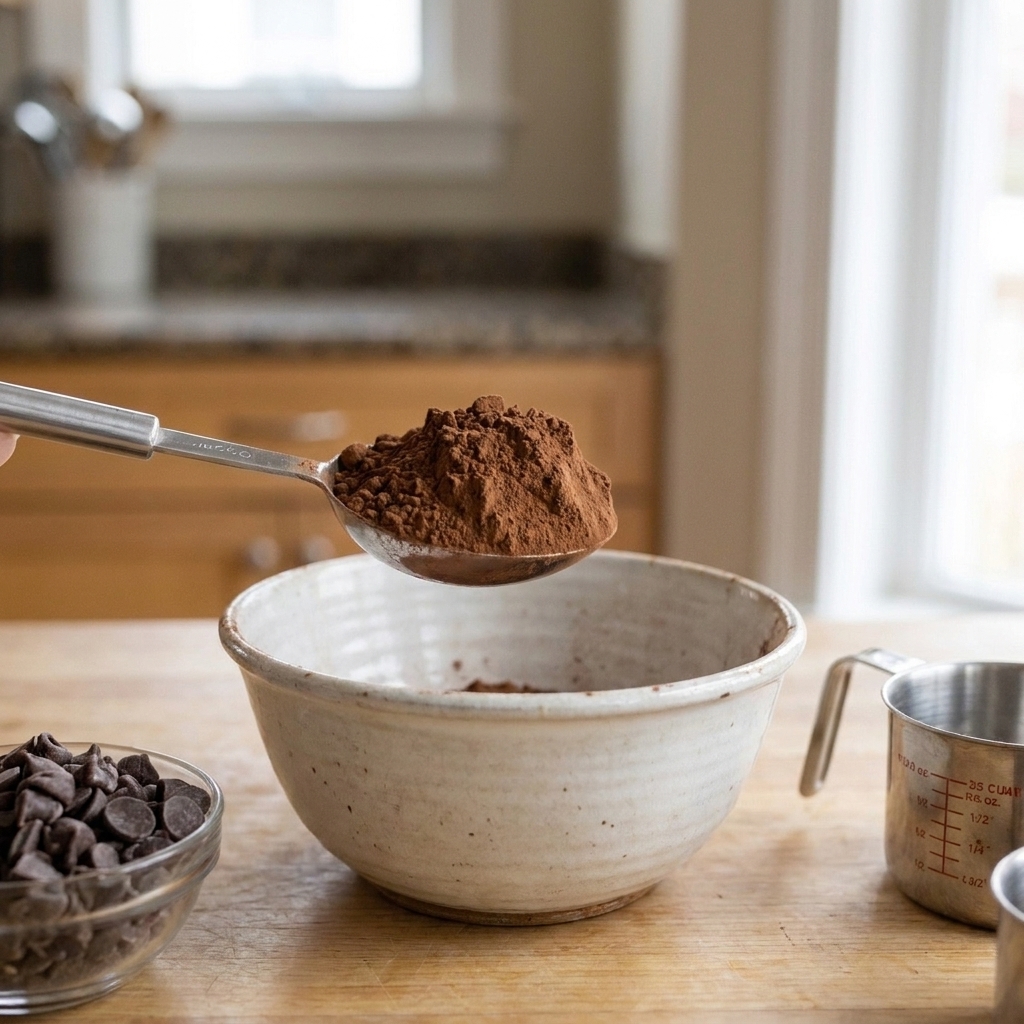
Cocoa powder
- Mostly cocoa solids, very little fat. Natural and Dutch-process cocoa both contain some cocoa butter, but it is a small amount compared to a bar of chocolate.
- Absorbs moisture. Cocoa is thirsty. It can make the batter feel thicker and can skew the texture drier or chewier if you do not balance it with enough fat, sugar, and the right bake time.
- Big chocolate flavor per spoonful. Because you are adding concentrated cocoa solids, cocoa brownies can taste deeply chocolatey even without melted chocolate.
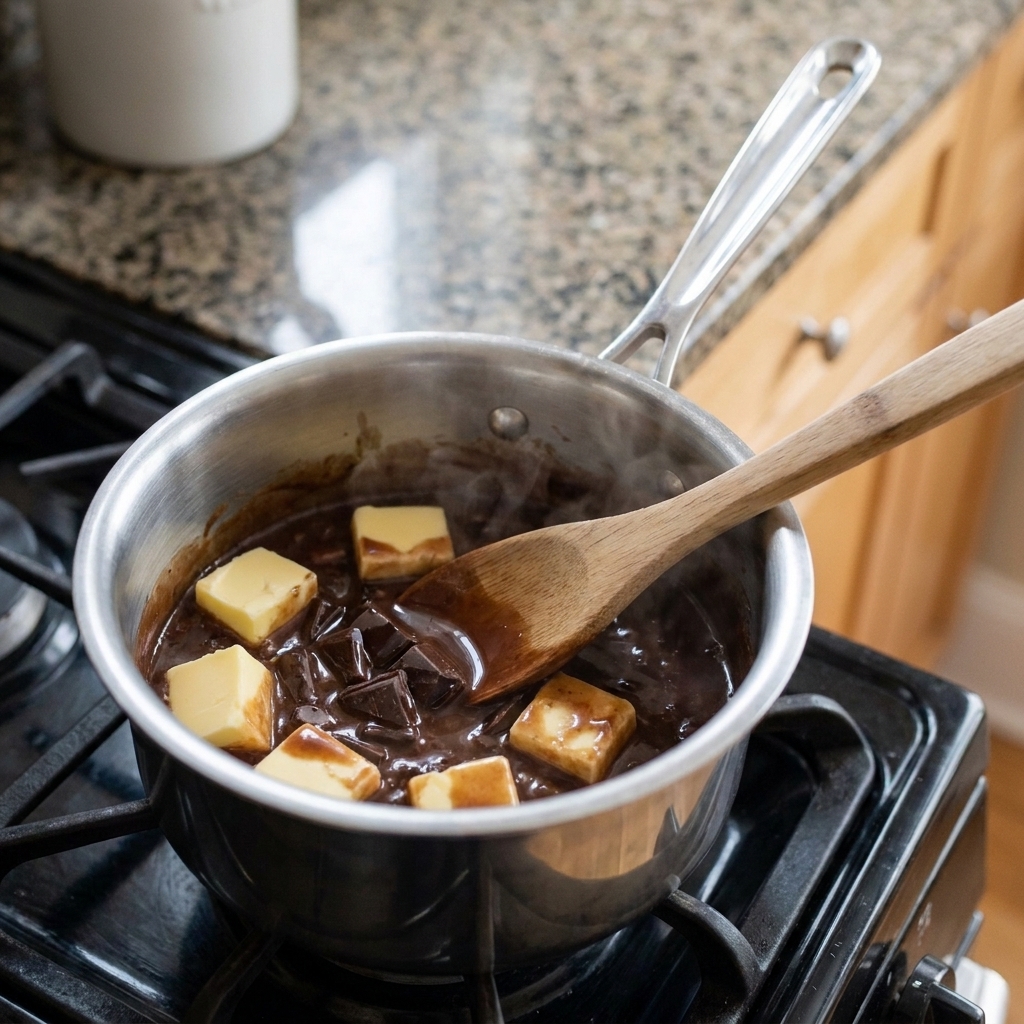
Melted baking chocolate
- Cocoa solids plus cocoa butter. Chocolate brings fat and flavor together, which is why melted-chocolate brownies often feel richer and more fudgy.
- Sometimes includes sugar. Semi-sweet and dark chocolate typically have sugar already, which can affect sweetness and can help with a shiny, crinkly top.
- Melts into the batter. This often creates a smoother crumb and a softer set when cooled.
Texture goals
Most of us say “fudgy” when we really mean “dense, moist, and rich.” Here is how the base nudges your brownies.
Cocoa brownies
Cocoa brownies often bake up with a pleasant chew and more structure. Because cocoa does not bring much fat, the batter relies heavily on butter or oil and on sugar for tenderness. If the formula is even slightly flour-forward, cocoa brownies can drift dry, so they benefit from careful measuring and not overbaking.
If you love crisp edges, a slightly firmer bite, and a brownie that slices cleanly, cocoa is your friend.
Melted chocolate brownies
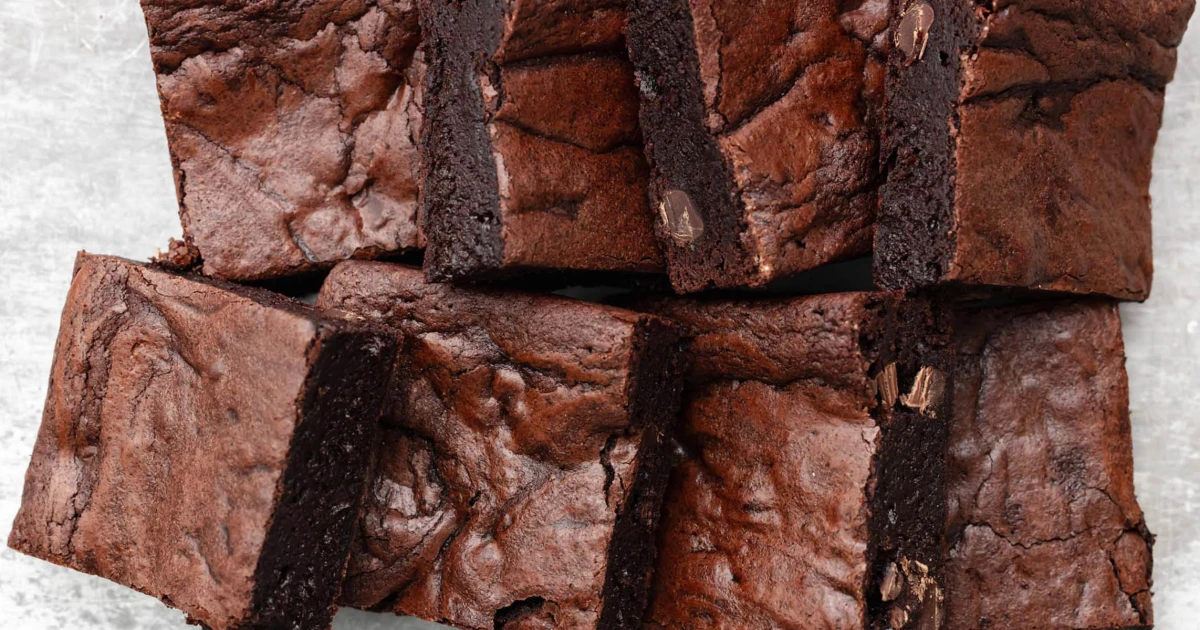
Melted chocolate adds cocoa butter, which keeps brownies feeling plush even after they cool. These brownies are often denser, and they can feel almost truffle-like in the center if you slightly underbake and let them set fully at room temperature.
If you love a gooey center, ultra-rich mouthfeel, and that “one small square is enough” vibe, melted chocolate is usually the move.
Fat content matters
This is the part that surprises newer bakers. Cocoa and chocolate are not a 1:1 swap because their fat levels are very different.
- Switching from melted chocolate to cocoa powder removes cocoa butter. If you do not replace that fat, brownies can turn out tougher, drier, and less glossy.
- Switching from cocoa powder to melted chocolate adds extra fat (and often extra sugar). If you do not reduce butter and sugar to compensate, brownies can bake up greasy, overly soft, or sink in the middle.
Think of it like this: cocoa is mostly flavor and structure, while chocolate is flavor plus fat, and sometimes sweetness.
Flavor differences
Both are “chocolate,” but they taste different in a brownie.
Cocoa flavor
Cocoa brownies can taste darker and more intense, especially with Dutch-process cocoa. They have that bakery-style cocoa punch. If you ever taste a brownie and think, “Wow, that’s pure chocolate,” it is often cocoa-led.
Melted chocolate flavor
Melted chocolate gives a rounder, mellower chocolate flavor. It is not less chocolatey, it is just a different kind of chocolate experience. Dark chocolate (about 60 to 72 percent) usually pushes flavor deeper without making the brownie overly sweet.
Quick note on chocolate type: Unsweetened chocolate brings cocoa solids and cocoa butter with no added sugar, so it changes texture without raising sweetness. Semi-sweet and dark add sweetness too, so swaps have to account for that.
My best of both trick
When I want maximum chocolate flavor and a fudgy texture, I use melted chocolate plus a little cocoa powder. It is like turning up the volume without messing up the texture.
The crinkly top
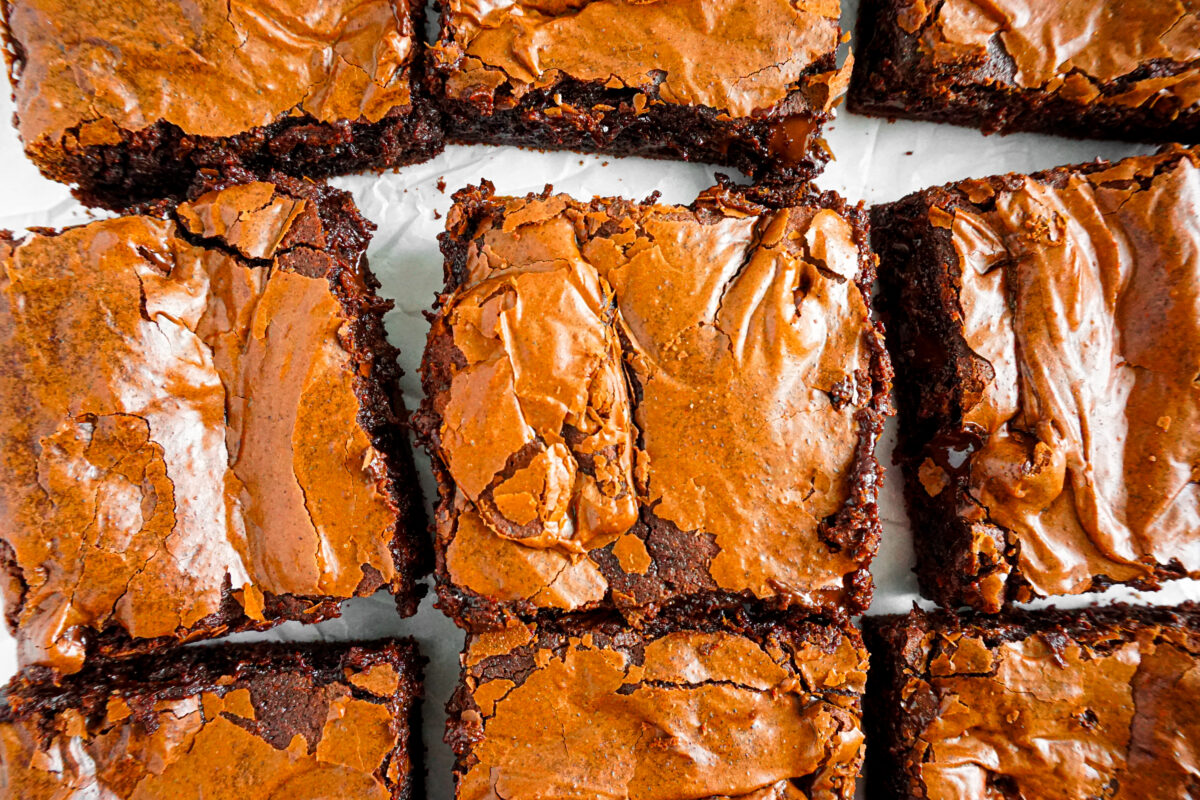
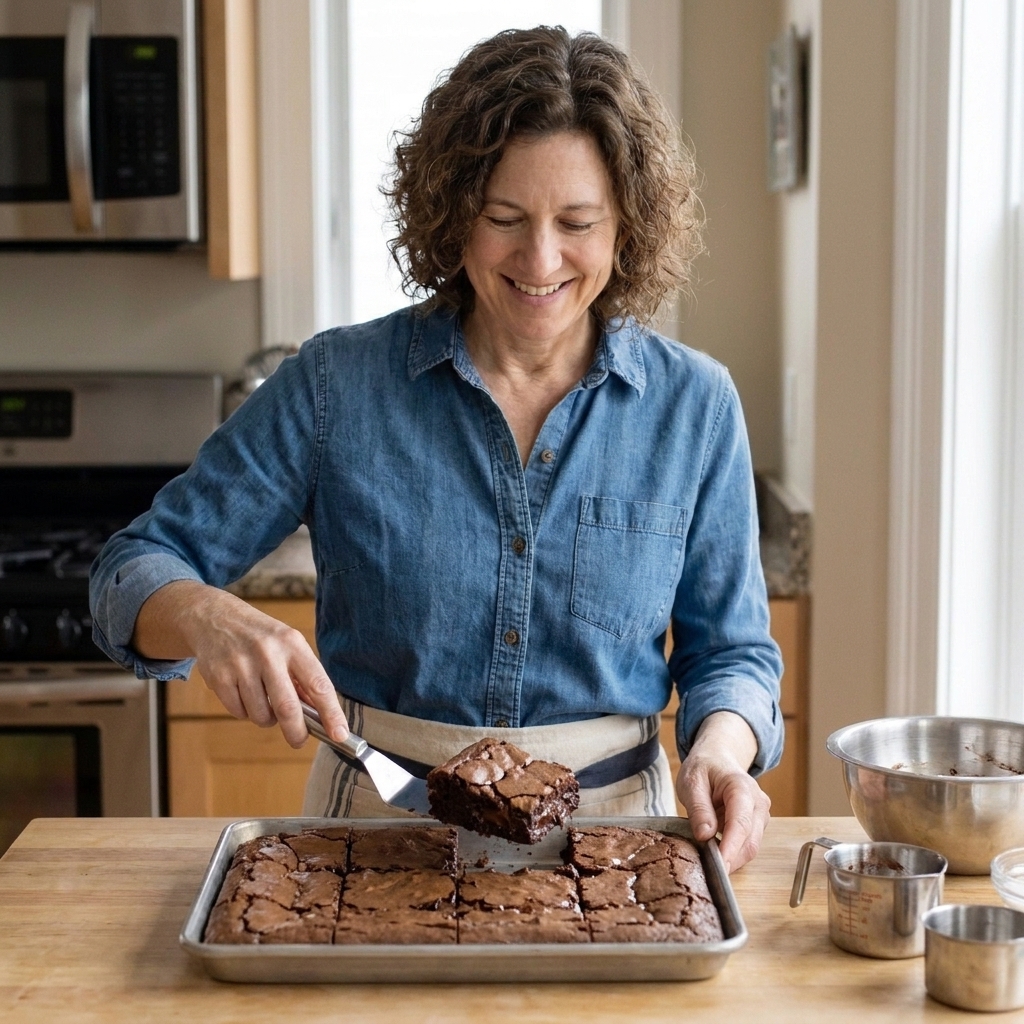
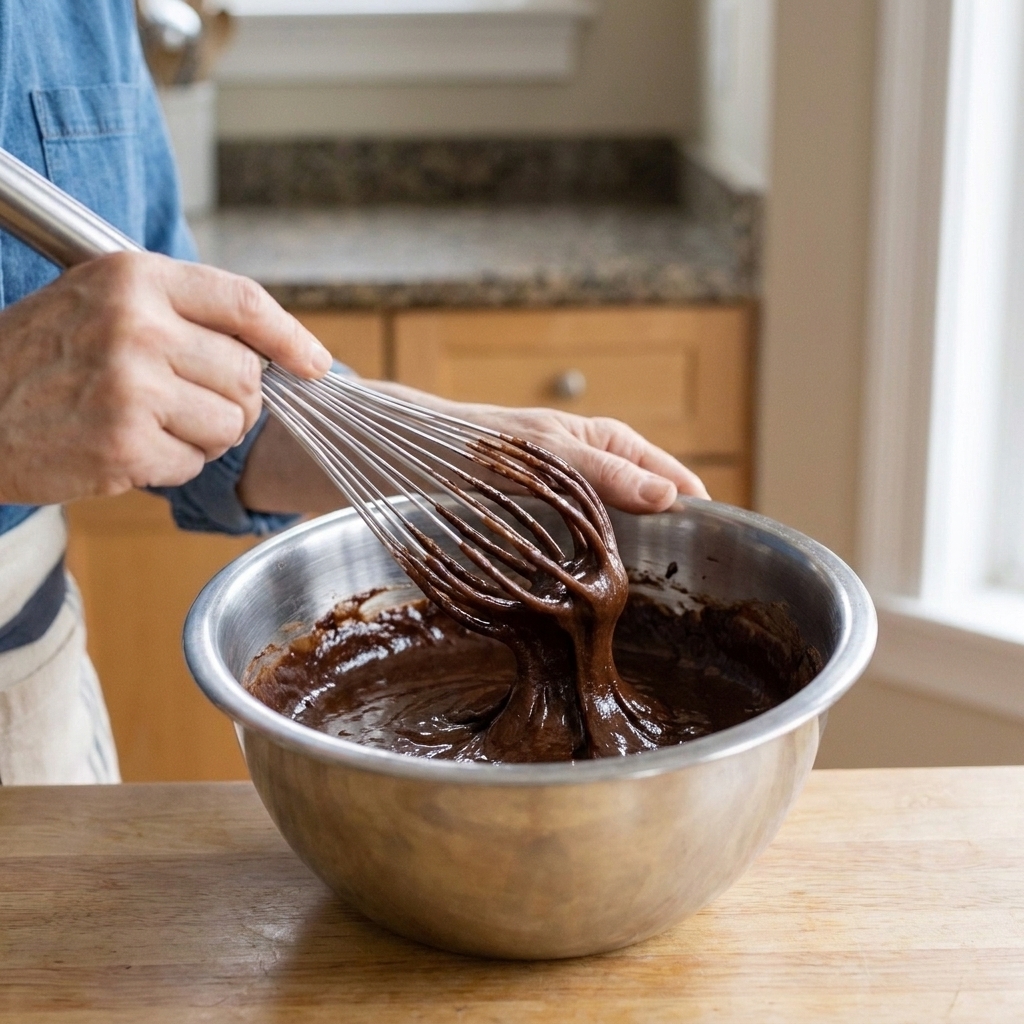
That shiny, papery top is not magic. It is mostly about sugar dissolving well and eggs being mixed thoroughly, which helps form a thin, meringue-like layer on top as the brownies bake. You get it most reliably when:
- Sugar is well dissolved into warm butter or warm chocolate.
- Eggs are fully incorporated and whisked until the batter looks glossy and slightly thickened.
- Optional: letting the batter sit for a few minutes can help sugar dissolve a bit more, but heat and mixing do most of the heavy lifting.
Melted chocolate brownies often get a head start because you are already warming ingredients together. Cocoa brownies can absolutely get a crinkly top too, especially if you warm the butter and whisk like you mean it.
Choosing a base
- Go with cocoa powder if you want a bold, dark chocolate flavor, crisp edges, a chewy bite, and a pantry-friendly ingredient that is always ready to go.
- Go with melted chocolate if you want ultra-fudgy brownies, a rich mouthfeel, and a smoother, softer crumb.
- Use both if you want deep flavor plus fudgy texture, especially when you want that bakery brownie vibe at home.
Smarter swapping
If you are working from a trusted recipe, my best advice is: follow the base the recipe was written for. But if you are in a mid-pantry situation or you love to tinker, these guidelines can help you swap with fewer surprises.
Swap chocolate for cocoa
- Add some fat back in. You are removing cocoa butter, so you will usually need a little more butter or oil to keep the texture tender.
- Adjust sweetness if needed. If the original recipe used sweetened chocolate, you removed some sugar when you removed the bar. You may need to add a bit of sugar back to keep balance and help with that shiny top.
- Expect a sharper cocoa bite. Cocoa can taste more direct than melted chocolate, so an extra pinch of salt or a little more vanilla can help round it out.
- Watch bake time closely. Cocoa brownies can go from perfect to overbaked fast. Pull when the center is set but still gives slightly.
A practical example (with a big caveat): If a recipe calls for 4 ounces (113 grams) semi-sweet baking chocolate, a common starting point is about 3 tablespoons cocoa powder (15 to 18 grams) plus 1 to 2 tablespoons (14 to 28 grams) extra butter or oil, then add a little sugar only if the batter tastes noticeably less sweet. Recipes vary a lot, so treat this as a starting line, not a guarantee.
Swap cocoa for chocolate
- Reduce some butter. Melted chocolate brings extra fat, so you will often need to pull back on butter or oil to avoid greasy brownies.
- Check sweetness. If you are using semi-sweet or dark chocolate, it likely adds sugar. You may want to reduce the recipe’s sugar slightly. If you use unsweetened chocolate, you probably will not.
- Mind the flour. A cocoa recipe may have flour calibrated for cocoa’s drying effect. With melted chocolate, that same flour amount can feel heavier and less tender.
When in doubt, choose a recipe specifically developed for the base you have. Brownies look simple, but they are very sensitive to ratios.
Common problems
My brownies are dry
- More common with cocoa-only brownies when they are baked a few minutes too long.
- Also happens when cocoa is over-measured. Scooping straight from the container can pack it in.
My brownies are greasy
- More common when melted chocolate is added on top of a cocoa-style recipe without reducing butter or sugar.
- Can also happen if the batter was very warm and the brownies cooled slowly, leaving a slick surface.
They sank in the middle
- Often a sign of too much fat or sugar for the flour and eggs to support, which can happen in swaps toward melted chocolate.
- Also happens when brownies are underbaked, then cut while hot. Let them cool fully for a clean set.
The chocolate flavor is weak
- Using milk chocolate can mellow flavor. Baking bars (semi-sweet or dark) usually taste stronger.
- With cocoa brownies, upgrading to a good Dutch-process cocoa can make a huge difference.
FAQ
Is cocoa powder or melted chocolate better for fudgy brownies?
Melted chocolate is usually better for fudgy brownies because it adds cocoa butter, which keeps the texture rich and dense. You can also get fudgy cocoa brownies, but the recipe needs enough fat and the bake time has to be on point.
Can I use cocoa powder and chocolate together?
Yes, and it is one of my favorite ways to bake brownies. Melted chocolate gives richness, while a small amount of cocoa powder boosts depth without pushing the texture dry.
Does Dutch-process cocoa change the result?
It can. Dutch-process cocoa typically tastes smoother and less acidic, and it often looks darker. Many brownie recipes rely mostly on eggs for lift, but if your recipe uses baking soda or baking powder, make sure the leavening matches the cocoa type.
Do chocolate chips work like baking chocolate?
Not exactly. Chocolate chips are formulated to hold their shape, so they often do not melt as smoothly as baking bars. You can melt them in a pinch, but for the glossiest batter and the most consistent texture, baking chocolate is usually my pick.
My quick rule
If you want a chewy, classic brownie with crisp edges, reach for cocoa powder. If you want a decadent, ultra-fudgy brownie that feels like it belongs in a bakery case, melt a good chocolate bar into your butter. And if you cannot decide, use both and call it the best kind of problem.