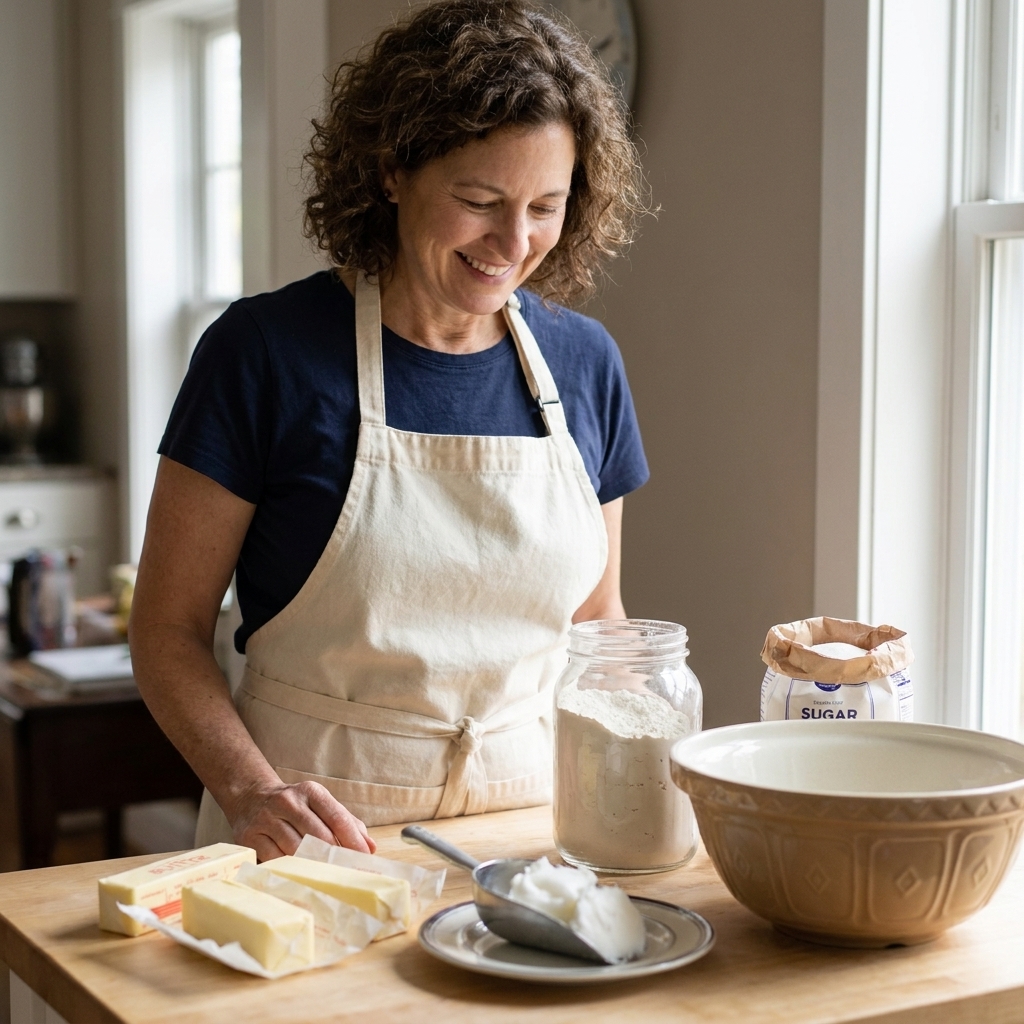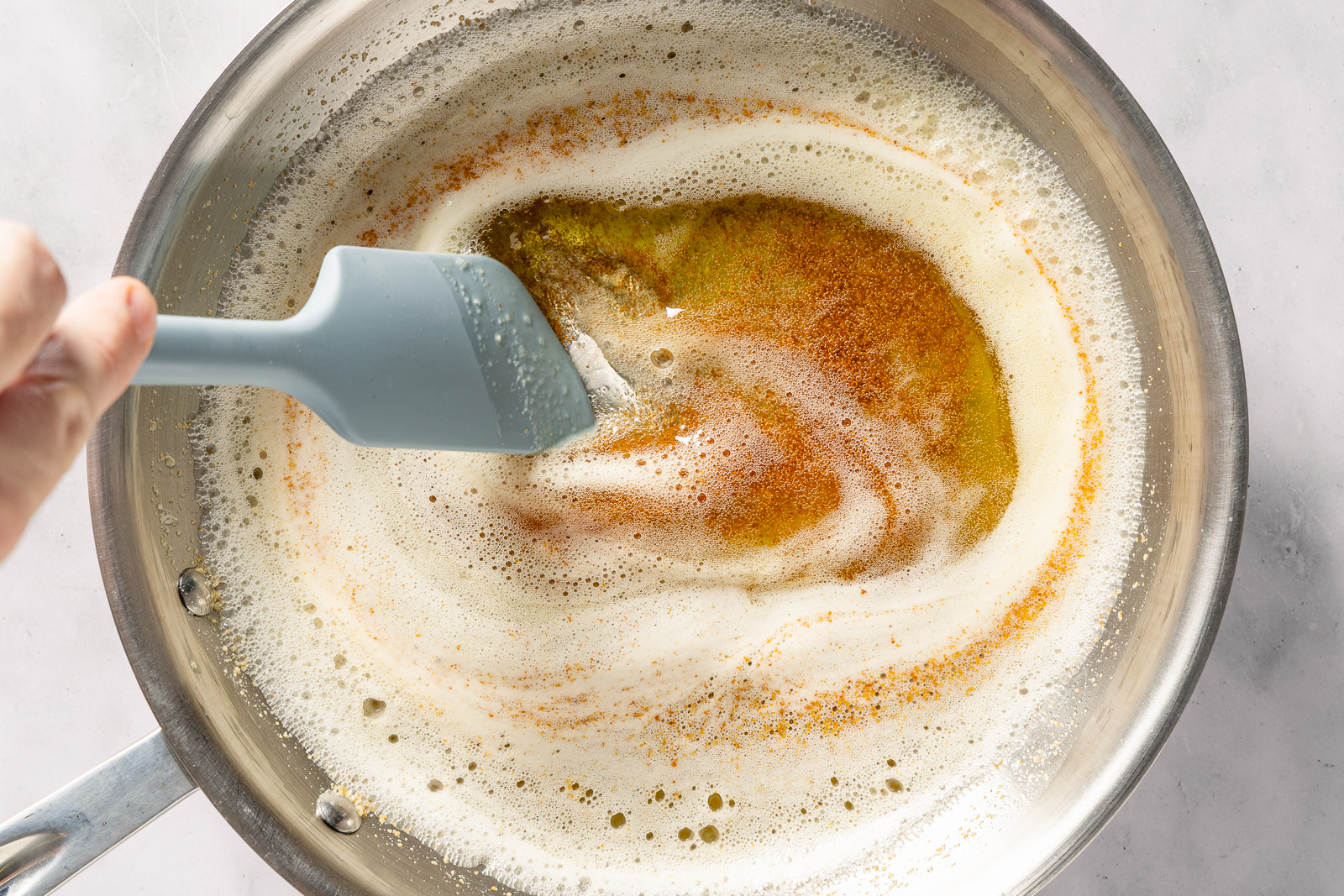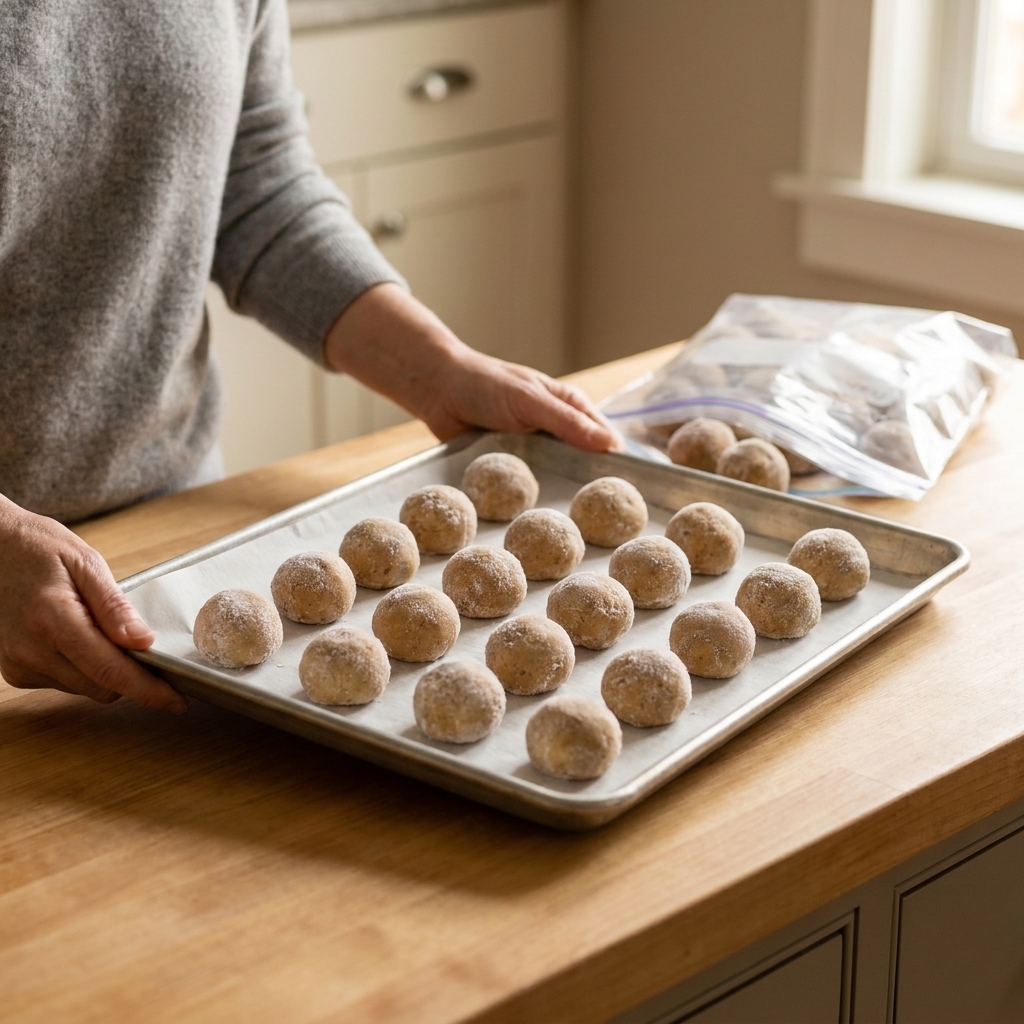
Scottish shortbread is the ultimate proof that baking does not need a long ingredient list to feel special. When you get it right, it tastes like sweet, buttery dairy with a tender, sandy crumb that melts away on your tongue. When it goes wrong, it is usually one of two things: tough (too much mixing) or greasy (butter too warm, or not enough structure from flour and sugar).
Today we are keeping it classic: three ingredients, traditional technique, and lots of little cues you can watch for in your own kitchen so your shortbread comes out thick, buttery, and sliceable every time.
At a glance
- Butter: cool to the touch and pliable, not glossy or oily
- Mix: brief and gentle, stop when clumpy
- Press: firmly until smooth and compact
- Bake: low and slow, pale top with lightly golden edges
- Cut: warm, 10 to 20 minutes after baking
Ratio and recipe
If you want reliable shortbread with the least guesswork, start with a simple weight ratio: 1 part sugar : 2 parts butter : 3 parts flour. It bakes up sturdy, thick, and very sliceable.
Prefer a less-sweet, even “shorter” crumb? A very common traditional option is 1 : 2 : 4 (sugar : butter : flour). That version is a bit more delicate and a touch crumblier.
Weighing is especially helpful here because a little extra flour can make shortbread dry fast.
8-inch tin recipe
- Unsalted butter: 227 g (1 cup)
- Caster or superfine sugar: 113 g (1/2 cup)
- All-purpose flour: 340 g (about 2 2/3 to 2 3/4 cups, depending on how you measure)
Yield: 12 wedges (or 16 fingers if using a square pan)
Method
- Heat oven: 300 to 325°F. Lightly butter an 8-inch round tin (or line a square pan with parchment).
- Mix: Beat butter and sugar on low just until cohesive and slightly lightened, about 30 to 60 seconds. Add flour and mix on the lowest speed until you see clumps and only a few dry streaks remain. Finish by hand with a spatula.
- Press: Scatter clumps into the pan and press firmly into an even layer about 3/4-inch thick. Smooth the top.
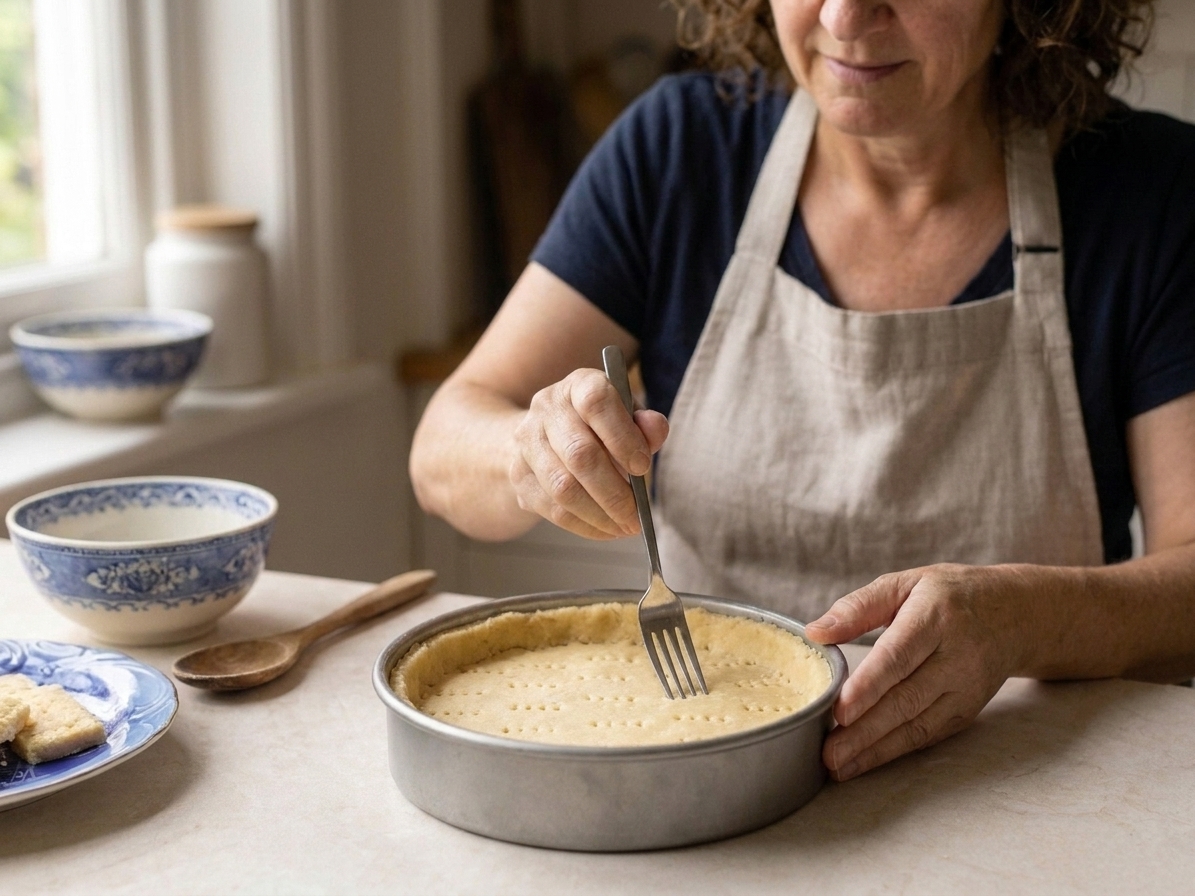
- Dock and score: Prick with a fork in neat rows. Lightly score wedges or fingers.
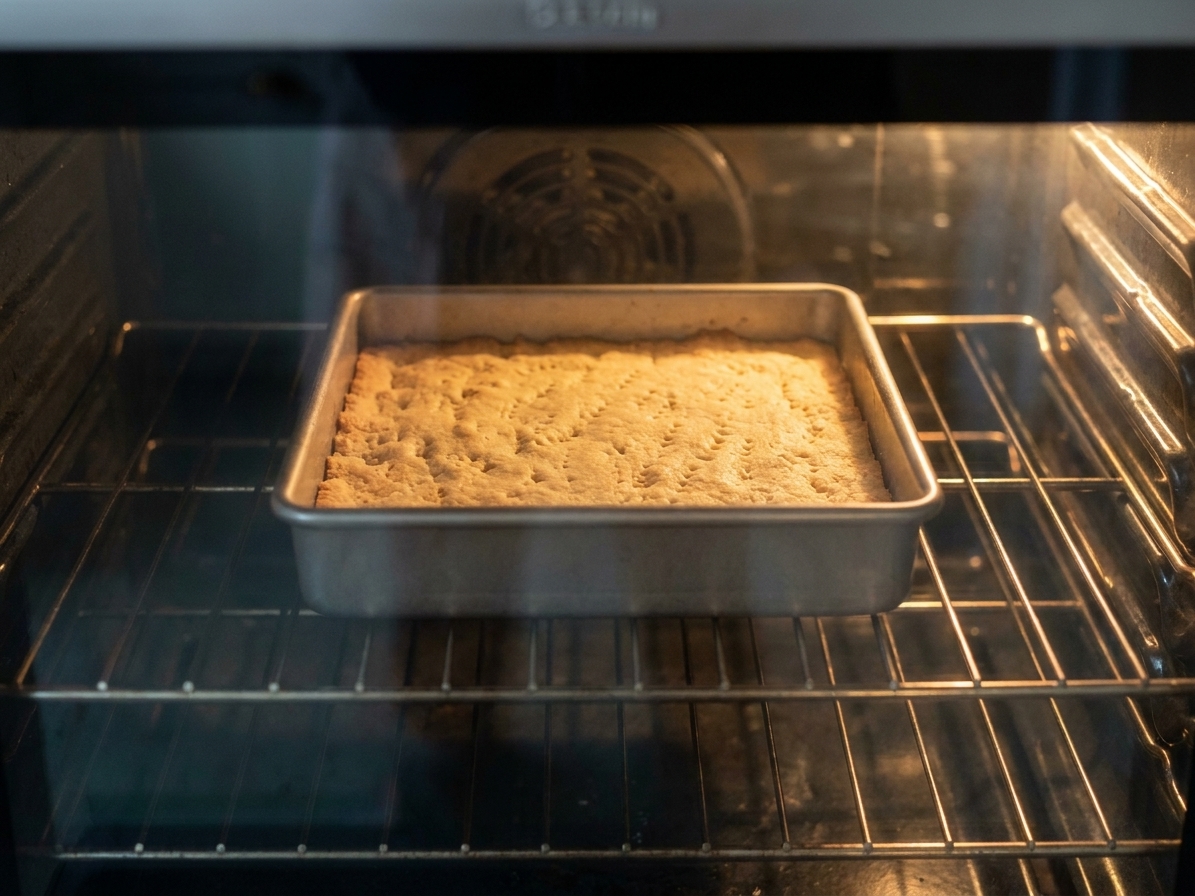
- Bake: 35 to 45 minutes, until the top looks set and dry and the edges are a light golden blonde. It will still feel a little soft in the center, and it firms as it cools.
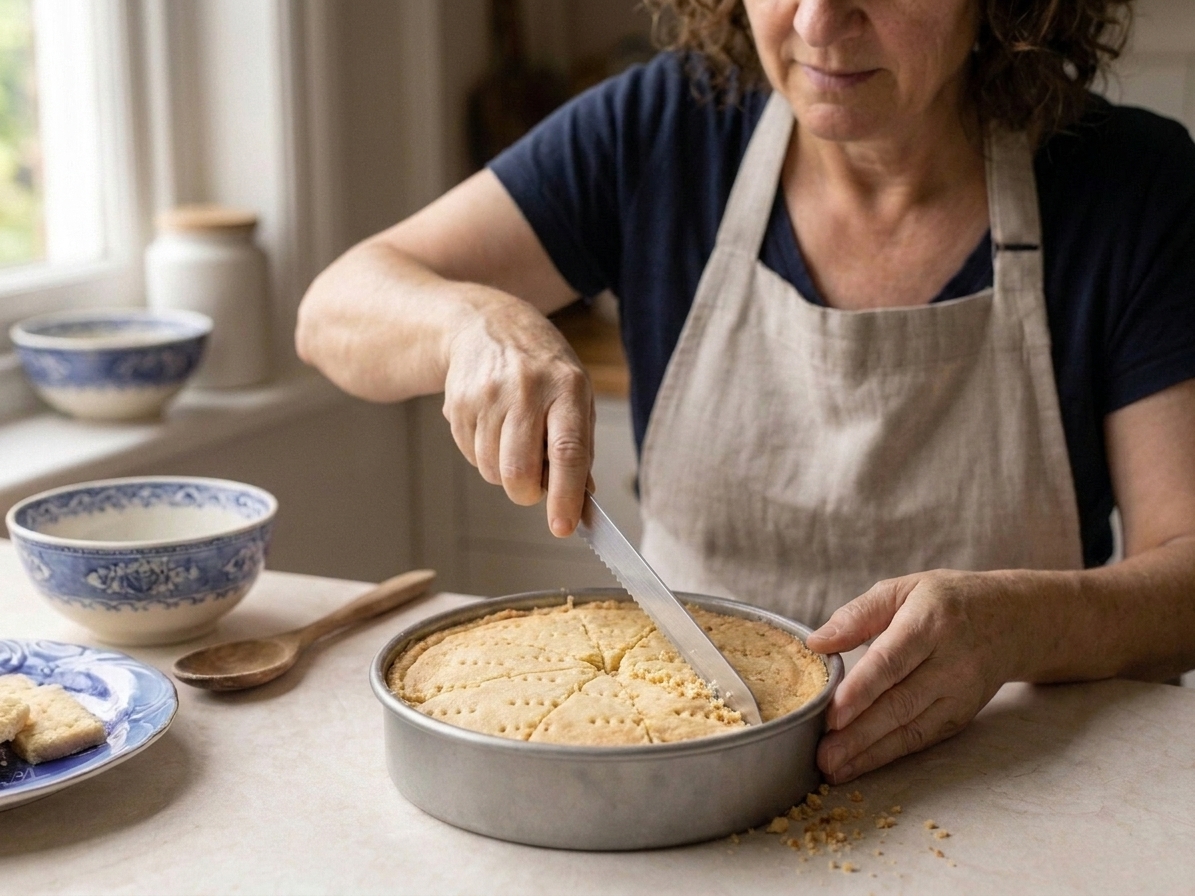
- Cool and cut: Cool in the pan 10 to 20 minutes, then cut along score lines while still warm. Cool completely before lifting pieces out.
Thickness note: If you press thinner (closer to 1/2-inch), start checking at 25 to 30 minutes. Thicker shortbread needs the longer end of the bake to set through without browning too much.
Pan note: A traditional 8-inch shortbread tin typically gives you that 3/4-inch thickness. If your pan is wider or you use a shallow cake pan, your bake time may be a little shorter.
The 3 ingredients
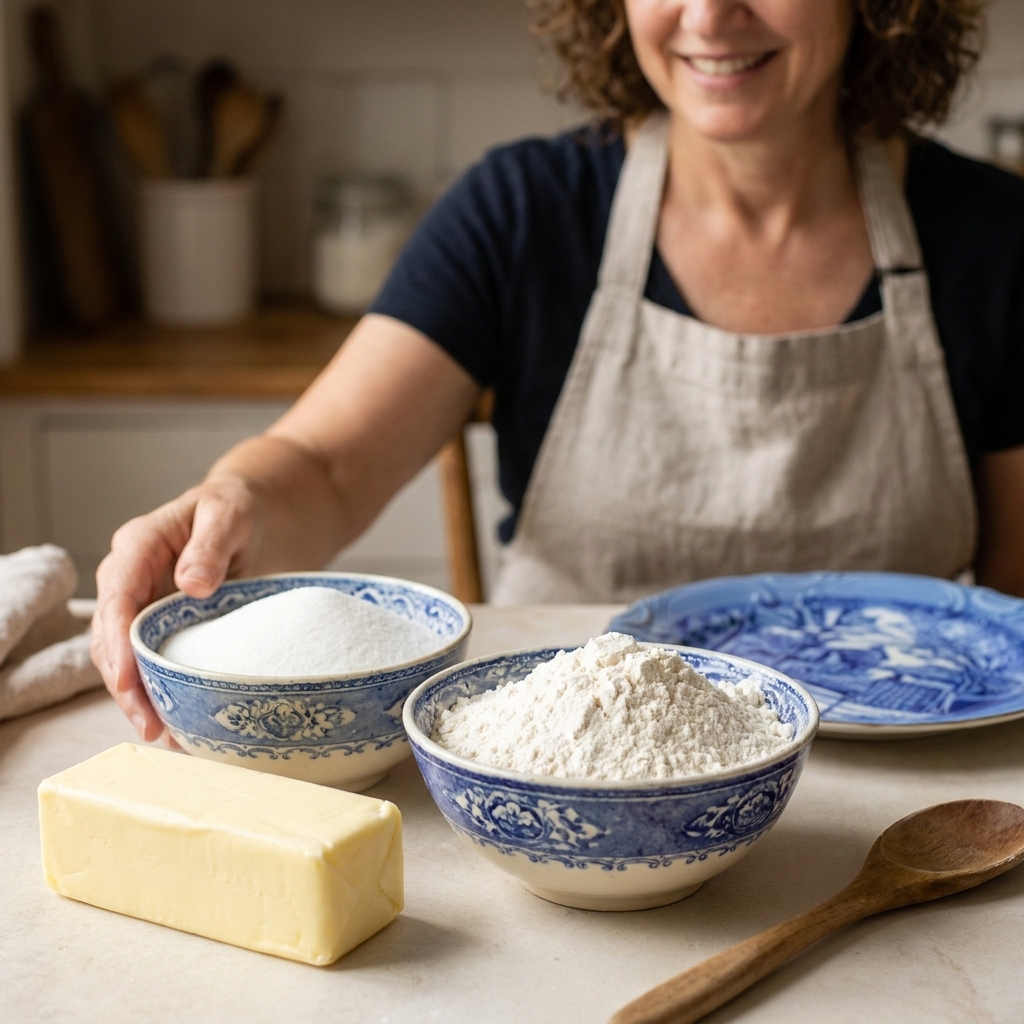
Traditional shortbread is a balance of butter, flour, and sugar. With only three ingredients, quality and ratios do all the heavy lifting.
- Butter: The star. Use a good-quality unsalted butter so you control the salt level and get a clean, sweet dairy flavor. If you love an extra rich taste, a European-style butter (higher fat) makes a noticeable difference.
- Sugar: Most classic shortbread uses superfine or caster sugar because it dissolves more readily and gives a finer crumb. If all you have is regular granulated sugar, you can pulse it briefly in a food processor to make it finer. Powdered sugar can work too, but it changes the texture to a softer, more delicate bite.
- Flour: Plain all-purpose flour is the standard. It provides the structure that keeps the butter from melting into a puddle. Some traditional versions include a portion of rice flour or cornstarch for extra tenderness, but for this article we are sticking to the true three.
Butter temperature
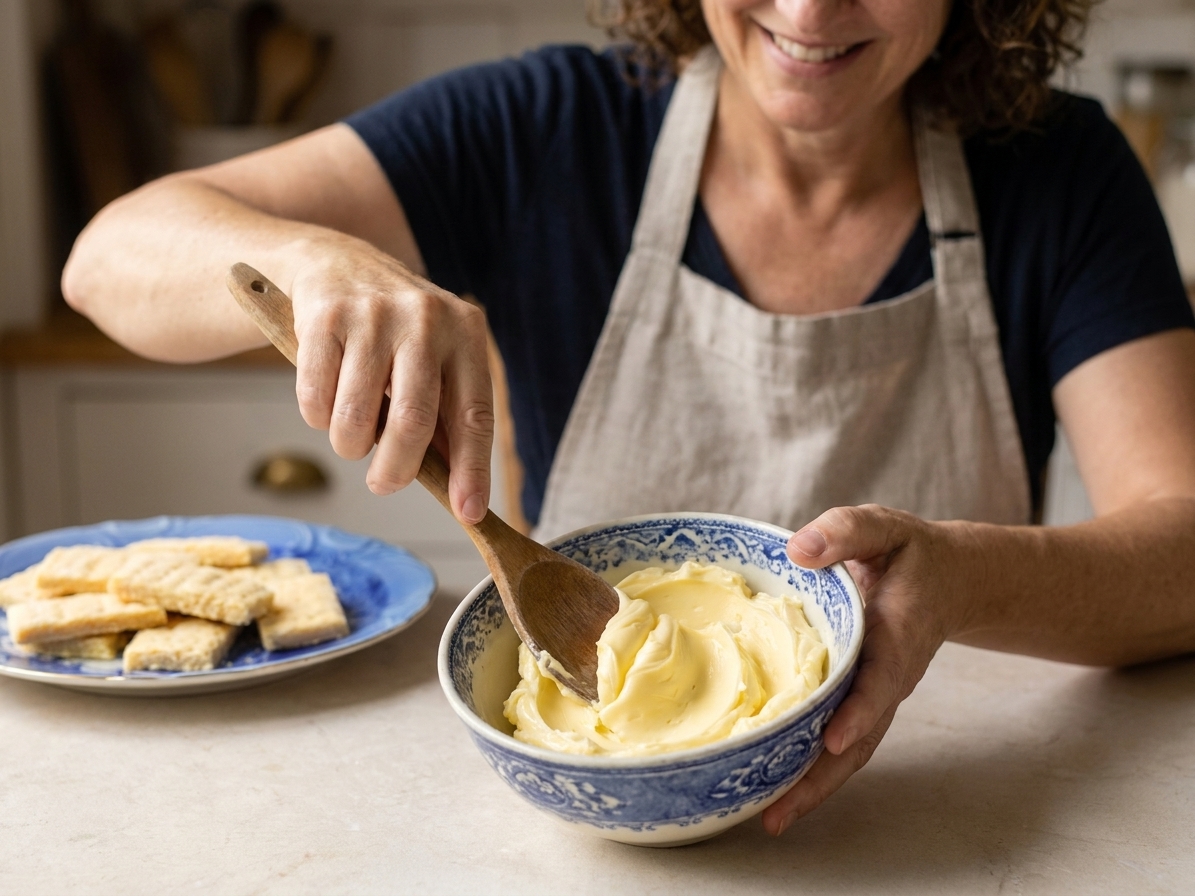
If you remember one thing, make it this: shortbread is mixed, not whipped. We want minimal air and maximum tenderness.
Target butter feel
Your butter should be cool-room temperature: pliable enough to press a finger into, but not shiny, oily, or collapsing. In many kitchens, that lands around 60 to 67°F depending on the room. If your butter is glossy or extremely soft, your dough can feel greasy and your shortbread is more likely to spread and bake up dense.
Quick fixes
- If the butter got too soft, chill it for 10 to 15 minutes, then try again.
- If it is still cold and you are tempted to microwave it, pause. Microwaves melt the edges fast and can create greasy pockets. Instead, cut into cubes and let it sit a few more minutes.
Mixing
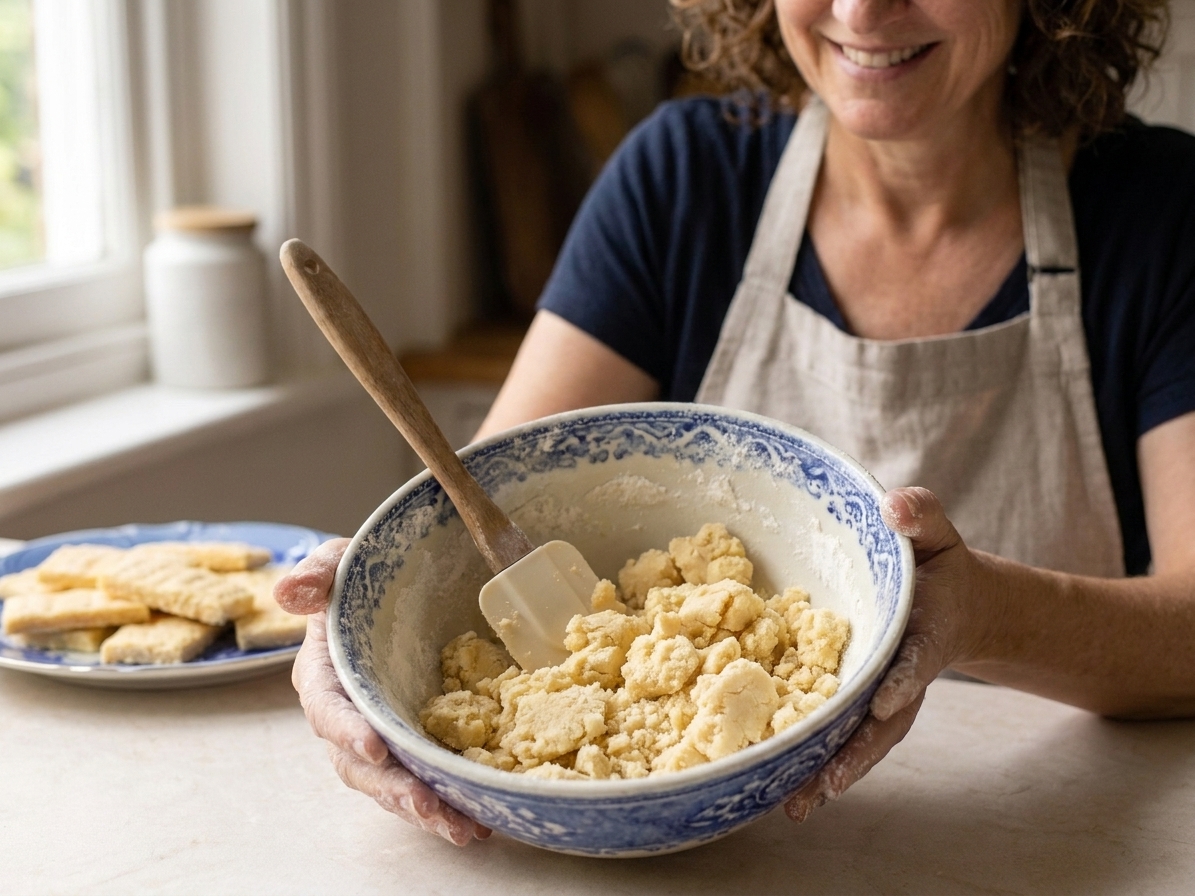
The goal is a dough that looks a little rough and crumbly but holds together when pinched. Overmixing can toughen shortbread and dull that melt-in-your-mouth bite, even though this is a low-moisture dough.
Stand mixer or hand mixer
- Cream briefly: Beat butter and sugar on low just until the mixture looks cohesive and slightly lightened. Think 30 to 60 seconds, not several minutes.
- Add flour: Mix on the lowest speed until you see clumps and the flour is mostly absorbed.
- Finish by hand: Use a spatula to fold and press the last dry bits in. If you squeeze a handful and it holds, you are done.
By hand
Use a sturdy wooden spoon or spatula to mash butter and sugar together, then stir in flour until clumpy. It takes a little elbow grease, but it is pleasantly hard to overdo it by hand.
Pressing
Scottish shortbread is often pressed into a round tin or a square pan, then cut into wedges or fingers. Pan-pressing does three important things: it compacts the dough (so it bakes up tender instead of cakey), evens the thickness (so it bakes evenly), and gives you that dense, short crumb.
Pan notes
- Metal, light colored: The most reliable for a pale, evenly baked shortbread.
- Shortbread tin: Beautiful patterns, and the metal thickness helps with steady baking.
- Glass: Works, but it tends to brown more at the edges. If using glass, reduce the oven temperature slightly and start checking early.
The press technique I swear by
- Line if needed: For a square pan, parchment makes lifting easy. For a shortbread tin, you can usually skip lining if it is well-buttered.
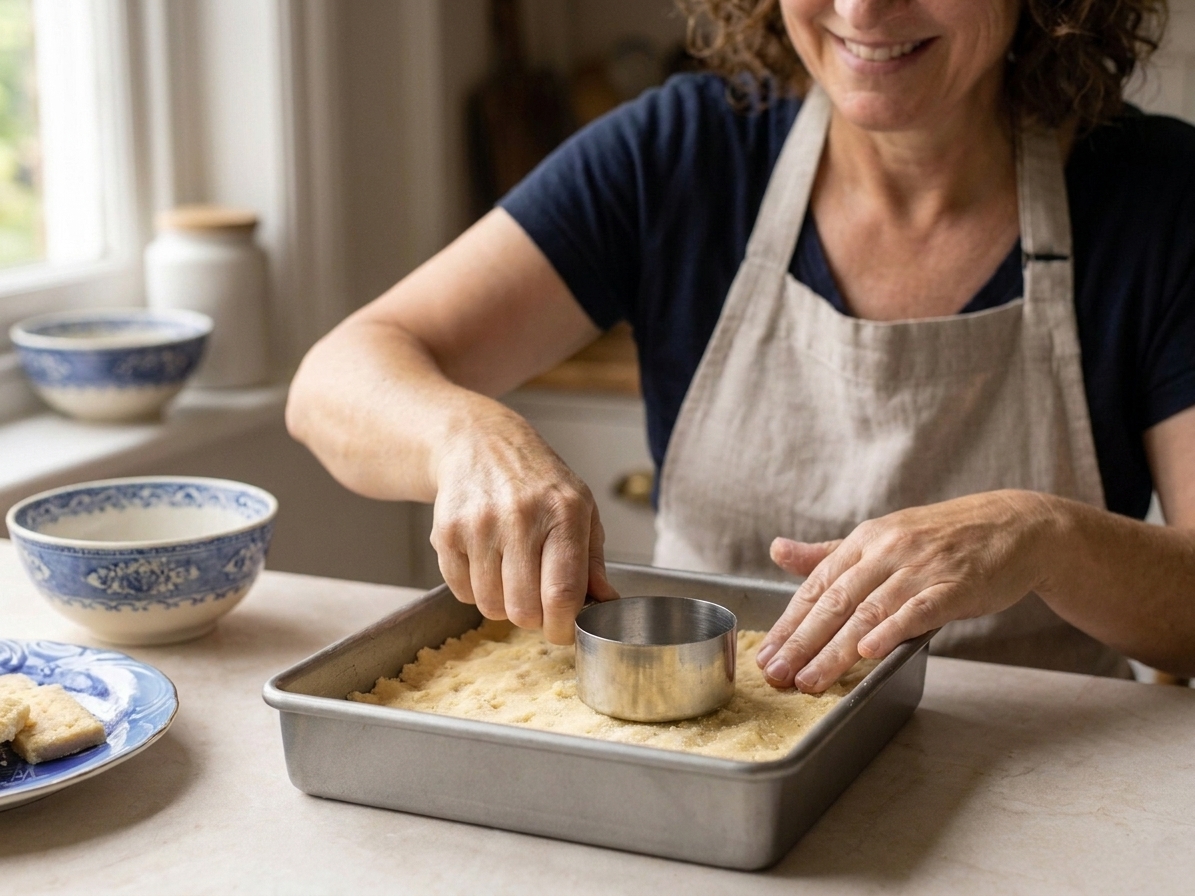
- Scatter, then press: Drop dough in clumps all over the pan first, then press. This prevents dense corners and thin centers.
- Use a flat bottom: A measuring cup or a straight-sided glass helps you compress evenly.
- Square the edges: Run a small offset spatula around the edge for a clean border.
Feel cue: The surface should look smooth and compact, not crackly and loose. If it crumbles when you lightly drag a finger across the top, press a bit more.
Docking and scoring
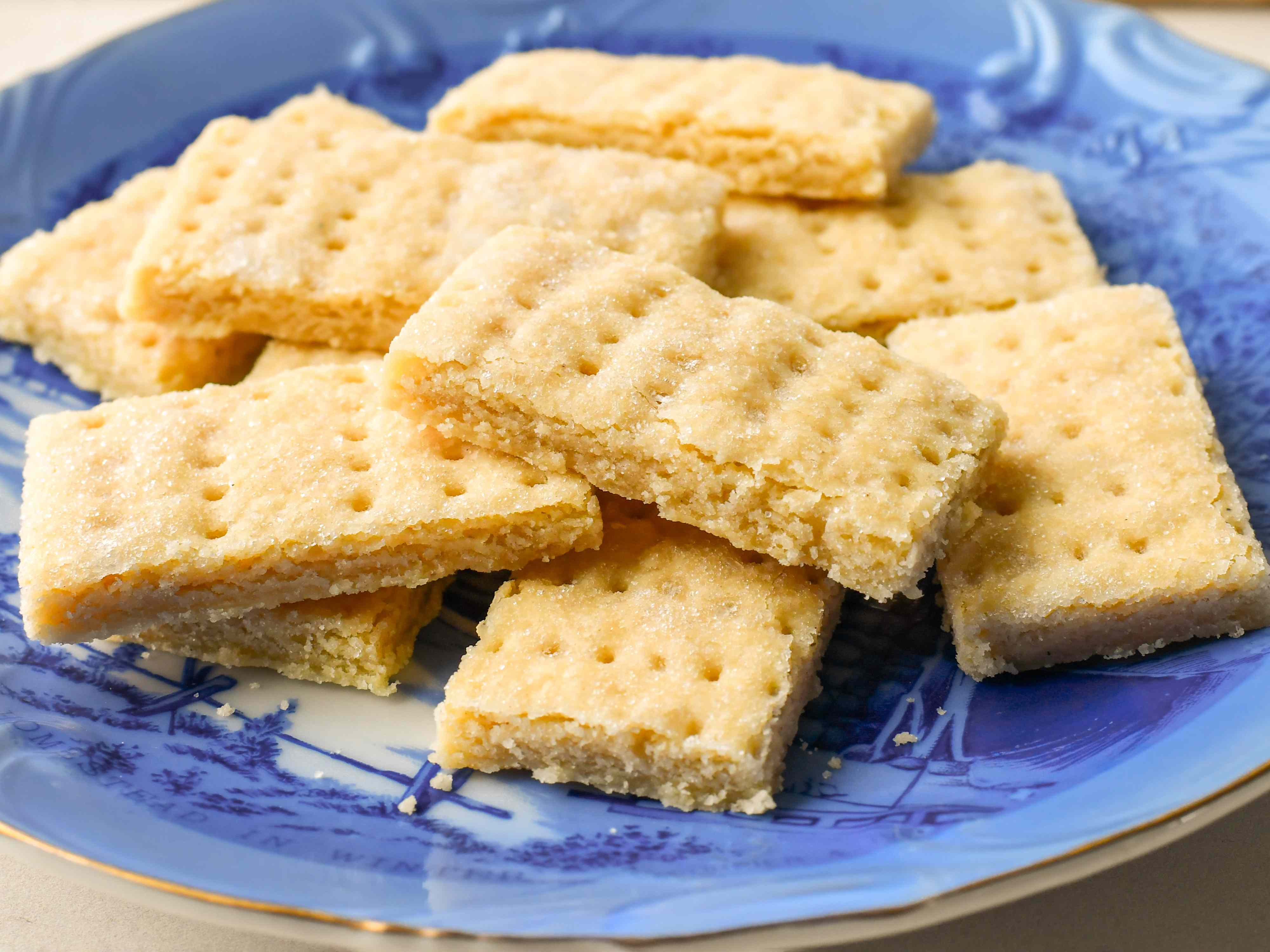
Those little fork holes are not just decorative. Docking helps prevent puffing or bubbling and encourages even baking, especially in thicker pressed dough.
- Docking: Prick the surface with a fork in neat rows, going about halfway down.
- Scoring: Lightly score wedges or fingers before baking. Do not cut all the way through yet. You will finish the cut while it is still warm.
Baking
Shortbread wants a gentle bake. High heat melts butter too quickly, encourages spread, and can leave you with an oily texture. Lower heat lets the flour set gradually and creates that signature crumb that snaps softly and then melts into sandy tenderness.
Temp and timing
Every oven is a little different, but here are solid starting points for classic thickness:
- 8-inch round tin (about 3/4-inch thick): 300 to 325°F for 35 to 45 minutes
- 9-inch square pan (about 1/2 to 3/4-inch thick): 300 to 325°F for 30 to 40 minutes
If you go thinner than 1/2-inch, start checking around 25 minutes.
What done looks like
Scottish shortbread is typically pale, not deeply golden. Look for:
- Edges turning a light golden blonde
- Top looking dry and set, with no glossy butter sheen
- A gentle firmness when you tap the center with a fingertip
It will still be a little soft right when it comes out of the oven. That is normal. It sets as it cools.
If you wait for a rich golden brown top, you will often end up with a drier cookie that tastes more toasted than buttery. Still delicious, just a different style.
Cooling and cutting
Shortbread is fragile when it is hot and prone to crumbling when it is completely cold. The sweet spot is warm.
Cutting timeline
- Cool in the pan 10 to 20 minutes.
- Cut along your score lines while it is still warm, using a sharp knife and decisive downward cuts.
- Cool completely before lifting pieces out (especially from a tin).
If your shortbread cracks while cutting, you likely waited too long and it cooled fully. Next time, cut sooner. If it smears or drags, it is too hot. Give it 5 more minutes.
Troubleshooting
Greasy bottom
- Cause: Butter too warm, dough not compacted enough, or oven too hot.
- Fix: Chill the pressed dough 15 to 20 minutes before baking. Bake a little lower and longer. Press more firmly next time.
Tough texture
- Cause: Mixing too long after adding flour.
- Fix: Mix just until clumpy. Finish by hand. Keep the mixer on low and stop early.
Dry and crumbly (in a bad way)
- Cause: Too much flour, or overbaked.
- Fix: Spoon and level flour, or weigh it if you can. Pull the pan when edges are lightly golden and the center is set.
Uneven baking
- Cause: Uneven thickness from pressing, or pan placed too high in the oven.
- Fix: Press with a flat bottom, then smooth the top. Bake on the middle rack.
Optional add-ins
These are not part of the 3-ingredient base, but they are easy ways to nudge the flavor while keeping the spirit of classic shortbread intact.
- Pinch of salt: If you like a sweet-salty edge, add 1/4 teaspoon fine salt per cup of butter.
- Vanilla: 1 teaspoon adds bakery warmth.
- Citrus zest: Lemon or orange zest perks up the butter flavor without changing texture.
- Rice flour swap: If you ever decide to go beyond three ingredients, replace 1/4 cup of the flour with rice flour for an even sandier crumb.
Storage
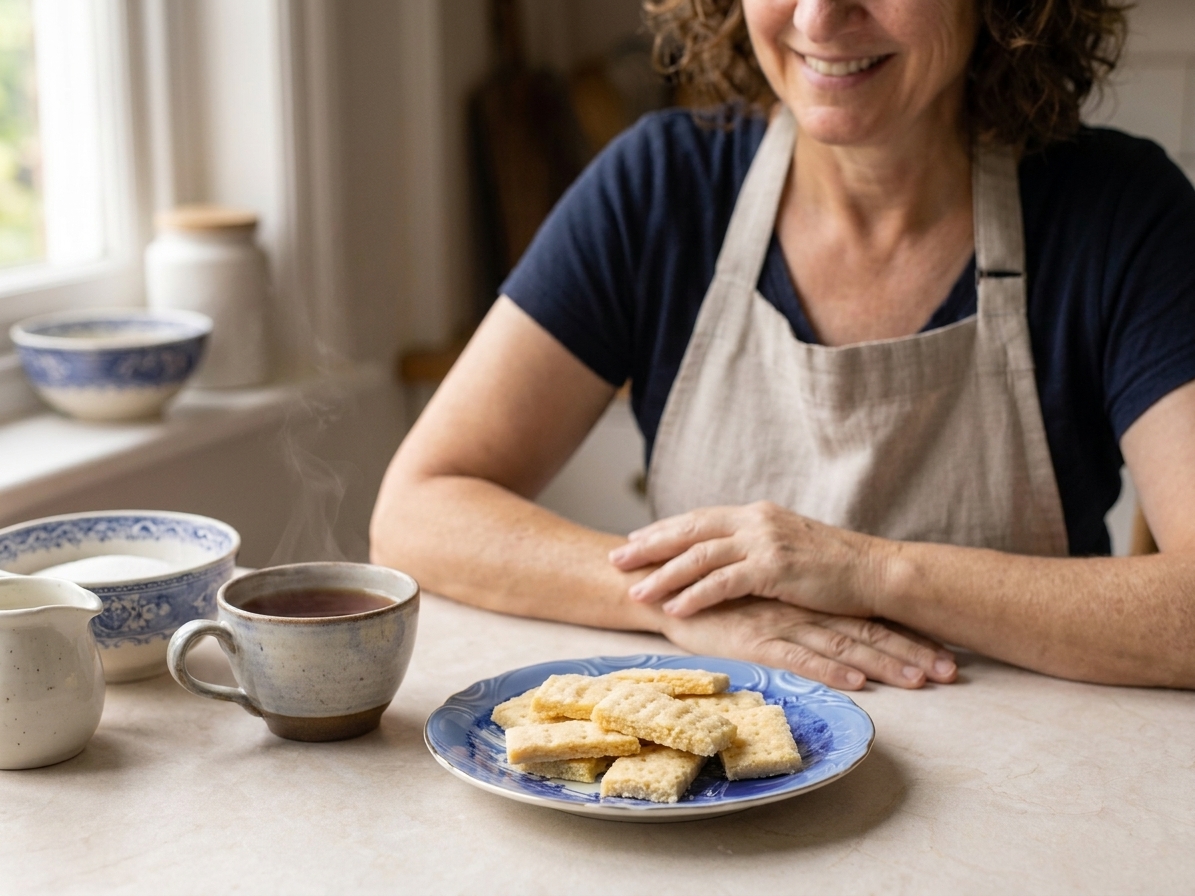
- Room temp: Store in an airtight container for up to 1 week.
- Freeze: Freeze pieces in a sealed container (or bag) for up to 3 months. Thaw at room temp, uncovered, so condensation does not soften the surface.
Shortbread often tastes even better the next day once the butter flavor settles in. If you are baking for gifting, it is a perfect make-ahead cookie.
Quick FAQ
Can I use salted butter?
Yes. Just skip adding any extra salt. Salt levels vary by brand, so if you are sensitive to saltiness, choose unsalted.
Do I need to chill the dough?
Not always, but chilling is a great safety net. If your kitchen is warm or your butter feels very soft, chill the pressed dough 15 to 20 minutes to help it hold its shape and bake evenly.
Why is my shortbread not melt-in-your-mouth?
The two usual culprits are mixing too long after adding flour or baking too hot (butter melts fast and the cookie can set up dense). Mix gently and bake low and slow.
Should shortbread be golden?
Lightly golden at the edges is the classic look. Pale is not underbaked here as long as the center is set.