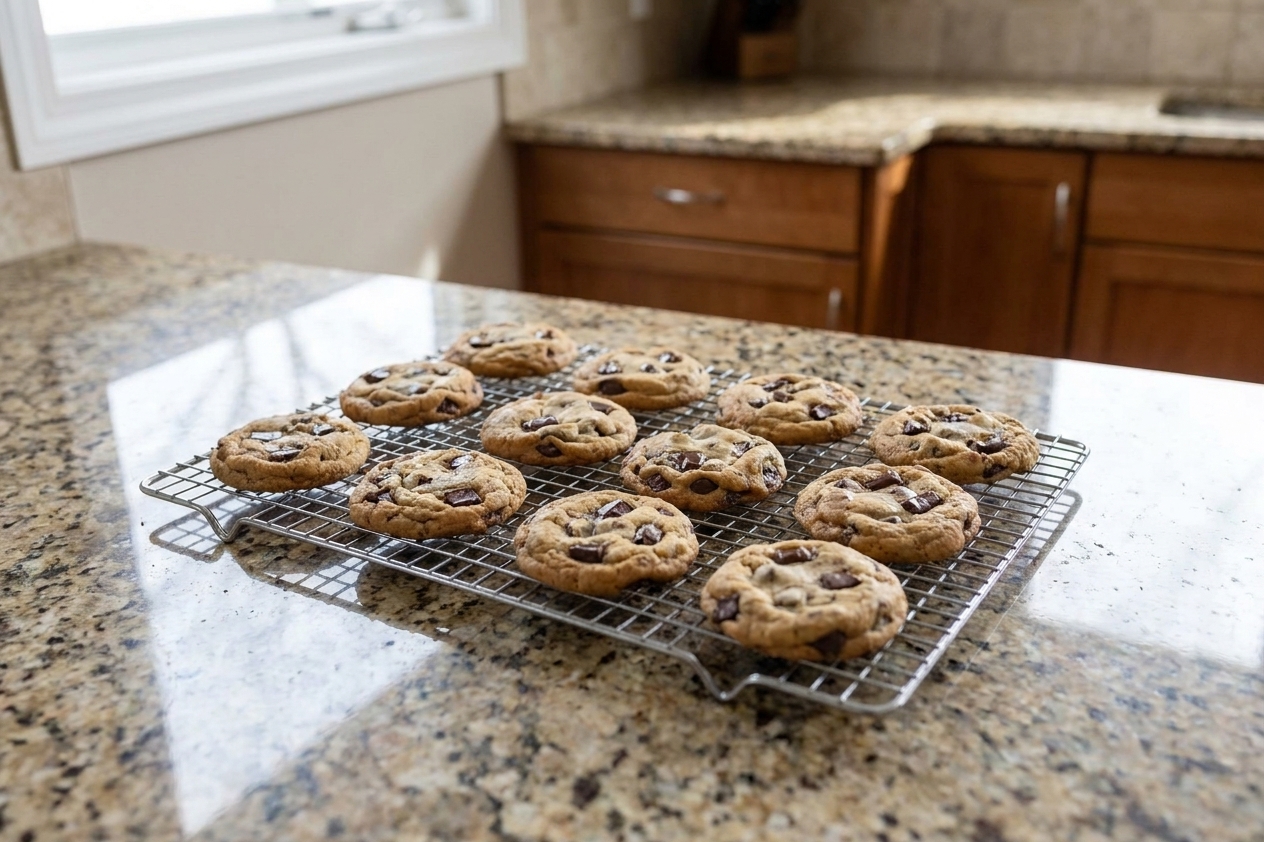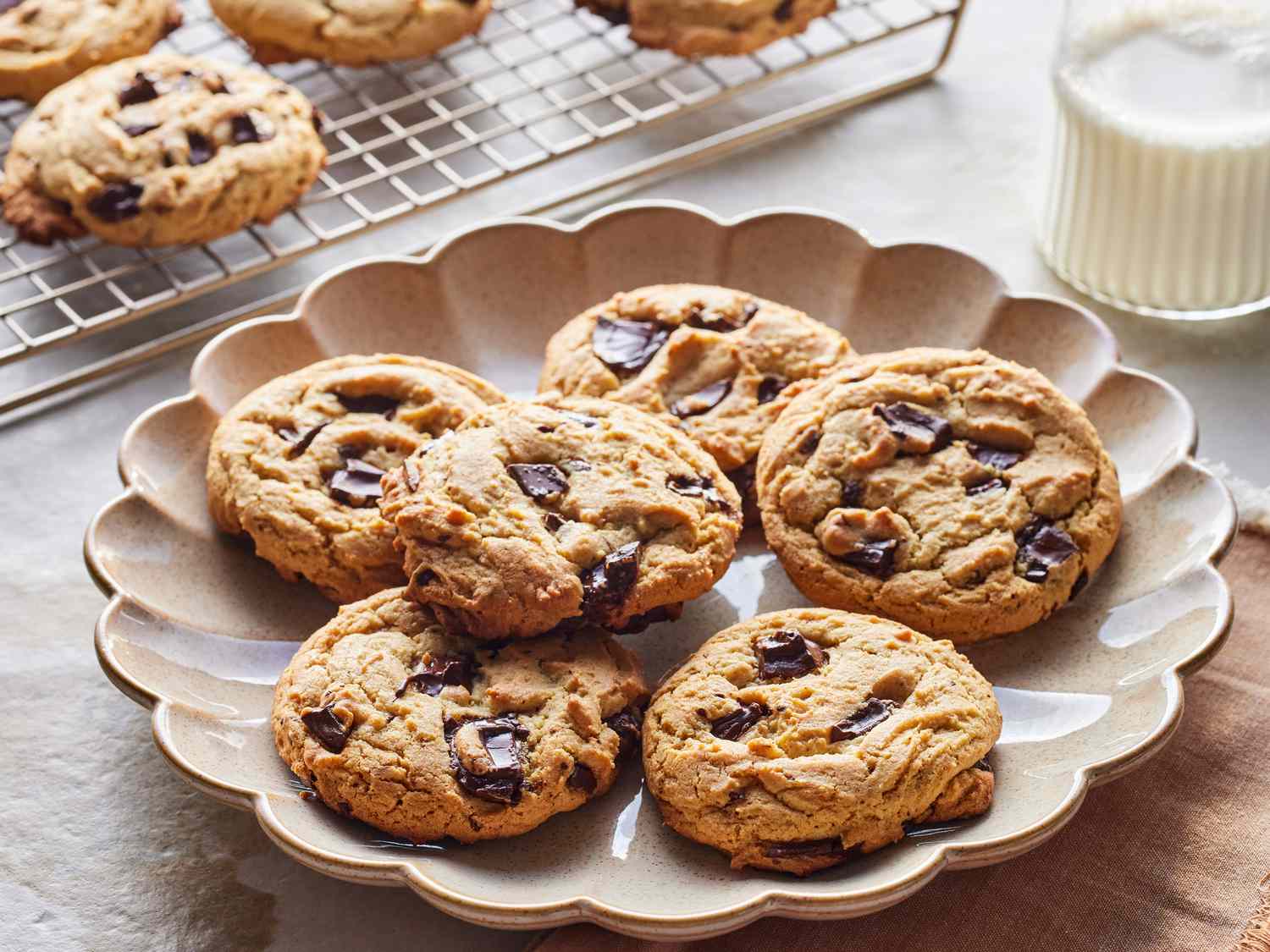
If you have ever pulled out a tray of cookies where the back row is a little too tan and the front row is still pale, you are not imagining things. Most home ovens have hot spots. Some run hotter in the back. Some blast heat from one corner. Some heat unevenly from rack to rack. The good news is you can work with your oven once you know its personality.
This is the exact method I use before big cookie exchange weekends, especially when I am baking multiple pans back to back. We are going to map your oven’s heat distribution with a super simple bread test, then I will show you how to rotate pans (and choose the right rack) so your treats bake evenly.
What hot spots do
Hot spots show up differently depending on what you are baking, but here are the most common clues I see in my kitchen:
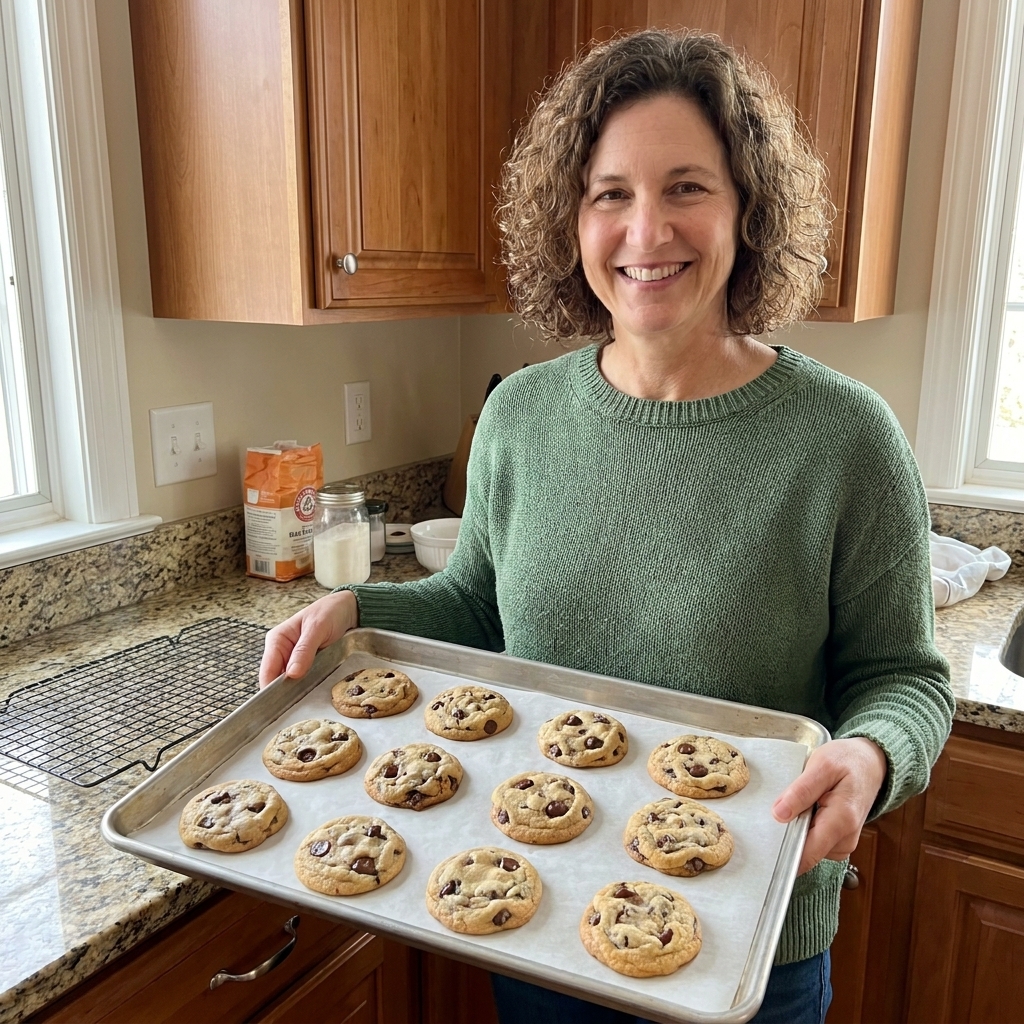
- Cookies: darker edges on one side of the pan, lopsided spreading, bottoms browning too fast in one area, or one corner of the tray finishing early.
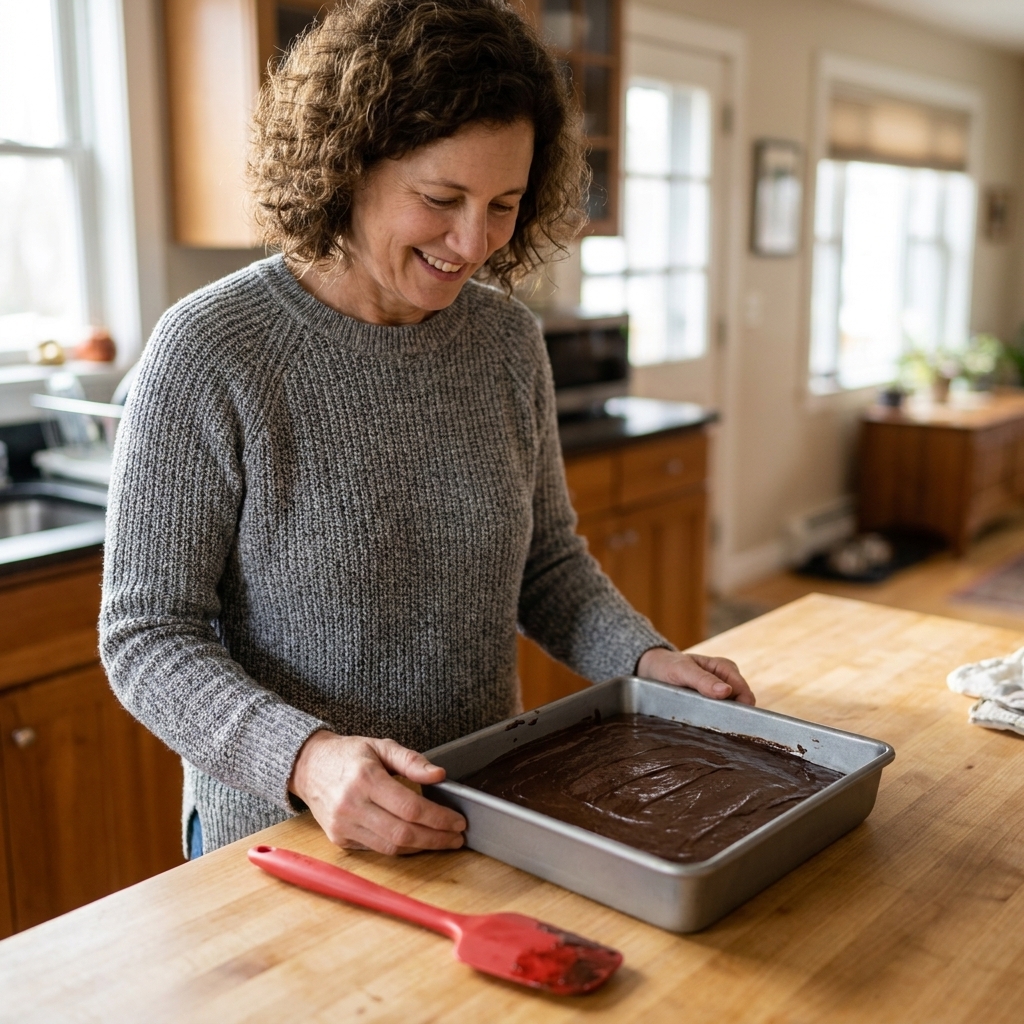
- Brownies and dessert bars: one side rises higher, edges overbake while the center is still soft, or a corner turns chewy and dry before the rest is set.
- Multiple pans: the top rack browns faster, or the back pan bakes faster than the front pan even when they went in together.
Once you know where the heat hits hardest, you can rotate strategically and place pans where they will bake most evenly. That is the whole game.
Before you test
A few small setup choices make the bread test much more reliable.
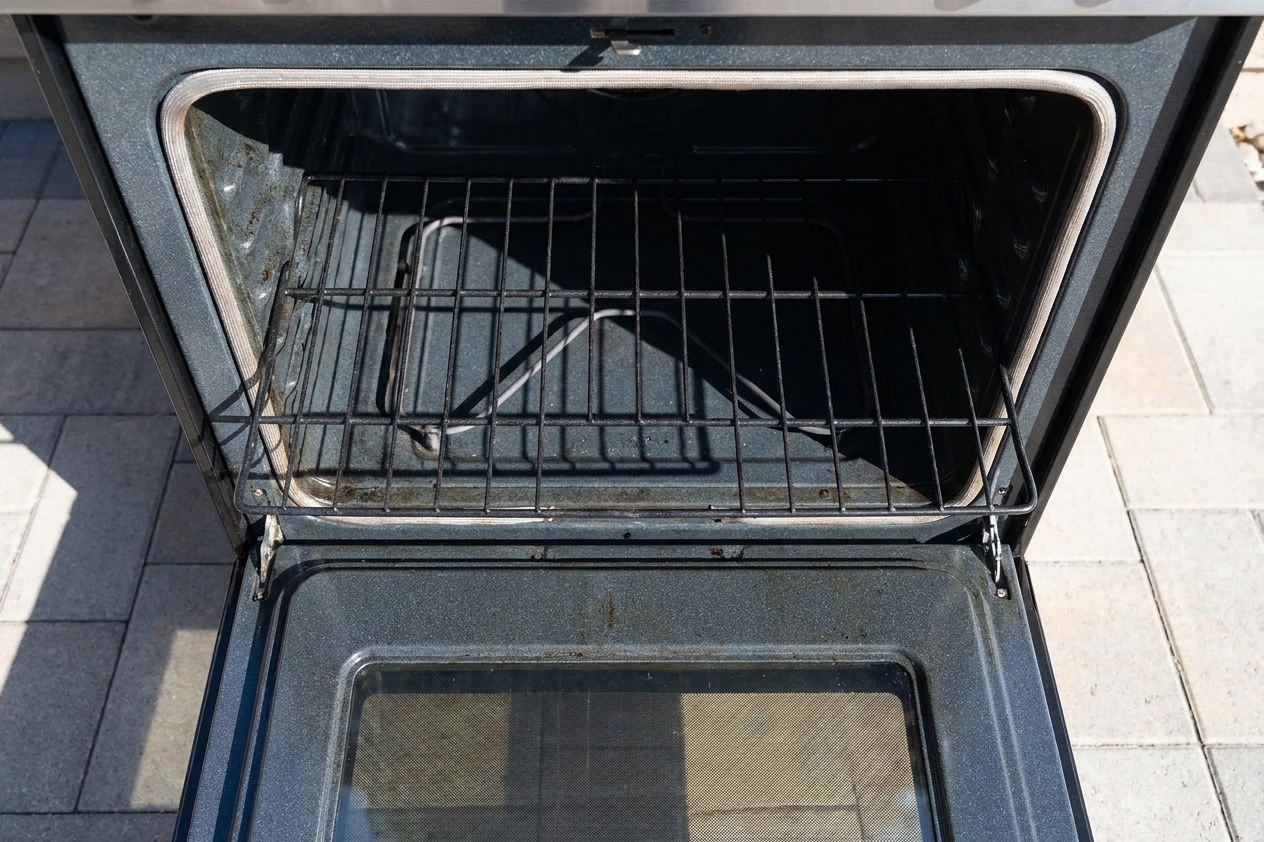
- Start with a mostly empty oven. Take out pizza stones, extra sheets, cast iron, and anything stored inside. Extra mass can change airflow and heat patterns.
- Use the rack you bake on most. For cookies and bars, that is usually the middle rack.
- Preheat fully. Let the oven preheat, then give it an extra 10 to 15 minutes to stabilize. Many ovens beep before the walls and air are truly even.
- Convection setting: If you typically bake with convection, test with convection on. If you bake conventional, test conventional. They can behave differently.
The bread test
This is the easiest way to see uneven heat with your own eyes. You are basically making a toast heat map.
What you need
- 1 to 2 loaves of plain sandwich bread (white or wheat both work)
- 1 large baking sheet (half sheet pan is perfect)
- Timer
- Oven mitts
- Phone camera (optional, but helpful)
Step-by-step
- Preheat to 350°F. Once it beeps, wait another 10 to 15 minutes.
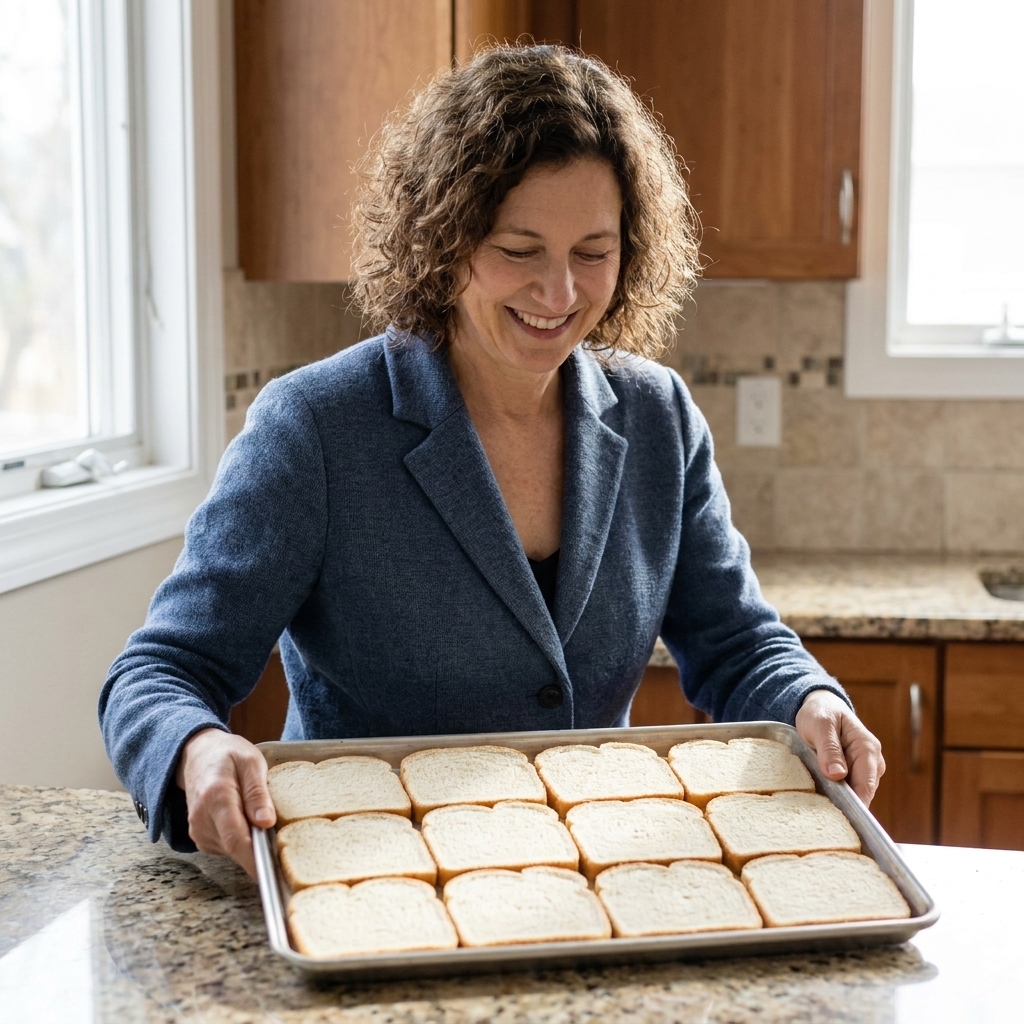
- Cover the pan with bread. Arrange slices in a single layer with no overlap so they cover the surface as evenly as possible. It is fine if you need to trim one slice or tuck a corner.
- Place the pan on the rack you use most. Usually the middle rack.
- Toast until light golden. Start with 5 minutes, then continue in 1 to 2 minute increments as needed, usually 5 to 8 minutes total. You want visible differences in browning, not dark toast. Keep an eye on it so it does not dry out or start to smoke.
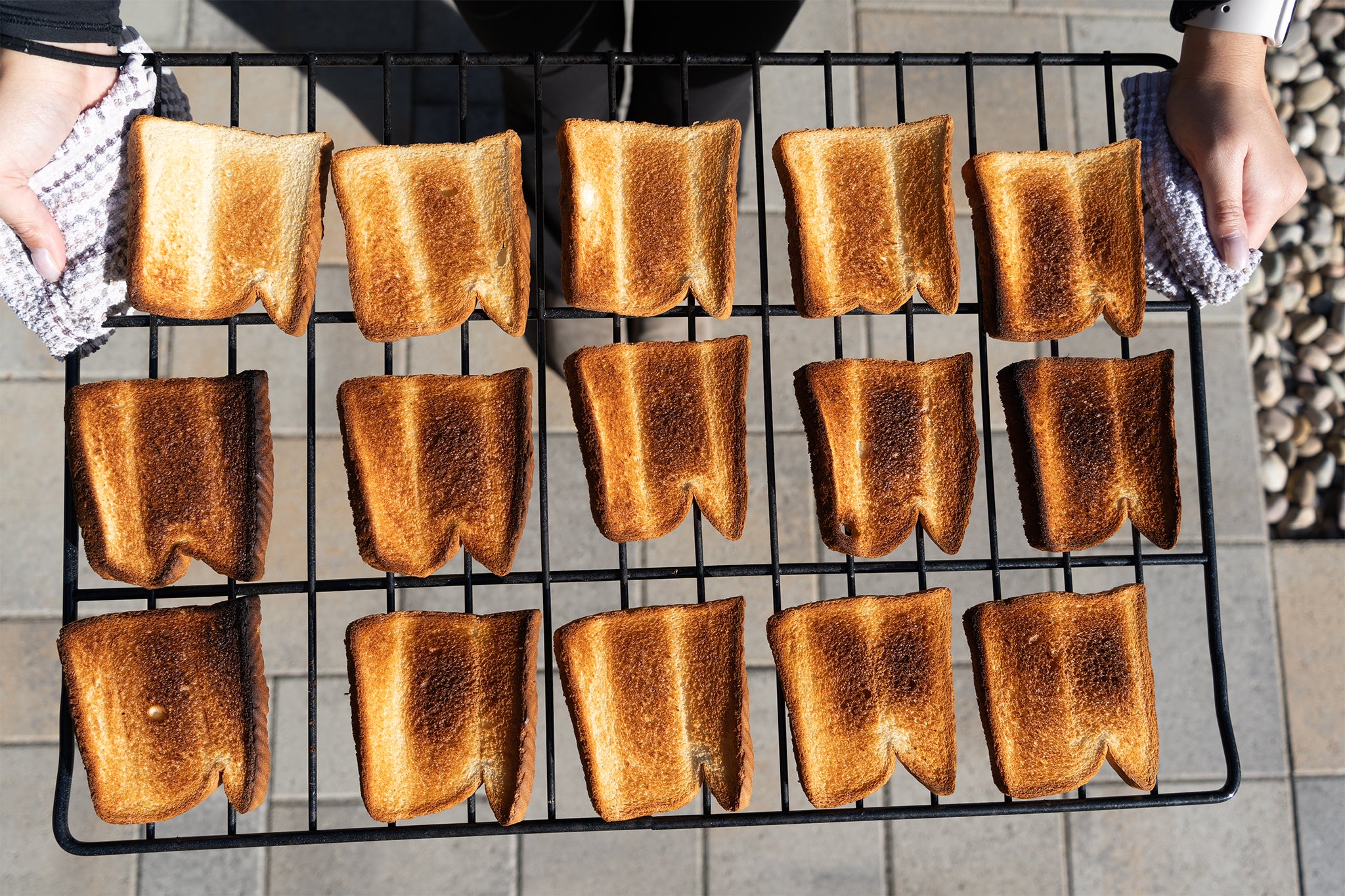
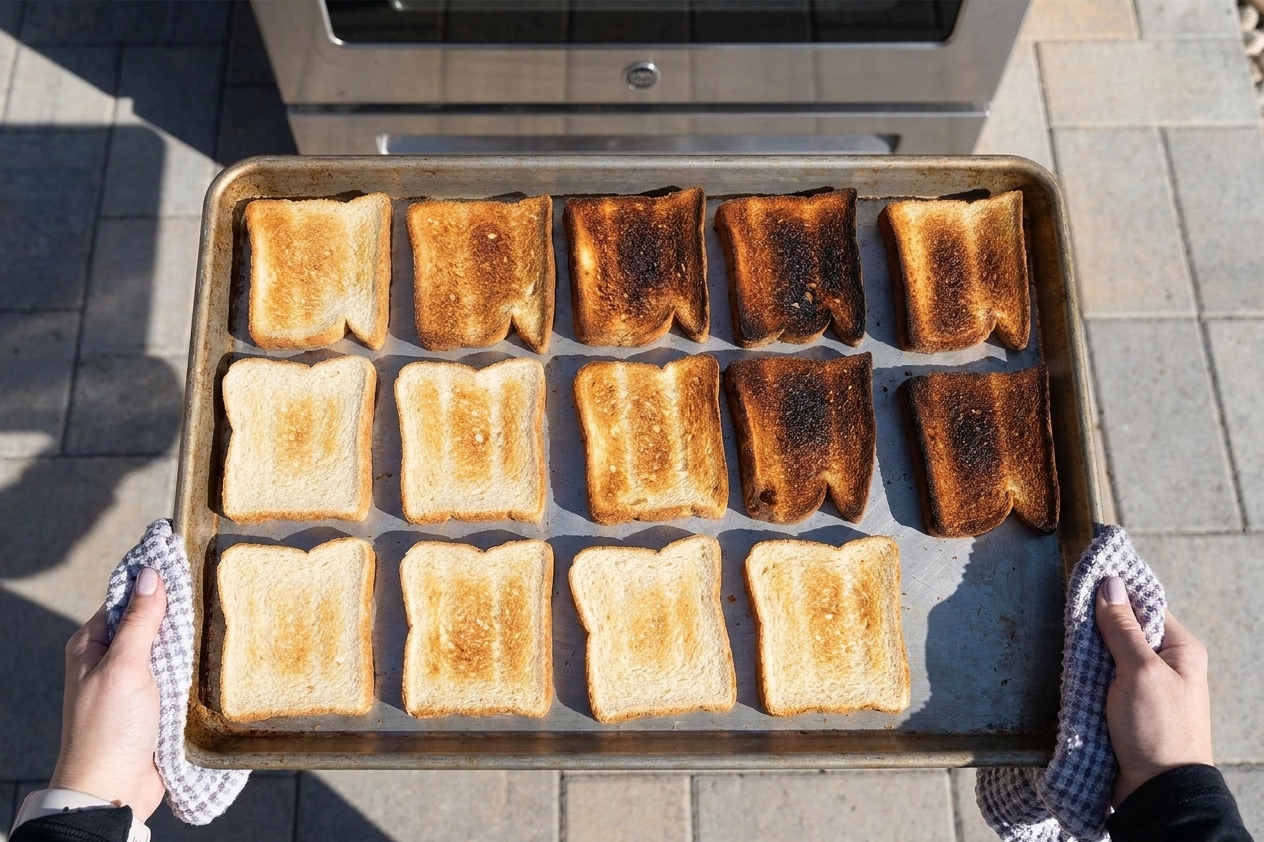
- Remove and evaluate. Look for slices that are noticeably darker. Those areas are your hot spots.
- Repeat if you bake on multiple racks. If you often bake bars on the lower rack or cookies on two racks, run a second test on those rack positions.
How to read results
Here is what different patterns often mean:
- Darker in the back: very common. In many ovens, heat concentrates near the back wall, especially on convection models.
- Darker on one side: your oven may heat unevenly left to right, or the door seal may not be perfectly tight.
- Dark ring around the edges: edges of the pan are getting more direct heat. This can happen in smaller ovens or when the rack is too close to a heating element.
- Random dark patches: can happen if the pan is slightly warped or if the oven cycles aggressively. Try a second run to confirm the pattern.
Take a quick photo. I keep one on my phone called “Oven Map” so I remember which corner needs attention when I rotate pans.
Rotation tips
Once you know where the heat runs hottest, rotating becomes a simple, calm routine instead of a frantic mid-bake scramble. Opening the oven door does drop the temperature, so work quickly and close the door as soon as the pan is back in place.
One pan
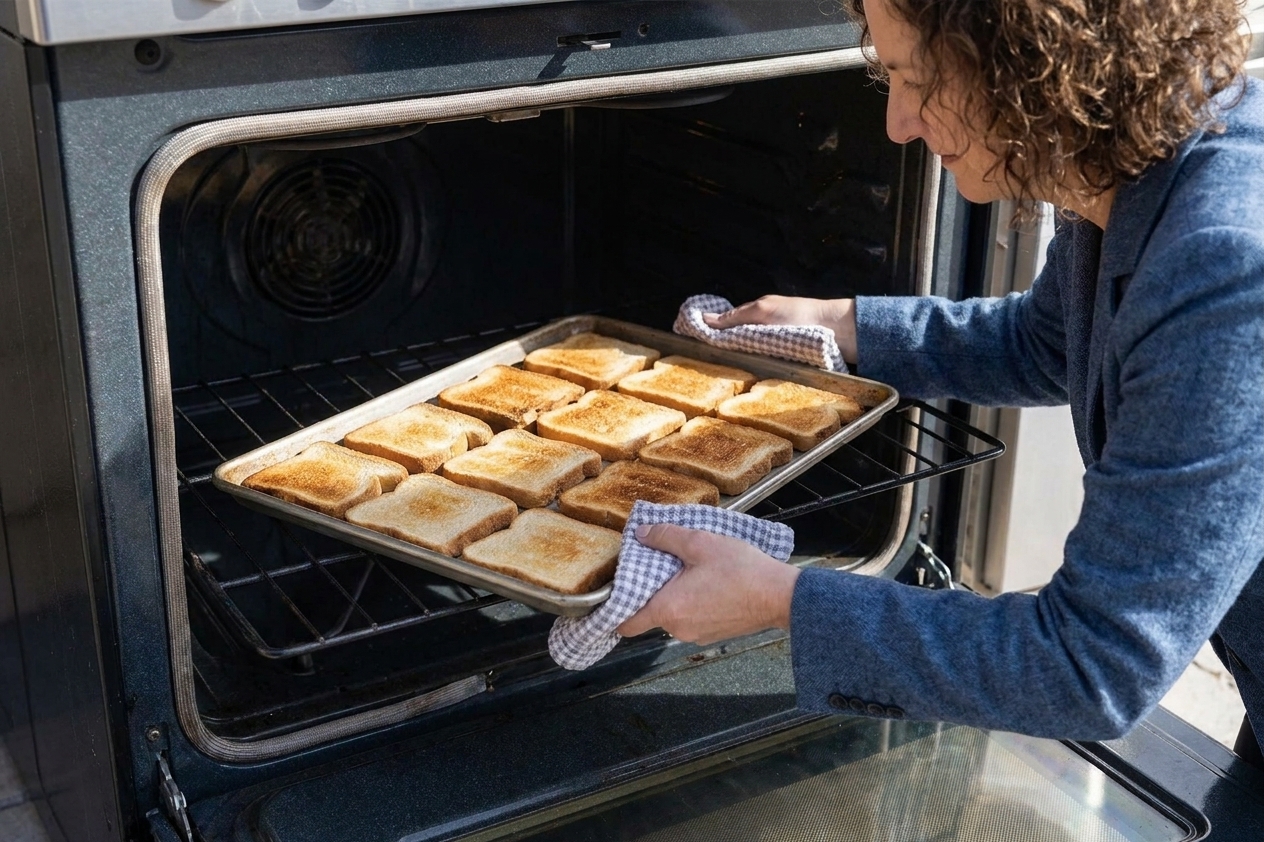
For a single pan of cookies or bars, rotate at about the halfway mark in the bake time.
- Rotate 180 degrees so the back becomes the front.
- If your bread test showed one side runs hotter, rotate 180 degrees and shift the pan to the opposite side of the rack (left to right or right to left) when you put it back.
Two pans
If you bake two pans at once (cookies on two racks or bars plus cookies), do this around the halfway point:
- Move the top pan to the bottom rack.
- Move the bottom pan to the top rack.
- Rotate each pan 180 degrees as you swap.
This is the most consistent fix for ovens that brown faster on the top rack or in the back.
When not to rotate
Rotation helps most cookie and bar recipes, but there are a few times I skip it:
- Very short bakes: If cookies bake in 8 to 9 minutes, opening the door can cost you more than it helps. In that case, focus on rack position and pan choice.
- Delicate bakes: Soufflés and some cheesecakes can be sensitive to sudden temperature drops, so avoid unnecessary door-opening.
Small tweaks
Use an oven thermometer
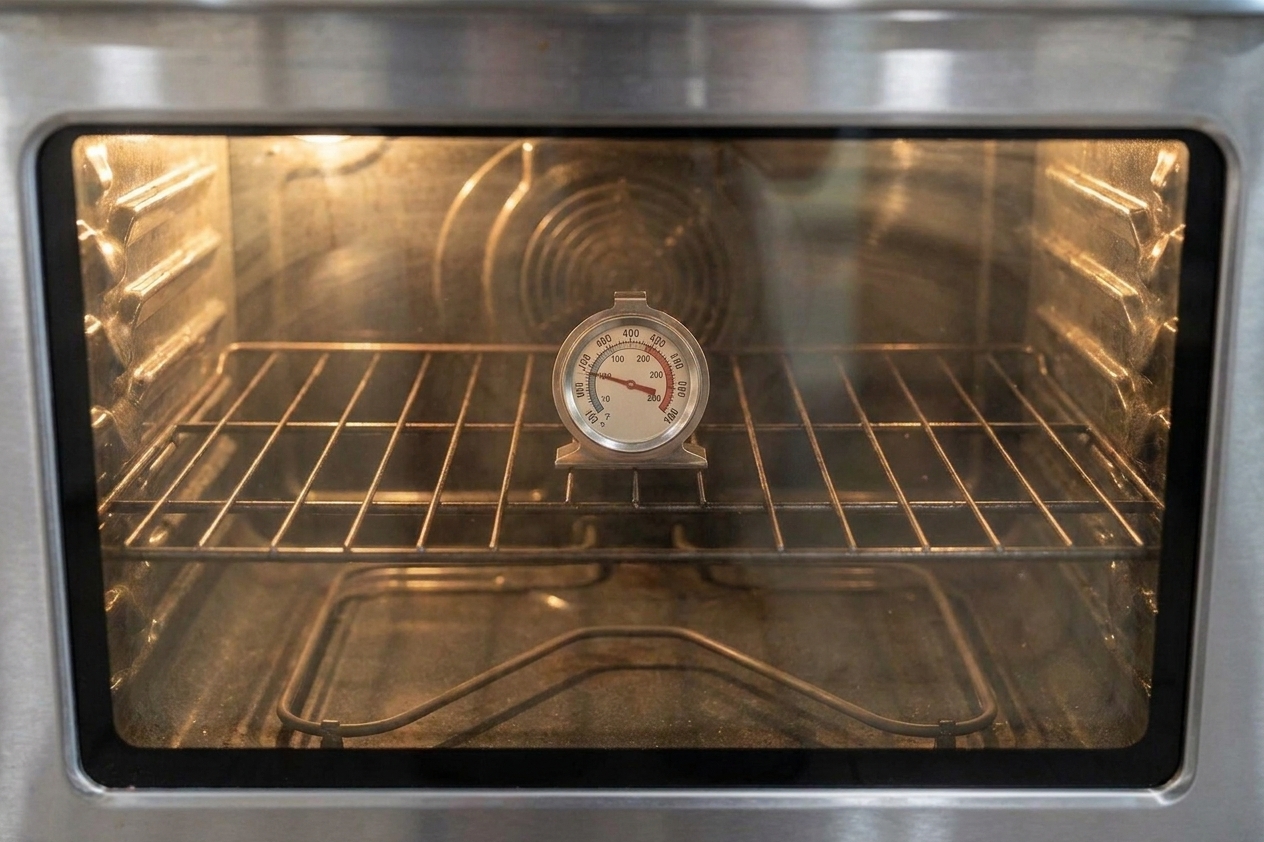
Hot spots are about uneven heat, but overall temperature matters too. An inexpensive oven thermometer can tell you if 350°F is actually 325°F or 375°F in real life. If your oven runs consistently hot or cool, you may be able to calibrate it if your model allows, or you can adjust your baking temperature and timing accordingly. If you are not sure, check your manual.
Pick the middle rack
The middle rack usually gives the most even airflow and distance from heating elements. For thick brownies and dessert bars, I almost always choose middle rack unless the recipe says otherwise.
Use light-colored sheet pans
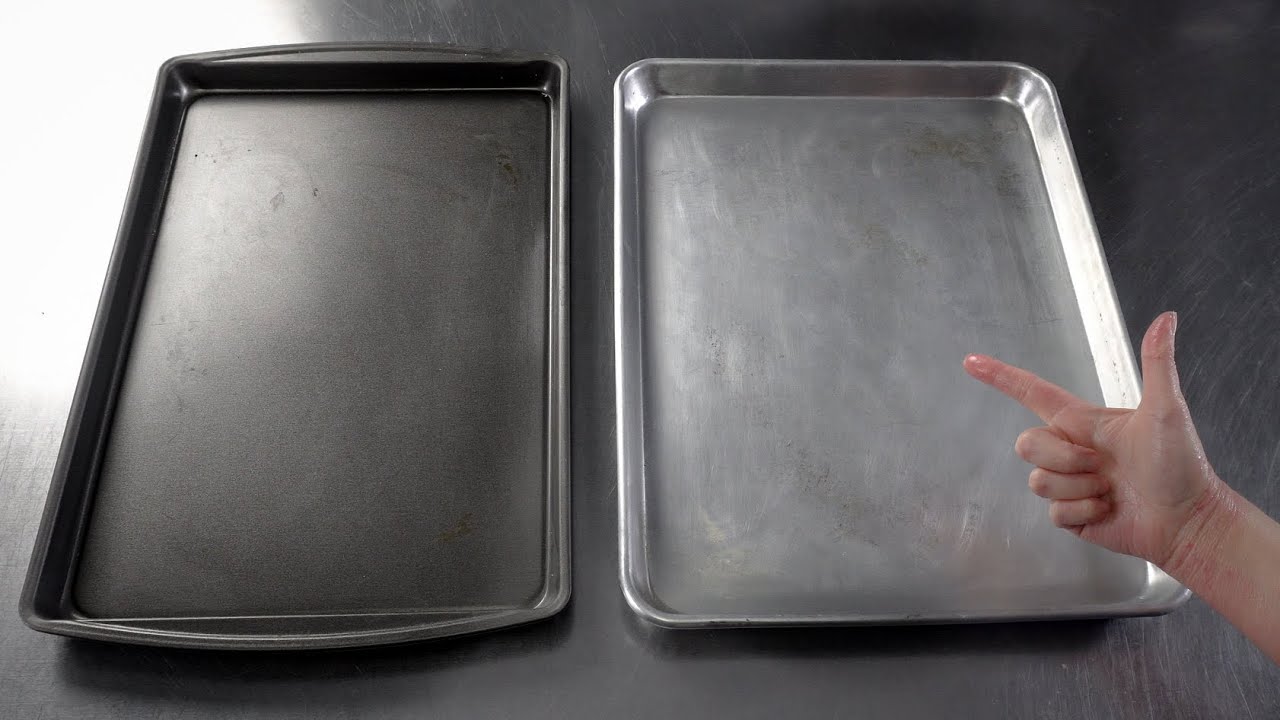
Dark pans and thin pans brown faster and can exaggerate hot spots. For cookies, a light-colored aluminum sheet pan helps prevent overbrowned bottoms and gives you more forgiveness.
Do not overcrowd
Air needs room to move. If you pack two large sheet pans too close together, you can create your own hot spot situation. Give pans space and avoid blocking the oven’s back wall if possible.
Troubleshooting
Bottom browning too fast
This often happens when the pan is too close to the lower heating element, the pan is dark, or your oven runs hot on the bottom. Try the middle rack, switch to a lighter pan, and consider double panning (placing one sheet pan under another) for delicate cookie doughs.
Should I use convection?
Convection can bake more evenly, but it can also brown faster and the fan can exaggerate drying at the edges. Many bakers find that convection works great for multi-rack cookie baking, as long as you still rotate and swap racks halfway through. If you switch to convection, a common starting point is reducing the temperature by about 25°F, but some ovens automatically convert and some recipes already account for it, so check your manual and recipe notes and start checking early.
Does my oven need repair?
Not necessarily. Mild hot spots are normal. But if the bread test shows extreme differences, or you are seeing big temperature swings, check the door seal and consider having the oven calibrated or serviced. An oven thermometer can help you spot larger issues quickly.
My even-bake routine
Here is the simple routine I fall back on when I want trays of cookies that look like they came from the same pan:
- Preheat, then wait 10 minutes.
- Middle rack whenever possible.
- Bake one pan at a time for the most even results.
- Rotate once halfway through for anything longer than 10 minutes.
- Take notes the first time you bake in a new oven. Even one sentence helps: “Back right runs hot.”