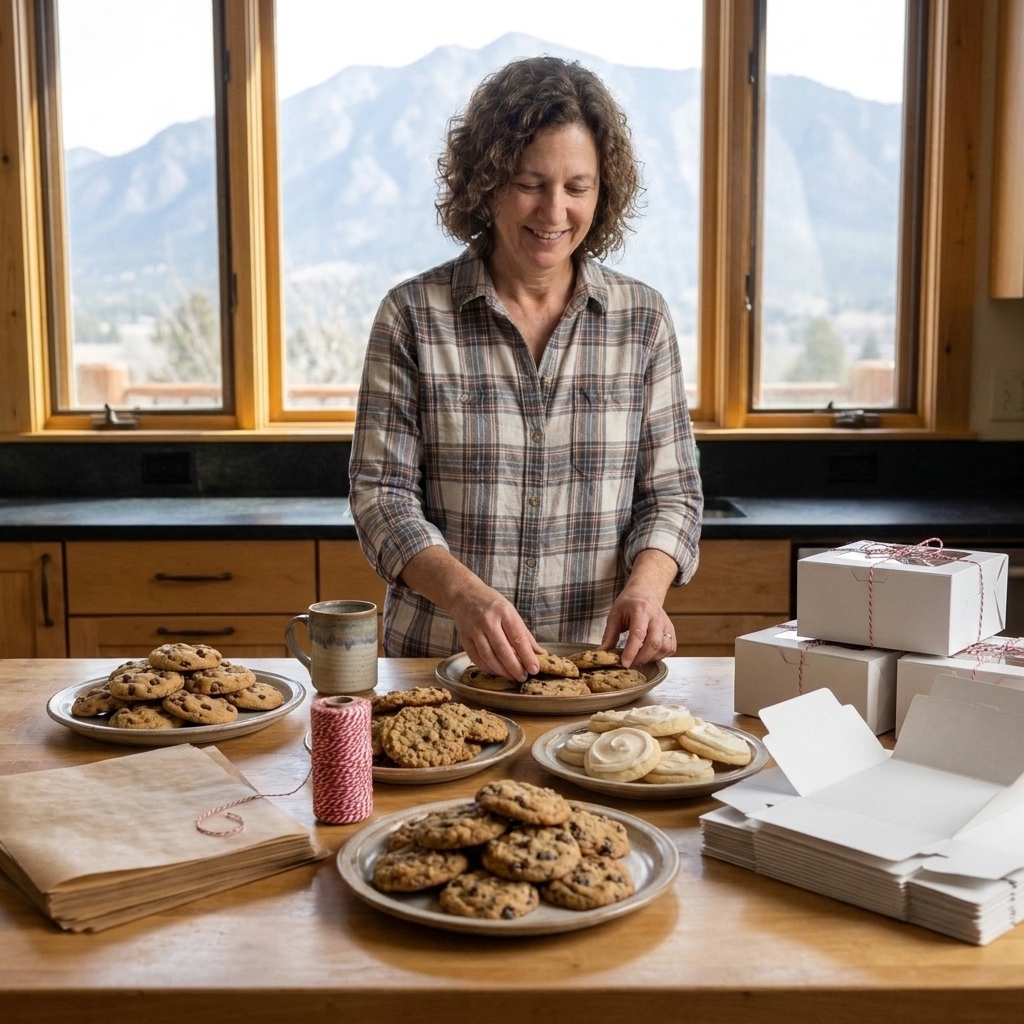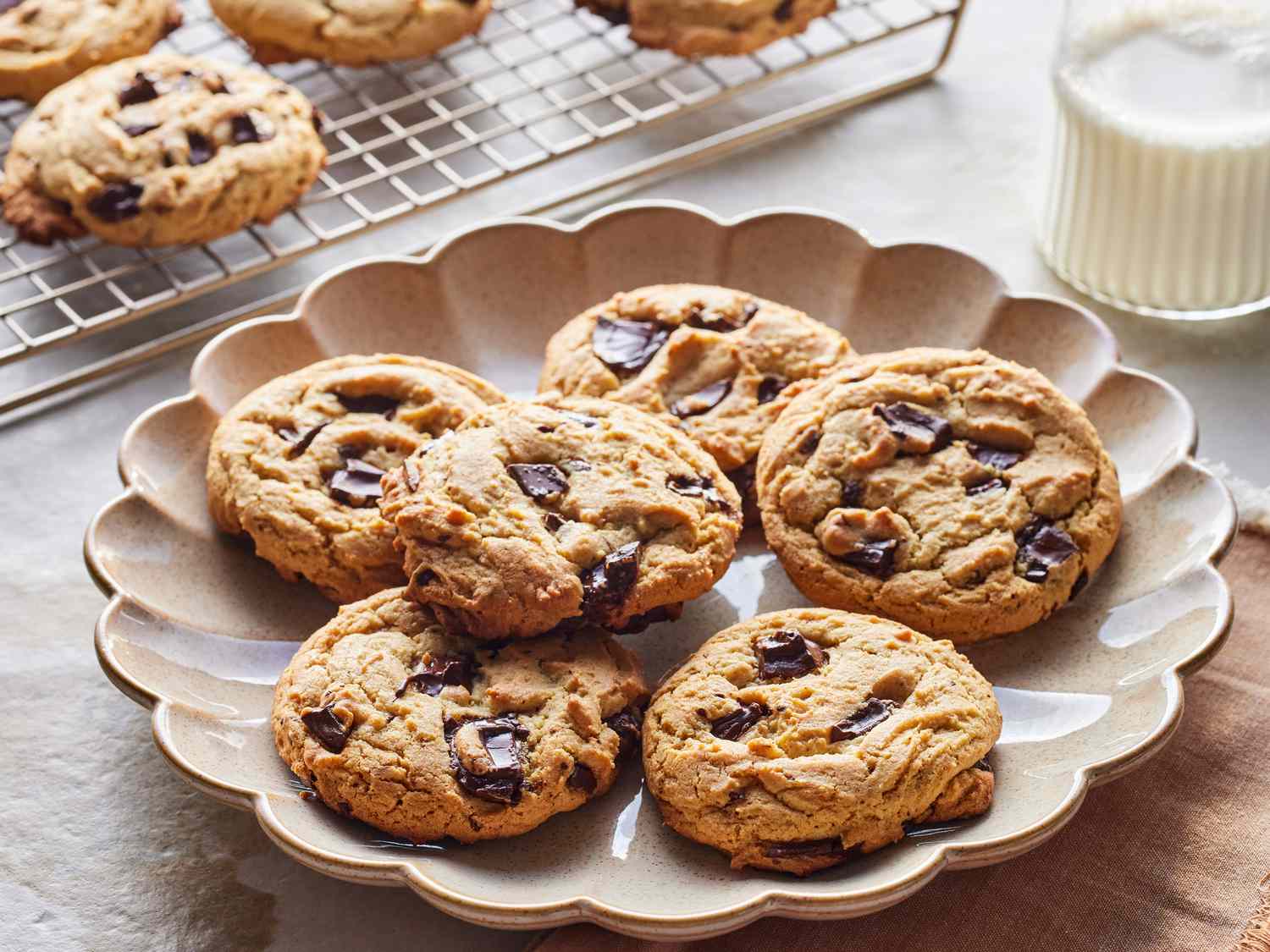
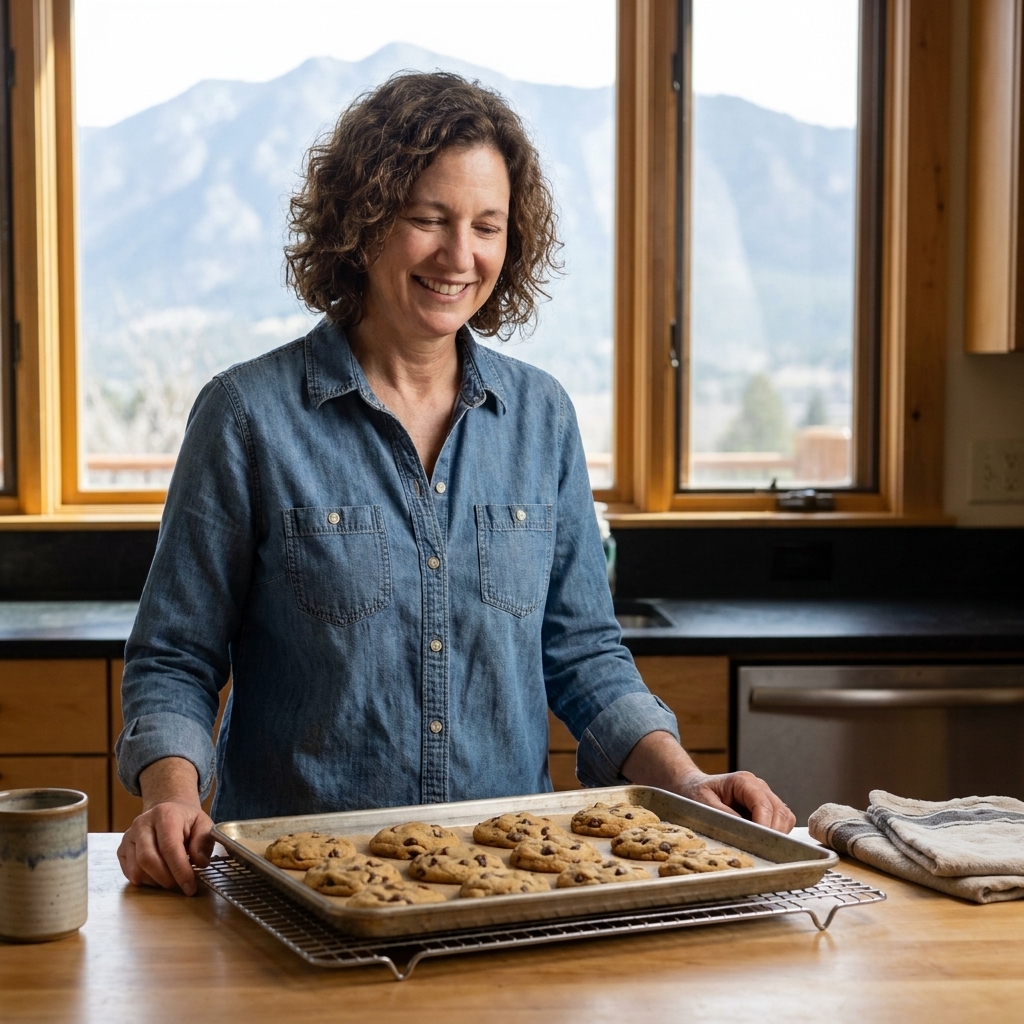
Why altitude changes cookies and bars
If you have ever baked your go-to cookie recipe in the mountains and thought, “Why are these suddenly flat, dry, and weirdly sweet?” you are not imagining it. High altitude baking is basically the same ingredients, but a totally different set of rules.
At higher elevations, air pressure is lower. That means water evaporates faster and gases expand more easily. In practical terms, moisture leaves your dough or batter sooner, sugar becomes more concentrated as water evaporates, and chemical leaveners can puff up faster than the structure can set.
In cookies and dessert bars, that can show up as:
- Dry, crumbly texture from moisture escaping fast.
- Too much spread from sugar melting and fat softening before the structure sets.
- Caving or sinking centers when the bake rises fast, then collapses because it did not set in time.
- Over-browning edges while the middle is still underbaked.
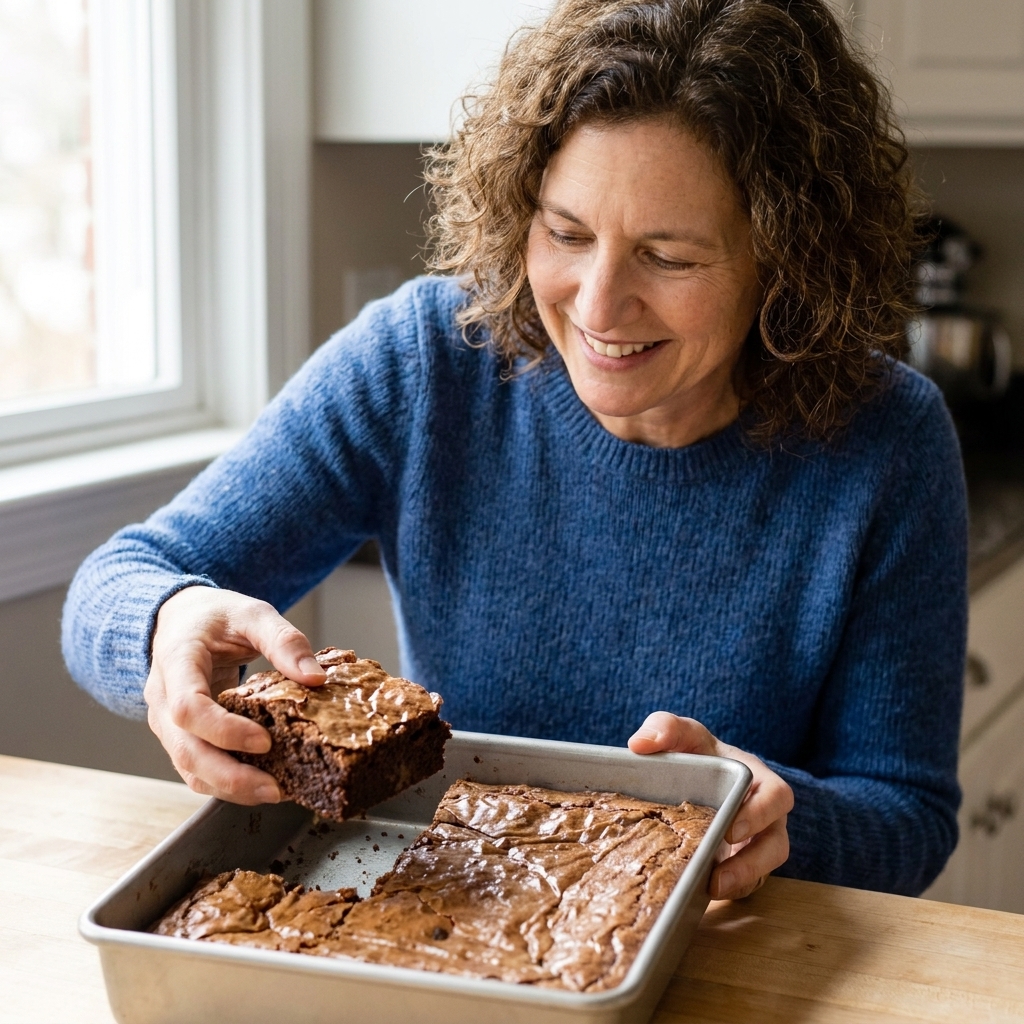
The good news is that cookies and bars are forgiving. A few small tweaks usually bring them right back to chewy centers, crisp edges, and gooey brownie crinkles.
First: know your altitude
You do not need to memorize a science textbook, but it helps to bucket your elevation so your adjustments make sense:
- 3,000 to 5,000 feet: light tweaks, often just a small leavener reduction or a tablespoon or two of extra liquid.
- 5,000 to 7,000 feet: moderate tweaks, typically leavener plus moisture plus structure.
- 7,000 feet and up: bigger tweaks, and you may need to adjust bake temperature and time more often.
If you are not sure, you can check your elevation in your phone’s compass app or any map app. Write it down somewhere you will actually see it again, because it tends to come up a lot once you start tweaking recipes.
The cheat sheet
Here is the big-picture playbook I use when I am adapting a standard cookie or bar recipe for a friend who lives at elevation. Think of these as starting points, not universal rules. Recipe style matters a lot, so if the recipe author provides high-altitude notes, follow those first.
| Ingredient or variable | What altitude does | What to try first (starting point) |
|---|---|---|
| Leavening (baking soda/powder) | Gases expand faster, which can cause puff then collapse | Reduce by about 10% to 25% depending on elevation and recipe |
| Flour/structure | Needs slightly more structure to set before over-spreading | Add 1 to 3 tablespoons flour per 2 cups flour |
| Liquid (milk, water, eggs) | Evaporates faster, drying out dough and batter | Add 1 to 3 tablespoons extra liquid, or an extra egg yolk |
| Sugar | Concentrates as moisture evaporates and melts sooner, which can increase spread and perceived sweetness | Reduce slightly (often 1 to 3 tablespoons per cup of sugar), especially in cookies |
| Oven temperature | Structure can set too slowly compared to rapid expansion | Increase oven temp by 15 to 25°F and start checking early |
| Bake time | Edges can finish before centers set | Often slightly shorter, but depends on pan color and any temp change |
My best advice: change one or two things at a time. If you adjust flour, sugar, liquid, leavener, and temperature all at once, it is hard to know what actually fixed the problem.
Measuring note: Tablespoons of flour can vary a lot depending on how you scoop. For more consistent results, spoon flour into your measuring cup and level it off, or weigh your flour if you have a kitchen scale.
Leavening: important when present
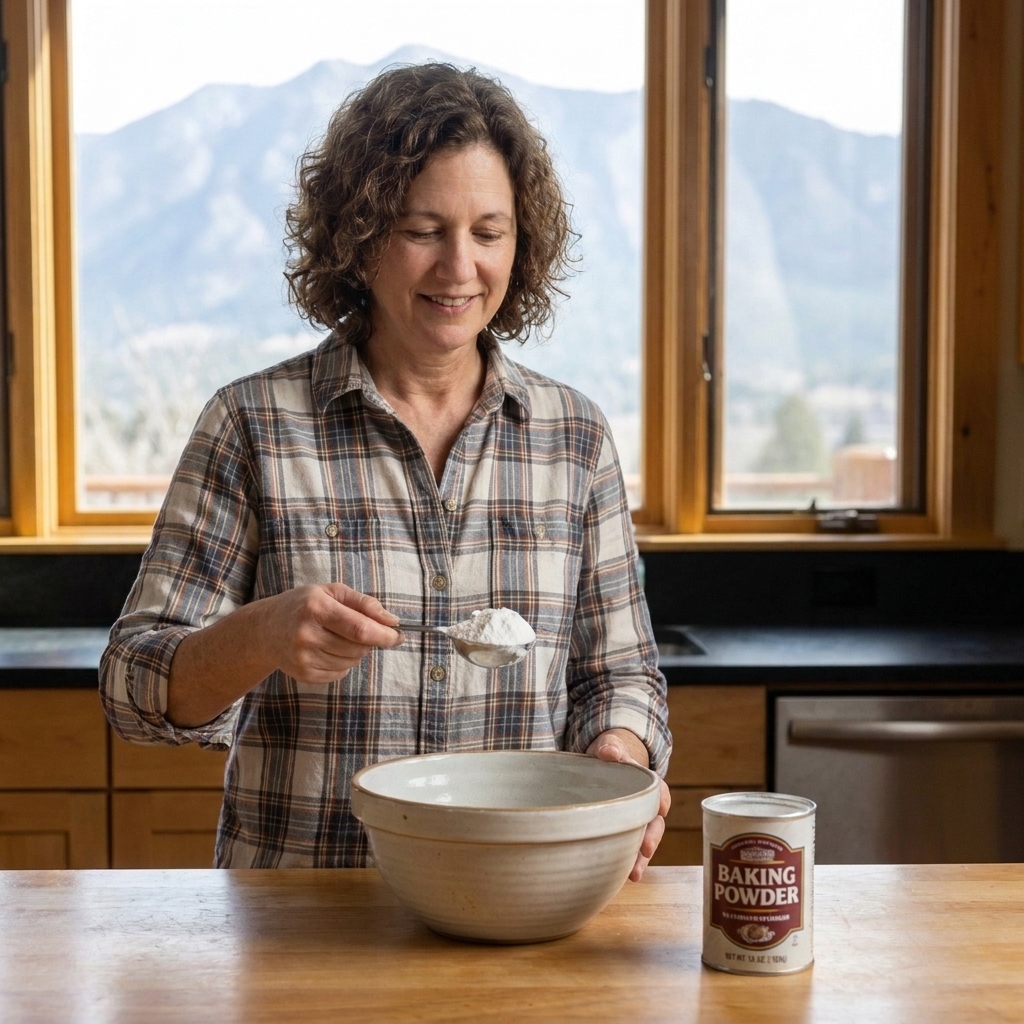
For cookies and bars that use chemical leavening, too much is a common cause of “it looked amazing, then it sank.” At altitude, baking soda and baking powder can be more powerful because gases expand more in lower pressure.
That said, plenty of bars (especially fudgy brownies) have little to no chemical leavener. In those recipes, moisture management, mixing method, pan choice, and bake time can matter more than leavening.
Baking powder adjustments
- 3,000 to 5,000 feet: reduce by about 1/8 teaspoon per teaspoon in the recipe.
- 5,000 to 7,000 feet: reduce by about 1/4 teaspoon per teaspoon.
- 7,000+ feet: reduce by about 1/4 teaspoon per teaspoon, then evaluate. Only push the reduction further if you are seeing clear over-rise and collapse.
Baking soda adjustments
Baking soda is trickier because it also affects browning and spread. Start smaller:
- 3,000 to 5,000 feet: reduce by a pinch to 1/8 teaspoon per teaspoon.
- 5,000 to 7,000 feet: reduce by 1/8 to 1/4 teaspoon per teaspoon.
- 7,000+ feet: reduce by about 1/4 teaspoon per teaspoon, then evaluate.
Cookie Bar Craft tip: If your brownie recipe includes baking powder and you are getting a domed top with a sunken middle, try reducing it first. Some fudgy brownie styles do best with very little, and some do fine with none. I would not delete it automatically unless you are seeing that classic puff-then-collapse pattern.
Flour: a little more structure
At altitude, doughs and batters can lose moisture quickly and soften sooner, so they may spread before the proteins and starches have time to set. A small flour bump can help, especially for drop cookies and cookie-bar bases.
Starting points
- For a recipe with about 2 cups flour: add 1 to 2 tablespoons flour.
- For a recipe with about 3 cups flour: add 2 to 3 tablespoons flour.
If you are making thick, chewy cookies, I usually start with 1 extra tablespoon and only go higher if they are still over-spreading.
When not to add flour
If your cookies are already coming out dry and cakey, extra flour can make that worse. In that case, focus on moisture changes first, and consider slightly reducing oven time.
Liquid and eggs: fight dryness
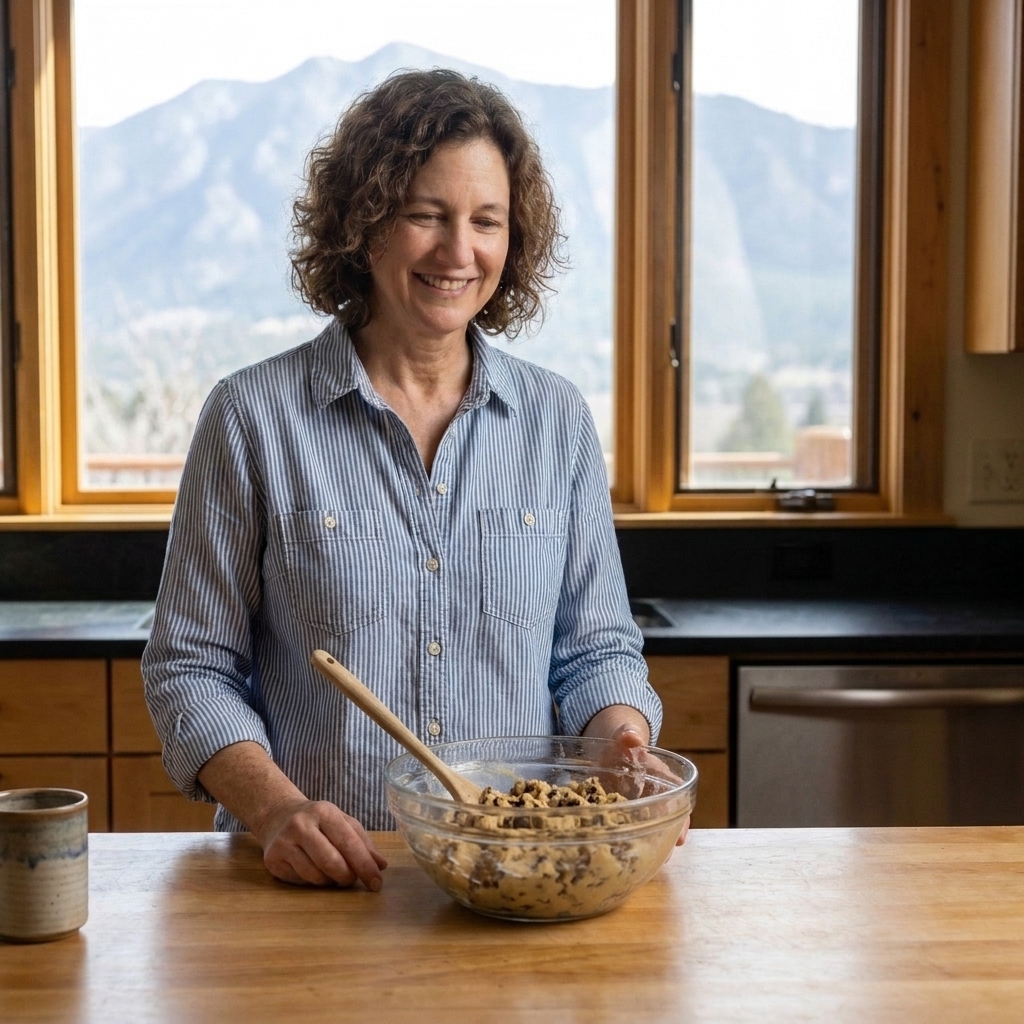
Fast evaporation is the reason high-altitude cookies can go from chewy to crumbly in a hurry. The fix is usually a small bump in moisture, not a total recipe rewrite.
Easy moisture boosts
- Add 1 to 2 tablespoons milk or water to cookie doughs.
- Add 1 to 3 tablespoons to bar batters that bake up dry.
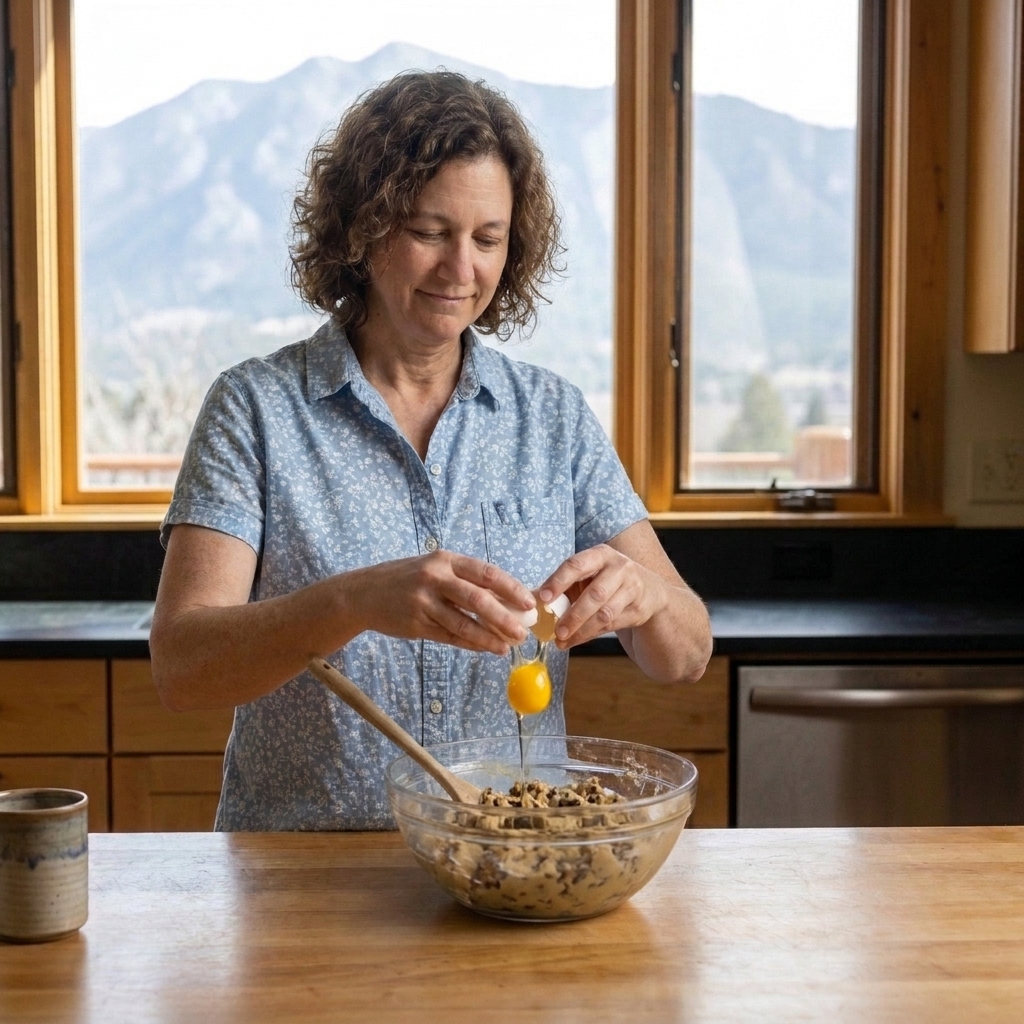
- Add one extra egg yolk (my favorite cookie trick). Yolks add richness and moisture with less risk of making the dough runny.
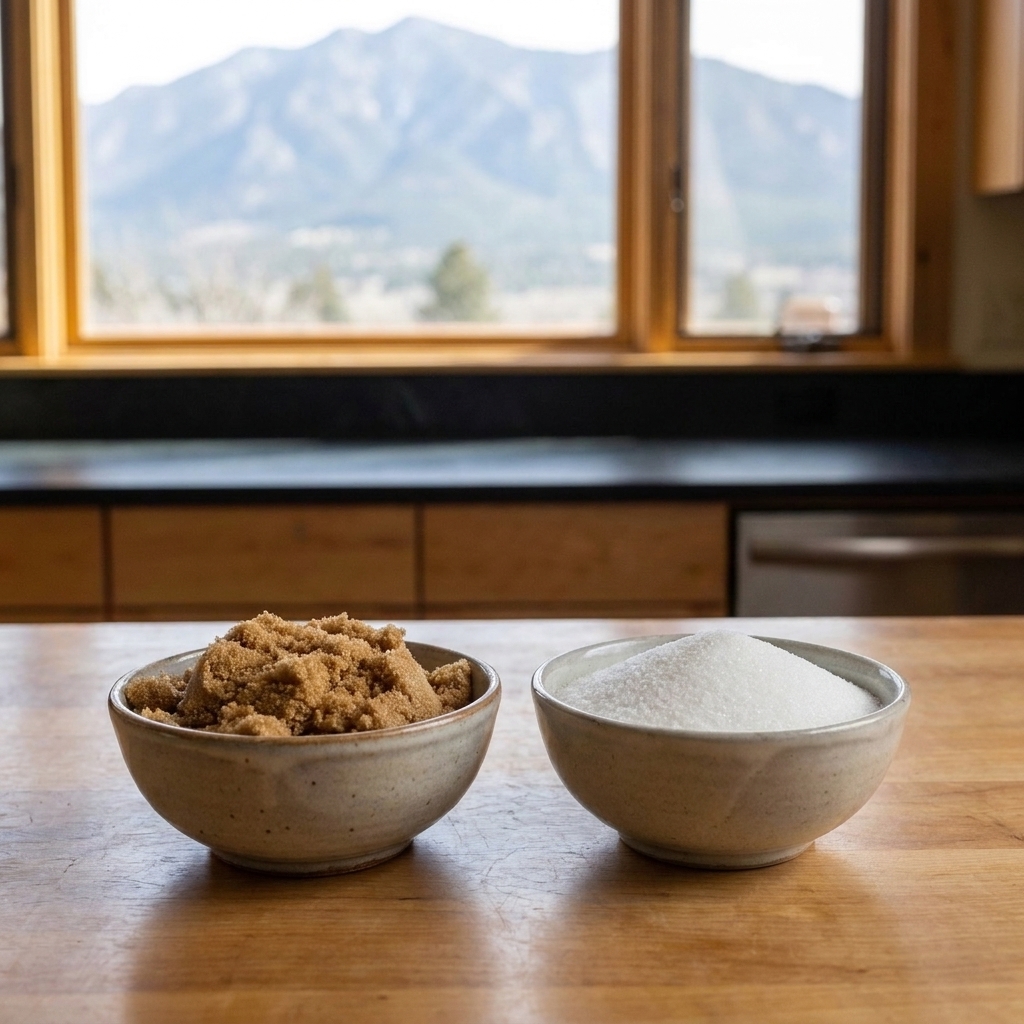
- Use brown sugar if the recipe allows it. Brown sugar is hygroscopic, meaning it holds onto moisture.
Watch the feel: High-altitude cookie dough should look like its normal self. If it turns glossy and slack, you added too much liquid. Chill the dough and add 1 to 2 tablespoons of flour if needed.
Sugar: control spread
Sugar does a lot in cookies and bars. It sweetens, yes, but it also affects spread, tenderness, moisture retention, and browning. At altitude, moisture evaporates faster, so sugar concentration increases and sugar can melt sooner, which can push cookies toward thin and crisp.
When to reduce sugar
- If your cookies spread into one big, thin sheet.
- If edges get too dark before centers look set.
- If the finished bake tastes overly sweet compared to sea level.
How much to reduce
Start small. For most cookie recipes, try reducing total sugar by 1 to 3 tablespoons per cup of sugar. For bars, I usually reduce less aggressively because sugar helps keep them moist. If a bar is dry, I would rather add a bit of liquid than cut too much sugar.
Texture note: White sugar encourages crispness and spread. Brown sugar encourages chew. If your cookies are too crisp at altitude, shifting a small portion from white to brown sugar can help, even without changing the total amount.
Flavor note: If altitude is making everything taste a bit sweeter, a tiny pinch more salt can rebalance flavor without changing the structure.
Oven temp and timing
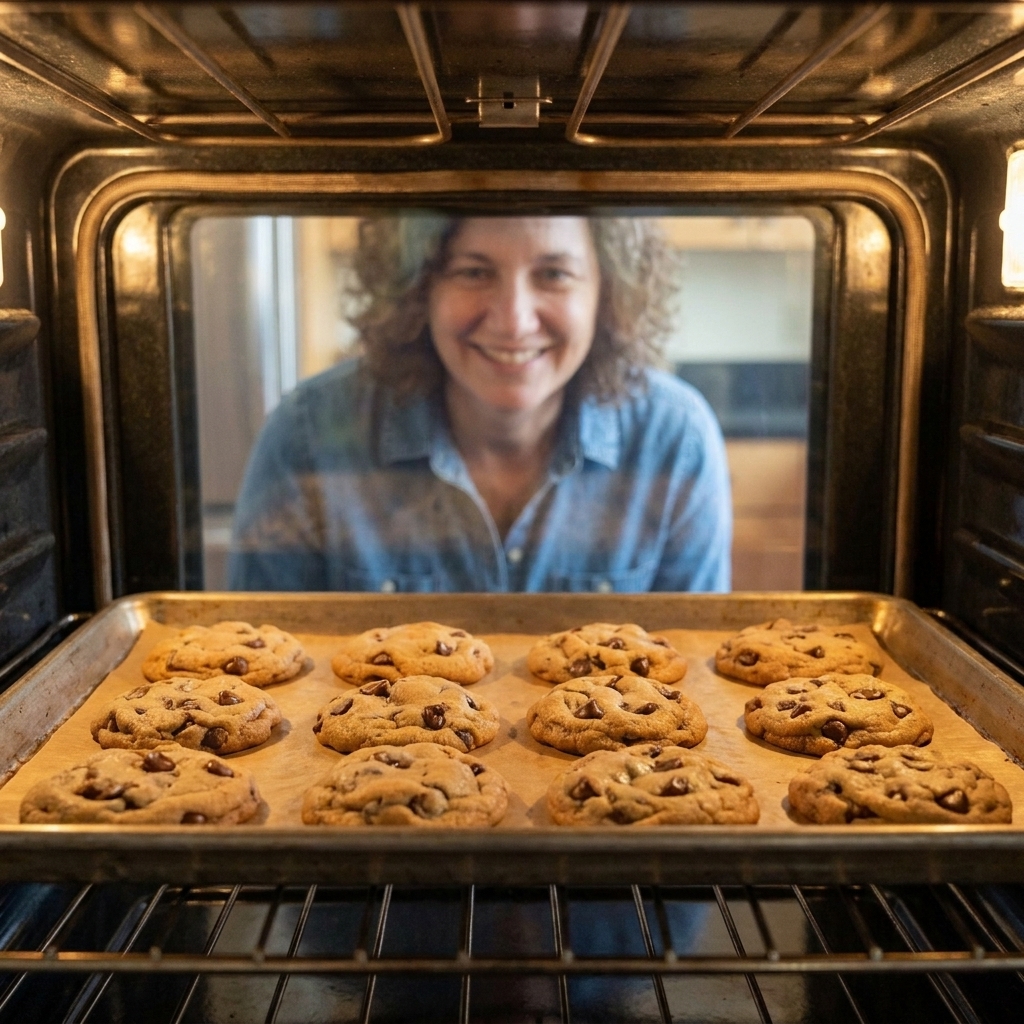
This one surprises people, but a slightly higher oven temperature can improve high-altitude cookies and bars. The goal is to help the outside set sooner so the bake does not over-expand and then fall.
What to try
- Increase oven temp by 15 to 25°F.
- Start checking early. If you increase temperature, the bake may finish sooner.
- Use the center test that matches the dessert. Cookies should look set around the edges and slightly underdone in the middle. For fudgy brownies, look for edges set, a center that is no longer jiggly, and a toothpick that comes out with moist crumbs, not wet batter.
Pan choice matters
- Light-colored, shiny metal bakes more gently and helps prevent over-browned edges.
- Dark pans brown faster. If that is what you have, lower the temp slightly or shorten the bake time.
- Glass holds heat and can over-brown edges. For bars, consider lowering the temp by 25°F and baking a bit longer.
A note on convection
Convection (fan) ovens brown and dry surfaces faster. If convection is making cookies or bars brown too quickly at altitude, try switching to conventional bake. If convection is your only option, consider reducing the temperature and watching the bake early.
Cookie fixes
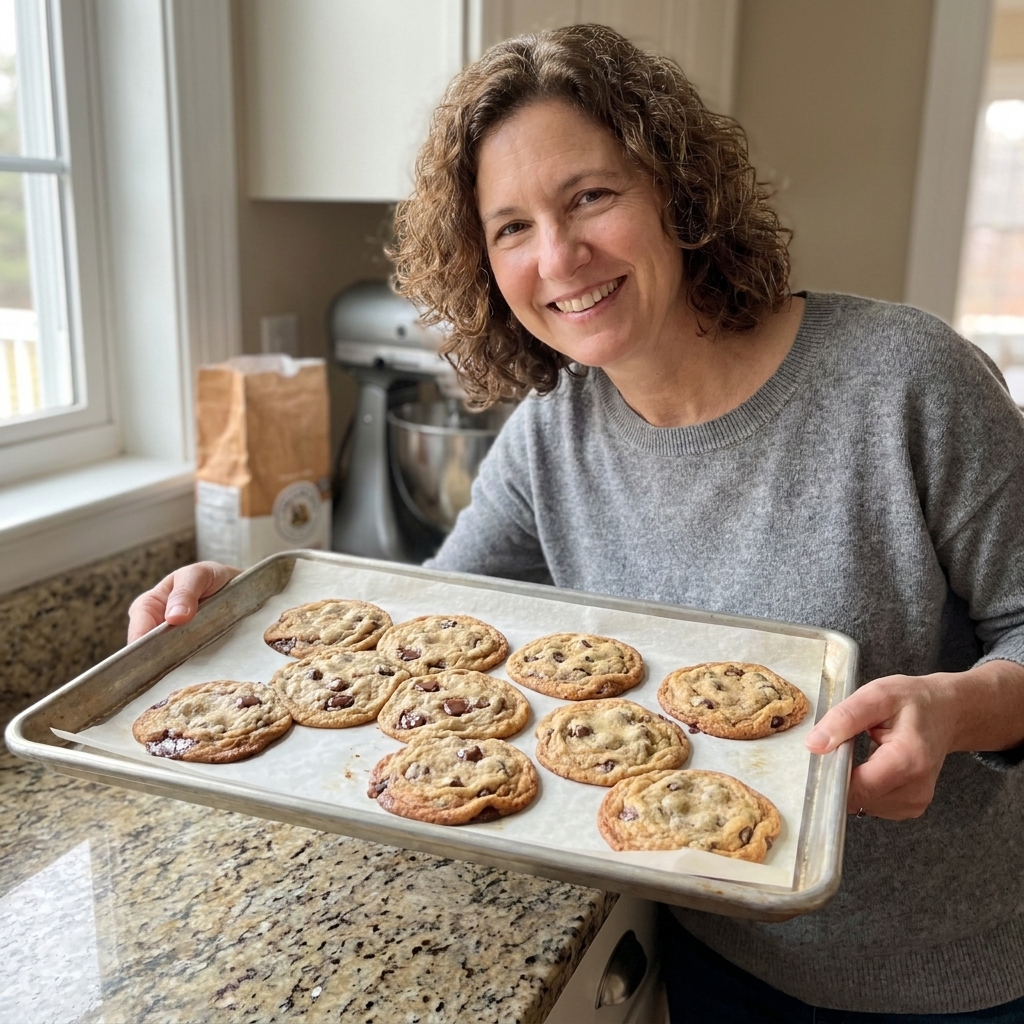
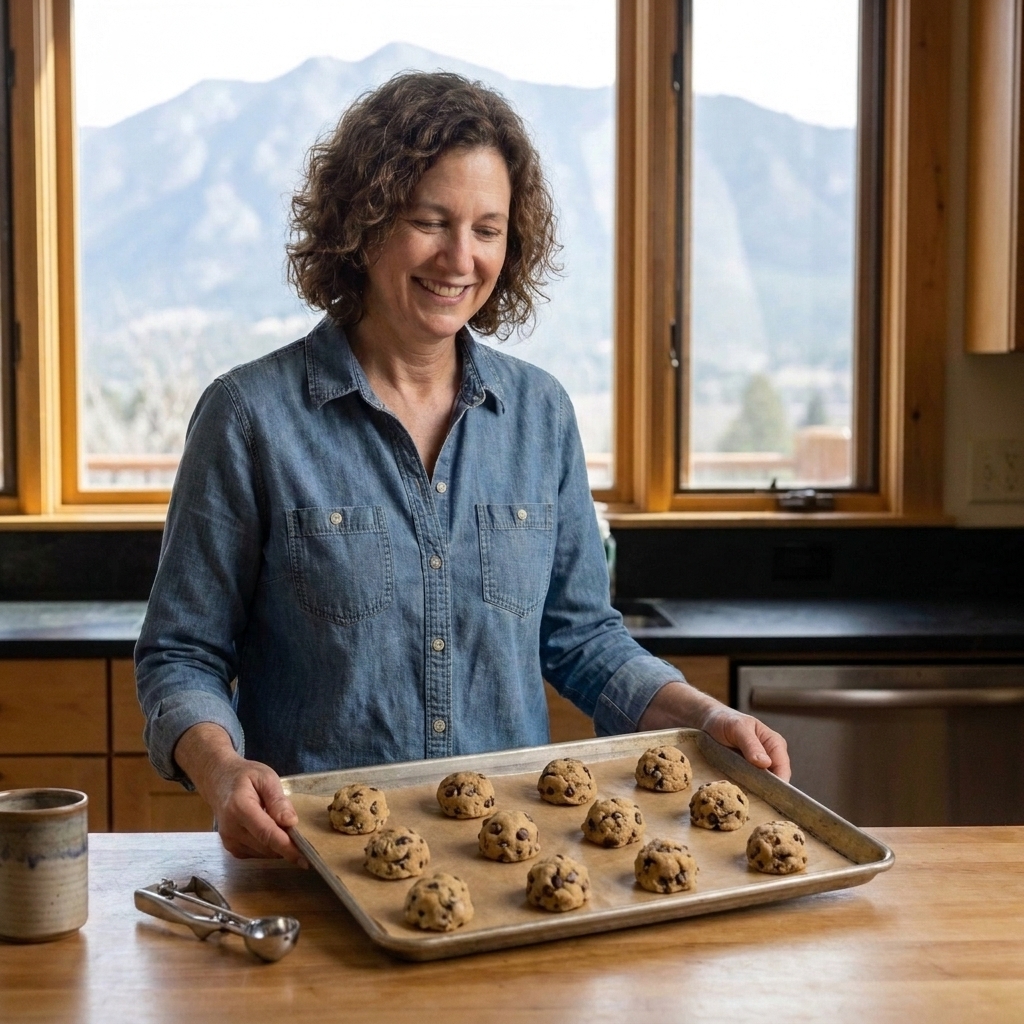
Cookies are my love language, but they are also the first thing to throw a tantrum at altitude. Here are the most common symptoms and the fixes that work fastest.
Problem: cookies spread too much
- Reduce baking soda or baking powder slightly.
- Add 1 to 2 tablespoons flour.
- Reduce sugar by 1 to 2 tablespoons per cup.
- Chill dough 30 to 60 minutes so the fat is cold going into the oven.
Problem: cookies are dry and crumbly
- Add 1 to 2 tablespoons liquid or add an extra egg yolk.
- Do not overbake. Pull them when centers still look slightly underdone.
- Consider increasing brown sugar slightly (or swapping a small portion from white to brown).
Problem: cookies puff, then collapse or wrinkle oddly
- Reduce leavening.
- Increase oven temp by 15 to 25°F to set structure sooner.
- Make sure your baking soda and powder are fresh. Old leaveners usually weaken over time, but freshness still matters for predictable results.
Bar fixes
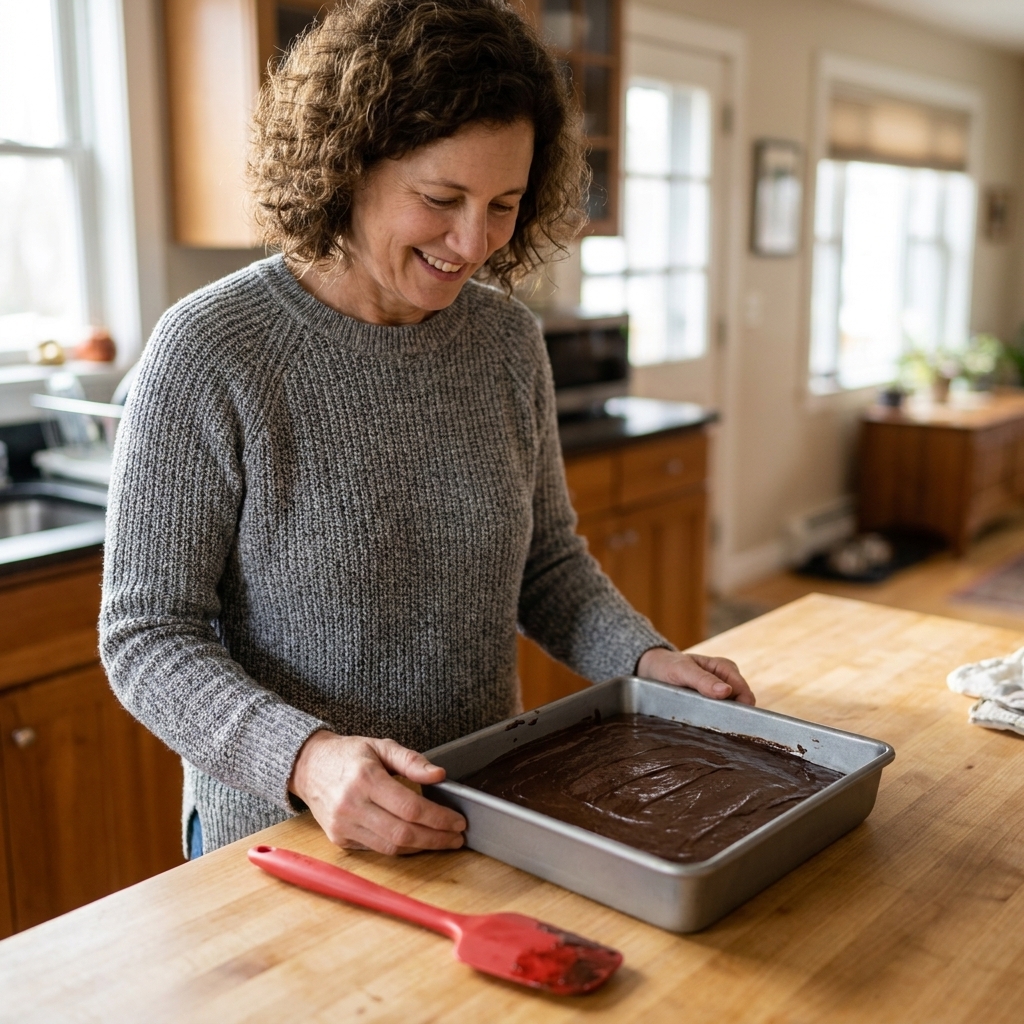
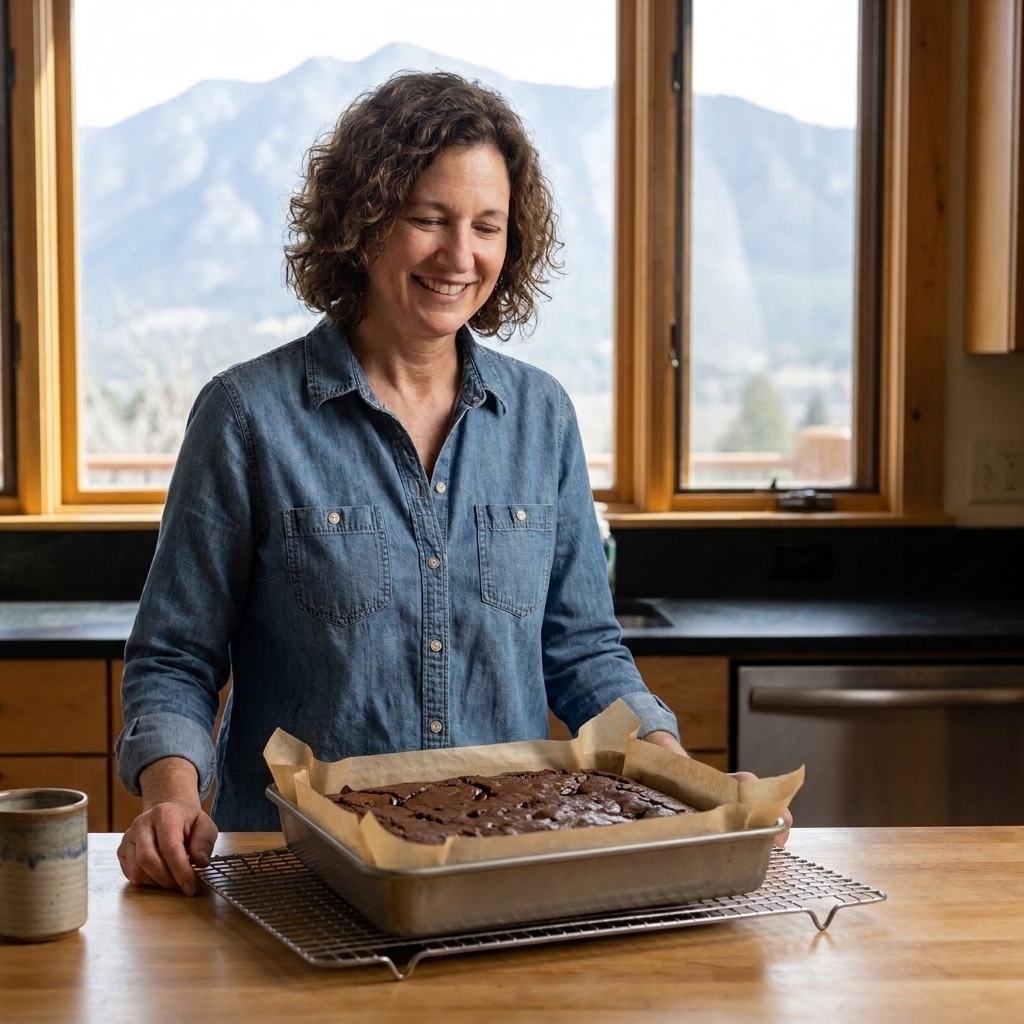
Bars are usually more stable than cookies, but at altitude they can still dry out, over-brown, or sink in the middle. Here is how I troubleshoot them.
Problem: bars sink in the center
- If the recipe includes baking powder or baking soda, reduce it first.
- Increase oven temp slightly so the center sets sooner.
- Avoid over-aerating the batter unless the recipe specifically calls for vigorous whipping. Too much trapped air can expand quickly at altitude and then collapse.
Problem: bars are dry or crumbly
- Add 1 to 3 tablespoons liquid, or add one extra egg yolk.
- Use a light metal pan and line it with parchment to avoid over-baking edges.
- Pull the pan when the center is set but still looks a touch soft. Residual heat finishes the job.
Problem: edges over-brown before the center bakes
- Use a lighter pan or insulate the pan by placing it on a second baking sheet.
- Lower the oven temp by 15 to 25°F and bake a little longer.
- Position the rack in the center of the oven and avoid convection if it is browning too fast.
My test-batch method
When I am adapting a cookie recipe for altitude, I do a mini test first:
- Mix the dough. Make one change at a time if possible (often leavening or moisture first).
- Bake 2 to 4 cookies. Keep the rest of the dough chilled.
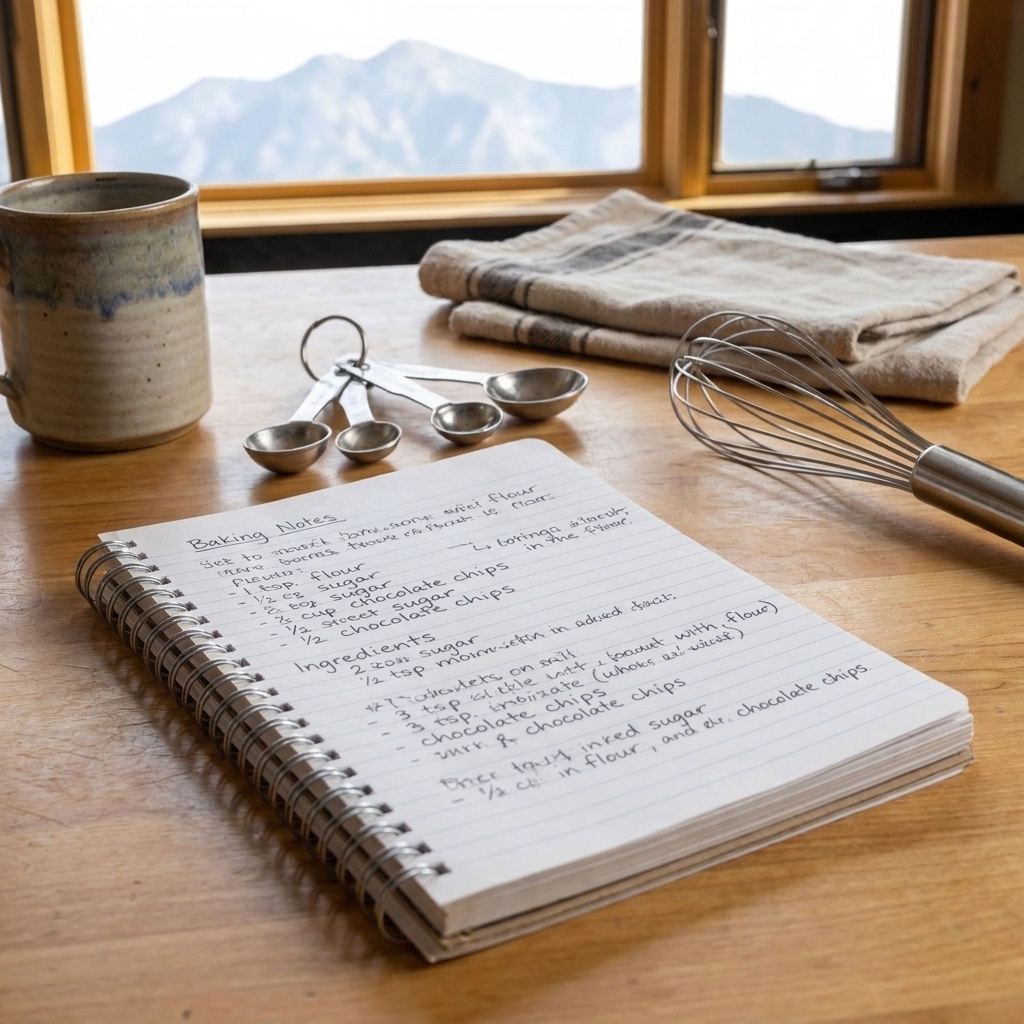
- Take notes. Spread, color, texture at 10 minutes and after cooling.
- Adjust. Then bake the rest with confidence.
For bars, you can still do a test, just smaller. Bake in a loaf pan or an 8x8 if the recipe is written for a 9x13. Bake time changes, but the structure and moisture clues are still helpful.
FAQ
What counts as high altitude?
Most bakers start noticing changes around 3,000 feet. Between 5,000 and 7,000 feet, adjustments become much more consistent, especially for cookies that spread and bars that sink.
Do I always need to adjust recipes?
Not always. If your cookies already bake up thick and chewy, you may only need to reduce leavening a bit or chill the dough. But if you see extra spread, dryness, or collapsing, it is time to adjust.
Why are my cookies dry even when I do not overbake?
Moisture evaporates faster at elevation, so dough can lose water quickly while baking. Add a small amount of liquid or an extra egg yolk, and pull cookies when the centers still look slightly underdone.
Should I change flour or leavening first?
For bars that sink, start with leavening if the recipe uses it. For cookies that spread, I typically reduce leavening and consider a small flour increase. If the problem is dryness, focus on moisture first.
Does chilling dough help?
Yes. Chilling slows spread by keeping butter cold longer and gives flour time to hydrate. It is one of the easiest high-altitude fixes for drop cookies.
Quick takeaway
If you only remember three things, make it these:
- Reduce leavening a bit (when the recipe uses it) so cookies and bars do not over-expand and collapse.
- Add a touch of moisture (liquid or an extra yolk) to fight dryness.
- Help structure set sooner with a small flour bump, a slightly higher oven temp, or both.
And if you want my most neighborly, real-life advice: when you nail a high-altitude version of your favorite cookie, write the changes right on the recipe. Future-you will feel like a genius.