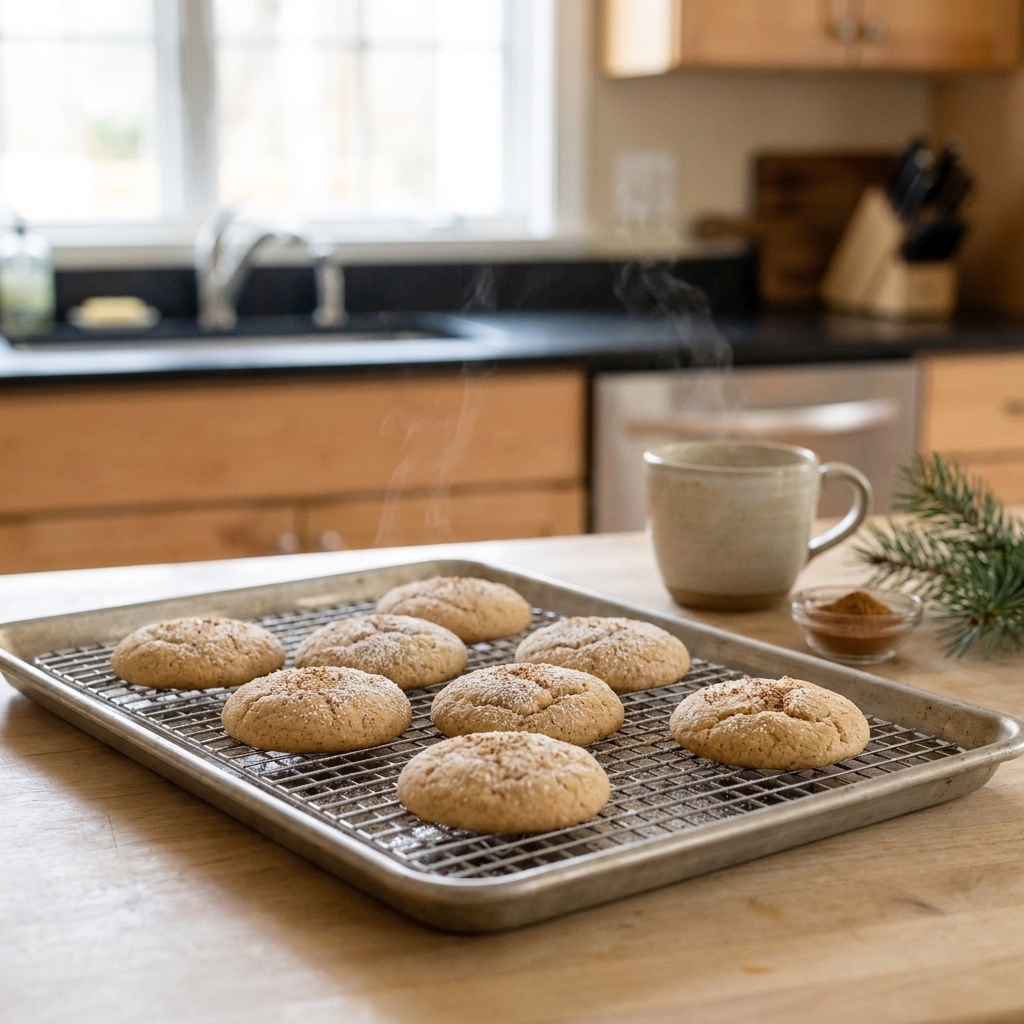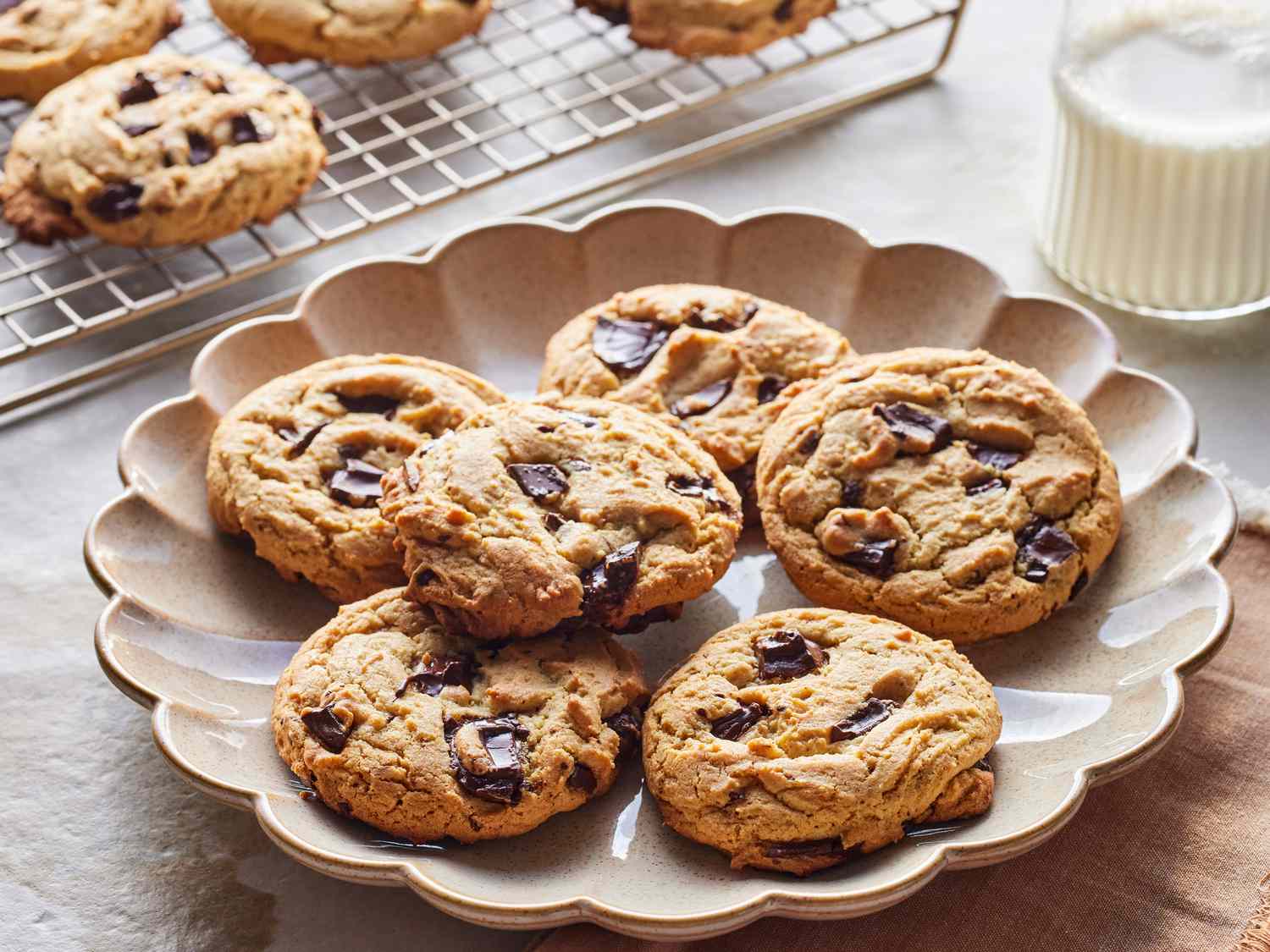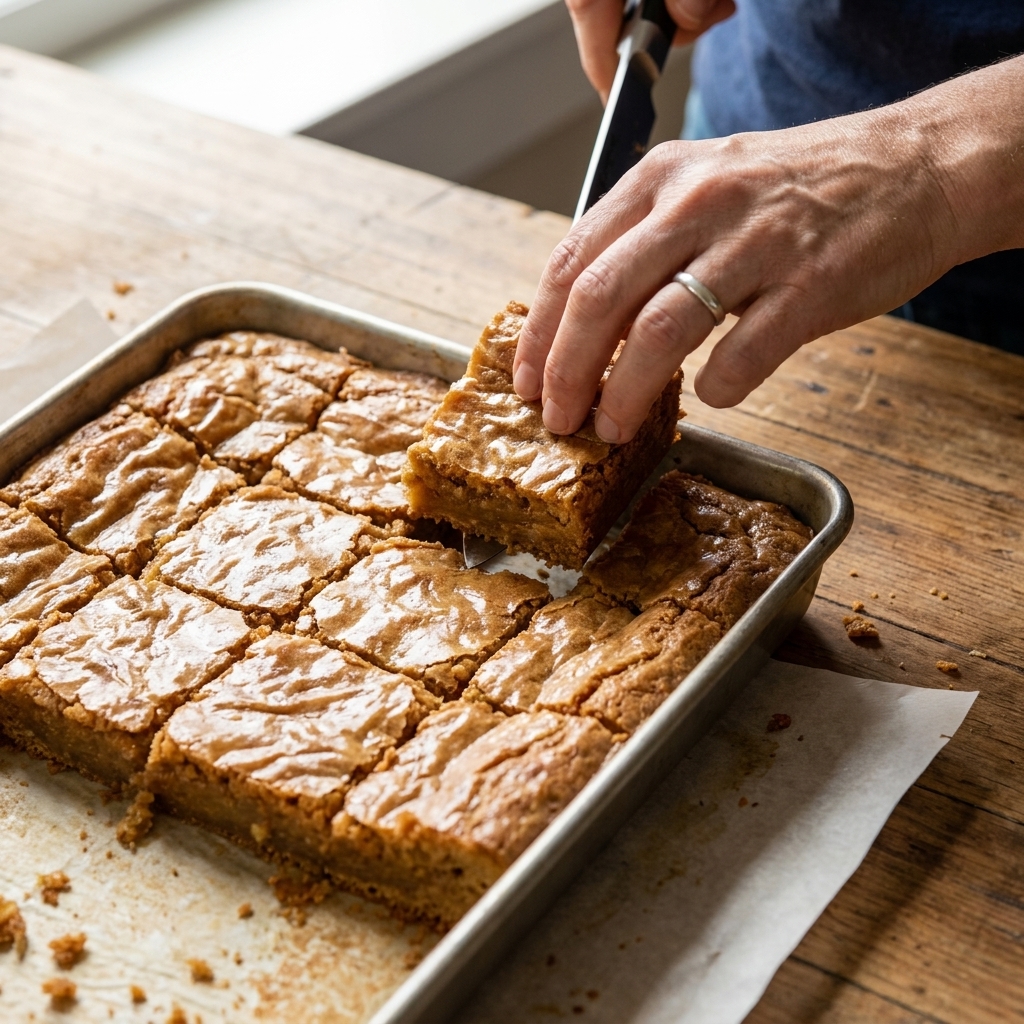
Every December I get the same itch: I want my usual standby cookie doughs to taste like the holidays without turning into puffy, cakey little disappointments. Eggnog and winter spices are my favorite shortcut to that cozy, bakery-case flavor, but they can also be sneaky. Eggnog is not “just milk.” Depending on the brand (or if it is homemade), it can be thicker or thinner, sweeter or less sweet, and it is often higher in sugar and fat than plain milk. Some versions include egg yolk or egg solids, and some rely more on stabilizers than actual egg. Either way, it changes your dough’s hydration and spread.
Below is exactly how I fold eggnog and spices into cookie and bar recipes while keeping the textures we love: chewy centers, crisp edges, and that soft, fudgy bite in brownie-style bars.
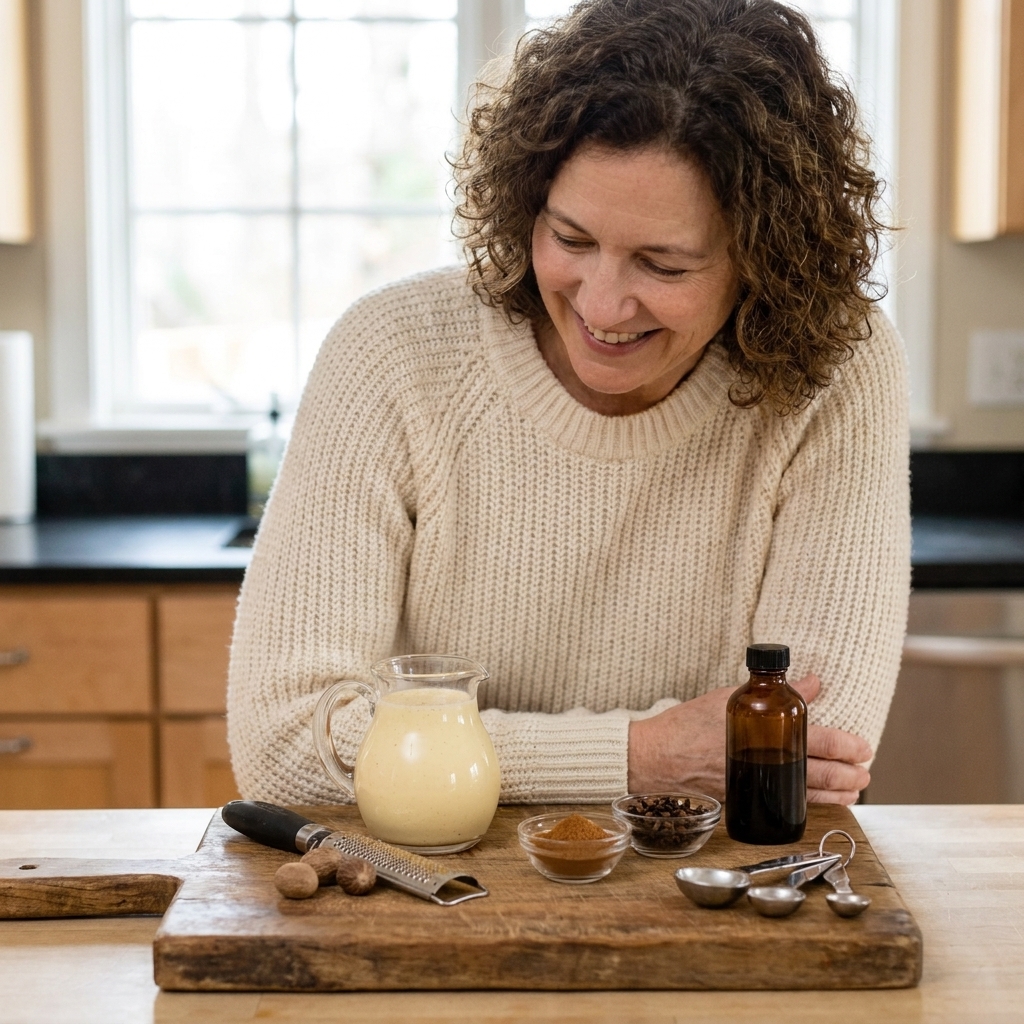
Know what eggnog does
Eggnog brings three big things to the party, and each one affects texture. The exact mix varies by brand, which is why small tweaks beat big swaps.
- Water: adds moisture, which can make dough softer and more prone to spreading.
- Sugar: many store-bought eggnogs are sweetened, which can increase browning and spread.
- Fat and emulsifiers: cream (and sometimes egg yolk/solids) boosts richness, but can make dough feel looser while mixing.
That is why the best approach is usually small amounts + smart swaps, not a full “replace all milk with eggnog and hope.”
Safe eggnog swaps
Rule of thumb: start with 1 to 3 tablespoons
For most drop cookie doughs, 1 to 2 tablespoons of eggnog gives noticeable flavor without turning the dough into batter. For thicker doughs or bar batters, you can often go to 3 tablespoons.
If you want more eggnog flavor than that, use a combo: a little eggnog plus nutmeg and vanilla (and sometimes a tiny splash of rum extract). Your texture stays on track and the flavor still reads “eggnog.”
What to replace
Use eggnog to replace a liquid that is already in the recipe whenever possible.
- If your recipe uses milk or cream: replace it 1:1 with eggnog. If your eggnog is very sweet, consider a small sugar reduction (see below).
- If your recipe has no liquid: add eggnog in very small amounts (1 to 2 tablespoons). Then balance it with a little extra flour if needed.
- If your recipe already runs soft or spreads a lot: treat eggnog like a flavoring, not a true liquid. Use 1 tablespoon max and rely on spices and extracts for the rest.
Homemade vs store-bought
- Store-bought: often sweeter, and sometimes thickened with gums or starches. Start low (1 tablespoon), then adjust after you see the dough texture.
- Homemade: often tastes richer and less “sweet-per-ounce,” so you may be able to use a touch more for flavor without making the dough taste like straight sugar. Still, the moisture is real, so increase gradually.
Quick sugar adjustment (use as a starting point)
Eggnog sweetness varies a lot, so think of this as a starting point, not a law. Sugar affects spread differently depending on your recipe (brown vs white sugar, creaming method, total hydration), so always let the dough texture be the final judge.
- For each 1/4 cup eggnog added: start by reducing granulated sugar by about 1 tablespoon.
- For 1 to 2 tablespoons eggnog: you usually do not need to change sugar at all.
If you are working with a bar recipe that is already very sweet (think blondies with white chocolate chips), reducing sugar even a little can keep the flavor balanced and prevent an overly soft, bendy center.
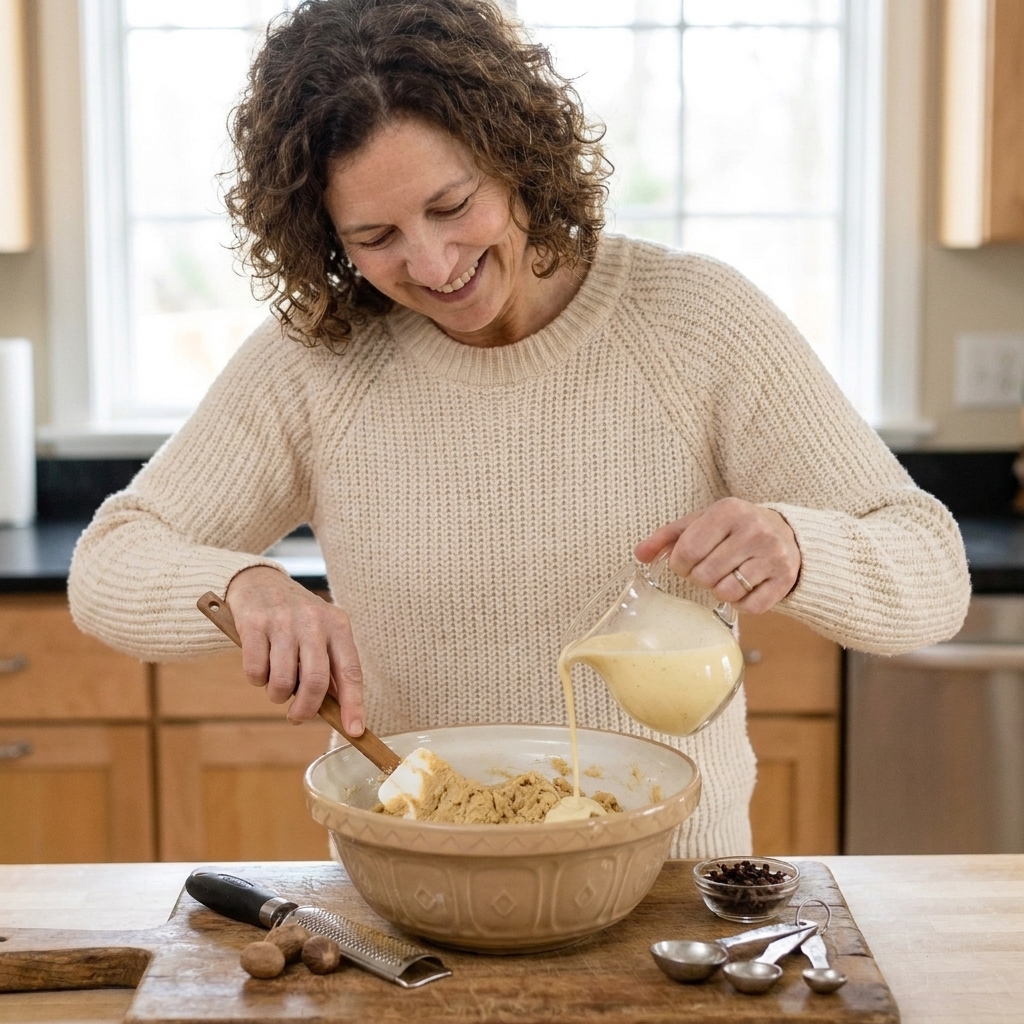
Eggnog by dough type
When I say “standard batch” below, I mean a dough made with about 2 1/4 to 2 1/2 cups flour that yields roughly 24 to 30 cookies.
Drop cookies
These doughs can handle a touch of eggnog beautifully, but they are also easy to over-soften.
- Add: 1 to 2 tablespoons eggnog per standard batch.
- If the dough looks glossy or slack: chill 30 minutes, then reassess. If it is still loose, add 1 to 2 tablespoons flour and chill 30 to 60 minutes. (Too much flour can mute flavor and dry the cookie, so sneak up on it.)
- Flavor boost: 1/4 teaspoon freshly grated nutmeg plus 1/2 teaspoon vanilla.
Cut-out sugar cookies
Cut-outs are picky because we need clean edges. Eggnog can work, but you have to keep the dough firm.
- Best method: replace part of the egg or milk already in the recipe, rather than adding extra liquid.
- Typical add-in: 1 tablespoon eggnog plus 1/2 teaspoon vanilla.
- Must-do: chill the dough thoroughly before rolling.
If your cut-out recipe has no added liquid, I would usually skip eggnog in the dough and use it in the glaze instead. You get the flavor and keep sharp shapes.
Soft, cake-leaning cookies
These are already moist. Eggnog can push them into “muffin top” territory if you are not careful.
- Add: 1 tablespoon max, or use eggnog extract if you have it.
- Spices are the hero here: focus on nutmeg and cinnamon more than adding extra liquid.
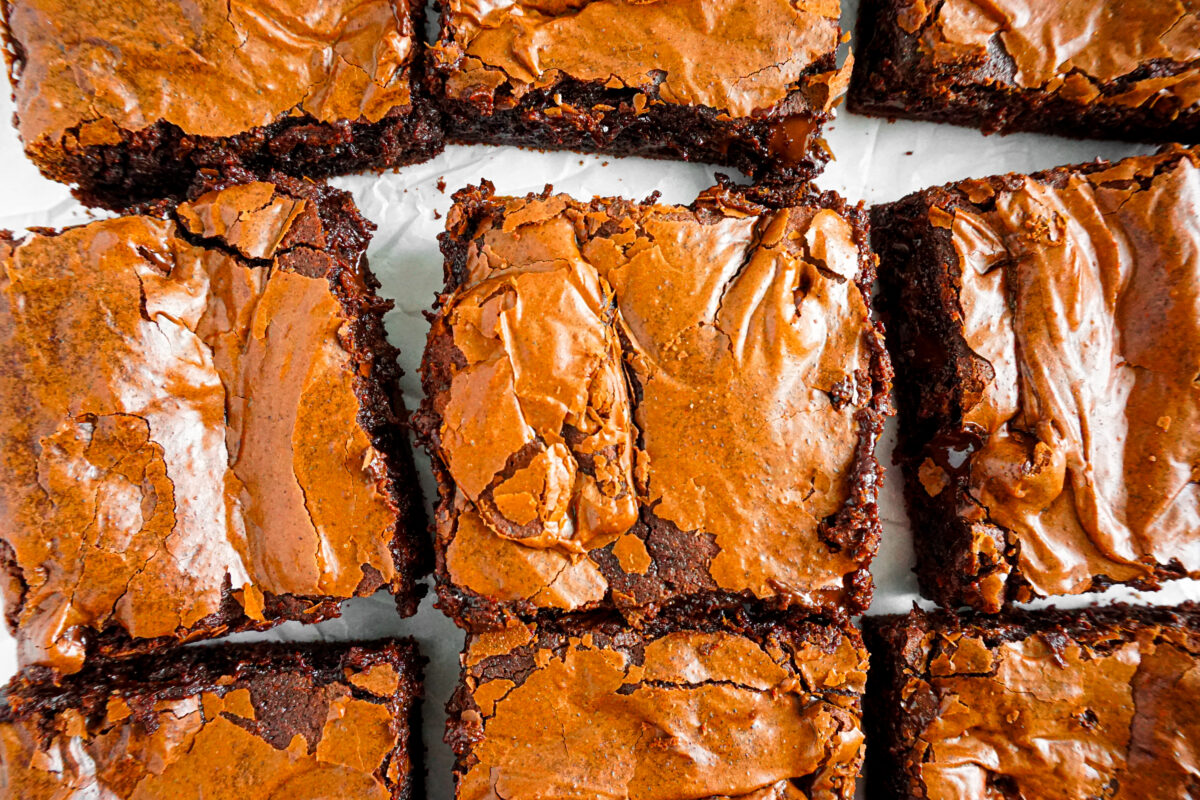
Brownies and fudgy bars
Fudge brownies do not like extra water. A little eggnog can work, but think teaspoon-to-tablespoon, not “let’s swap the dairy.”
- Add: 1 to 2 tablespoons eggnog, especially if the recipe includes a small amount of milk or coffee already.
- Best pairing: nutmeg + a tiny pinch of cloves for depth.
- Tip: eggnog flavor can get lost against dark cocoa. Consider adding 1/2 teaspoon rum or brandy extract (optional) to make the eggnog vibe pop.
Blondies and cookie bars
Blondies are where eggnog really shines because the base is buttery and vanilla-forward.
- Add: 2 to 3 tablespoons eggnog per 8x8 pan batch.
- If batter gets too loose: chill 15 to 20 minutes, then add 1 to 2 tablespoons flour if it still feels runny.
- Mix-ins that love eggnog: white chocolate, salted caramel bits, chopped pecans, or toffee.
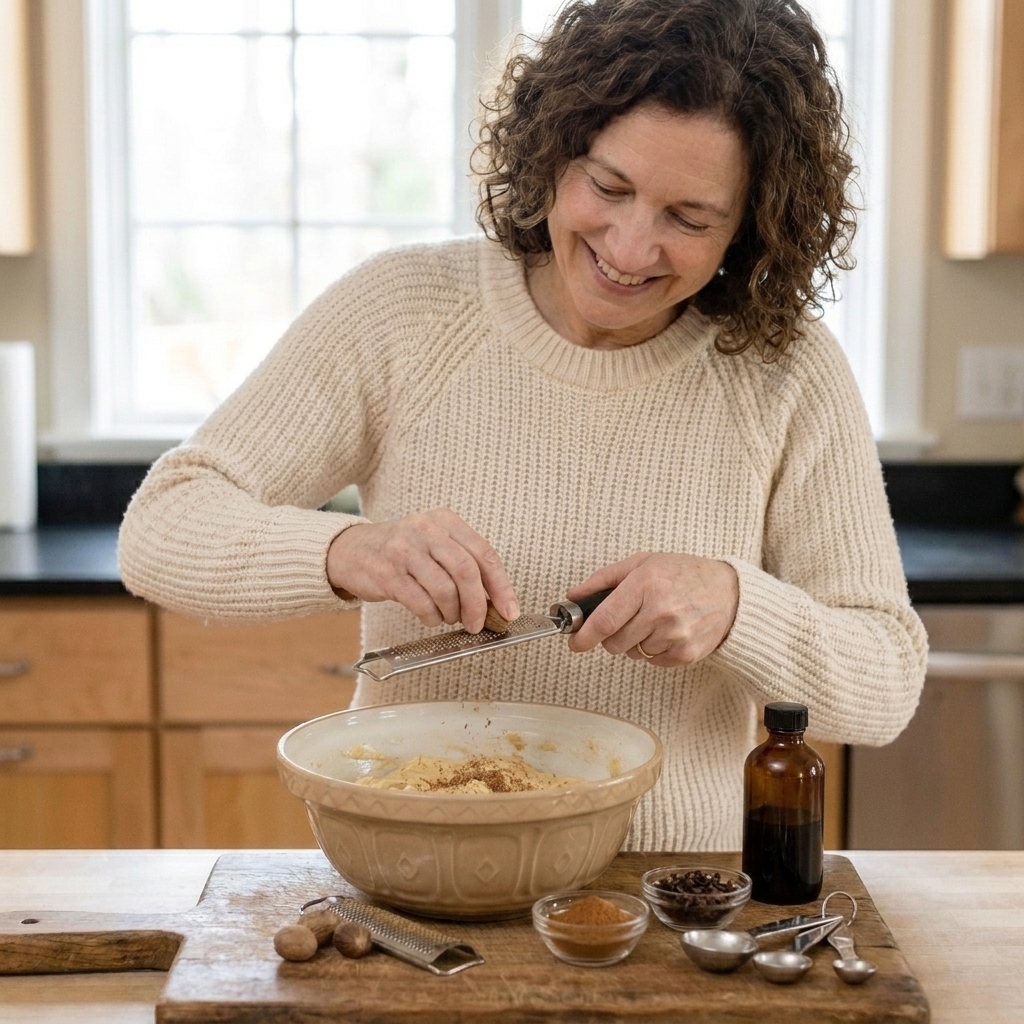
Spice balance
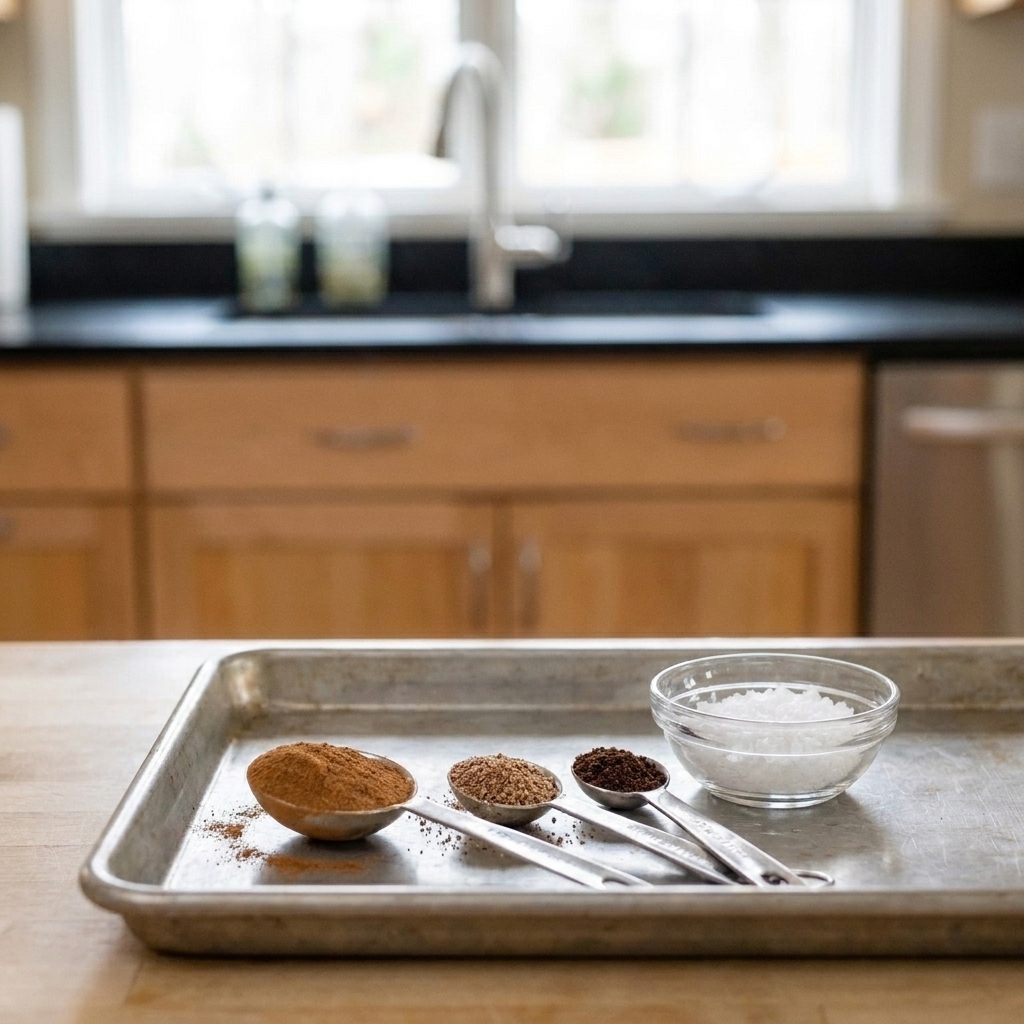
When people tell me their holiday cookies taste “spicy” in a bad way, it is almost always too much clove, or too much cinnamon without enough salt and vanilla to round it out. Here is how I build that classic eggnog spice profile.
My eggnog spice ratio
For a typical cookie dough batch (about 2 1/4 to 2 1/2 cups flour total), start here:
- Nutmeg: 1/4 teaspoon (up to 1/2 teaspoon if you love it)
- Cinnamon: 1/2 teaspoon
- Cloves: 1/16 to 1/8 teaspoon (a pinch, truly)
If you are working with an 8x8 pan of bars, you can usually use the same amounts, leaning slightly higher on cinnamon.
Fresh nutmeg helps
I am not fancy about much, but I am slightly opinionated about nutmeg. Freshly grated nutmeg tastes warmer and less dusty, and you need less of it. One whole nutmeg lasts a long time in the pantry, though it does slowly lose punch over the years.
Cloves: use a pinch
Cloves are powerful and can read medicinal fast. If you are unsure, leave them out and increase nutmeg slightly. You will still get that cozy holiday vibe.
Do not forget salt and vanilla
Spices taste more “cookie shop” and less “potpourri” when there is enough salt and vanilla. If your recipe is lightly salted, adding eggnog and spice is a great time to bump salt by a small pinch.
Add eggnog without overmixing
Eggnog is liquid, so it is tempting to keep mixing until everything looks perfectly uniform. The real toughness risk is overmixing after flour is in the bowl, because that is when gluten develops and cookies can turn bready.
- Whisk eggnog with vanilla (and any extracts) in a small cup.
- Add it with the egg or right after the egg, while the dough is still cohesive.
- Mix just until it disappears. You should not need more than 10 to 15 seconds on low.
- Fold in flour and dry mix-ins gently. Once the flour goes in, keep it brief and finish by hand with a spatula if you can.
Troubleshooting
Dough is too sticky to scoop
- Chill 45 to 60 minutes first. Eggnog doughs often firm up beautifully.
- If still sticky, mix in 1 tablespoon flour, chill again, and reassess.
Cookies spread too much
- Check butter temperature. If your butter was very soft, eggnog can push you over the edge.
- Chill the shaped dough balls 20 minutes before baking.
- Next time, reduce eggnog by 1 tablespoon, or add 1 to 2 tablespoons flour (but keep in mind too much flour can dull the flavor).
Cookies turned cakey
- Too much liquid or too much mixing. Next time, keep eggnog to 1 tablespoon and mix minimally once flour is added.
- Double-check leavening. Extra baking powder plus added liquid can create a cake-like lift.
Flavor is weak
- Increase nutmeg first, not cloves.
- Add 1/2 teaspoon rum or brandy extract (optional) or 1/4 teaspoon butter extract for that “eggnog” aroma.
- Use eggnog in the icing or glaze where it is front and center.
Easy upgrades
Eggnog glaze (low-risk, high reward)
If you want bold eggnog flavor with zero dough drama, glaze is the answer.
- Mix: powdered sugar + eggnog (start with 1 tablespoon at a time) + a splash of vanilla + pinch of nutmeg.
- Use on: sugar cookies, blondies, soft snickerdoodle-style cookies, or shortbread bars.
Eggnog sugar for rolling
Combine granulated sugar with a pinch of nutmeg and cinnamon. Roll cookie dough balls before baking for instant holiday sparkle and a warm spiced crust.
Eggnog-friendly mix-ins
- White chocolate chips
- Butterscotch chips (surprisingly great with nutmeg)
- Toasted pecans or walnuts
- Dried cranberries for a tangy pop

Example: one simple adaptation
Here is an easy, end-to-end way to do this if you are starting with a classic chocolate chip cookie recipe that has no added milk:
- Stir together 1 tablespoon eggnog, 1/2 teaspoon vanilla, and 1/4 teaspoon nutmeg.
- Add that mixture with the egg (or right after).
- Mix just until combined, then add flour and mix briefly.
- Chill the dough 45 minutes, then bake 2 test cookies. If they spread too much, chill longer. If the dough still feels loose after chilling, add 1 tablespoon flour and chill again.
Quick reference
| Base dough | Eggnog amount to start | Spice starting point | Best safety step |
|---|---|---|---|
| Drop cookies | 1 to 2 tbsp | 1/4 tsp nutmeg + 1/2 tsp cinnamon + pinch cloves | Chill dough if soft |
| Cut-out sugar cookies | 1 tbsp (or replace an existing liquid) | 1/4 tsp nutmeg + 1/4 to 1/2 tsp cinnamon | Chill before rolling |
| Fudgy brownies | 1 to 2 tbsp | 1/4 tsp nutmeg + pinch cloves | Do not overmix after flour |
| Blondies and cookie bars | 2 to 3 tbsp | 1/4 to 1/2 tsp nutmeg + 1/2 tsp cinnamon | Chill, then add flour if loose |
FAQ
Can I replace all the milk with eggnog?
If the recipe uses a small amount of milk (a few tablespoons), usually yes, 1:1. If it uses a larger amount, you may need to reduce sugar slightly and expect a softer dough. When in doubt, replace only half the milk with eggnog the first time.
What about dairy-free eggnog?
Dairy-free eggnog works, but it varies a lot by brand. Some are thinner and sweeter. Start with smaller amounts, and be ready to chill the dough or add a spoonful of flour if the dough loosens.
Do I need to adjust eggs if I add eggnog?
Not for 1 to 2 tablespoons. If you are adding 1/4 cup or more, you are changing the liquid balance enough that it is worth choosing a recipe that already includes a liquid, or reducing another liquid ingredient rather than tinkering with eggs.
How do I keep the spices from tasting harsh?
Use less clove than you think, do not skip salt, and consider fresh nutmeg. Also, let the dough rest in the fridge for 30 minutes. That little break gives the spices time to bloom.
Any quick safety note?
Eggnog usually contains dairy and egg. If you are making homemade eggnog with raw eggs, use pasteurized eggs or a cooked eggnog base, especially if serving kids, pregnant guests, or anyone immunocompromised.
My biggest tip
If you are adapting a treasured family cookie, bake a “mini batch” test. Make half the dough, add 1 tablespoon eggnog, and bake 2 cookies right away. If they spread too much, chill the dough and bake 2 more. That tiny experiment saves the whole batch and teaches you exactly how your favorite recipe behaves.
Once you nail your eggnog and spice balance, write it right on the recipe printout. Future-you in December will be very grateful.