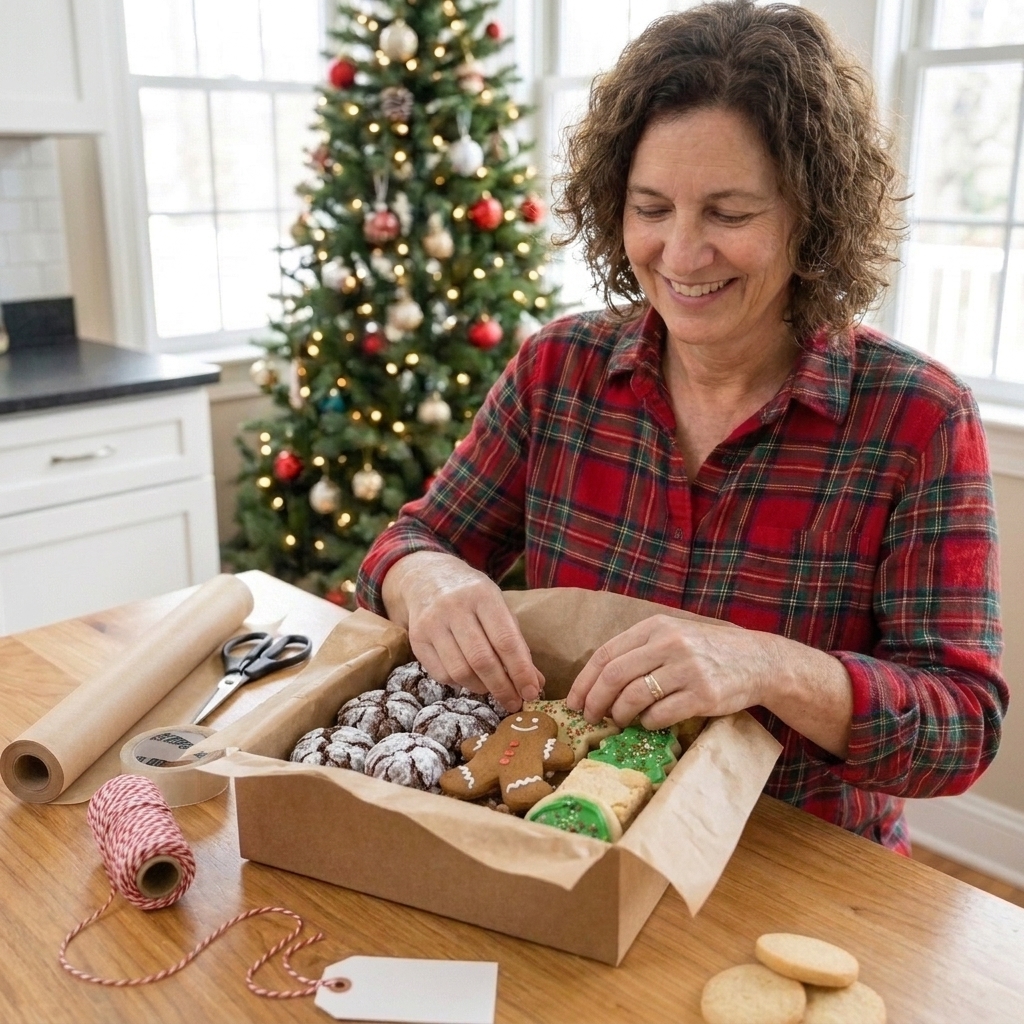
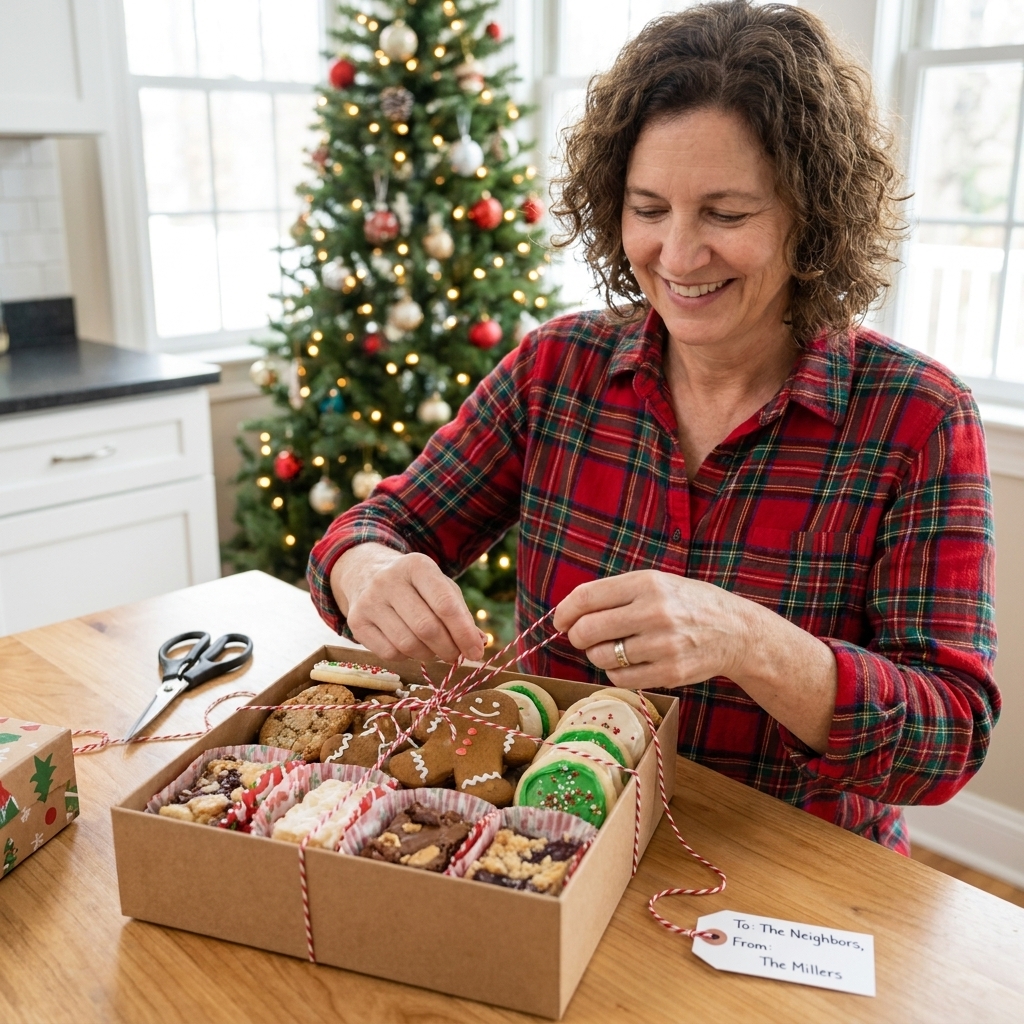
There is something magical about handing someone a box of homemade Christmas cookies. It is comfort, nostalgia, and a little bit of bragging rights all wrapped up in parchment paper.
But if you have ever opened a gifted cookie box to find peppermint bark stuck to a sugar cookie, crisp cookies mysteriously soft, or half the box crumbled into holiday gravel, you already know the hard truth: a cookie box is only as good as its packing plan.
I have hosted enough neighborhood cookie exchanges to learn what holds up, what turns sad overnight, and what needs its own little bubble of space. Below is my go-to method for building a Christmas cookie box that looks gorgeous and actually stays fresh during transit.
Start with the rule: separate textures
If you remember only one thing, make it this: crisp cookies and soft cookies cannot cuddle. Moisture migrates, and textures try to equalize. Crisp cookies can soften, and soft cookies can firm up or dry out around the edges when they are packed together.
So when you plan your box, think in “texture lanes” and pack those lanes with a barrier between them.
- Crisp lane: shortbread, gingersnaps, biscotti, thin lace cookies
- Chewy lane: chocolate chip, molasses crinkles, oatmeal cookies
- Fudgy lane: brownies, dense bars, truffles (these need extra protection)
- Delicate lane: thumbprints, sandwich cookies, meringues (pack like they are made of glass)
Pick a balanced lineup
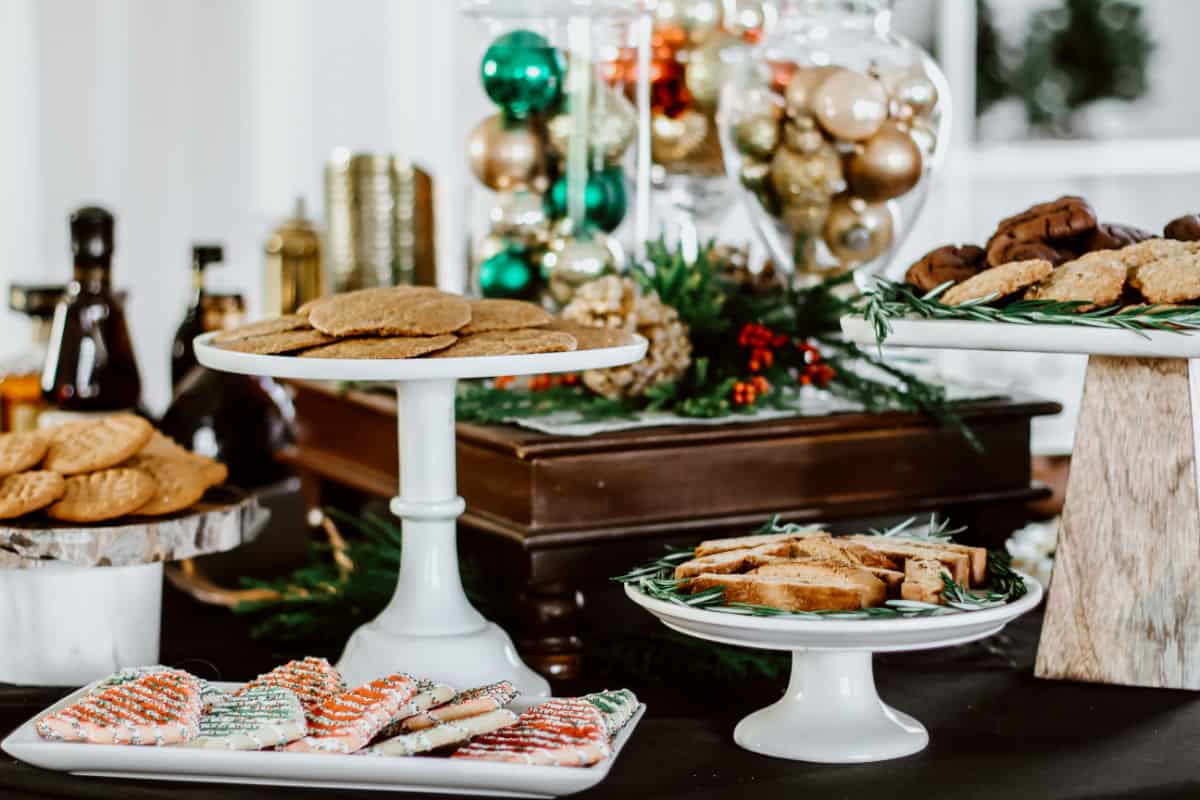
A great cookie box feels intentional, not random. I aim for 5 to 7 varieties with different flavors, colors, and textures, but not so many that baking becomes an all-weekend marathon.
My “perfect mix” formula
- 1 chocolate classic: chewy chocolate chip, double chocolate crinkles, or brownie bites
- 1 holiday spice: gingerbread, gingersnaps, or molasses cookies
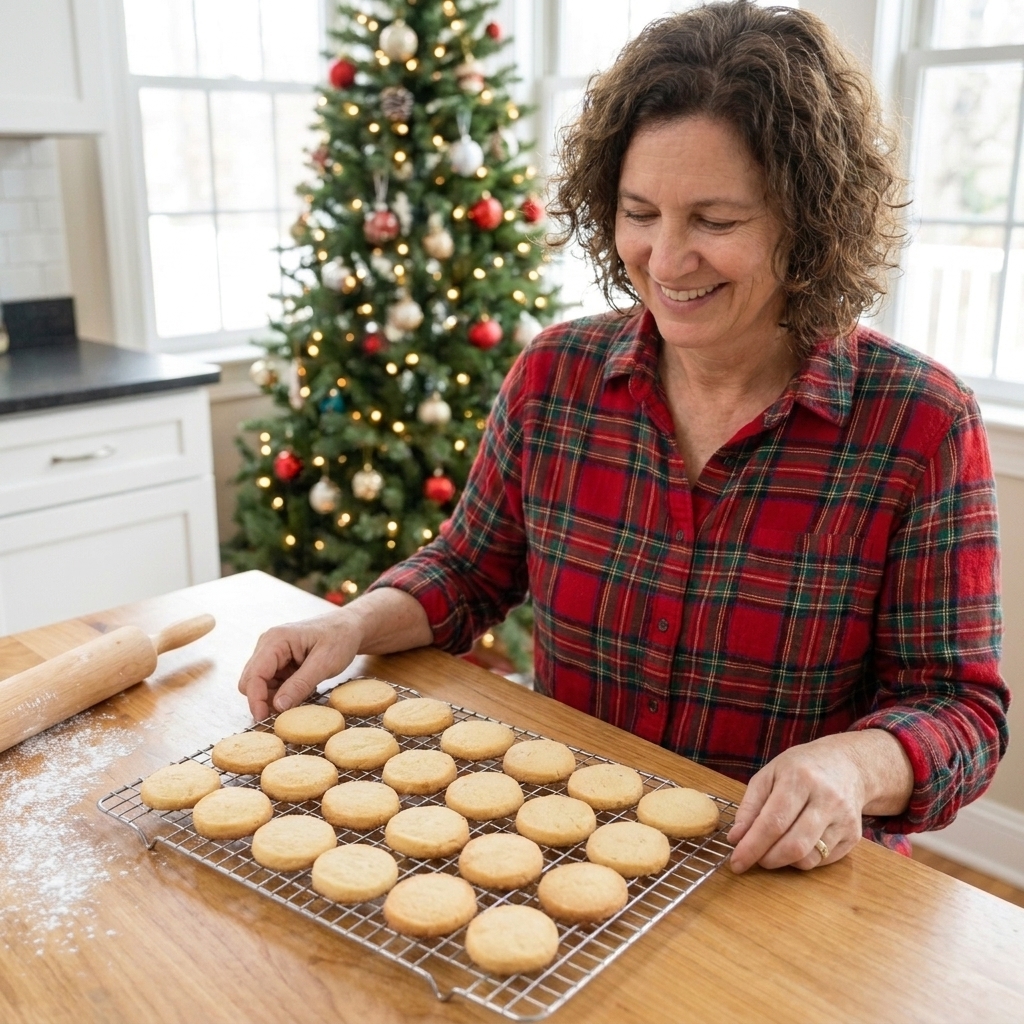
- 1 buttery crisp: shortbread, spritz, or dipped biscotti
- 1 festive pop of color: frosted sugar cookies, sprinkle-studded blondies, peppermint cookies
- 1 fruity or jammy option: linzers, thumbprints, cranberry bars
- Optional “wow” piece: peppermint bark, caramel stuffed cookies, dipped pretzels (pack separately)
For gifting, I also like including at least one bar cookie. Bars stack beautifully and feel generous, but choose the right kind for travel.
Cookies and bars that travel well
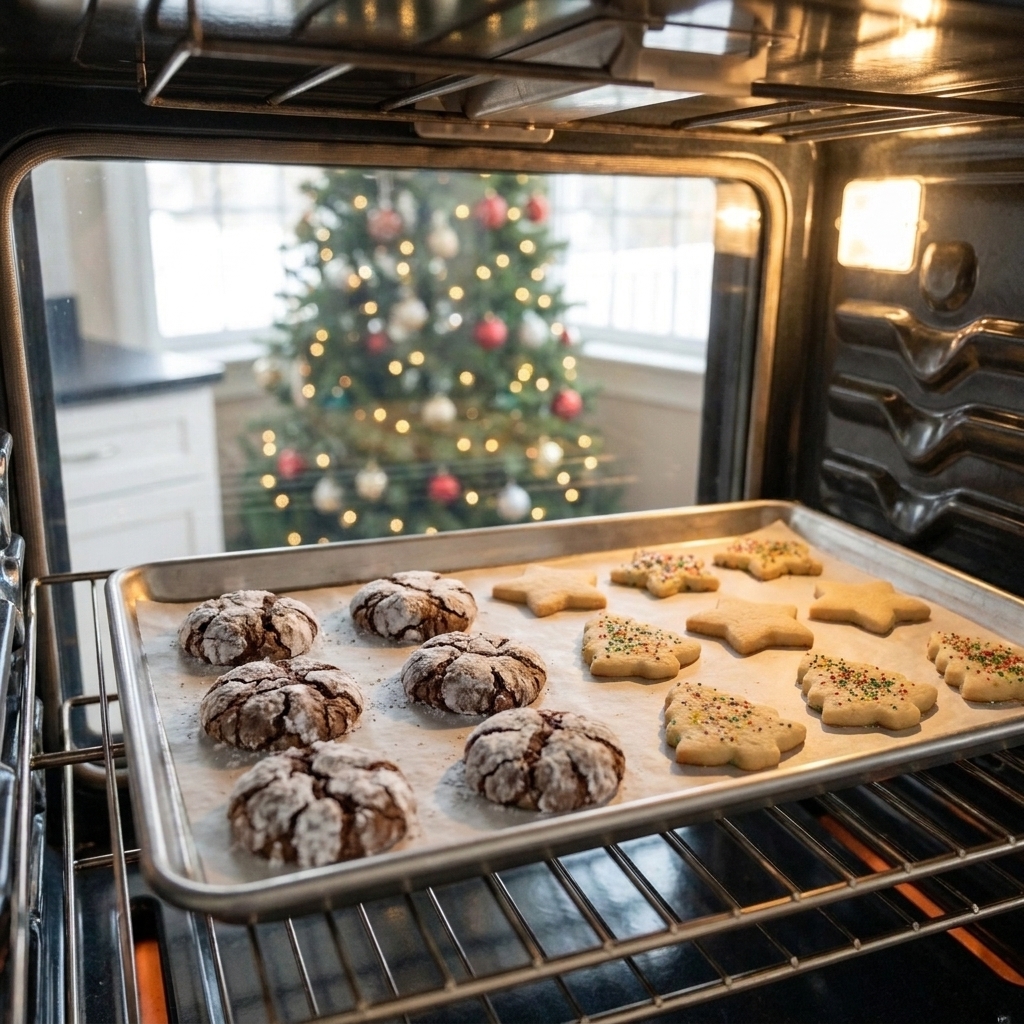
- Cutout sugar cookies (unfrosted or fully set icing): sturdy and stackable
- Shortbread and spritz: crisp and stable when packed dry
- Molasses crinkles: stay chewy for days
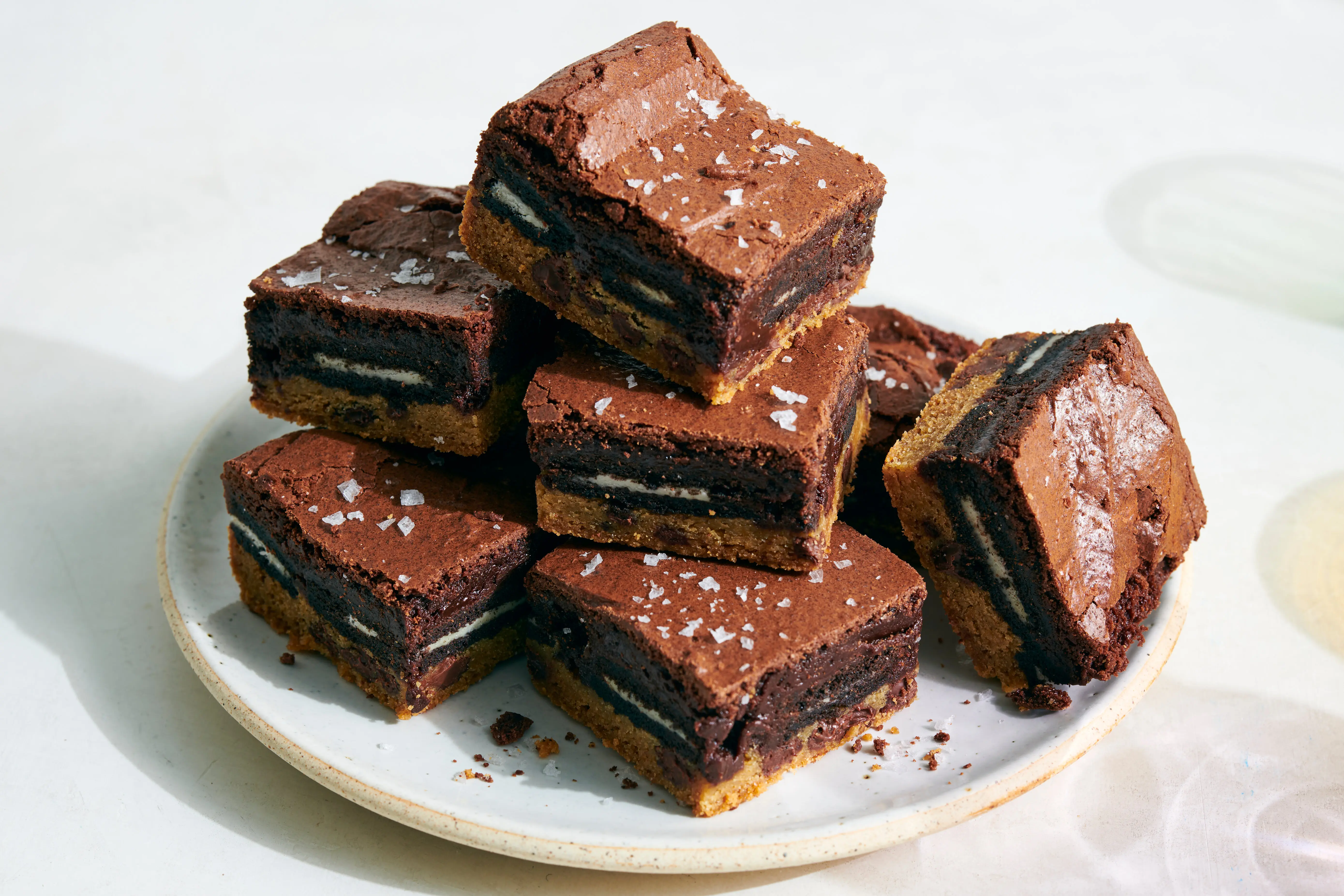
- Brownies and dense bars: hold moisture and slice clean (once fully cooled)
- Rugelach: surprisingly sturdy if baked until set
Save these for close-to-home gifting
- Anything gooey: caramel drizzle, soft marshmallow tops, underbaked centers
- Whipped frosting: needs refrigeration and gets smudgy
- Meringues: hate humidity and shatter easily
- Very delicate sandwich cookies: can slide and crack unless carefully packaged
Make-ahead planning
The secret to a calm cookie-box week is doing the messy work early: mixing, scooping, chilling, and freezing dough. Freshness comes from baking closer to packing day, not from trying to bake twelve varieties in one day.
My cookie box timeline
2 to 3 weeks before
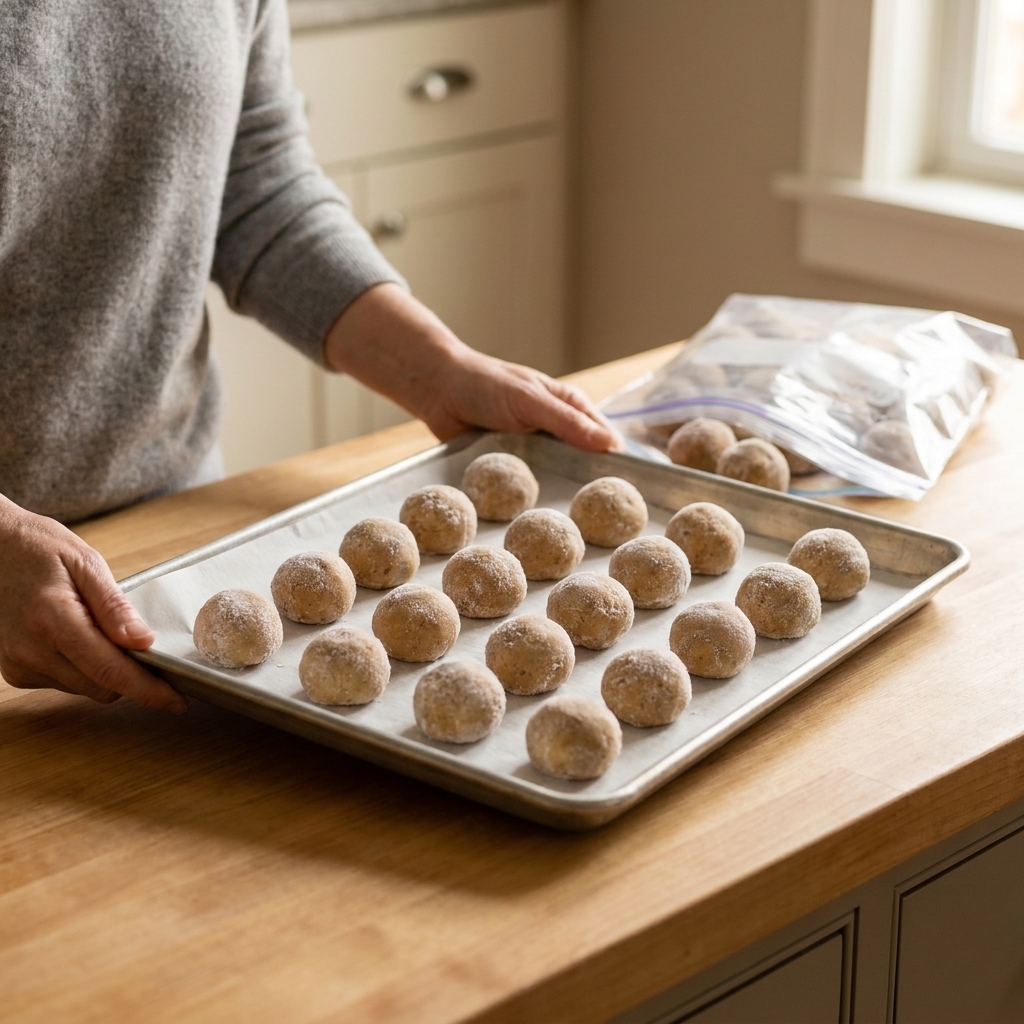
- Make and freeze cookie dough portions (scooped dough balls freeze best)
- Make and freeze bar bases that freeze well (brownies, blondies)
- Order boxes, parchment, bakery tissue, cellophane bags, labels
5 to 3 days before gifting
- Bake crisp cookies first (shortbread, biscotti) so they fully dry and crisp up
- Bake chewy cookies next
- Bake bars, cool completely, then wrap airtight
1 to 2 days before gifting
- Decorate sugar cookies (icing needs time to set)
- Dip cookies in chocolate only if you can give it time to fully firm up
- Pack boxes once everything is 100% cool and set
Freezer tips for best texture
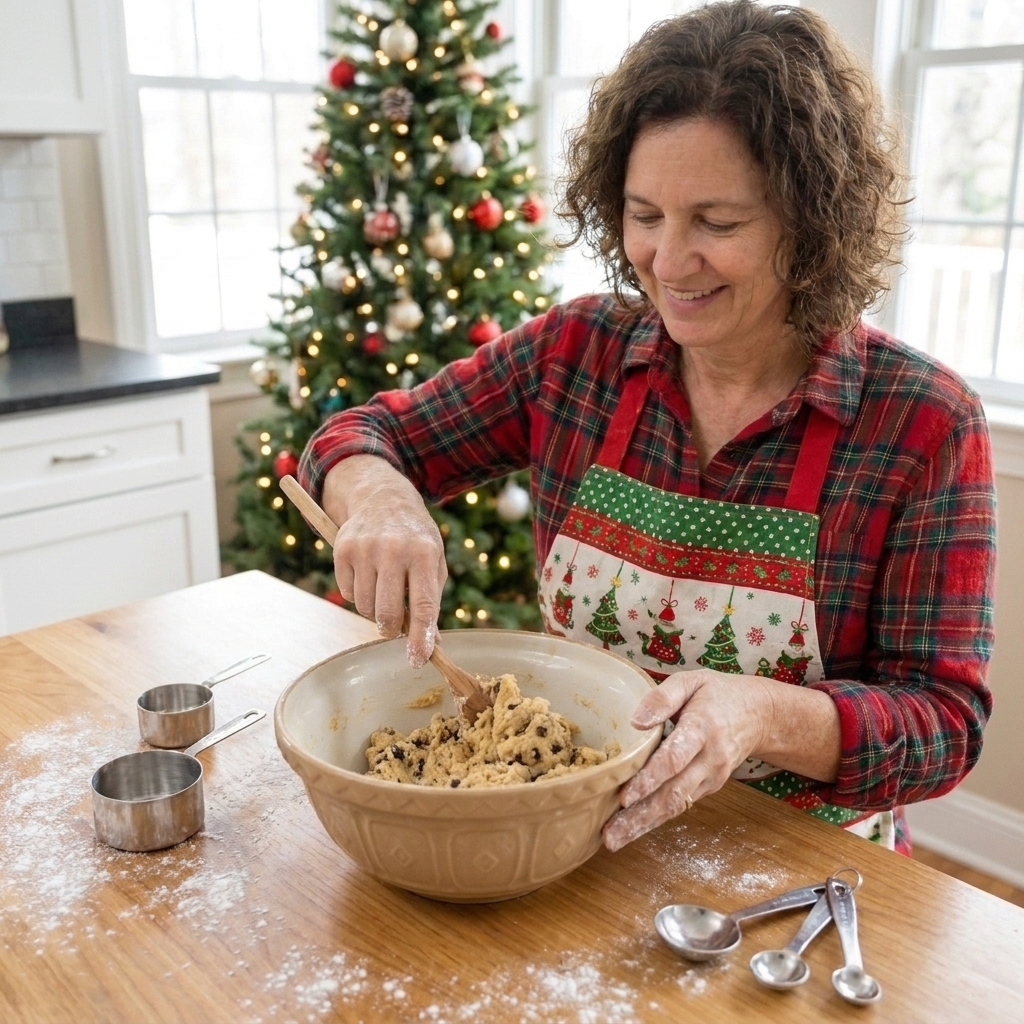
- Freeze dough in portions: scoop, chill, then freeze on a tray and store in bags.
- Freeze bars as slabs: wrap tightly, then slice after thawing for cleaner edges.
- Thaw sealed: let cookies thaw in their container so condensation forms on the outside, not on the cookie.
Choose packaging that protects
I love a pretty tin as much as anyone, but the best cookie box is built like a tiny shipping container. Think: snug, cushioned, and moisture-controlled.
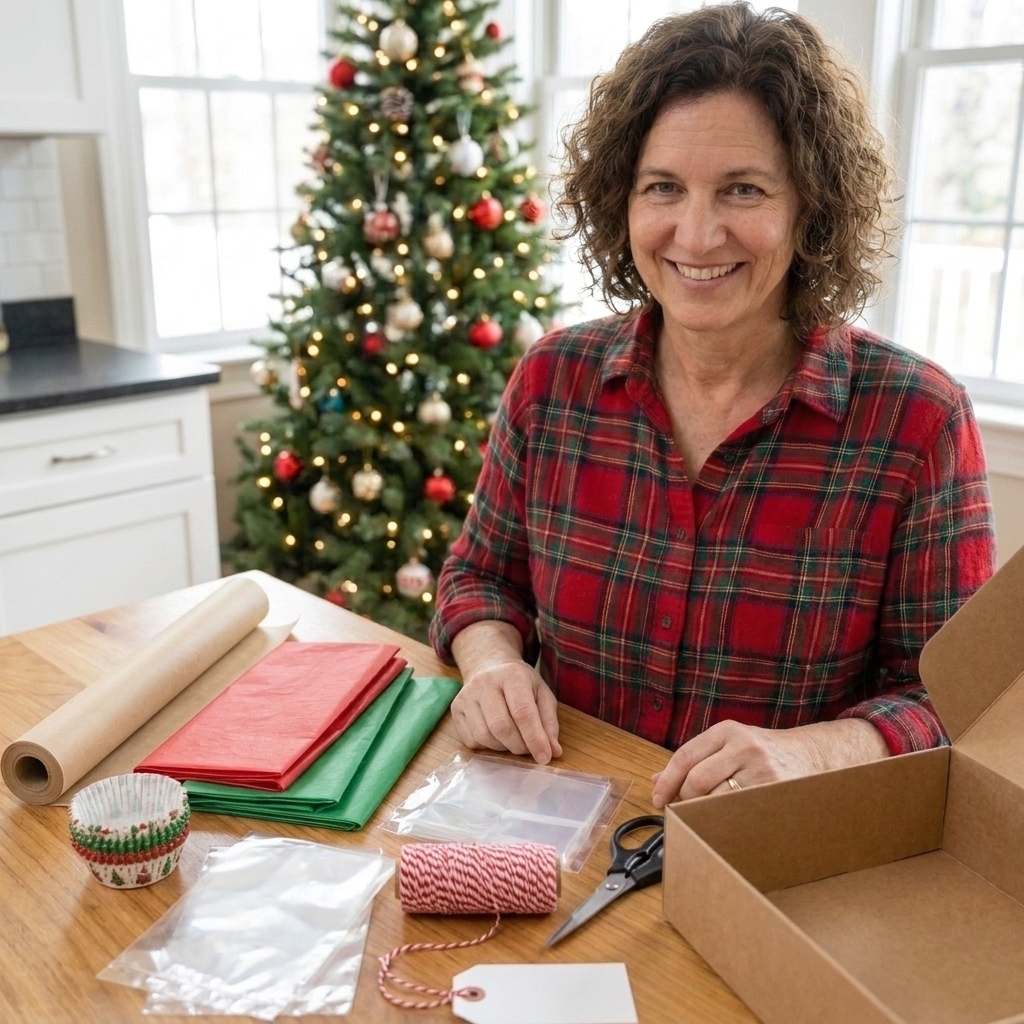
My favorite supplies
- Rigid gift box or cookie tin with a tight-fitting lid
- Parchment paper (liners and dividers)
- Bakery tissue for gentle cushioning
- Paper cupcake liners for individual cookies or small stacks
- Cellophane bags for separating flavors and textures
- Painter’s tape (secret weapon for securing parchment dividers in tins)
What size box should you use?
A common mistake is choosing a box that is too big. Cookies shift, edges chip, and powdered sugar ends up everywhere. Use a box that allows you to pack snugly with minimal movement.
- Small box: 3 to 4 varieties, 18 to 24 total pieces
- Medium box: 5 to 7 varieties, 30 to 45 total pieces
- Large box: only if you can create compartments (otherwise it becomes a cookie landslide)
How to pack a cookie box
This is my step-by-step method, and it has survived everything from cross-town delivery to mailed boxes in December.
Step 1: Cool and set completely
If anything is even slightly warm, trapped steam will soften crisp cookies and make icing tacky. I let cookies cool at room temperature, then give decorated cookies extra time until the icing is firm to the touch.
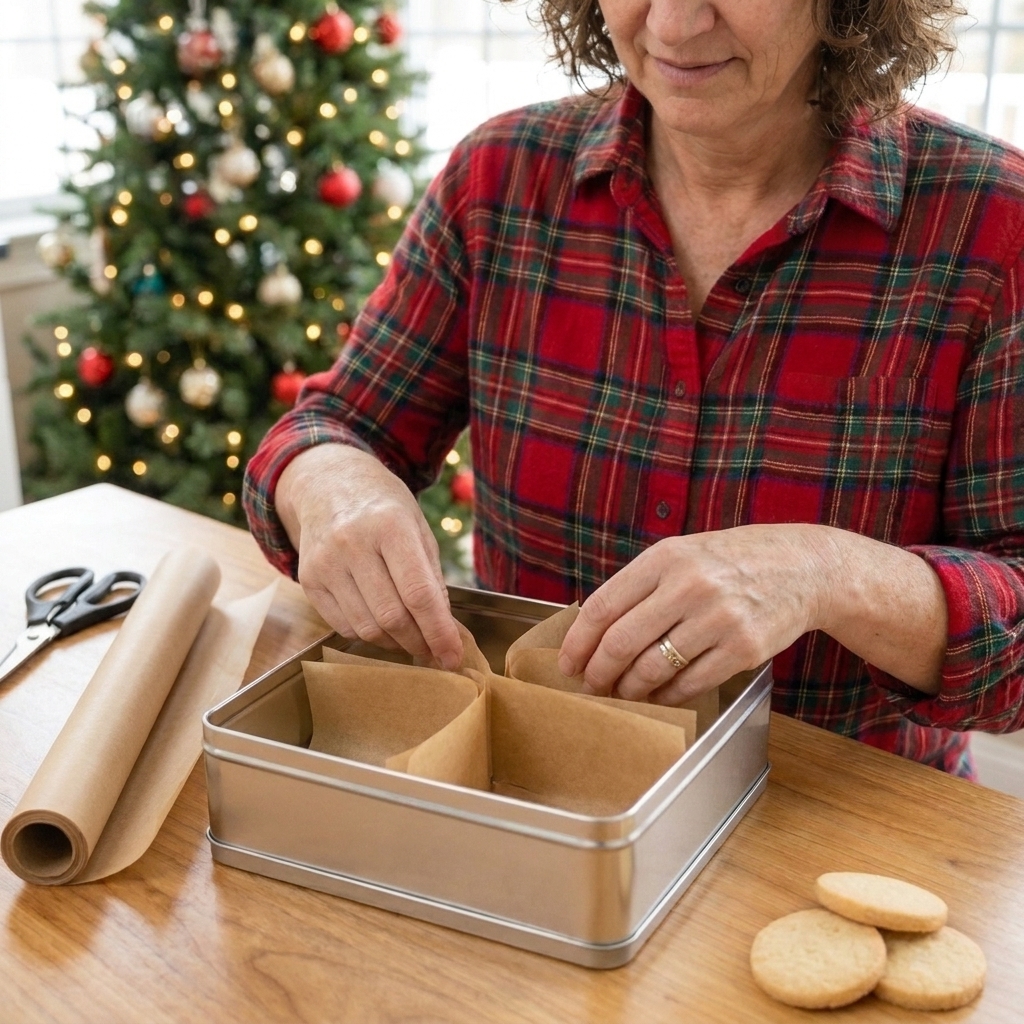
Step 2: Create compartments
Line the bottom with parchment. Then build simple “walls” with folded parchment or bakery tissue to separate texture lanes.
Step 3: Bag or wrap the troublemakers
Some items are wonderful but a little high-maintenance. They need their own space.
- Peppermint bark or chocolate-dipped cookies: bag once fully set so they do not smear or transfer
- Powdered sugar cookies: bag so they do not dust everything
- Strong flavors (peppermint, espresso, peanut butter): bag so they do not perfume the whole box
- Soft bars: wrap tightly, then place in a compartment
Step 4: Pack in sturdy stacks
Stack similar-sized cookies together. Use cupcake liners between stacks if you want them to look extra polished and prevent sliding.
- Crisp cookies: stack flat, then cushion the sides with tissue
- Chewy cookies: stack in short piles so the bottom cookies are not squished
- Bars: layer with parchment between pieces, then keep them flat
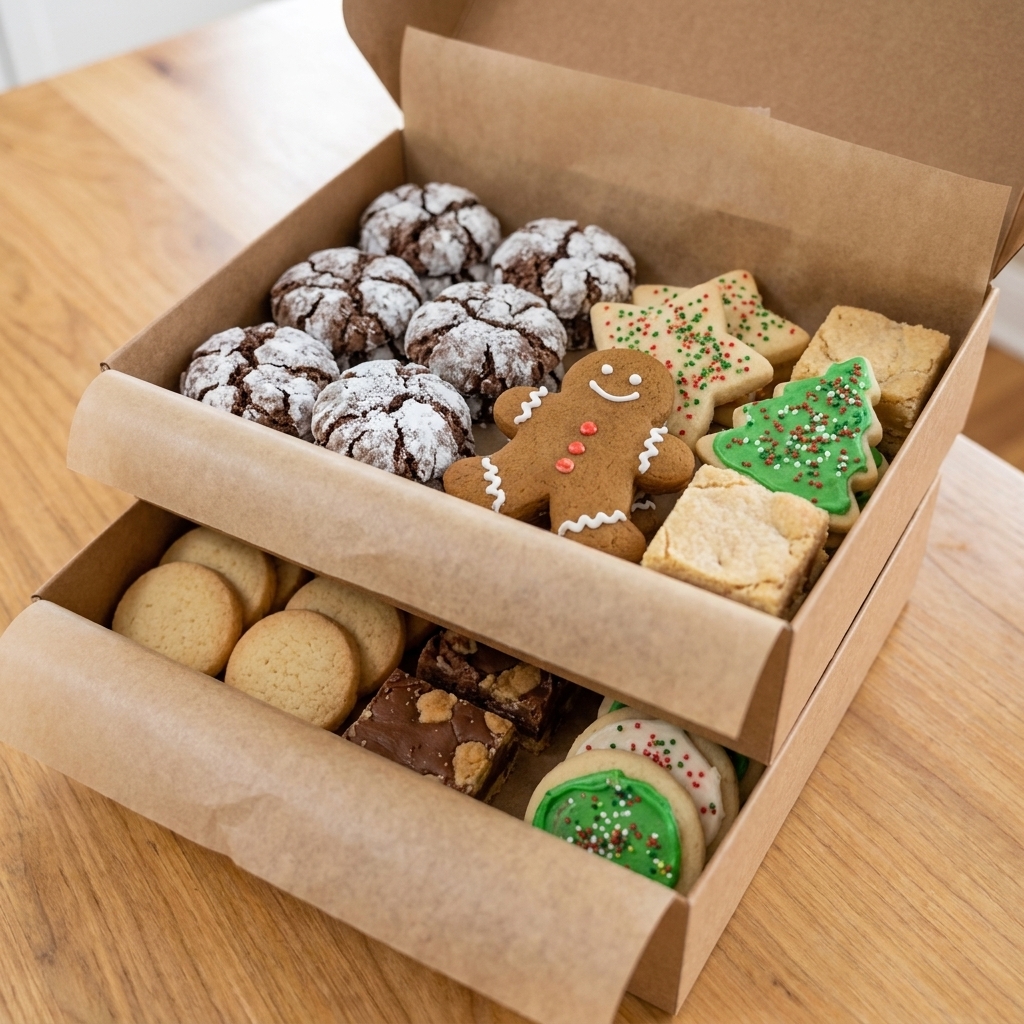
Step 5: Fill empty space
Empty space is the enemy. Add crumpled parchment or tissue in gaps so nothing can slide. When you gently shake the closed box, you should feel almost no movement.
Step 6: Seal for freshness
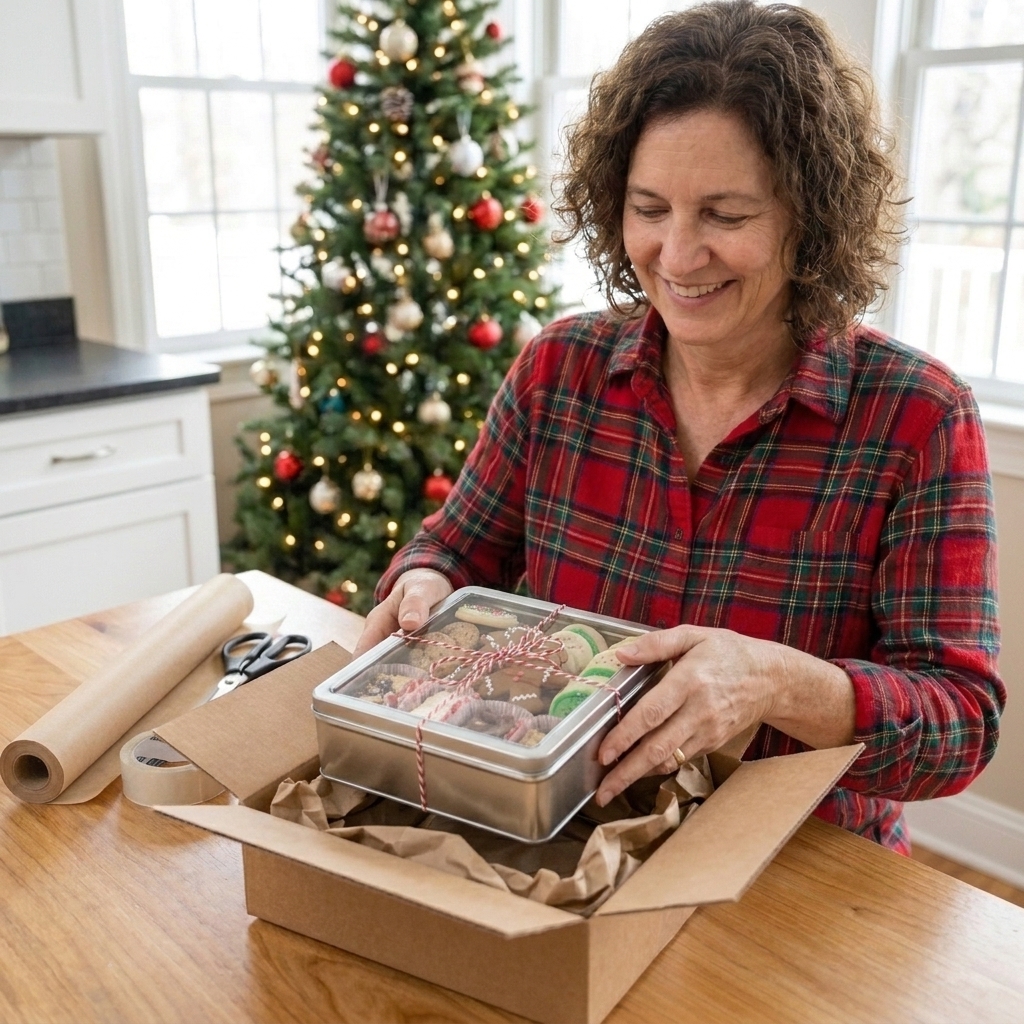
If the box is not airtight (most cute paper boxes are not), slide the entire filled box into a large cellophane bag and tie it closed. This one step noticeably improves freshness.
Shipping tips
If you are mailing a cookie box, your goal is to prevent crushing and temperature drama. And one quick reality check: December can still be warm in some regions. If your forecast is hovering above cool room temp, choose sturdier, non-melty treats and consider expedited shipping.
Best cookies for shipping
- Shortbread
- Gingersnaps
- Molasses crinkles
- Biscotti
- Thick sugar cookies with set icing
- Dense brownies and blondies (wrapped well)
How to ship your cookie box
- Wrap the cookie box: Place the sealed cookie box in a plastic bag for an extra humidity barrier.
- Cushion generously: Put 2 inches of packing material in the shipping box, set the cookie box in the center, then surround all sides tightly.
- Double box for tins: If you are shipping a metal tin, double boxing helps prevent denting.
- Ship early in the week: Aim for Monday or Tuesday so it does not sit over a weekend.
- Watch the weather: If temperatures are warm where you or your recipient lives, skip chocolate-heavy items or ship faster.
Do you need a freshness packet?
For most home cookie gifting, you do not need commercial freshness packets. What you do need is airtight wrapping and smart texture separation. If you choose to use a food-safe desiccant packet, keep it secured and away from direct contact with cookies.
Keep crisp crisp and soft soft
This is where most cookie boxes go wrong, so let’s make it simple.
For crisp cookies
- Pack only once fully cooled and dry
- Keep them away from bars and chewy cookies with parchment dividers
- Avoid sealing warm cookies in bags
For chewy cookies and bars
- Wrap airtight so they do not dry out
- Keep them in their own compartment
- Do not store next to crisp cookies in the same bag or stack
For frosted cookies
- Only pack when icing is completely set
- Place parchment between layers
- Avoid pressure on the top surface by stacking low
Make it look bakery-beautiful
Pretty is wonderful, but structure comes first. Once your box is snug and stable, then you can make it festive.
- Stick to a color story: red and white, green and gold, or classic chocolate and cream.
- Use liners: Cupcake liners instantly make stacks look intentional.
- Top layer “hero cookies”: Put your prettiest decorated sugar cookies on top, with parchment beneath.
- Add one garnish: A mini candy cane or wrapped chocolate on top is cute, but do not add loose mint or anything unwrapped.
If you include a note, I love adding a simple “best enjoyed by” suggestion. People appreciate knowing when to dig in.
Allergens and food safety
If you are gifting beyond immediate family, I strongly recommend a quick label listing common allergens (nuts, peanuts, dairy, eggs, gluten). It is a small touch that makes a big difference.
I also avoid cookie-box items that require strict refrigeration, like pastries filled with custard, cream cheese frosting, or anything clearly perishable. If you do include a perishable treat, label it clearly and deliver it cold.
Storage guidance for recipients
I always include quick care instructions, especially if the box includes multiple textures.
- Room temperature: Many cookies keep well for about 3 to 7 days if airtight, depending on type (crisp cookies often last longer than soft or filled cookies).
- Freeze for later: Many cookies freeze beautifully for up to 1 to 2 months, though very delicate crisp cookies and meringues can be less ideal. Wrap tightly and thaw sealed.
- Separate after opening: If possible, keep crisp cookies in one container and soft cookies in another.
Cookie box FAQ
How far in advance can I make cookies for a gift box?
If you freeze dough or fully baked cookies, you can start 2 to 3 weeks ahead. For the best just-baked taste, try to bake and pack within 1 to 3 days of gifting.
Should I refrigerate a cookie box?
Usually no. Refrigerators add humidity and can make crisp cookies go soft, especially if the box is not well sealed. If you need to refrigerate, pack everything in truly airtight containers and expect crisp cookies to lose some snap.
What is the best way to keep brownies fresh in a cookie box?
Cool completely, then wrap airtight (plastic wrap, then a bag). Pack them flat in their own compartment with parchment between pieces.
Why did my cookies get soft overnight in the box?
Most often, they were packed warm or packed next to a moist item like bars or chewy cookies without a divider. Moisture moved through the box and softened everything.
Can I mix peppermint cookies with everything else?
Peppermint is a strong flavor. I recommend bagging peppermint items so they do not “season” the whole box.
My cookie box checklist
- Pick 5 to 7 varieties with different textures
- Separate crisp from soft with parchment dividers
- Bag strong flavors and messy toppings
- Pack snug, cushion gaps, and test for movement
- Seal the whole box in a cellophane bag if the box is not airtight
- Label common allergens
- Ship early in the week if mailing and check the forecast