Lemon bars are one of those deceptively simple dessert bars. Two layers, one pan, and somehow they can go from bakery-perfect to a soft crust with a curd that cracks, weeps, or refuses to set. I have absolutely been there, usually right before a neighborhood get-together when I was counting on neat little squares.
Here’s the good news: classic lemon bars are very predictable once you understand what each layer needs. The shortbread crust must be fully set (dry on top, lightly golden at the edges) before the curd goes on. The lemon layer must be emulsified, gently baked, and cooled correctly so it slices clean instead of sweating lemony syrup.
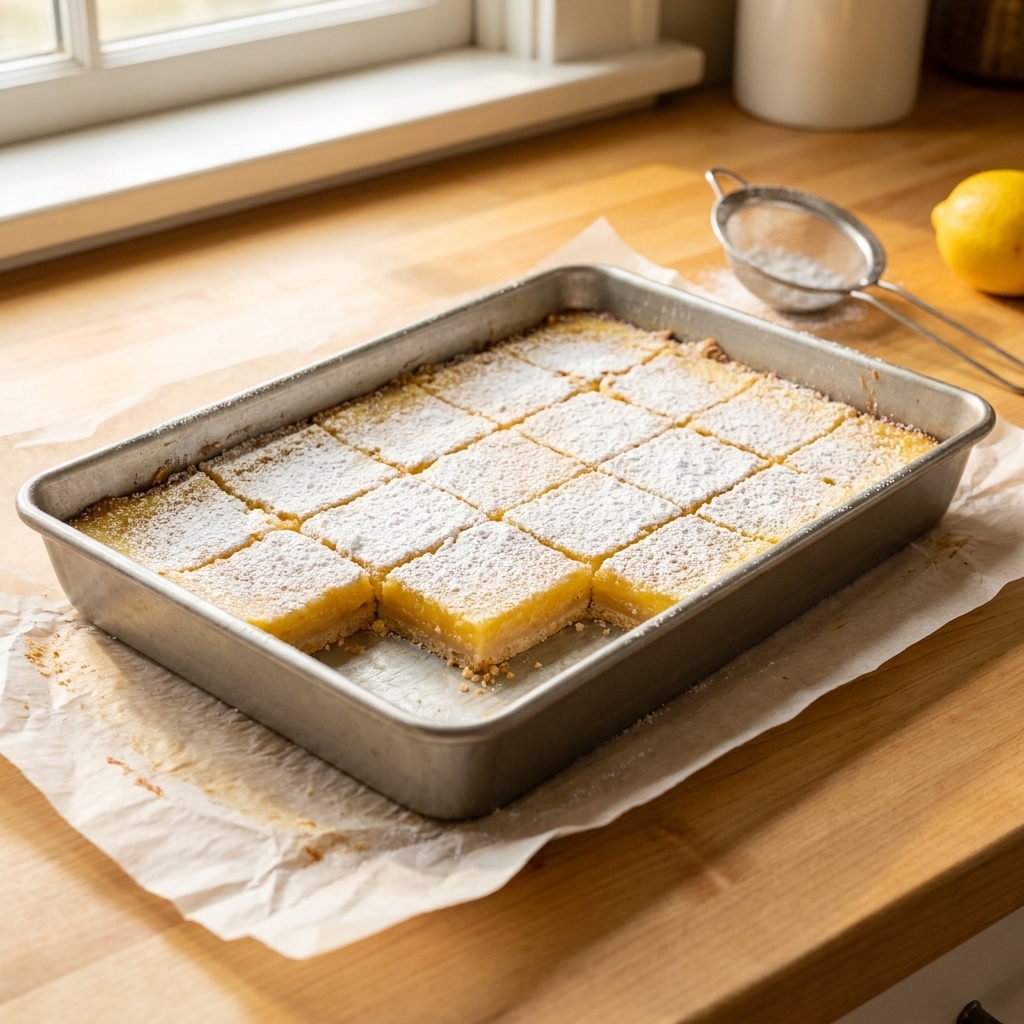
The two-layer balance
What the shortbread does
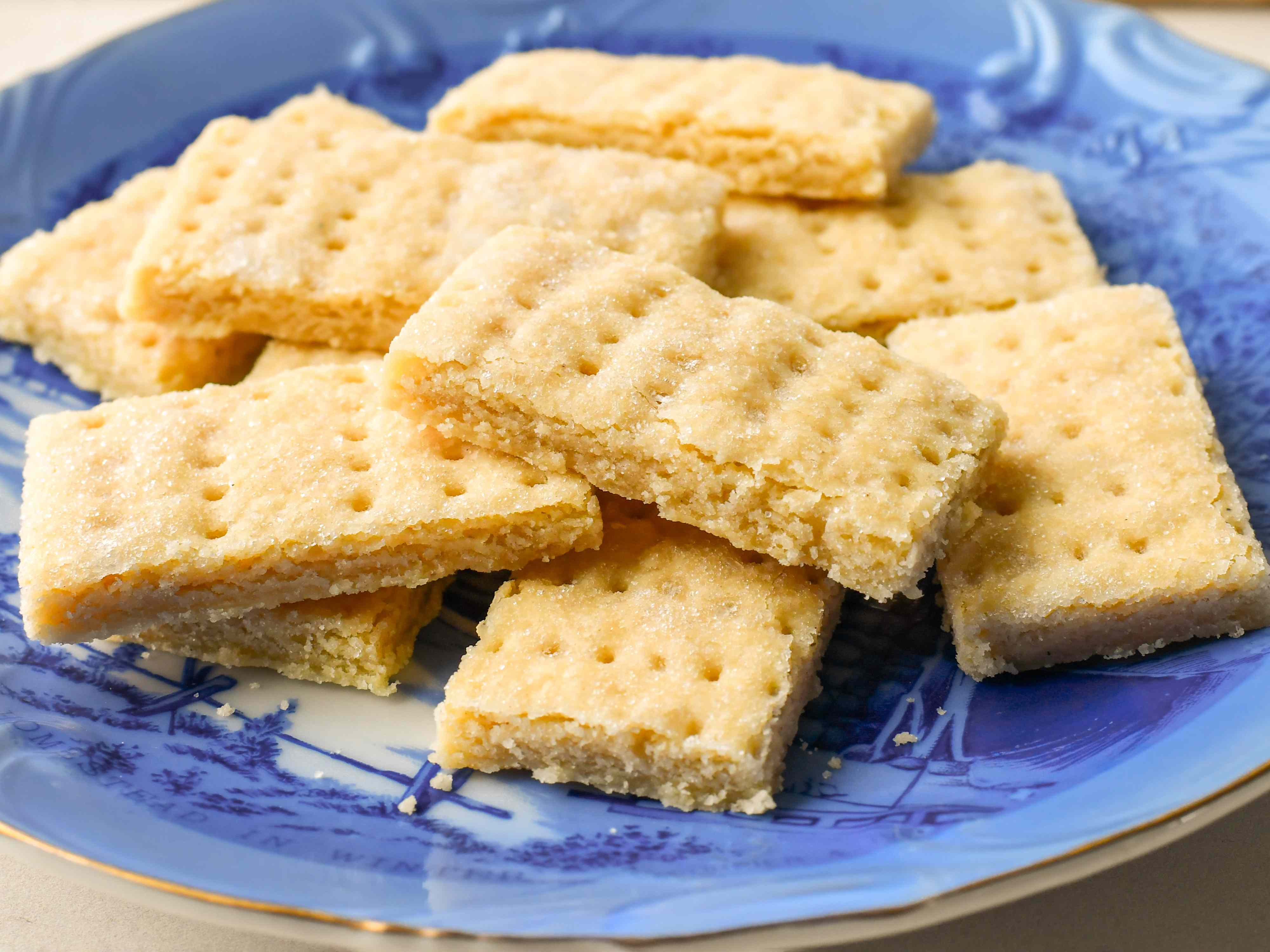
Shortbread is basically a tender cookie base that should bake into a firm, sandy-but-sliceable layer. When it goes wrong, it is usually because the crust was underbaked, too warm when filled, or the flour-to-fat ratio was off enough that it never truly set.
What the lemon layer does
The lemon layer is a baked custard-style curd. Eggs provide structure, sugar helps it set and stay smooth, and lemon brings acidity and flavor. The most common lemon-bar filling problems are from overbaking (cracks, rubbery edges), underbaking (soupy center), or a curd that separates and leaks (weeping).
Shortbread that stays crisp
1) Choose the right pan
- Metal pans often work best for lemon bars because they heat quickly and predictably, helping the crust set before it can soak up moisture.
- Glass can still work, it just heats more slowly and holds heat longer. If you use glass, expect you may need a few extra minutes for the crust and filling, and rely on visual doneness cues more than the clock.
- Line with parchment with a bit of overhang. It makes clean removal possible and keeps you from overhandling warm bars.
2) Press firmly, then dock
A loose, fluffy press makes a crust that bakes unevenly and drinks filling. I press the crumbs firmly with the bottom of a measuring cup, then dock the crust with a fork (a few quick pokes across the surface). Docking helps steam escape so the crust stays flat and sturdy.
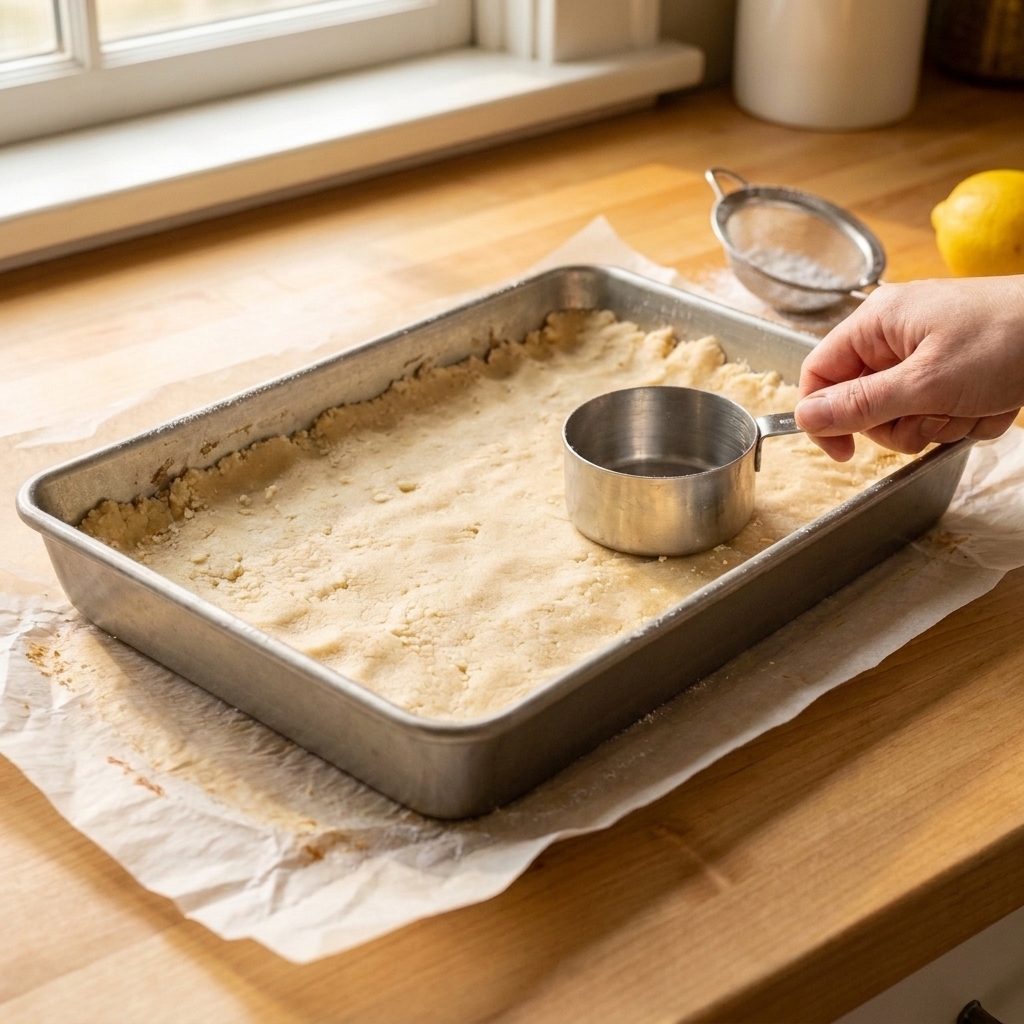
3) Bake until dry and lightly golden
This is the number one soggy-bottom fix. Your crust should look dry on top and be lightly golden at the edges before you pour on the lemon layer. If it is still pale and soft, it will soak.
My cue: the edges are faintly golden and the center no longer looks wet or shiny.
4) Hot crust, then filling (optional but helpful)
This feels backwards, but many bakers find it works. Pouring the lemon mixture onto a hot, just-baked crust helps the bottom layer start setting right away, which can create a better barrier against sogginess.
If your recipe has you cool the crust first, you can still get great results. The key is that the crust is baked enough to be truly firm.
Silky lemon curd that sets
Use lemons that taste bright
Fresh lemon juice matters here. Bottled juice can taste flatter than fresh (often from processing and time on the shelf). You want clean, bright tartness.
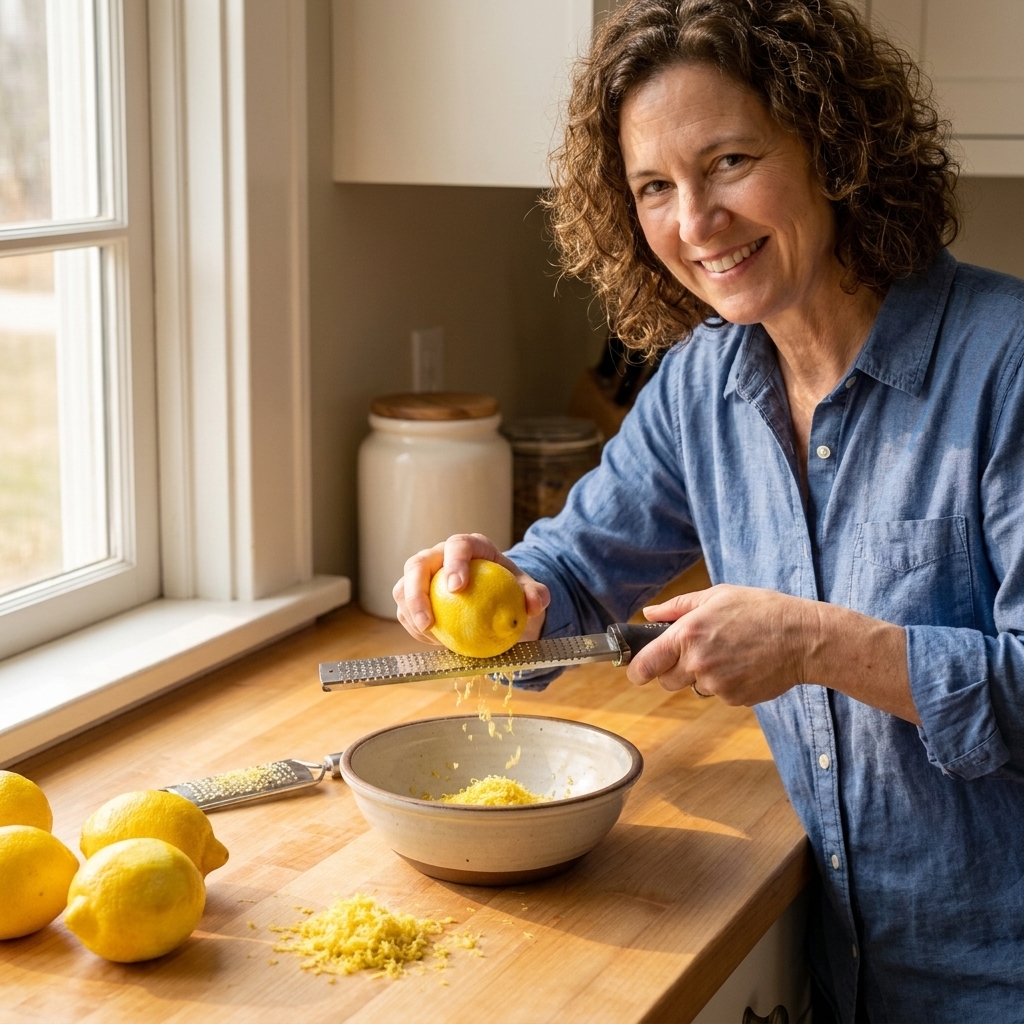
- Zest first, then juice. Zest carries the lemon oils that make bars taste like sunshine, not just sour.
- If your lemons are dry, roll them on the counter with your palm before juicing to help release more juice.
Mix gently to avoid bubbles
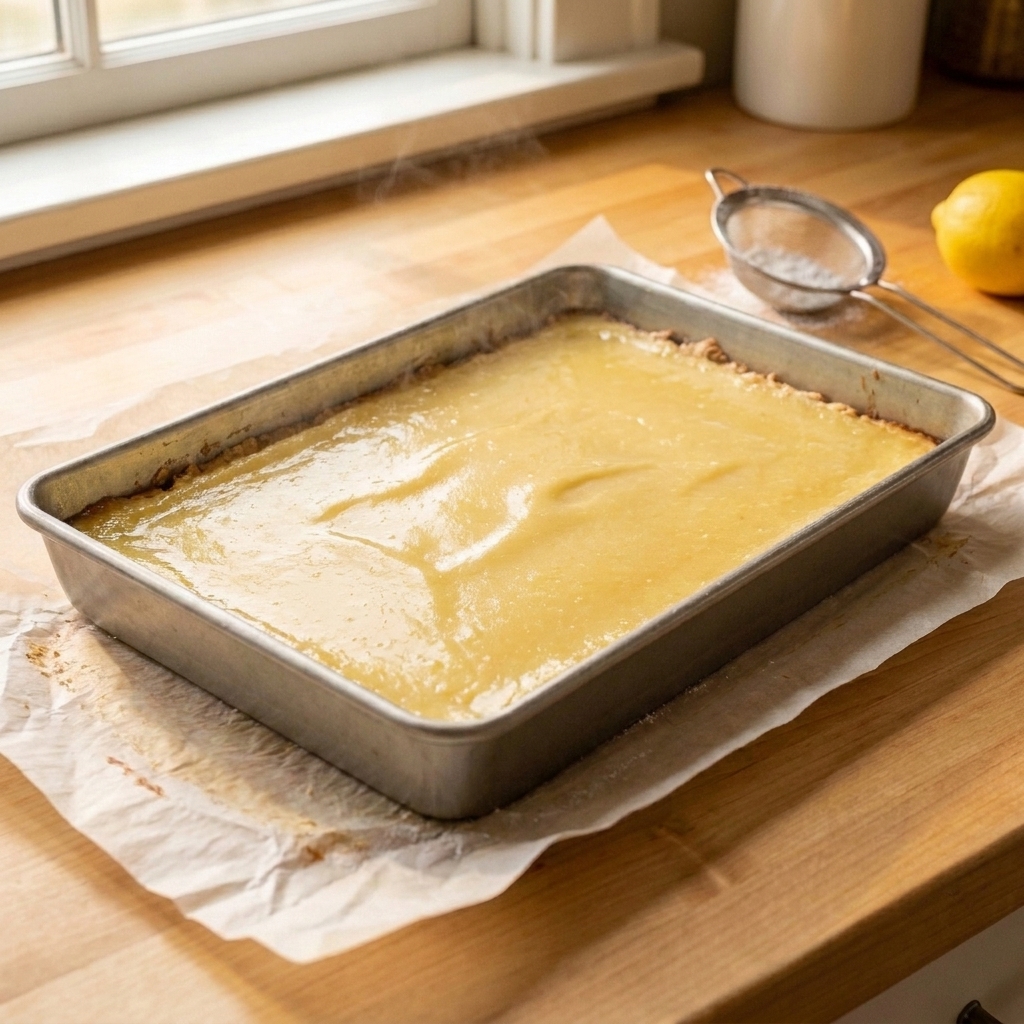
Whisking is good. Whisking like you are trying to beat a meringue is not. Extra bubbles rise, pop, and can contribute to an uneven top. I whisk just until the eggs are fully blended and the mixture looks cohesive.
If your bowl is looking foamy, let the filling sit for 5 minutes, then give the pan a gentle tap on the counter after you pour. You can also skim stubborn bubbles off the top with a spoon for the smoothest finish.
Strain for a smooth set
If you want the silkiest, most bakery-style lemon bars, strain the filling through a fine-mesh sieve to catch stray eggy bits and zest clumps. You still get lemon flavor from zest if you zest finely and whisk well, but straining gives you a cleaner set and look.
Do not overbake
Cracks are usually an overbake issue, but they can also come from an oven running hot, too much aeration in the filling, or cooling too quickly in a drafty spot. The lemon layer should be set at the edges and slightly wobbly in the center when you pull it. It will continue to set as it cools.
Visual cue: when you gently shake the pan, the center should jiggle like soft gelatin, not slosh like liquid.
Why lemon curd weeps
Weeping is that shiny layer of syrup that shows up on top or around the edges after chilling. It is frustrating, and it is usually caused by one of these:
- Underbaking: the proteins did not set enough to hold water.
- Overbaking: the curd tightens too much and squeezes out moisture.
- Too much liquid: extra-large eggs, too much lemon juice, or measuring flour incorrectly (if your recipe uses flour in the curd).
- Temperature swings: a very hot oven or rapid cooling can make the curd set unevenly and push moisture out.
- Condensation: covering warm bars or refrigerating them uncovered in a humid fridge can create surface moisture that looks like weeping.
My best prevention routine: bake until edges are set and center barely jiggles, cool completely at room temperature, then chill uncovered until cold. Once fully chilled, cover for storage.
Baseline targets
This is not a full recipe, but if you like guardrails, these are the ranges most classic 8-inch or 9-inch pan lemon bar recipes live in:
- Oven temperature: 325 to 350 F (lower end is gentler and can reduce cracking).
- Crust bake: often 15 to 25 minutes, until dry-looking with light golden edges.
- Filling bake: often 18 to 25 minutes, until set edges with a soft center jiggle.
- Optional thermometer check: if you like precision, many bakers aim for the filling to reach roughly 170 to 175 F in the center for a set custard texture.
Measurement pitfalls to watch: use large eggs unless your recipe says otherwise (jumbo eggs can add enough extra liquid to loosen the set), measure flour by spoon-and-level or by weight, and remember lemon juice volume varies a lot by fruit. If your lemons are huge and very juicy, measure the juice instead of assuming “one lemon equals X.”
Cooling and slicing
Cool fully before chilling
If you move hot lemon bars straight into the fridge, you can trap steam and invite condensation. I cool the pan on a rack until it is room temperature, then refrigerate until firm.
Chill long enough
For the cleanest cuts, chill at least 2 to 3 hours. Overnight is even better if you have the time.
Slice cleanly
- Lift the slab out using parchment overhang.
- Use a long sharp knife.
- Wipe the blade clean between cuts.
- For extra neat edges, chill the slab, then let it sit 5 minutes at room temperature before slicing so the crust does not crumble.
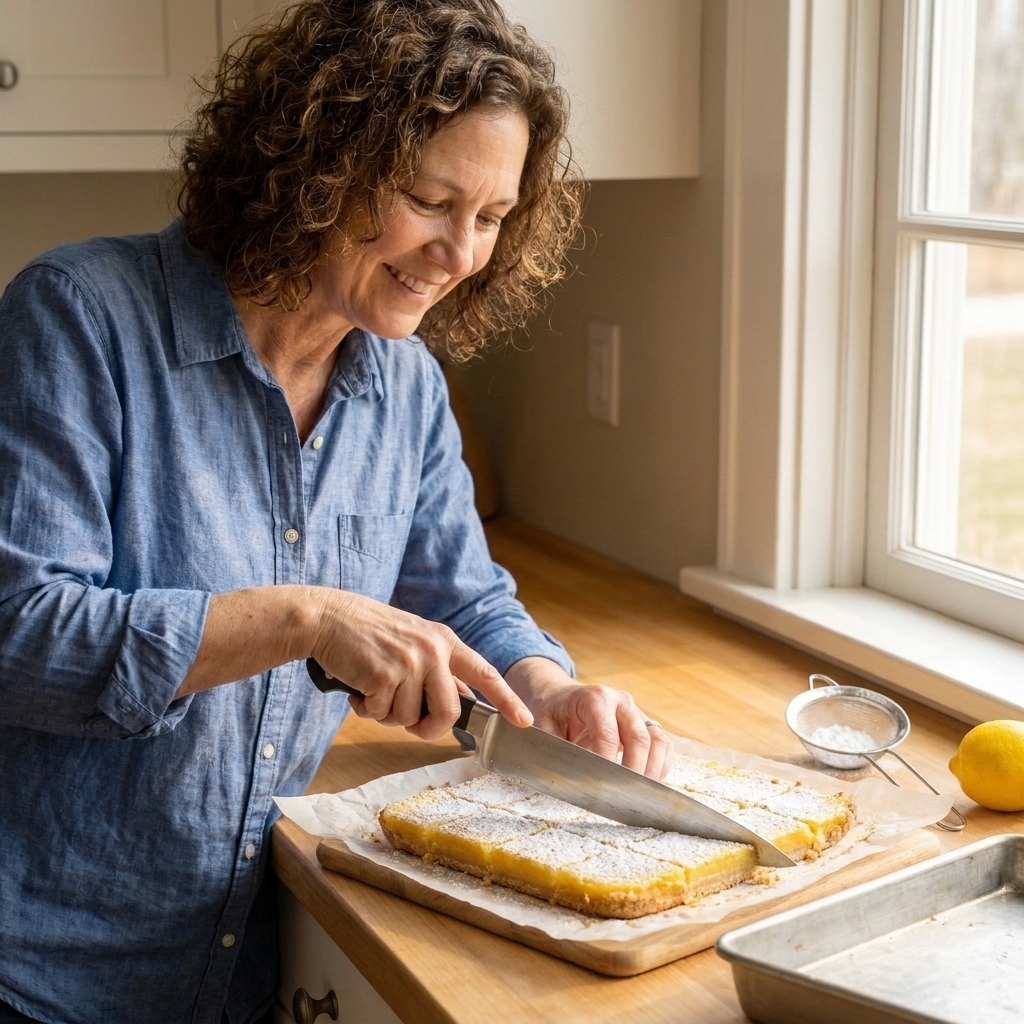
Powdered sugar timing
Powdered sugar is the classic finish, but it can dissolve if the bars are warm or damp on top.
- Dust right before serving for the prettiest look.
- If you need them plated ahead of time, dust lightly, chill, then do a second light dusting at serving.
Troubleshooting
My crust is soggy
- Next time: bake crust longer and consider pouring filling onto a hot crust.
- This time: chill completely. A cold bar feels firmer. You can also re-cut the edges (the center often has the best texture).
My curd cracked
- Next time: pull earlier, consider baking at 325 F, and whisk gently to keep bubbles down. Also, verify your oven temperature if cracks keep happening.
- This time: dust with powdered sugar or top with whipped cream when serving. Cracks are mostly cosmetic.
My lemon layer is runny
- It likely needed more bake time. If it is only slightly soft, an overnight chill sometimes saves it.
- Check your variables next time: egg size (jumbo can do this), measured lemon juice, and how you measured flour or starch.
- If it is truly liquid after chilling, it was underbaked or the ratios were off.
My bars taste too tart or too sweet
- Too tart: add more powdered sugar when serving, or pair with whipped cream.
- Too sweet: increase zest next time, and make sure you are using lemon juice that tastes bright for a sharper lemon flavor.
My lemon bar rules
- Bake the crust fully until dry-looking with light golden edges.
- Hot crust, then filling if you want a little extra insurance against sogginess.
- Whisk gently, strain if you can for a silky top.
- Do not overbake. Set edges, slight jiggle in the center.
- Cool completely, then chill uncovered until cold.
- Dust sugar right before serving.
If you nail those, you can play with the fun stuff later: swapping in Meyer lemons, adding a thin layer of berry jam under the curd, or sprinkling flaky salt over the powdered sugar. But first, we master the classic.
FAQ
Should lemon bar filling have flour?
Many classic recipes use a small amount of flour (or cornstarch) to help the curd set and slice cleanly. Either can work. If your recipe uses flour, measure carefully and whisk it in thoroughly to avoid lumps.
Do I need to pre-cook the lemon curd?
Not for traditional baked lemon bars. The curd sets in the oven. Pre-cooking is a different method that can be great, but it is not required to get clean slices.
How do I store lemon bars?
Store them in the refrigerator, tightly covered, for up to 3 to 5 days. For the cleanest texture, they are best within about 3 to 4 days. Keep them chilled and dust with powdered sugar right before serving.
Can I freeze lemon bars?
Yes. Freeze the chilled slab or individual squares (without powdered sugar) wrapped well. Thaw overnight in the fridge, then dust with powdered sugar before serving.