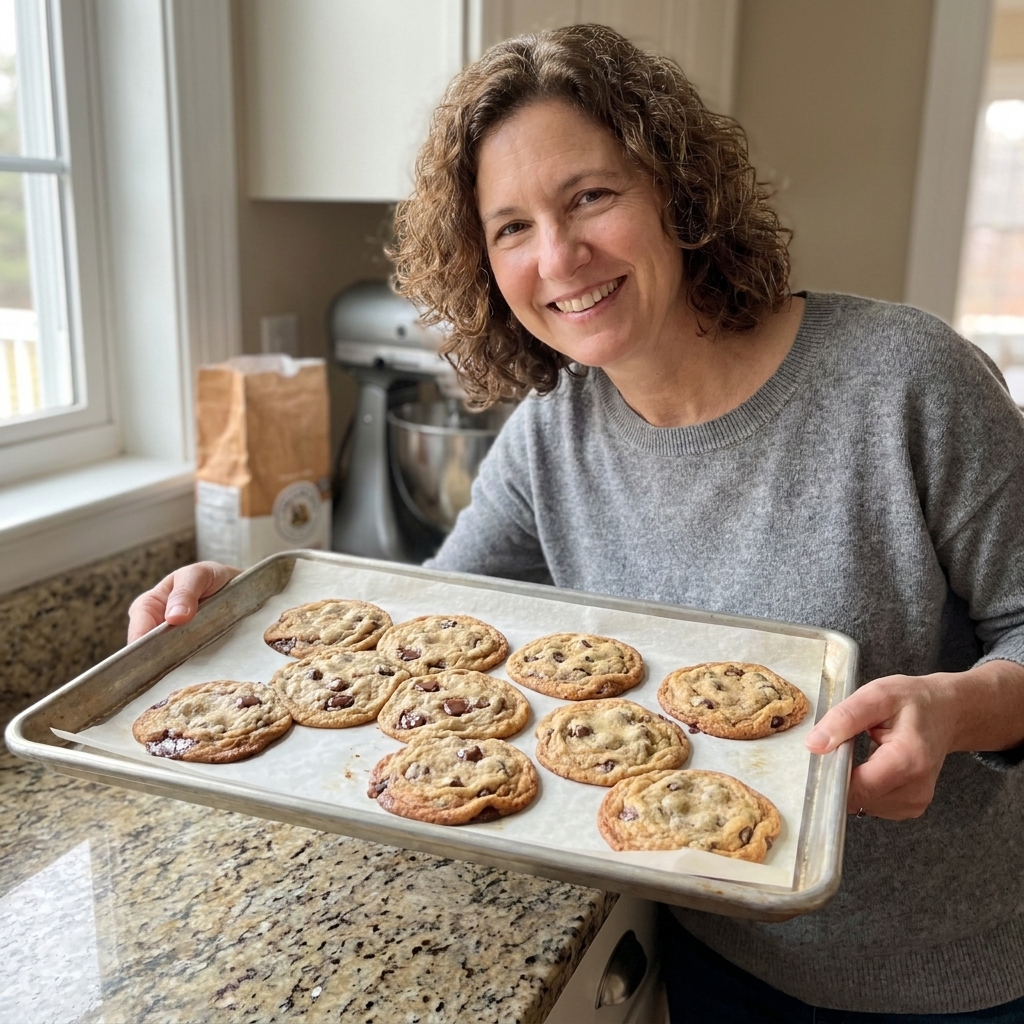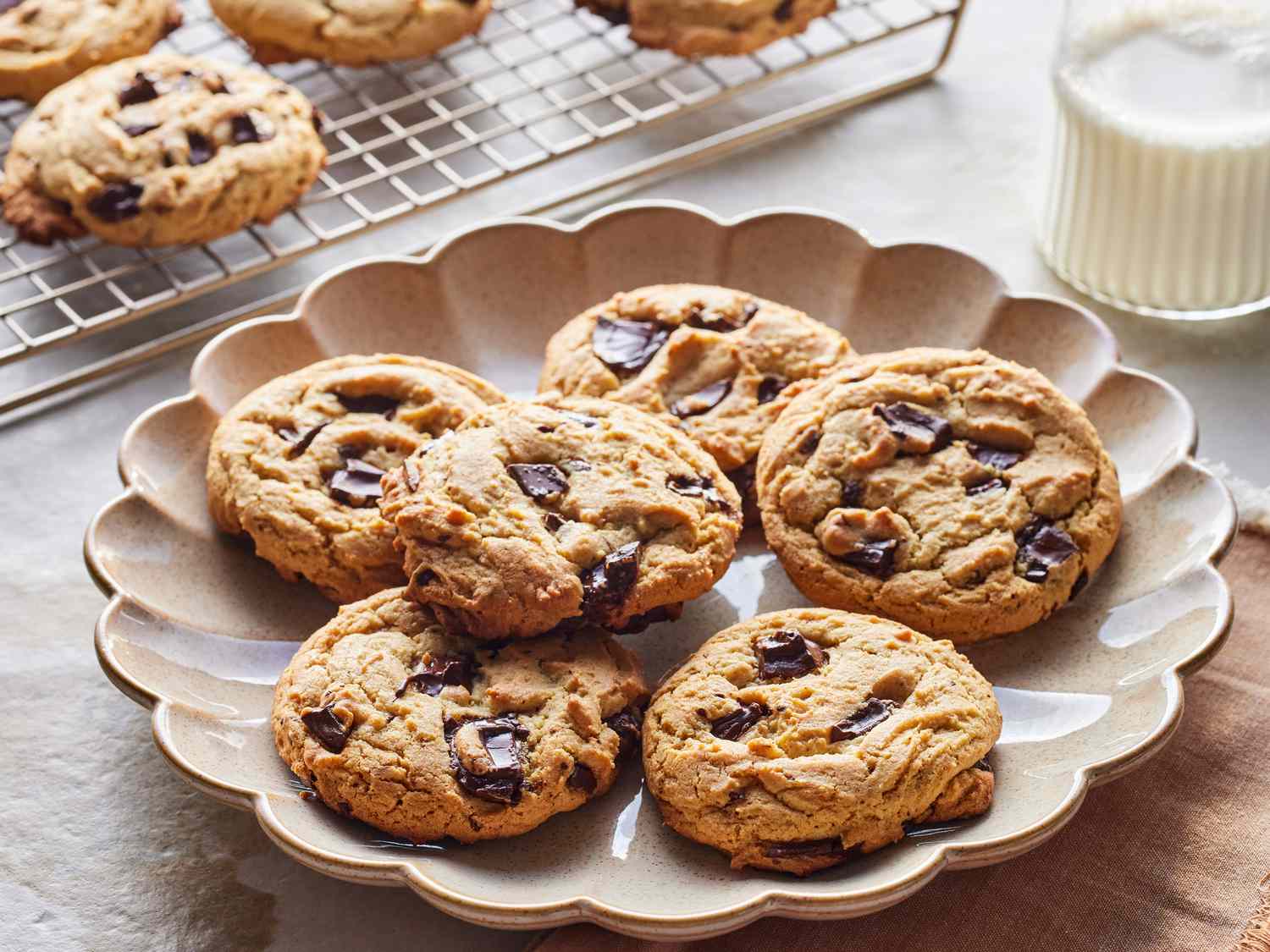
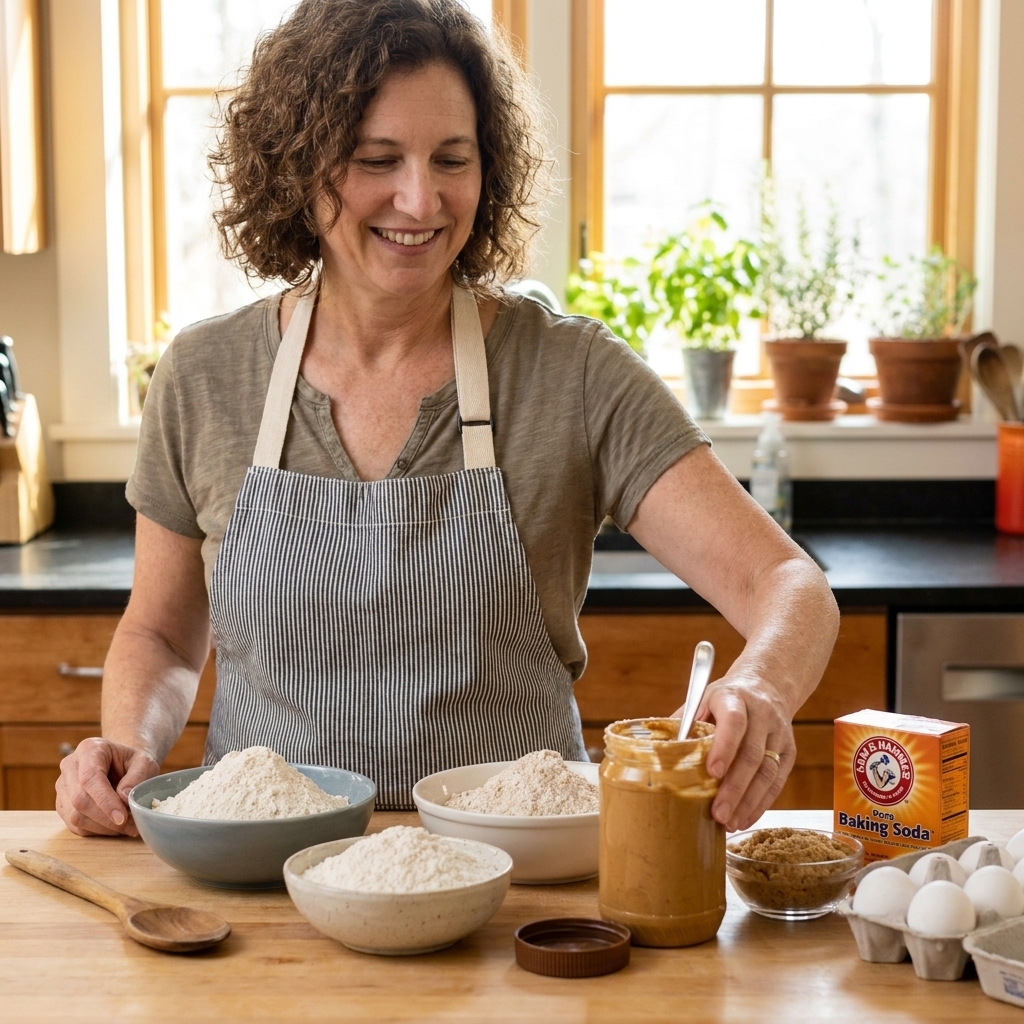
Peanut butter cookies look simple on paper, but they are sneaky. They need enough structure to hold those classic fork marks, enough tenderness to melt in your mouth, and enough moisture to stay chewy instead of turning sandy and dry.
When you remove wheat flour, the flour blend becomes the backbone of the cookie. I tested and tweaked (and hosted more than one neighborhood cookie swap worth of opinions) to figure out which gluten-free blends consistently bake up like the real deal: lightly crisp edges, chewy centers, and that nostalgic peanut butter snap when you bite in.
What these cookies need
Most traditional peanut butter cookie recipes don’t use a ton of flour. That means every tablespoon matters. In fact, many batches land in the 120 to 180 g flour range (about 1 to 1 1/2 cups, depending on the recipe and brand), so the blend you choose has a big job.
Here’s what the flour blend is doing in the background:
- Structure: helps the cookies hold their shape and keeps the fork crosshatch from disappearing.
- Binding: keeps the cookies from crumbling when you lift them off the tray. This is where gums and starch balance matter.
- Moisture management: peanut butter brings mostly fat and relatively little water compared with many butter-forward doughs. A blend that is too starchy can bake up dry and chalky.
- Spread control: the wrong blend can either pancake the cookies or leave them thick and dry.
If you want the short version: the best blends for peanut butter cookies tend to be all-purpose 1:1 blends with a moderate starch level and either xanthan gum included or the ability to add a small amount yourself.
Quick note on “1:1”: Many brands mean 1:1 by volume (swap cup-for-cup), but labeling and performance are not perfectly standardized. If your recipe lists weights, follow the weights. If it does not, measure carefully (spoon and level) and adjust based on dough feel.
Top blends (ranked)
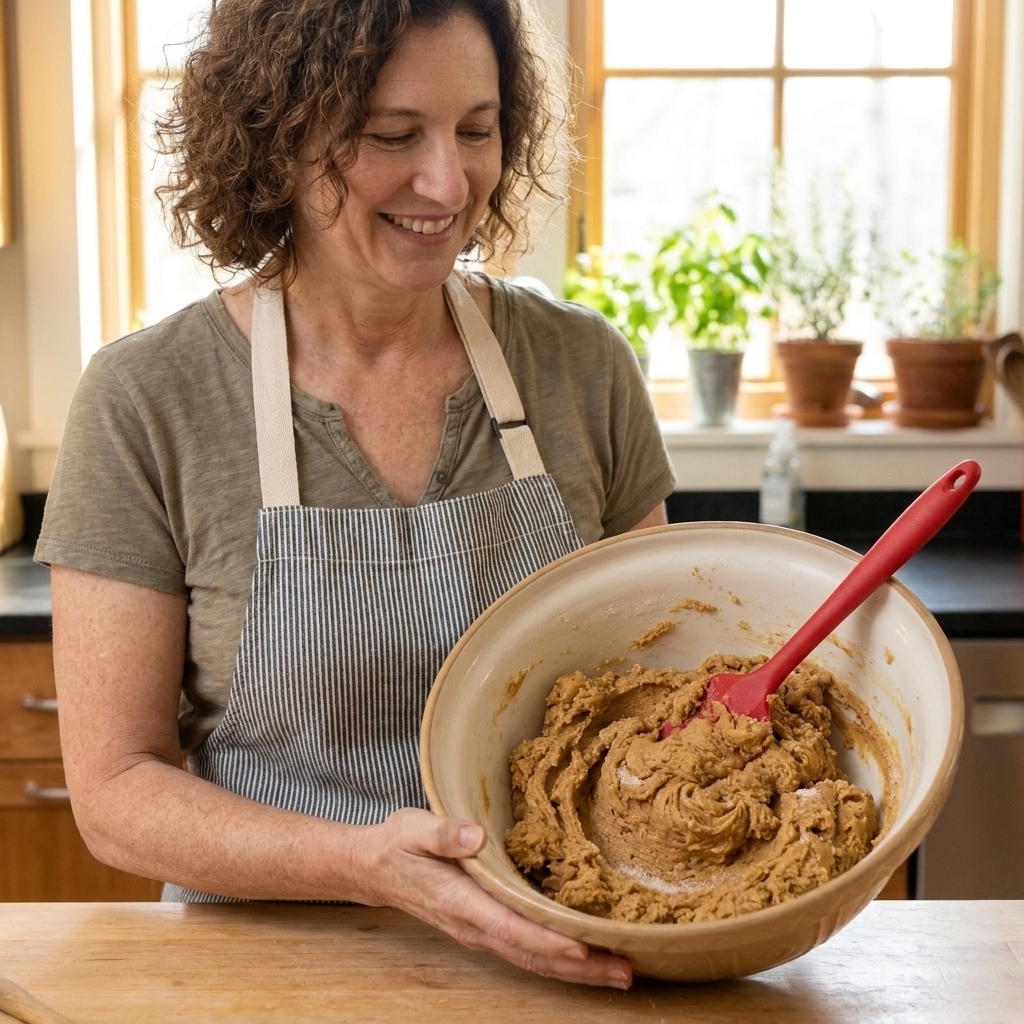
These are the blends that repeatedly gave me the most old-school peanut butter cookie results with the least fuss. I’m focusing on texture and reliability, not just whether the cookies technically bake.
1) King Arthur Measure for Measure Gluten-Free Flour
Best for: the closest to a classic-style cookie
This is my top pick when I want gluten-free cookies that do not announce they are gluten-free. In peanut butter cookies, it tends to give a chewy center with clean edges, and a cookie that lifts without crumbling.
- Texture: chewy, slightly tender, not gritty
- Spread: moderate, nicely controlled
- Fork marks: hold well
- Watch-out: formulations and packaging can change, so check the label (especially for binders like xanthan gum). If your dough feels a touch dry, give it a 10 minute rest before scooping so the flour hydrates.
2) Bob’s Red Mill 1-to-1 Baking Flour
Best for: thicker cookies with a sturdy bite
This blend is dependable and widely available. In peanut butter cookies, it often bakes up a little thicker with a more structured chew. Great if you like a cookie that feels substantial.
- Texture: chewy and sturdy
- Spread: low to moderate
- Fork marks: very reliable
- Watch-out: Bob’s 1-to-1 is typically formulated with xanthan gum (check the label, formulas can change). If you avoid gums, choose a gum-free blend instead.
- Second watch-out: if you overbake by even a minute, the edges can tip from crisp to dry. Pull them when the centers still look a bit soft.
3) Cup4Cup Multipurpose Flour
Best for: a tender, bakery-style cookie
Cup4Cup is often a little more “bakery” in feel, meaning tender and smooth. It can give beautiful texture in peanut butter cookies, especially if you like them less rustic and more melt-in-your-mouth.
- Texture: tender, smooth
- Spread: moderate
- Fork marks: good, but don’t press too hard or edges can crack
- Watch-out: many Cup4Cup multipurpose products contain milk powder, so they are not dairy-free. Always check the ingredient list. Because it bakes tender, the cookies benefit from cooling 10 minutes on the pan before moving.
4) Pamela’s Artisan Blend All-Purpose Flour
Best for: slightly crisp edges and a familiar bite
This one can give a nice balance of crisp edge and tender middle, especially if you chill the dough. When it works, it tastes wonderfully familiar.
- Texture: crisp edge, tender center
- Spread: can spread a touch more if the dough is warm
- Fork marks: hold well with a quick chill
- Watch-out: packaging and formulas can shift over time, so check the label if you rely on a specific ingredient profile. If your kitchen is warm, chill 20 to 30 minutes to prevent extra spread.
Blends that need tweaks
I’m not calling these “bad.” I’m calling them “you need to know what you’re getting into.” Peanut butter cookies are picky, and some blends lean too starchy or too whole-grain for that traditional texture.
Namaste Perfect Flour Blend
Result: good structure, slightly drier finish
This blend often bakes sturdy cookies that hold shape well. In peanut butter cookies, it can land a bit dry unless you help it out.
- My fix: add 1 tablespoon milk (dairy or non-dairy) per batch, or swap some white sugar for brown sugar to boost moisture.
Homemade gum-free blends
Result: tender, but more crumbly
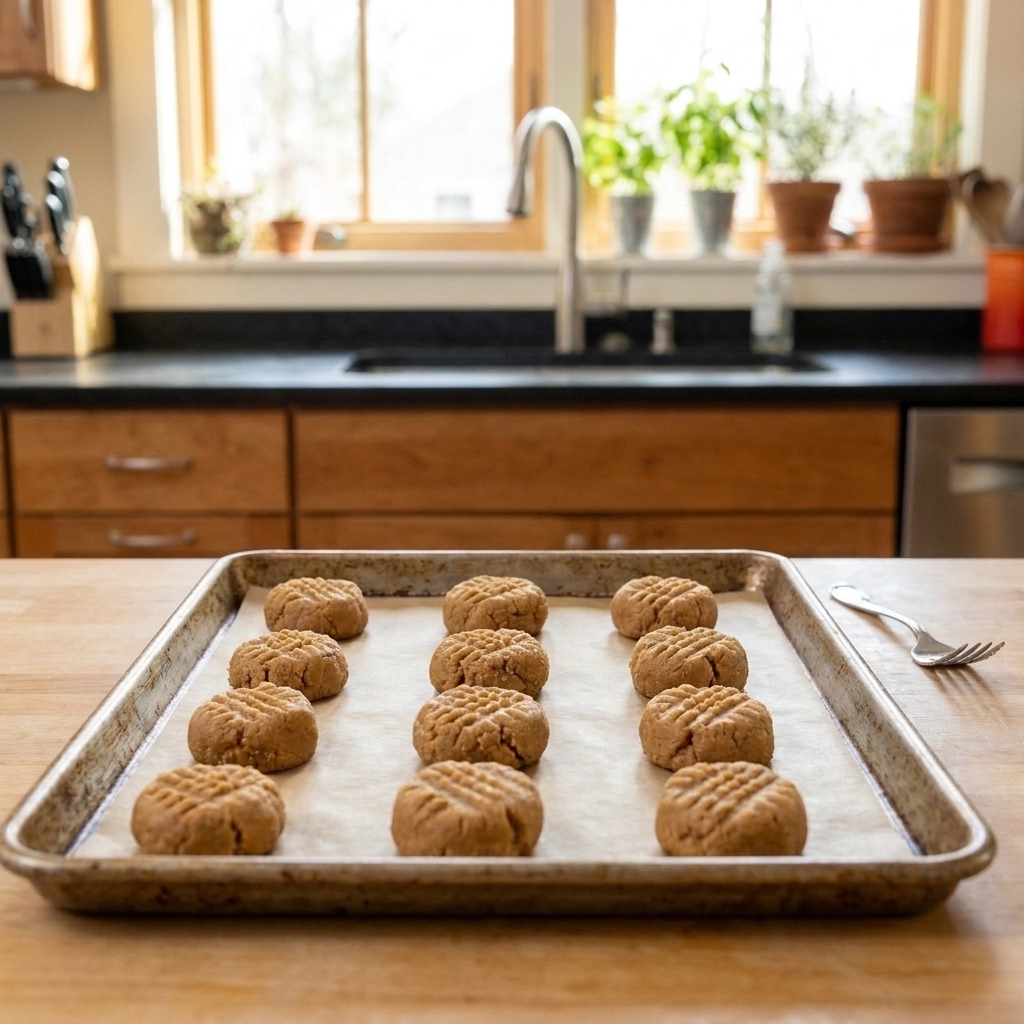
If you mix your own rice flour and starch blend without xanthan gum (or a similar binder), peanut butter cookies tend to crumble at the edges and break when you pick them up.
- My fix: for every 120 to 150 g (about 1 cup) of gluten-free flour used in your recipe, add 1/4 teaspoon xanthan gum. If you prefer psyllium, start with 1 teaspoon finely ground psyllium husk per 120 to 150 g flour, then adjust up to 2 teaspoons if the cookies still crumble. Peanut butter cookies usually use less flour than breads, so start low, especially with psyllium. (Too much psyllium can make cookies oddly gummy.)
Quick comparison
| Blend | Best texture outcome | Spread level | Best for |
|---|---|---|---|
| King Arthur Measure for Measure | Chewy centers, crisp edges | Medium | Most reliable all-around |
| Bob’s Red Mill 1-to-1 | Sturdy, thicker chew | Low to medium | Thicker cookies and strong fork marks |
| Cup4Cup Multipurpose Flour | Tender, smooth, bakery-style | Medium | Melt-in-your-mouth cookies (check for milk) |
| Pamela’s Artisan Blend | Crisp edge, tender center | Medium to higher | Familiar bite with a short chill |
| Namaste Perfect Flour Blend | Structured but can feel dry | Medium | Cookies that need extra moisture help |
Baker’s rules
Even with a great blend, these small steps are the difference between dreamy and disappointing.
Rest the dough
Gluten-free flours need a minute to absorb moisture. A 10 to 15 minute rest makes the dough less gritty and helps cookies hold together.
Chill if the dough is sticky
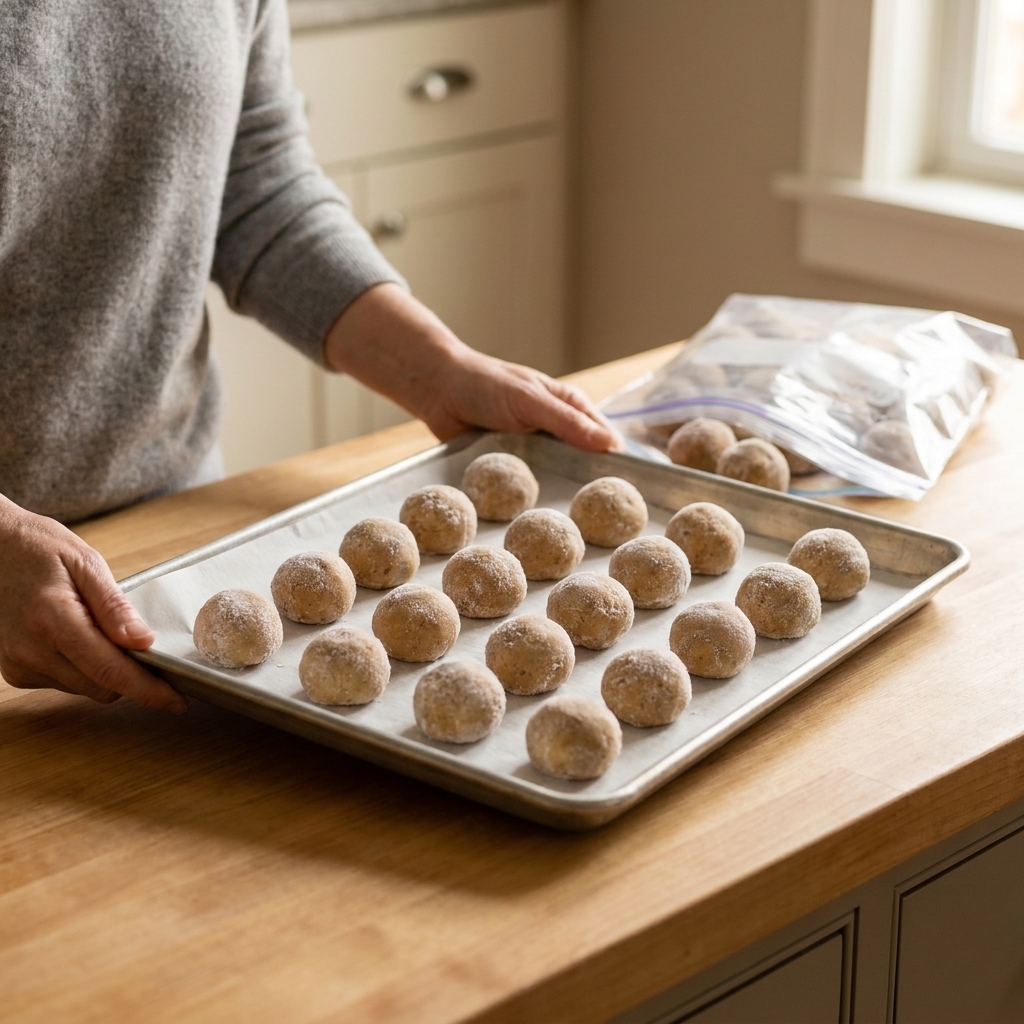
Peanut butter cookie dough can go from perfect to oily quickly. Chilling 20 to 30 minutes improves shape and fork-mark definition.
Pull slightly underbaked
Gluten-free cookies can dry out fast. Pull them when the edges look set and the centers still look a touch soft. They finish setting as they cool.
Weigh the flour if you can
Gluten-free blends pack down differently, especially brand to brand. A kitchen scale keeps your cookies consistent if you swap flours often.
Leavening usually stays the same
Most peanut butter cookie recipes use baking soda, and your flour blend choice typically does not change that. Unless your specific recipe was written for a particular blend, stick with the leavener listed and focus your adjustments on dough rest, chill time, and bake time.
Know your variables
Flour matters, but so do the supporting players. Peanut butter consistency (thick vs runny), egg size, and even how warm your kitchen is can change spread and chew. If you switch brands of peanut butter or use a very soft butter, expect to chill the dough more and watch bake time closely.
Troubleshooting
My cookies are crumbly
- Likely cause: not enough binder or dough too dry.
- Try this: rest the dough 15 minutes, then mix in 1 to 2 teaspoons milk. If your blend has no gum, add xanthan gum using the guide above (about 1/4 teaspoon per 120 to 150 g flour).
My cookies spread too much
- Likely cause: warm dough, oily peanut butter, or a starch-heavy blend.
- Try this: chill dough 30 minutes. For the most consistent, traditional structure, use a standard creamy peanut butter. Natural peanut butter can work too, but mix it extremely well and plan to chill the dough.
My cookies are dry and sandy
- Likely cause: too much flour for the brand you used, or overbaking.
- Try this: reduce flour by 1 to 2 tablespoons next time, pull cookies earlier, and lean into brown sugar over white sugar for moisture.
My fork marks disappear
- Likely cause: dough too soft or cookies spreading quickly.
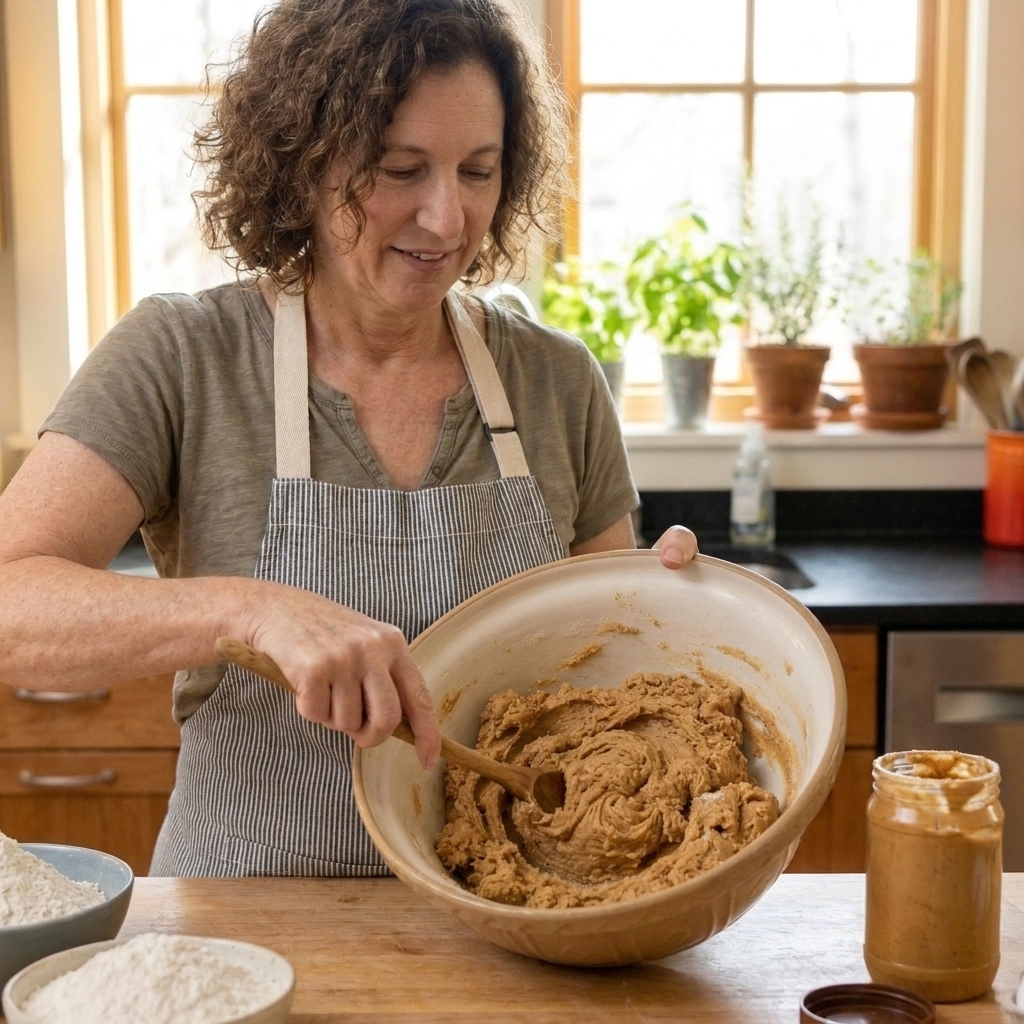
- Try this: chill dough, and press fork marks a bit deeper. Also, avoid greasing the pan heavily. Use parchment instead.
Choose your blend
If you want the easiest decision tree, here’s what I’d do:
- Closest to the classic feel: King Arthur Measure for Measure.
- Thicker, sturdier cookies: Bob’s Red Mill 1-to-1.
- Tender and bakery-smooth: Cup4Cup Multipurpose Flour (check for milk if that matters for you).
- Crisp edges and you don’t mind chilling: Pamela’s Artisan Blend.
No matter which blend you choose, remember this: gluten-free peanut butter cookies are happiest when the dough gets a short rest, the oven is watched closely, and the cookies cool on the pan long enough to set. That is the difference between “crumbly” and “cookie exchange proud.”

FAQ
Can I swap gluten-free flour 1:1 in my usual recipe?
If you use a true 1:1 baking blend (like the ones above), you can often swap cup-for-cup. If your recipe provides weights, follow weights for best consistency. Either way, watch dough rest time and baking time, since gluten-free cookies often need a short rest and can overbake quickly.
Do I need xanthan gum?
If your blend already contains xanthan gum (many 1:1 blends do), you typically do not need more. If your blend is gum-free, adding a small amount helps prevent crumbling, which is a common peanut butter cookie issue.
Is almond flour a good choice?
Almond flour makes delicious cookies, but it changes the result. You will get a softer, more delicate cookie that can spread and brown differently. For fork marks and a sturdier bite, an all-purpose gluten-free blend tends to perform better.
Does natural peanut butter work?
It can, but it is less predictable because oil separation changes spread and structure. For the most consistent results, use standard creamy peanut butter. If you prefer natural, mix it thoroughly until uniform, chill the dough, and expect a little variation from brand to brand.
Any allergen notes I should know?
Yes. Some gluten-free blends include xanthan gum, milk powder, or oat ingredients. If you are baking for someone with celiac disease, check for certified gluten-free labeling and be mindful that oats can be an issue for some people due to cross-contact or sensitivity.